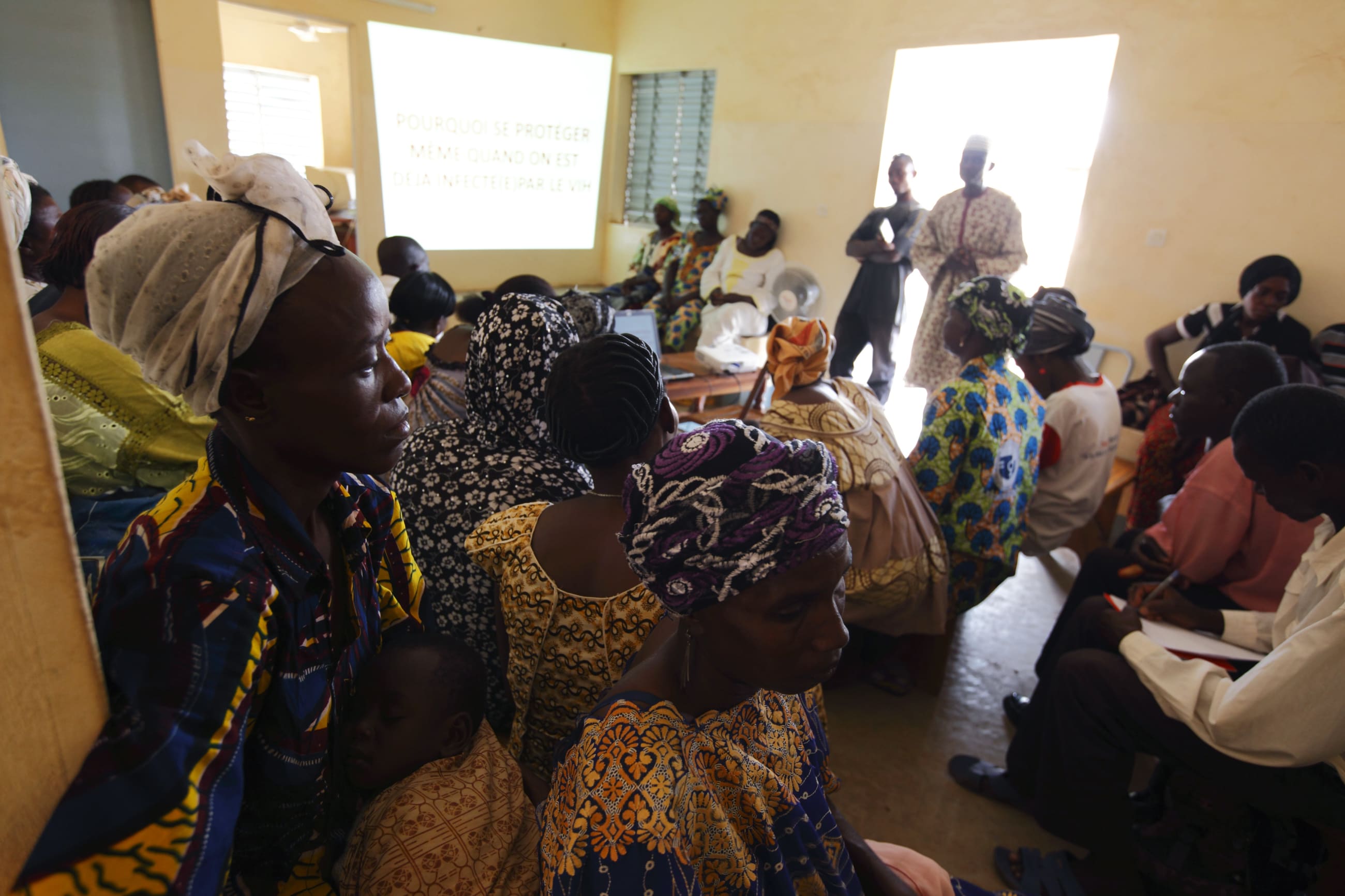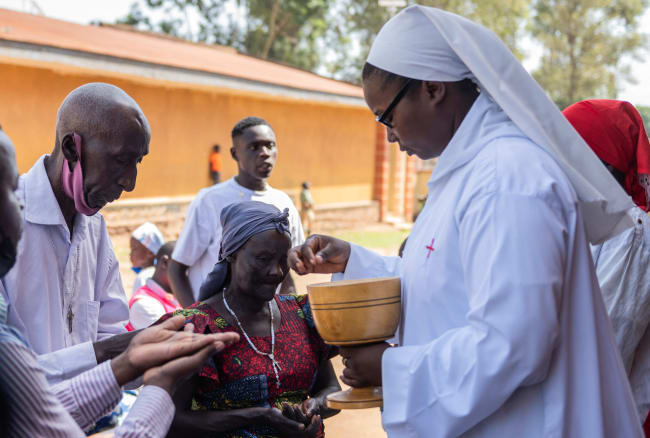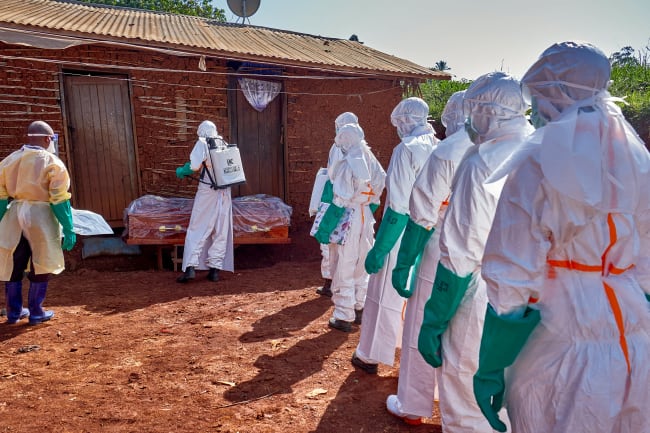
On January 27, 2026, the Trump administration released the most expansive iteration of the Global Gag Rule, now formally renamed the Promoting Human Flourishing in Foreign Assistance (PHFFA) policy. The PHFFA consolidates three interrelated final rules. One is protecting life in foreign assistance, which retains a prohibition on international organizations using U.S. federal funds to perform, promote, or refer patients for abortion the abortion prohibition. The second aims to combat alleged discriminatory equity ideology in foreign assistance, which prohibits diversity equity and inclusion-related activities. The third rule endeavors to combat gender ideology in foreign assistance; it prohibits gender-affirming care and defines sex as an immutable biological classification.
Unlike its predecessors, this policy places restrictions on $39.8 billion in U.S foreign aid for 160 countries and applies to most nonmilitary foreign assistance, including multilateral organizations, foreign governments, and U.S.-headquartered nongovernmental organizations.
Diversity, equity, and inclusion (DEI), read through an African lens, is not anchored in donor slogans or ideological exports. It is contemporary vocabulary for normative commitments long embedded in African law and practice, often articulated as ubuntu: communal accountability and a duty of solidarity across peoples and states. Ubuntu—also expressed as boho, unhu, or utu and meaning that a person is a person through other persons—is rooted in the Bantu-speaking civilizations across sub-Saharan Africa and reflected in precolonial traditions of communal governance, collective stewardship, and restorative justice.
This principle in African health systems centers inclusion not as a fashionable complement, but as the operational meaning of relational personhood and shared obligation. Equity is the practical form of dignity in contexts where vulnerability is produced through poverty, coercion, and exclusion. Diversity is an acknowledgment that communities are never singular and that justice fails the moment health systems define some lives as less worthy of protection.
Diversity, equity, and inclusion, read through an African lens, is not anchored in donor slogans or ideological exports
This is the frame within which the expanded Global Gag Rule should be read. It is not only a funding restriction but also an attempt to criminalize the organizing principles that keep African health systems coherent under stress. When policy targets what U.S. actors "label gender ideology and DEI," it strikes at ubuntu-based governance itself: community accountability, inclusive service delivery, and equity-oriented prioritization. The policy, therefore, becomes a question of sovereignty. It asks whether African institutions will govern health through Africa's normative and legal order, anchored in ubuntu and regional human rights duties, or be compelled to reorganize themselves to pass foreign ideological tests.
The Significance of Ubuntu
After African countries gained their independence, ubuntu was reclaimed as a philosophical counterweight to colonial individualism, gaining renewed prominence in post-apartheid South Africa through the Truth and Reconciliation Commission [PDF] and the 1996 Constitution. This ethos spread regionally through the African Charter on Human and Peoples Rights with its emphasis on community, duties, and human dignity. In this frame, health is relational and resilience is collectively built. Thaddeus Metz, a professor of philosophy at the University of Pretoria, further clarifies ubuntu as an ethical framework grounded in communal relationships of identity and solidarity, when identity means sharing a life with others, and solidarity means caring about others' quality of life.
Other such agreements exemplify ubuntu, creating a concrete legal foundation for solidarity in health, such as the Protocol to the African Charter on the Rights of Women in Africa, which entrenches women's health and bodily integrity as enforceable duties; and the Maastricht Principles on Extraterritorial Obligations of States, which elaborate on responsibilities to respect, protect, and fulfill rights through cross-border cooperation. The expanded gag rule thus pressures the abandonment of the institutional logic of solidarity that African human rights law already requires.
Ubuntu Principles Enabled Reproductive Justice Progress
Historically, the organizational structures now prohibited under the PHFFA enabled reproductive justice gains that African countries achieved between 2000 and 2020. Maternal mortality in sub-Saharan Africa declined measurably during this period. Modern contraceptive use among married women increased from 13% to 29%. Legal access to safe abortion expanded through reforms in Benin, Democratic Republic of Congo, Ethiopia, and Rwanda. These gains were sustained by concrete service delivery platforms that depend on stable financing and uninterrupted commodity pipelines.
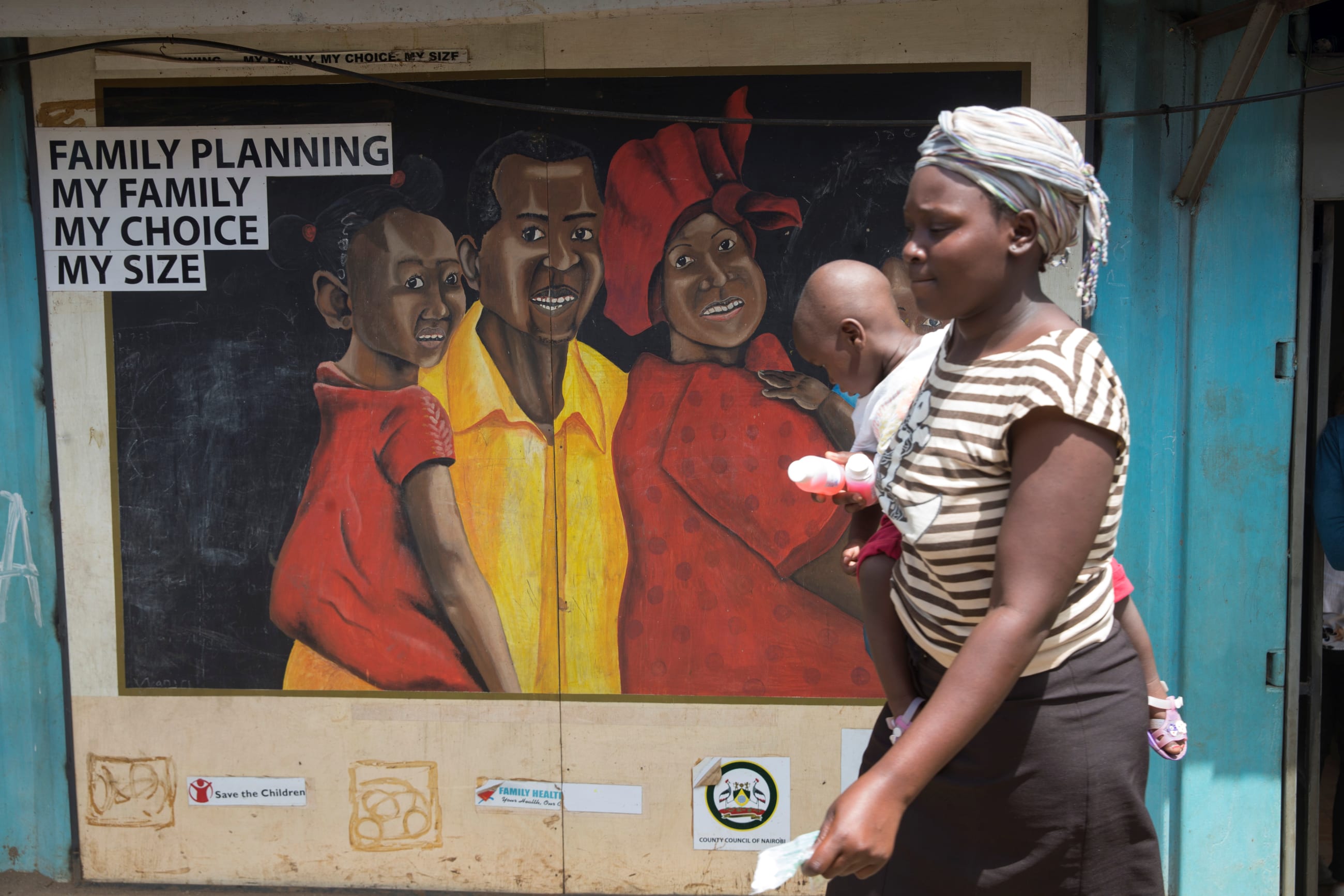
These gains did not emerge from vertical donor interventions alone, but also from health systems organized around ubuntu principles of collective responsibility and inclusive community. Rwanda's postgenocide contraceptive use rose rapidly, increasing from 17% in 2005 to 52% in 2010 and reaching 64% in 2020. This deliberate restructuring embedded family planning within a coordinated public service delivery system in which community health workers and nurses performed complementary roles. Family planning was routinely integrated into maternal and child services, reinforced by sustained government-led mobilization and demand generation.
Ethiopia's provision of free maternal and family planning services through its primary health-care system similarly operationalized the principle that health is a communal obligation. Kenya's 2020 Universal Health Coverage Policy explicitly linked reproductive health access to equity and inclusion, recognizing that maternal mortality reflects the highest socioeconomic inequality across health indicators.
Research demonstrates that family planning programs delivered through community health worker networks achieved substantially higher contraceptive prevalence, particularly when facility-based services are limited. This effectiveness is derived from community trust: health workers selected from within villages, trained to bridge biomedical and traditional knowledge, and accountable to communal governance structures rather than distant bureaucracies. In Kigali, Rwanda, a community health worker–led referral and counseling intervention linked to government clinics generated 7,712 referrals and was associated with a doubling of average monthly intrauterine device (IUD) insertions and a near tripling of average monthly implant insertions. The results demonstrate how community-embedded platforms translate demand generation into measurable uptake.
From a legal perspective, when courts in Kenya and South Africa and legislatures in Benin and Ethiopia expanded and upheld abortion rights, they recognized that denying access to women—such as those who survived sexual assault, faced fetal abnormality incompatible with life, or whose health was threatened—violated the principle that all community members deserve full recognition of their humanity.
Previous iterations of the Global Gag Rule have already interfered with essential gains. The Guttmacher Institute documents that the 2017 to 2019 Global Gag Rule period in Uganda disrupted sexual and reproductive health service delivery across health facilities, affecting the provision of family planning services and the organizational capacity that supports them. Additionally, recent reporting indicates that U.S. aid cuts have forced the closure of 1,394 family planning clinics globally, including 1,175 closures in Africa, weakening clinic networks that deliver contraception and related care.
The expanded Global Gag Rule threatens not only the continuation of donor funding but also the organizational infrastructure that enabled these gains. By prohibiting DEI programming, the policy dismantles the communal accountability structures, inclusive governance mechanisms, and equity-oriented service delivery models that made reproductive justice advances possible.
The Political Meaning of the Expansion: A Coercive Test of African Institutional Identity
The PHFFA will require organizations to demonstrate compliance across their institutional operations to remain eligible for U.S. financial assistance. Enforcement operates through grant review discretion, anticipatory compliance, and political interpretation of ideological risk during funding cycles. Under such conditions, ambiguity in legal language does not mitigate the effect; it encourages organizations to restructure governance, partnerships, and priorities in ways that preempt potential disqualification. The policy thereby regulates not only what institutions do, but also how they are constituted and whom they recognize as legitimate participants in health systems.
This forces a false choice: accept resources, but only if African institutions suppress equity-oriented governance, silence inclusion, and treat community accountability as an ideological risk. Yet these prohibited principles describe the architecture of legitimate health systems in many African contexts. Rwanda's imihigo performance contracts link district health funding to measurable equity-based outcomes. South Africa's equity-driven National Health Act anchors access and fairness in the organization and delivery of services. Kenya's Community Health Strategy institutionalizes the community-level platform as part of the health system. These are all domestically designed, locally grounded frameworks whose core logic the PHFFA now treats as a funding disqualifier.
In effect, the policy functions as a coercive test of African public health governance, demanding compliance not only in spending, but also in organizational design, partnerships, and public reasoning. It is an attempt to govern African health systems through grant-based leverage. This is a strategic miscalculation. It assumes that Africa can be negotiated with as fragmented recipients, that institutions can be isolated and disciplined, one grant at a time. That assumption needs to be overturned. If external conditionality now targets the foundational principles of equity, communal accountability, and participatory governance through which African states design, finance, and deliver health systems, then Africa needs to respond at the same level. That response is regional solidarity, not as fragmented accommodation, but as a necessary counterweight.
The expansion of the Global Gag Rule is precisely why Africa should consolidate through pooled financing, joint procurement of reproductive commodities, and coordinated legal and diplomatic positioning. It reveals that dependence cannot function as a health strategy when external actors can abruptly redefine lifesaving services and destabilize established delivery systems. The response cannot stop at a complaint or technical adaptation. It should take institutional form at the regional level, converting solidarity into durable capacity and collective bargaining power.