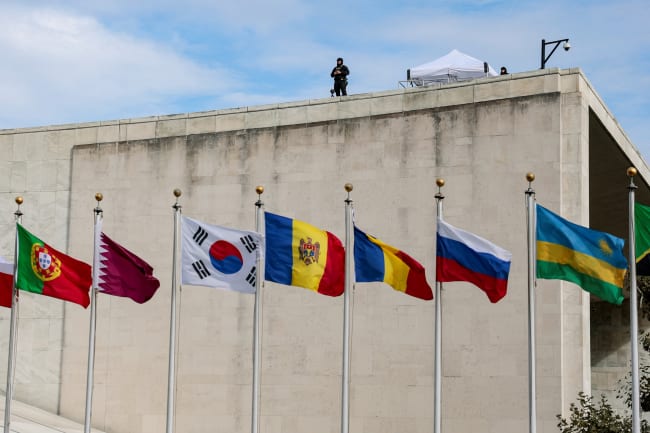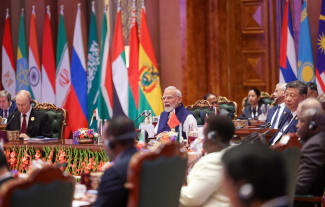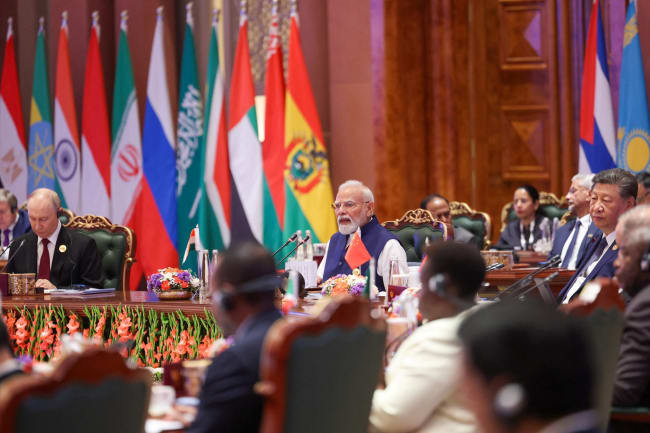
Much debate is swirling around global health architecture. From the UN80 Initiative and the reshaping of the World Health Organization (WHO) following severe funding cuts to the Accra Reset and the Lusaka Agenda, policymakers are exploring how to build a system that is more efficient, coherent, focused on country-level impact, and financially sustainable.
Yet in these important conversations, the health and rights of women, children, and adolescents are not center stage. This is not simply a matter of wording; it is a matter of political priority. What is not clearly named is rarely protected in practice.
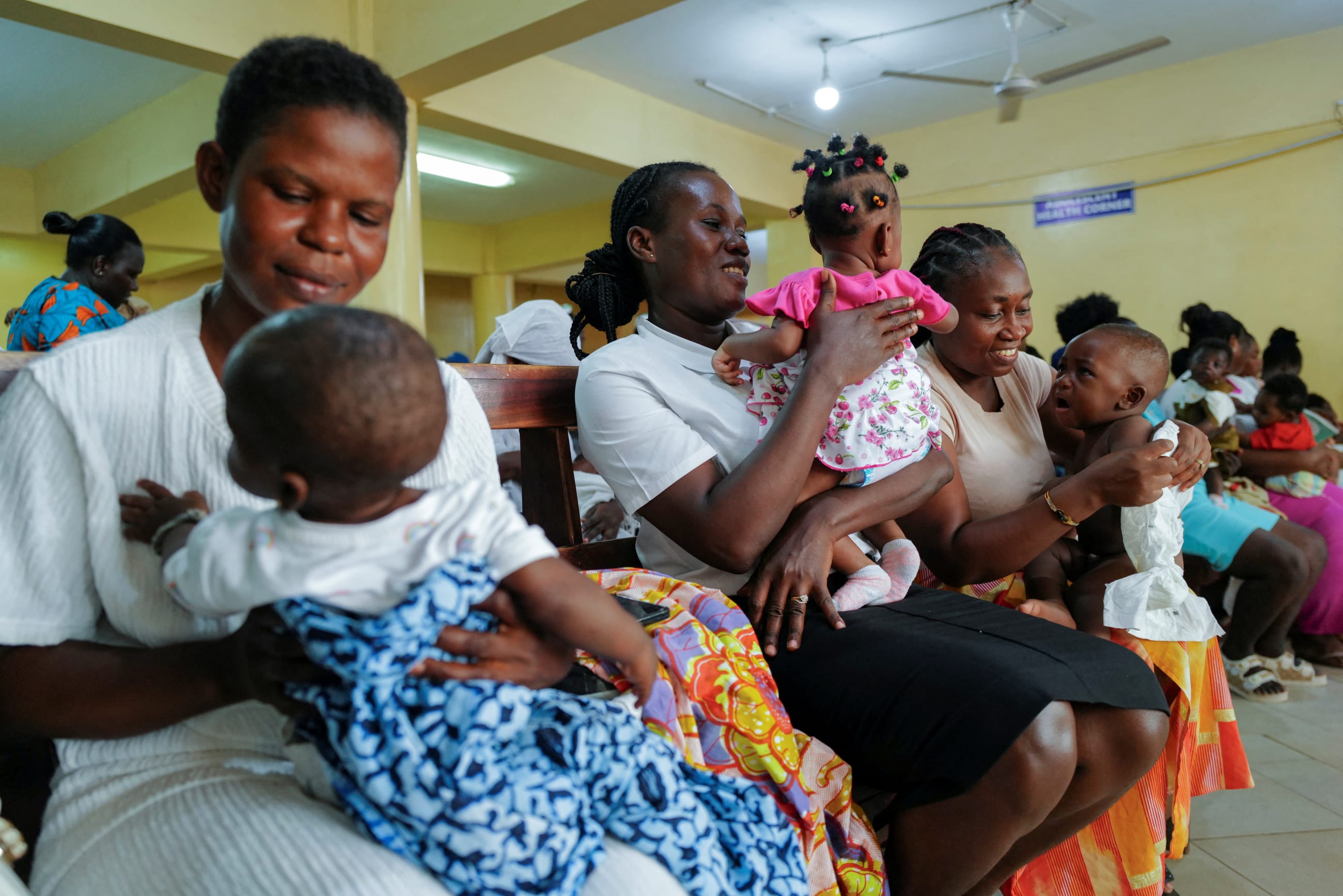
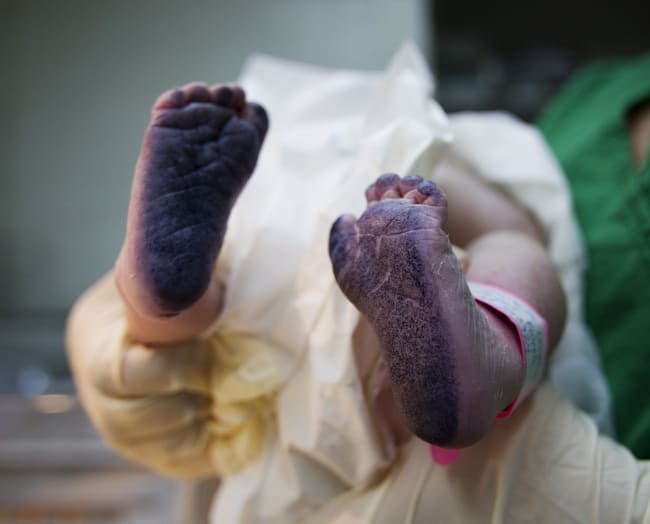
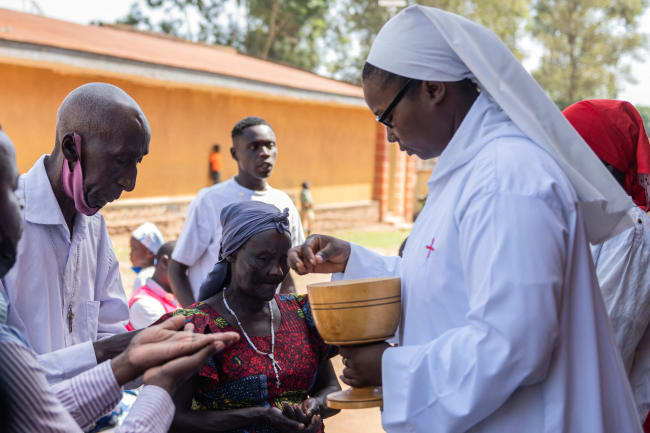
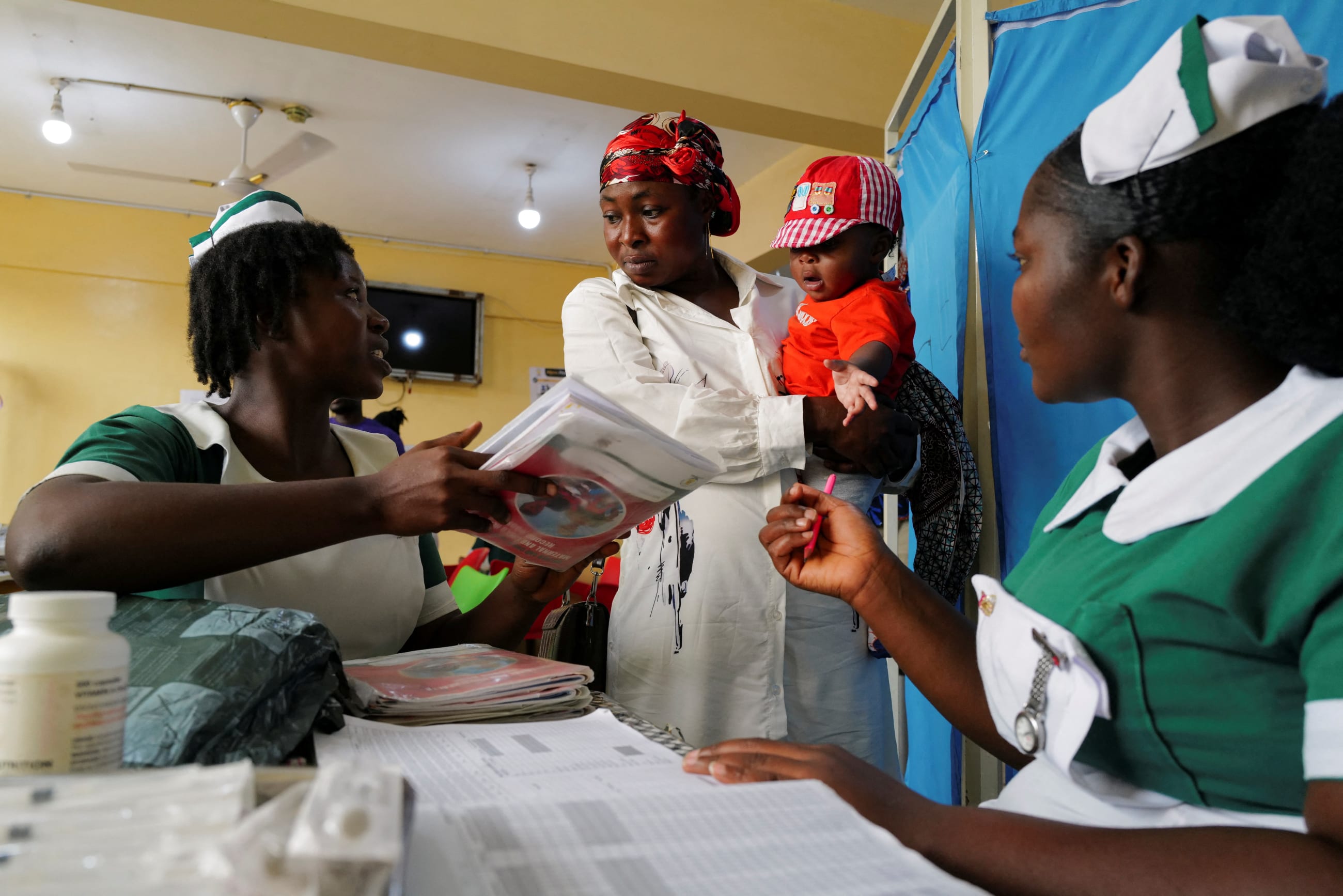
There are many challenges to achieving health for all women, children, and adolescents (WCAH). In 2023, approximately 260,000 women died during or following pregnancy and childbirth; 92% of those deaths occurred in low- and lower-middle-income countries. Annually, 4.9 million children die before their fifth birthday, and adolescent pregnancy remains widespread, particularly in low- and middle-income settings. Ensuring their survival and well-being is not a niche concern—it is a test of system effectiveness.
Reform Efforts and Persistent Gaps
Today's reform agenda is shaped by compelling principles—of equity, primary health care, country ownership, governance coherence, and sustainable financing. These priorities are important, but WCAH and sexual and reproductive health and rights (SRHR) need to be explicitly centered in them. As institutions adapt to tightening resources and make structural change, the absence of clear safeguards for WCAH and SRHR risks sidelining those most vulnerable.
Let's take a leaf from the book of the Joint Political Declaration on the Reform of the Global Health Architecture, which was adopted in April by the Group of Seven (G7) in Lyon, France. It explicitly reaffirmed sexual and reproductive health and rights as a core component of global health architecture reform, highlighting the importance of making such commitments operational in practice.
African Leadership and Sovereign Health Systems
The Accra Reset is a significant and welcome contribution to the global health and development debate, emphasizing sovereignty, domestic financing, and accountability, and advocating a shift away from externally imposed priorities.
Yet this reset, too, needs to include explicitly the right of women and girls to survive pregnancy, access the full range of sexual and reproductive health services, and exercise bodily autonomy. Sub-Saharan Africa accounts for 70% of maternal deaths globally.
The Lusaka Agenda: From Commitment to Implementation
The five policy shifts called for by the Lusaka Agenda—strengthened primary health care, increased domestic financing, equity in outcomes, strategic coherence, and coordinated approaches to health products and research—reflect priorities long championed by WCAH advocates. The agenda also acknowledges the role of the Global Financing Facility for Women's, Children's and Adolescents' Health.
But alignment in principle is not the same as protection in practice. Primary health care means little for women if the services that can save their lives—antenatal care, skilled birth attendance, postnatal care, family planning, safe abortion care, and adolescent-responsive services—are not clearly defined, financed, and monitored.
Efficiency Must Not Come at the Cost of Equity
This is why the language of "efficiency" and "reduced fragmentation" must be handled with care. For many communities, dedicated WCAH and SRHR financing streams have not been bureaucratic excess; they have been a corrective to chronic neglect. Maternal health, adolescent health, reproductive commodities, and community-led accountability mechanisms must be safeguarded when systems and services are being streamlined. In an era of fiscal pressure, omission does not produce neutrality; it can produce retrenchment by default.
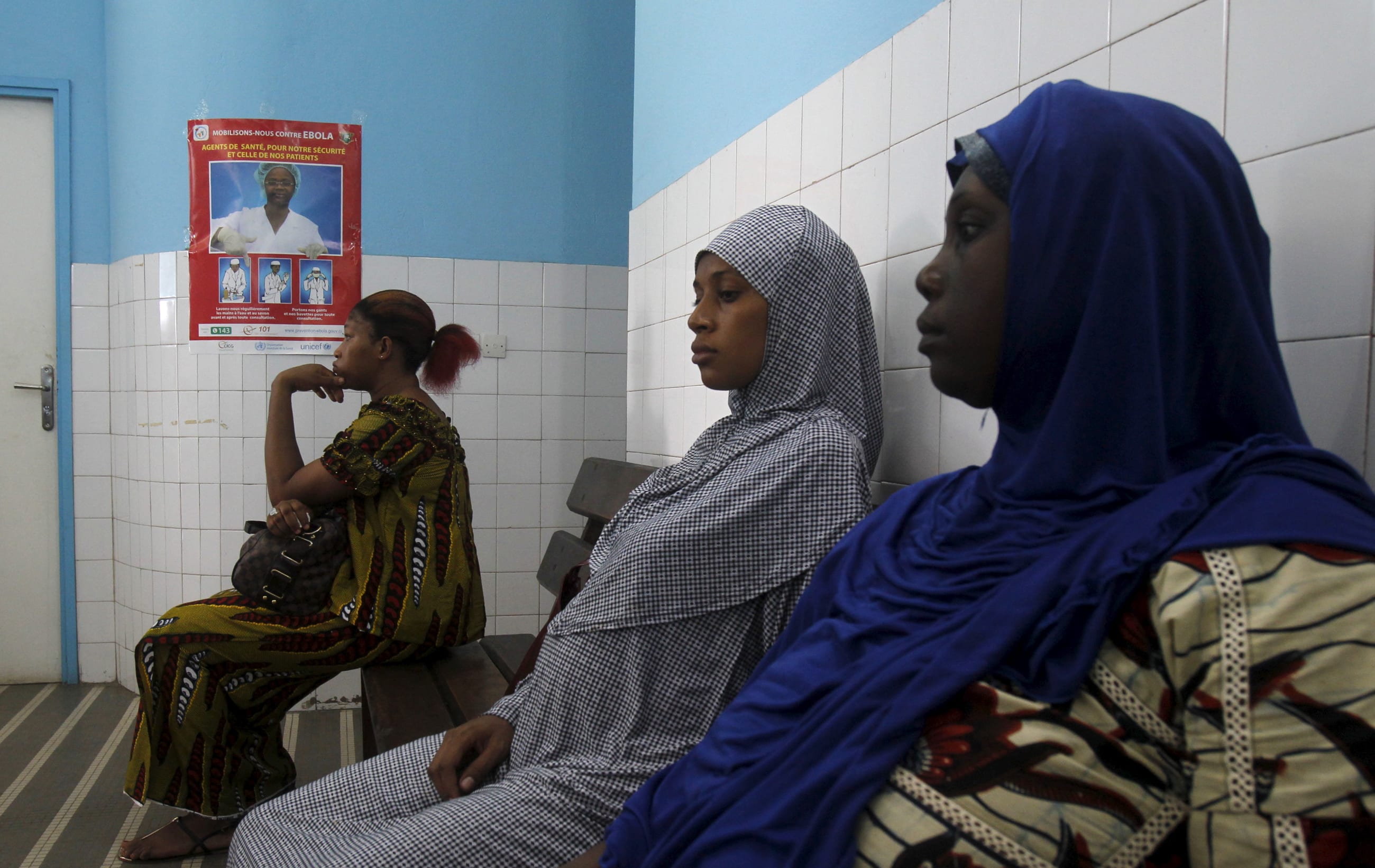
Recent trends underscore this risk. Declining global health financing and institutional restructuring have exposed the fragility of gains achieved over decades. Evidence from multiple countries points to health program downsizing, workforce reductions, and disruptions in essential services, particularly in sexual and reproductive, maternal, newborn, child, and adolescent health. A coalition backed by 525 organizations and 93 individuals has already called for safeguards to ensure that SRHR is not diluted in the UN80 reform process.
Those warnings should not be treated as sectoral lobbying. They are early indicators of systemic vulnerability.
A Diagnostic of System Effectiveness
Women's, children's, and adolescents' health should be understood not as one set of issues among many but as a diagnostic of whether reform is meaningful. Preventing maternal deaths requires skilled health workers, functioning supply chains, emergency referral systems, and rights-based accountability. Reducing adolescent pregnancy requires access to education, contraception, and legal protection. Preventing neonatal and child mortality depends on quality antenatal, intrapartum, postnatal, nutrition, and immunization services.
When WCAH outcomes deteriorate, the causes are rarely technical alone; they are also political, fiscal, and institutional.
Four Priorities for Inclusive Reform
A credible reform agenda should now do four things:
First, it should explicitly name women's, children's, and adolescents' health, and sexual and reproductive health and rights, in reform frameworks instead of just assuming that they are covered by generic references to equity or primary health care.
Second, it should protect financing for essential WCAH and SRHR services, commodities, data systems, and community-led accountability, especially during institutional restructuring.
Third, it should guarantee representation and accountability, ensuring that affected constituencies, including youth, women-led organizations, and Global South civil society, have seats in governance and that progress is measured through sex-, age-, and rights-sensitive indicators.
Fourth, it should preserve normative and operational capacity in institutions and partnerships that have sustained WCAH and SRHR progress over decades, instead of assuming that these functions will survive consolidation automatically.
The True Test of Reform
The current global health system needs an overhaul. Efforts to strengthen sovereignty, increase domestic financing, and improve institutional coherence are necessary.
Reform will fall short, however, if it merely assumes the prioritization of women's, children's, and adolescents' health without explicitly safeguarding it.
A reformed architecture that is more streamlined but less capable of protecting a woman in childbirth, a girl seeking contraception, or a newborn in need of timely care is not progress—it is regressive, and it is deadly.
The question before policymakers is not whether women's, children's, and adolescents' health belongs within the new architecture. It is whether the architecture will be designed around it. That is the challenge to would-be reformers now.