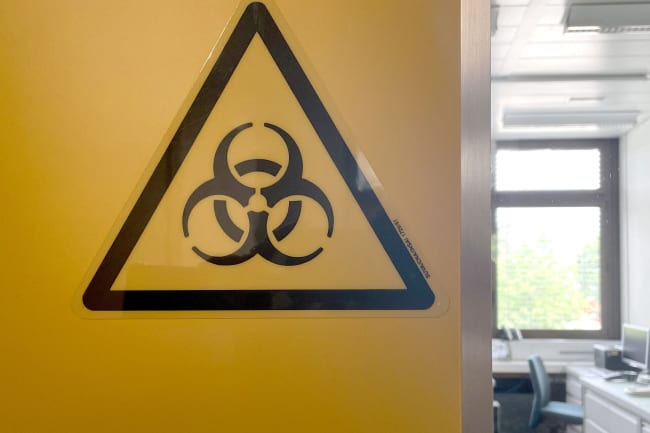
Coordinating responses across all levels of government could help prevent biological accidents and safeguard national security in the face of biothreats
Building on the success of projects like Mikoko Pamoja, Kenya is working to regulate its carbon market to address past controversy and secure community gains
Gene drives could be transformational for the malaria response, but countries need evidence to weigh the benefits over the risks
The push to split the measles-mumps-rubella vaccine into separate shots could have a ripple effect on global markets
More than 500,000 young people have opioid use disorder, but data shows many aren't getting buprenorphine, a medication proven to reduce overdose deaths
Former FDA officials reflect on the dangers of Donald Trump's new "Gold Standard" executive order on vaccines, which fragments the childhood immunization schedule
As Japan seeks to attract foreign workers, the government should address its health system's language barriers, cultural misunderstandings, and structural challenges
After a record-breaking month for missile strikes in Ukraine, Lithuanian medical professionals are learning the basics of war medicine to prepare for a possible attack
According to food microbiologist Lee-Ann Jaykus, climate change and funding cuts could lead to greater risk of foodborne disease
Negotiating access, earning trust, and building a tightly coordinated response are essential to stopping transmission, according to two advisors of Guinea's 2014-16 Ebola response
As global health financing shifts toward country self-reliance, emphasis on principles like measurement and accountability can guide implementation
Religious actors can help reduce the fear and mistrust surrounding the Ebola outbreak, and deliver health-care services directly