On January 27, the Trump administration finalized a new set of sweeping restrictions on U.S. foreign assistance under the banner of "human flourishing." Akin to earlier iterations of the Mexico City Policy, this initiative conditions U.S. aid on compliance with ideological restrictions related to abortion. But the new rules, which were never open to public comment despite the usual 30-to-60-day comment period for similar rules, go much further. In scope, scale, and ambiguity, it represents the most expansive—and potentially disruptive—version of ideological restrictions on foreign aid to date.
Formally titled the Promoting Human Flourishing in Foreign Assistance (PHFFA) Policy, scheduled to go into effect on February 26, the new framework applies to a far broader range of recipients, covers vastly more funding, and extends funding prohibitions onto policy areas—related to gender identity, diversity, equity, and inclusion—that are difficult to operationalize.
PHFFA applies not just to global health funding but to all non-military U.S. foreign assistance, approximately $30 billion annually
Crucially, PHFFA applies not just to global health funding but to all non-military U.S. foreign assistance, approximately $30 billion annually—or 50 times more than what was covered by the original Mexico City Policy. The new rule also expands the universe of affected recipients to include not only foreign nongovernmental organizations (NGOs) but also international organizations, U.S. NGOs, and foreign governments, though the precise restrictions vary by type of funding recipient.
At best, the rules will waste U.S. taxpayer dollars and impede the administration's ability to implement its America First Global Health Strategy. At worst, the policy will cost lives, stall progress against key global health challenges including HIV/AIDS, and further damage U.S. credibility with key partners—particularly across Africa.
From Helms to Mexico City: A Brief History
To understand the significance of this shift, it helps to start with what has not changed. Since 1973, the Helms Amendment to the Foreign Assistance Act has prohibited the use of U.S. foreign assistance to pay for abortions "as a method of family planning" or to coerce anyone to have an abortion. That restriction has been continuous for more than 50 years. President Ronald Reagan first introduced the Mexico City Policy—often dubbed the Global Gag Rule—in 1984. Unlike Helms, which governs how U.S. funds could be spent, the Mexico City Policy went further by restricting what organizations receiving U.S. family-planning funds could do with money from any source. Organizations agreeing to the policy pledged not to provide abortions or even discuss abortion as a method of family planning, regardless of whether U.S. funds were involved.
Since 1984, Democratic administrations have rescinded the Mexico City Policy, and Republican administrations have reinstated it. The underlying disagreement has not been about whether U.S. funds should pay for abortions—they cannot—but whether the U.S. government should also restrict—or gag—the activities and speech of foreign organizations using non-U.S. resources.
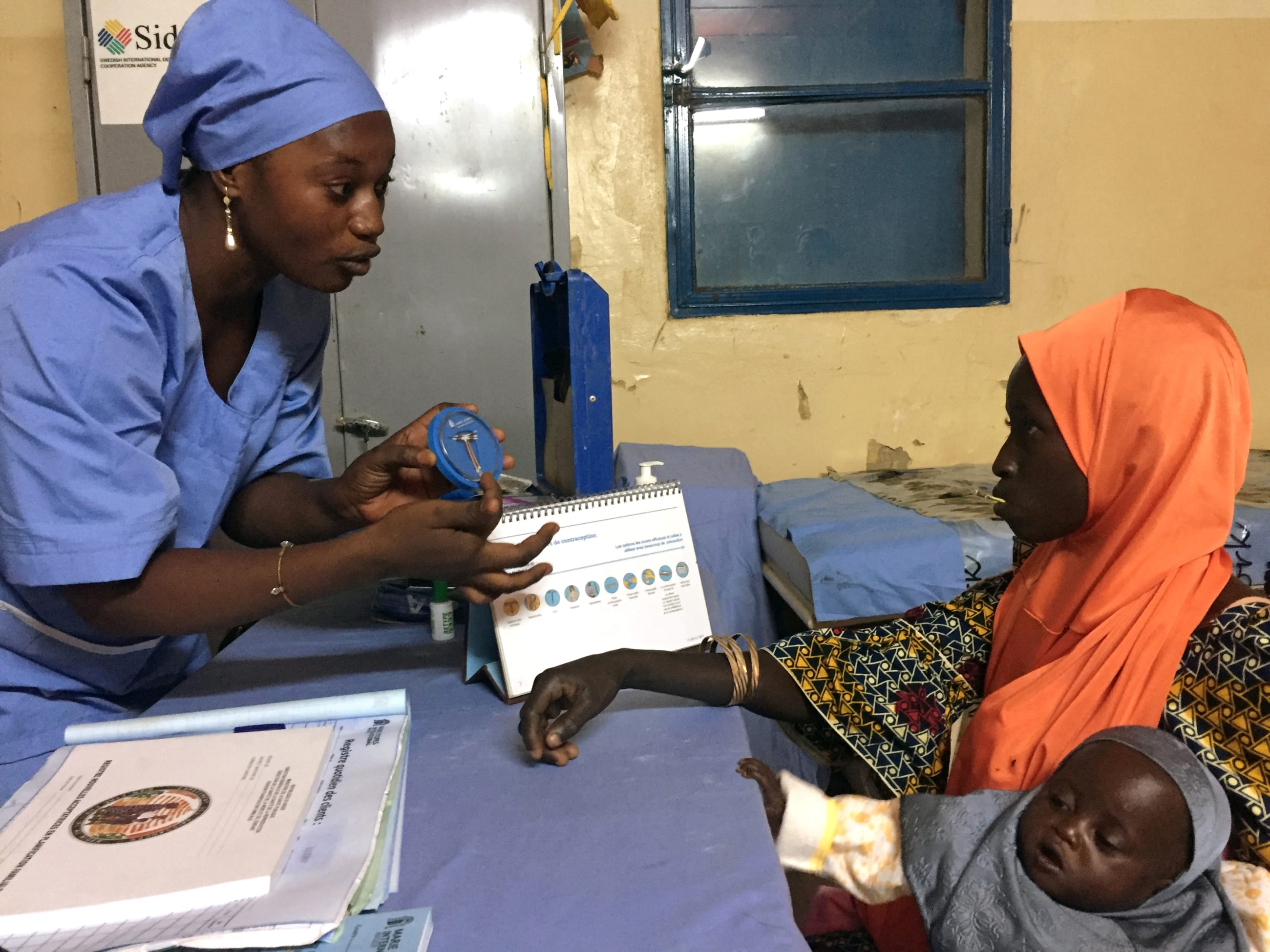
Until recently, the Mexico City Policy's scope was relatively narrow. It applied primarily to non-U.S. organizations receiving U.S. family-planning funding, which has hovered around $600 million annually. Even so, research consistently found that the policy disrupted health services well beyond abortion [PDF]. Countries subject to the policy experienced declines in contraceptive use, increases in unintended pregnancies, deterioration in maternal and child health, and—in a central irony—increases in abortion rates, as organizations withdrew from U.S.-funded programs or curtailed integrated services.
The first Trump administration dramatically expanded the policy by rebranding it as Protecting Life in Global Health Assistance (PLGHA) and applying it to all U.S. global health funding—about $7.3 billion in fiscal year 2020. This forced a much broader set of organizations, including large-scale HIV and maternal health implementers, to either sign the pledge or restructure their activities to comply.
The Second Trump Administration's Expansion
The new PHFFA policy represents an order-of-magnitude expansion on previous versions and has three components:
- Protecting Life in Foreign Assistance (PLFA), which closely mirrors the previous abortion-related restrictions;
- Combating Gender Ideology in Foreign Assistance (CGIFA), which introduces new limits on activities related to gender identity; and
- Combating Discriminatory Equity Ideology in Foreign Assistance (CDEIFA), which imposes restrictions on an ill-defined set of diversity, equity, and inclusion–related approaches.
The State Department estimates that compliance will impose a one-time cost of roughly $16 million and recurring annual costs of $114 million for training and monitoring. These figures likely underestimate the real burden, particularly given the dismantling of the U.S. Agency for International Development (USAID) capacity that previously supported oversight and technical guidance. It remains unclear who will interpret ambiguous provisions, adjudicate compliance disputes, or conduct meaningful monitoring.
Abortion Restrictions and National Sovereignty
Notably, the administration does not anchor the PHFFA policy in its America First Global Health Strategy. Instead, the proposed rule asserts that the policy is necessary to advance U.S. foreign policy goals reflected in the Geneva Consensus Declaration on Promoting Women's Health and Strengthening the Family. Despite its name, the Geneva Consensus Declaration was neither adopted in Geneva nor reflective of global consensus. Launched during the first Trump administration, it has been endorsed by roughly 40 countries, many of which rank among the lowest globally on measures of women's health and well-being. Even so, the declaration explicitly states that abortion policy decisions should be determined "at the national or local level according to the national legislative process."
That emphasis on national sovereignty aligns with longstanding U.S. law, including the 1981 Siljander Amendment, which prohibits the use of certain foreign assistance funds to lobby for or against abortion. Yet previous expansions of the Mexico City Policy—including under the first Trump administration—frequently imposed restrictions that were inconsistent with recipient countries' laws. In fiscal year 2016, more than half of countries [PDF] receiving U.S. bilateral global health assistance permitted legal abortion in circumstances broader than those allowed under U.S. foreign assistance policy. The PHFFA continues this pattern, substituting U.S. ideological priorities for domestic legal frameworks—precisely the approach the administration's global health strategy purports to reject.
Gender Ideology Restrictions
The new policy targets what it calls "radical gender ideology," a loosely defined term that appears to encompass any activity acknowledging the existence of transgender people or providing them with gender-affirming care. Some prohibitions are relatively explicit, such as restrictions on "conducting or subsidizing sex change surgeries." Others are far broader, including bans on "using or teaching sex education materials that include gender ideology."
For U.S. NGOs and foreign governments, these restrictions apply only to the use of U.S. funds. But for non-U.S. NGOs and international organizations, the restrictions apply to all activities, regardless of funding source. In practice, this amounts to a requirement that multilateral organizations receiving U.S. assistance refrain entirely from acknowledging or serving trans populations—even with funding from other donors. This expansion raises serious ethical, legal, and operational concerns, particularly for organizations committed to evidence-based care and accountable to multiple governments and donors.
Equity Restrictions and the Logic of Public Health
The third pillar of PHFFA targets what the administration labels "discriminatory equity ideology," defined as "an ideology that treats individuals as members of preferred or disfavored groups, rather than as individuals, and minimizes agency, merit, and capability in favor of generalizations."The policy specifically calls out activities that favor groups based on race, color, religion, sex, or national origin.
Decisions about which activities violate this policy would be subjective at best. In practice, it is difficult to envision how public health programs could comply without abandoning core principles of effectiveness. For example, is it permissible for maternal health programs to target pregnant women, given that this involves sex-based targeting? Can refugee programs tailor services by language or nationality? Are faith-based organizations allowed to conduct outreach through religious institutions?
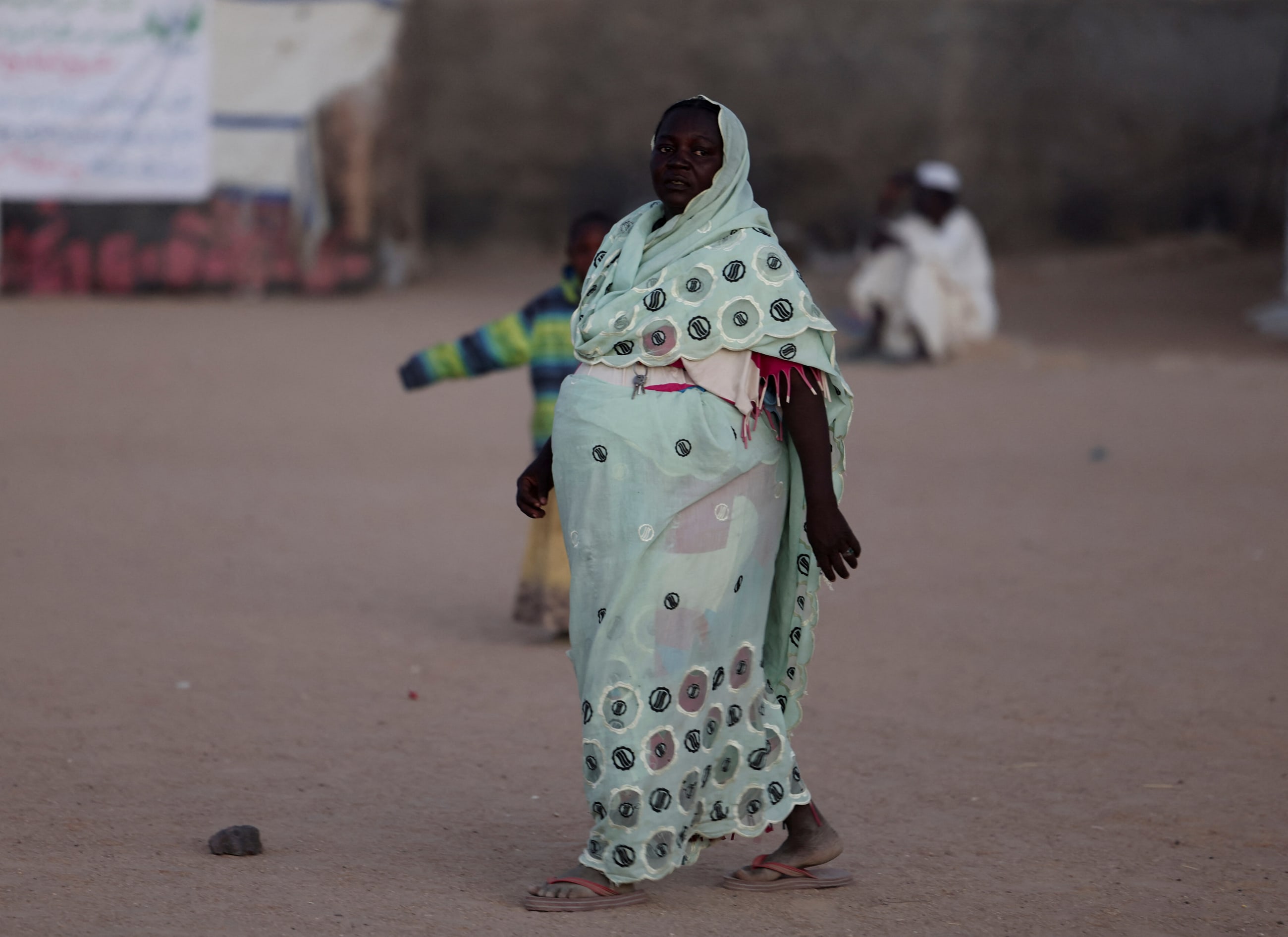
Most consequentially, U.S. global health programs—including the President's Emergency Plan for AIDS Relief (PEPFAR)—routinely focus outreach on "key populations" at elevated risk, such as men who have sex with men, sex workers, adolescent girls, and young women. These strategies are not ideological; they are driven by epidemiological evidence and cost-effectiveness. Under PHFFA, it is unclear whether such targeted outreach remains allowable.
Consequences for Global Health Outcomes
The empirical record on prior versions of the Mexico City Policy is clear. Beyond the direct effects on health services that are not permitted, a persistent challenge has been confusion over the rules, leading to a chilling effect in which organizations curtail permissible services out of fear of noncompliance. In the past, this effect has extended to PEPFAR implementers, undermining one of the most successful global health initiatives in U.S. history.
Research from Africa and Latin America shows that the expanded policy under the first Trump administration disrupted integrated family-planning and HIV services, undermining progress across multiple health domains, including access to contraception, maternal and child mortality, and HIV incidence.
The risks under PHFFA are significantly greater. The policy's breadth, ambiguity, and ideological reach pose acute challenges for large implementing partners, including the Global Fund to Fight AIDS, Tuberculosis and Malaria, which must balance U.S. requirements against commitments to other donors and affected communities. Compliance would require a fundamental departure from established operating principles and could jeopardize progress toward ambitious targets, including PEPFAR's 95-95-95 goals, which explicitly depend on reaching specific cohorts and key populations.
Beyond individual programs, PHFFA directly contradicts the administration's America First Global Health Strategy. That strategy rightly criticized the fragmentation and inefficiency of donor-driven vertical programs and called for greater country ownership, integration into national health systems, and reduced reliance on external technical assistance. Yet PHFFA pulls in the opposite direction. By imposing ideologically driven conditions that often conflict with national laws and policies, it forces governments and implementers to choose between aligning with U.S. political priorities and creating parallel systems to preserve compliance. This reasserts donor control, fragments service delivery, and undermines the very country ownership the strategy aims to advance.
The contradiction is stark: How are countries meant to navigate conflicting directives from U.S. strategy documents and U.S. funding rules? How should organizations reconcile national law, obligations to other donors, and PHFFA requirements? In the absence of USAID's experienced staff, how will the U.S. government even assess compliance in a meaningful way?
Why Do It?
If PHFFA undermines public health outcomes, contradicts stated strategy, further weakens U.S. soft power, and imposes hundreds of millions of dollars in costs on U.S. taxpayers, why would the Trump administration pursue it?
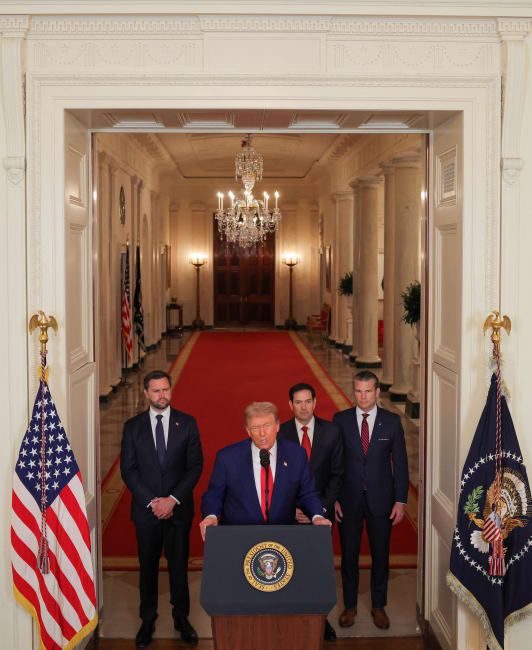
Part of the answer is political theater. The policy provided a timely announcement for Vice President J.D. Vance at last week's March for Life in Washington and echoes the administration's domestic policies on trans rights and diversity, equity, and inclusion. More broadly, the policy reflects a consistent approach to foreign engagement under President Donald Trump: prioritizing ideological assertion and leverage over strategic alignment and long-term influence.
In this case, leverage takes the form of conditioning lifesaving assistance on adherence to the beliefs of a narrow set of U.S. political leaders. Governments, NGOs, and international organizations are told that access to American taxpayer dollars requires conformity—not to evidence-based practice or national law, but to U.S. domestic ideology. That is not a strategy for advancing global health or building durable partnerships. This is an exercise of power for its own sake, coming at the expense of the very lives and relationships U.S. foreign assistance is meant to protect.