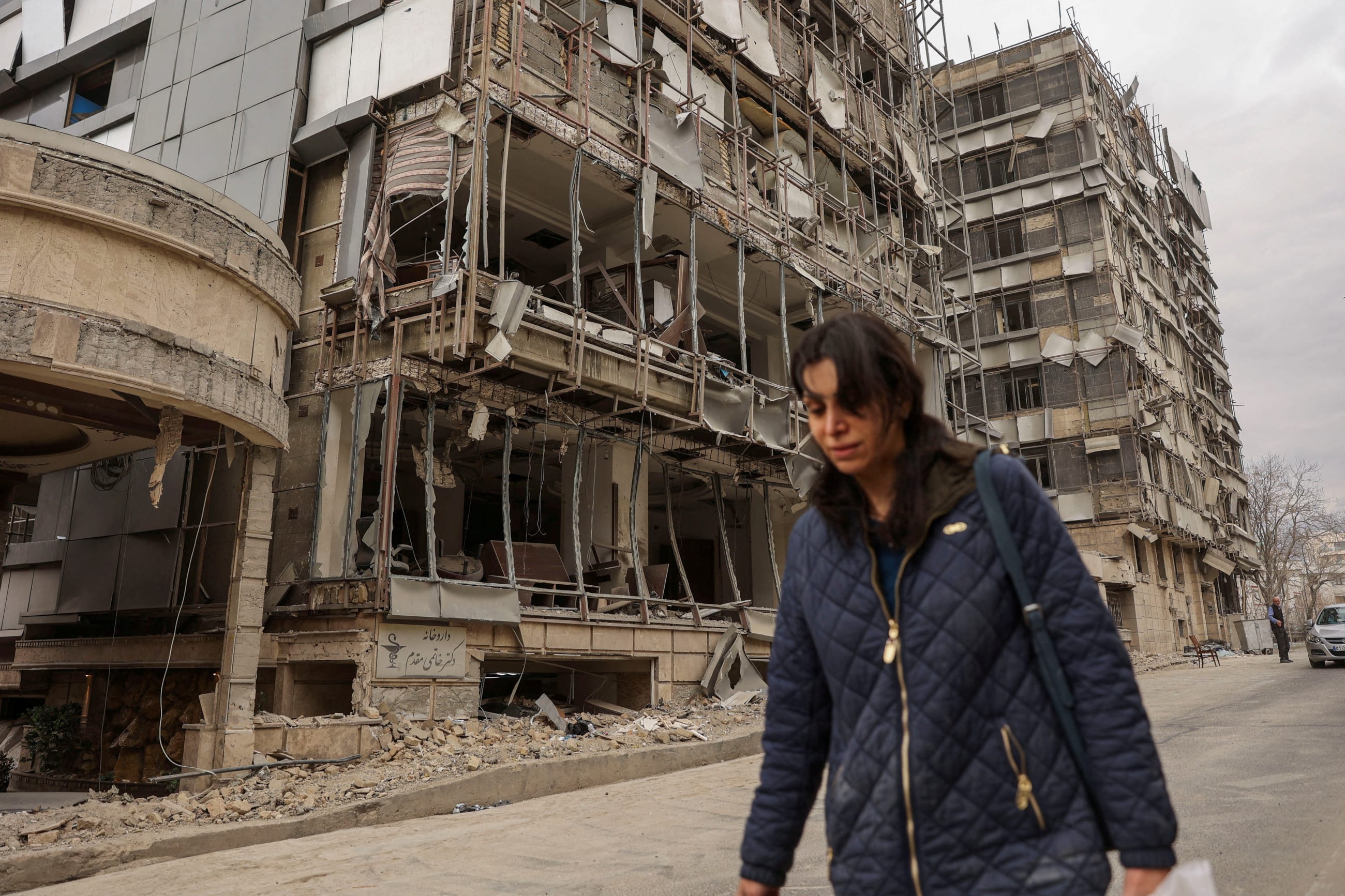
On February 28, 2026, the United States launched a large-scale offensive against Iran, which could precipitate severe humanitarian consequences. Conflict shatters health systems first. Violence can cause vaccination programs to collapse, maternal and child health care to suffer, and chronic illnesses to go untreated. Emergency response capacity erodes quickly.
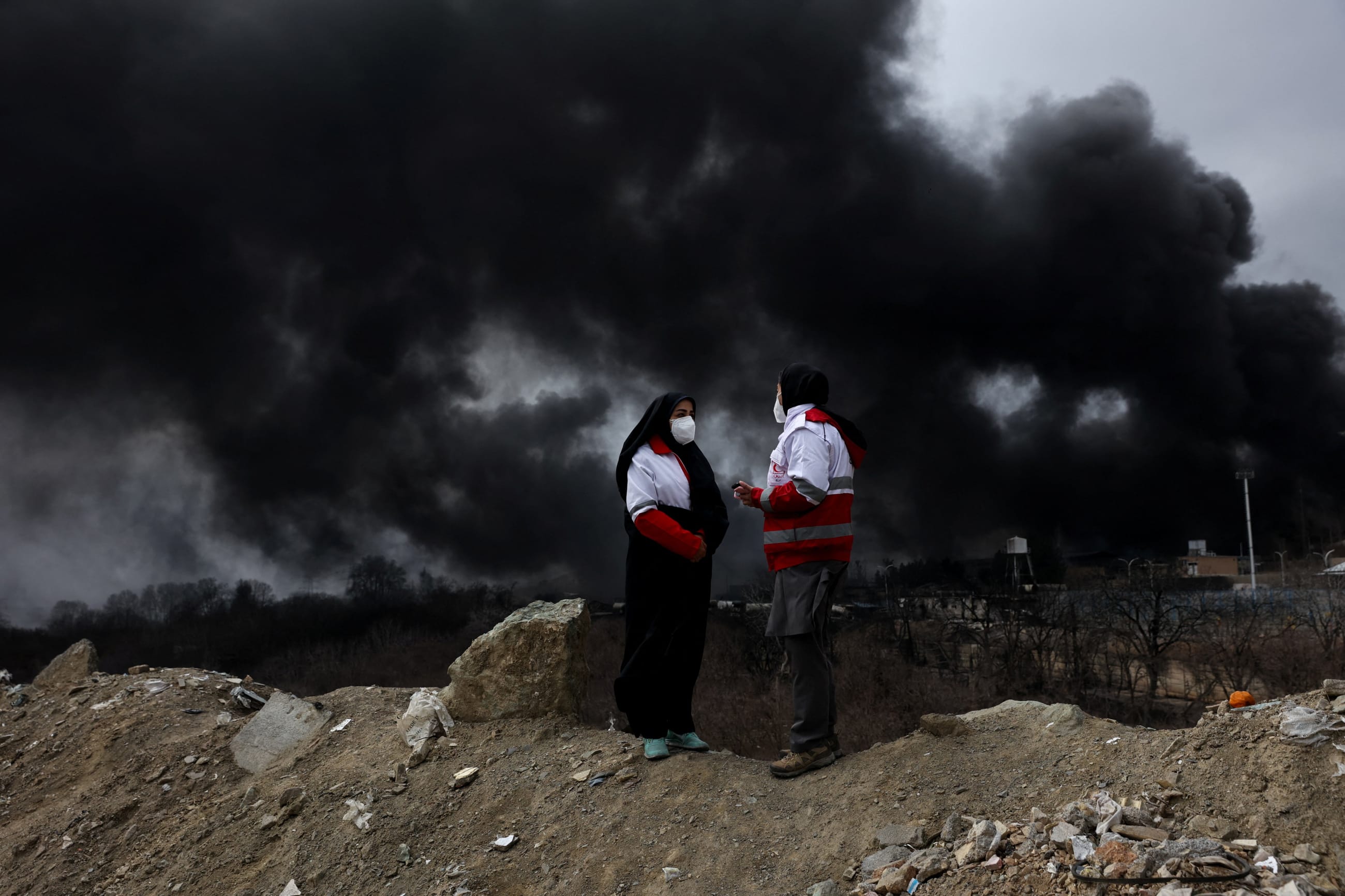
Since the beginning of the conflict, 18 attacks against health-care sites have occurred in Iran as of March 11, and another 25 have occurred in Lebanon. Casualties number in the thousands. Strikes on desalination plants and oil refineries threaten access to potable water and have created environmental hazards that endanger civilian health.
The war has sent shockwaves through the region's health infrastructure. In Dubai, operations at the World Health Organization logistics hub for global health emergencies are on hold due to insecurity in the region. Humanitarian supply chains are jeopardized by limited access to the Strait of Hormuz. Polio laboratory supplies are late to arrive in Afghanistan and Pakistan, where the disease is endemic. More than 50 emergency supply requests from 25 countries, as well as medicines destined for the Gaza Strip, are also on hold.
In a region as interconnected as the Gulf, public health breakdowns do not respect borders. Disease outbreaks, medicine shortages, and overwhelmed hospitals become shared risks. This tumult creates a powerful, if often overlooked, incentive for cooperation—even between adversaries. Health diplomacy offers a useful and proven model. Cooperation on health and humanitarian issues has long served as means for adversaries to work together when politics make broader engagement impossible.
In recent years, health diplomacy policy in Gulf Cooperation Council (GCC) countries has focused on funding international vaccine efforts, financing emergency medical responses, and sending mobile medical units to conflict areas. These policies have helped strengthen health systems while establishing cooperative pathways with global health bodies to provide humanitarian aid and address health crises.
These existing strategies could also provide a solid foundation for an Iranian-GCC health diplomacy initiative with a goal of continued cooperation even in times of crisis. The health diplomacy we propose in this commentary—facilitating people-to-people collaboration between Iranian and GCC medical scientists through potential science and health and science centers—would occur only after hostilities end. This proposal is about stopping conflict that degrades humanitarian conditions before it starts.
A History of Health Diplomacy as a Humanitarian Lifeline
Humanitarian ceasefires can allow interventions for at-risk populations, as negotiated in Gaza where 640,000 children were vaccinated for polio during a three-day pause in the conflict. Similar ceasefire examples occurred during Nigerian, Sudanese, and Central African Republic conflicts. But such short-term measures in active combat zones do not substitute for preventative health diplomacy.
One of the first significant examples of discrete health diplomacy was established by American and Soviet doctors during the height of the Cold War. This moment led not only to the licensing of the polio vaccine but collaboration that helped pave the way for treaties to reduce the threat of nuclear weapons. More important, the U.S.-Soviet exchanges provided a critical line of communication between the two sides at a time of deep suspicion and fear.
U.S.-Soviet physicians continued their cooperation by establishing the International Physicians for the Prevention of Nuclear War, which was awarded the Nobel Peace Prize in 1985. The group was recognized for fostering international cooperation and reducing nuclear dangers during the Cold War by educating the public and policymakers on the medical, environmental, and catastrophic consequences of nuclear warfare.
Health Diplomacy in the Middle East
Prior to the February 28 attack, Iranian physicians, nongovernmental organizations, and medical universities developed health diplomacy initiatives to engage GCC country institutions with nonpolitical, Track II diplomatic options supporting conflict mitigation and practical trust-building.
One option is the establishment of global health and science diplomacy centers in Qatar and Iran. These centers can serve as hubs for nonpolitical, Track II engagement, using unique regional expertise and international participation to focus on concrete, multitrack problem-solving. This could potentially expand cooperation in areas such as health science, medical systems reform, and the economics of health systems capacity and resilience, including mitigating environmental factors affecting public health.
These centers would facilitate joint research projects on health and science diplomacy to contribute to the global discourse and enforcement of peace-oriented actions and delivery of humanitarian aid. These projects remain viable, despite the current conflict—yet this will require political will from both sides and a strong focus on humanitarian issues to begin deconflicting hostilities throughout the region.
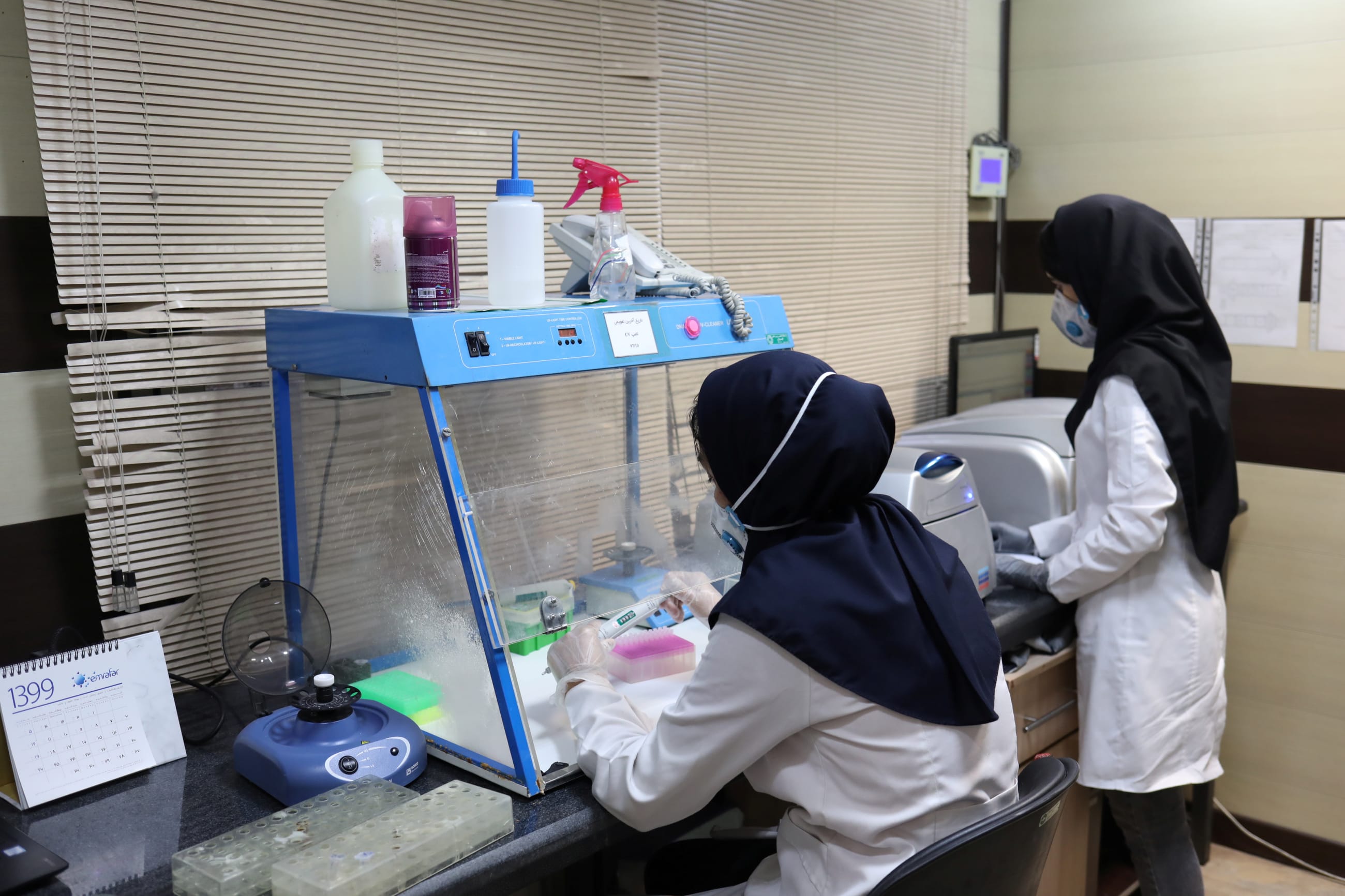
The projects also provide opportunities for Iranian doctors to continue their contributions to medical science in the tradition of Ibn Sina, known in the West as Avicenna, one of the most eminent Muslim physicians of the tenth century, who left a reverberant mark on Islamic and European medicine.
The Iranian-GCC health center and project proposals would allow for the focus to be on concrete problem-solving and risk reduction and bring together regional and international expertise in health and humanitarian response. Its mandate would be deliberately narrow and operational, designed to ensure practical coordination even during periods of heightened tension.
The Way Forward
In the past, Gulf states have focused on defending their territories without launching retaliatory attacks on Iran or becoming direct parties to the conflict. This tactic demonstrates their genuine intentions toward their neighbor. Their approach reflects a commitment to restraint, stability, and the principle of collective regional security. Rather than escalating tensions, this posture is something Iran should carefully reflect upon and hopefully encourage a shared effort toward collective regional security—one where the interests, stability, and prosperity of all Gulf nations are placed first.
The overarching goal for Iran-GCC health diplomacy is to sustain cooperation regardless of conflict dynamics or shifting political tensions, and to produce immediate outcomes that reduce the risk of future re-escalation.
As a first step, all parties in the current conflict should commit to refraining from attacks on hospitals and medical facilities, and to repairing and rebuilding Iranian medical infrastructure by using frozen assets or international support where appropriate. These terms would establish protocols for immediate trackable sanctions relief, which have been the sticking point for decades, as such relief provides the means for completing negotiations for dispersal of enriched material and cessation of all cross-border attacks.
Although sanctions relief protocols exist in the form of U.S. Office of Foreign Assets Control licenses for blocked humanitarian funds, the cumbersome, lengthy process needs to be replaced by one that can be expedited and monitored by GCC members, allowing for funds to be directly tied to the repair of damaged hospitals and providing a definitive way of tracking immediate sanctions relief across sectors.
The diagnosis is clear. War, humanitarian fragility, and economic vulnerability feed into one another with global repercussions. The treatment is equally clear: establish—through existing institutions and policies—an ongoing Iran-GCC Track II that is mutually respectful and focused on cooperation in health and medical science. This could provide the first step in rebuilding bridges and stopping hostilities.