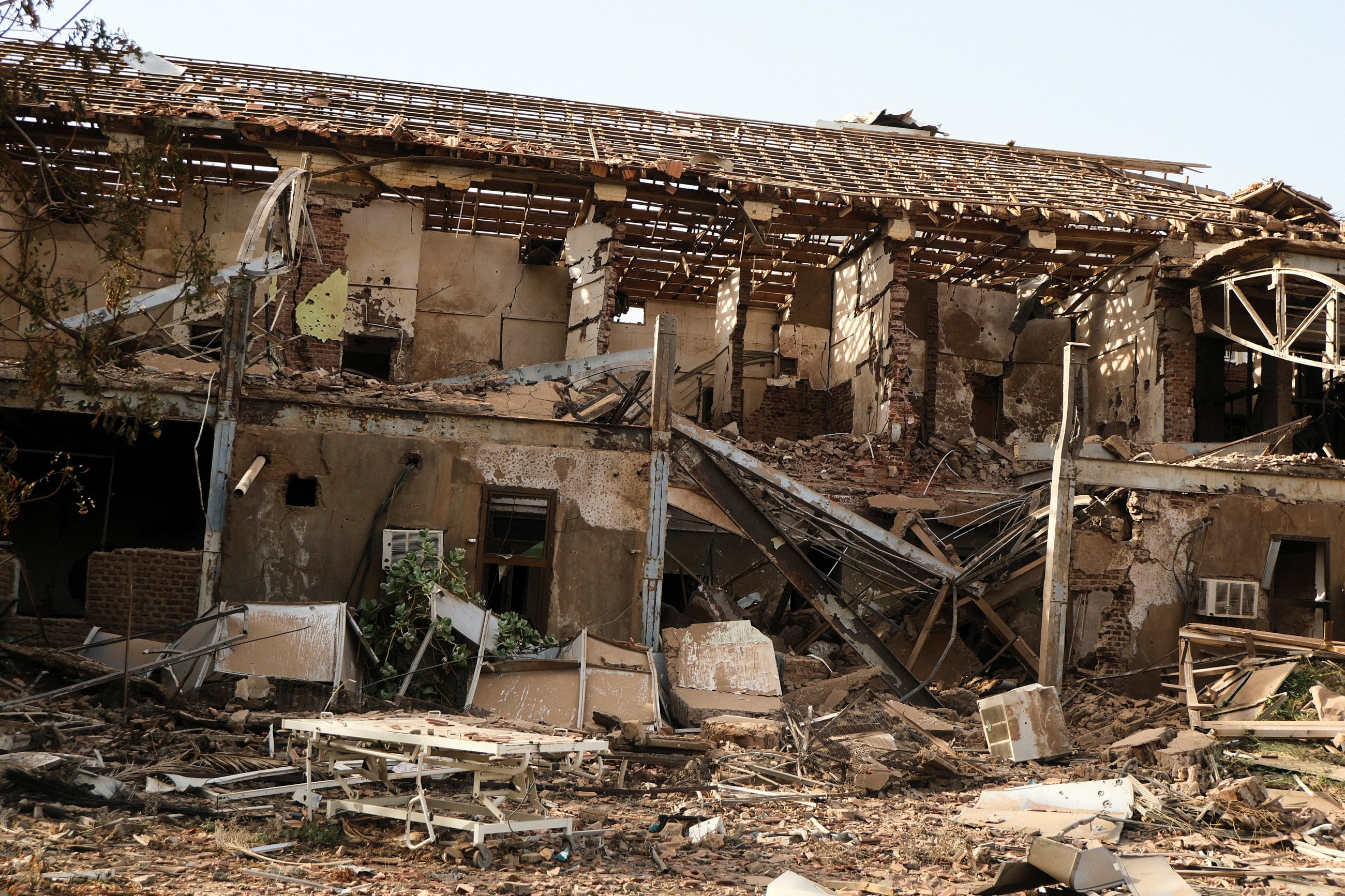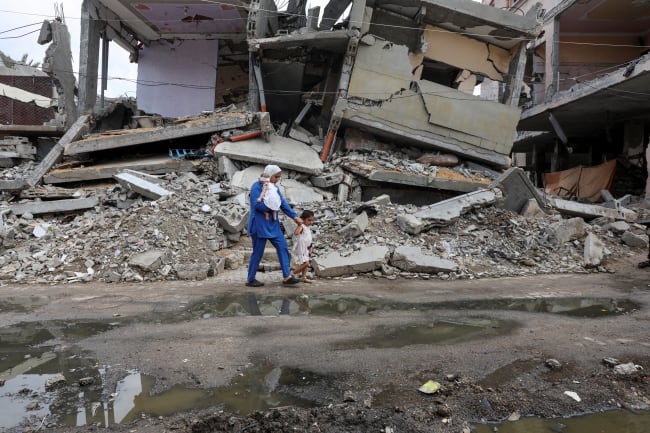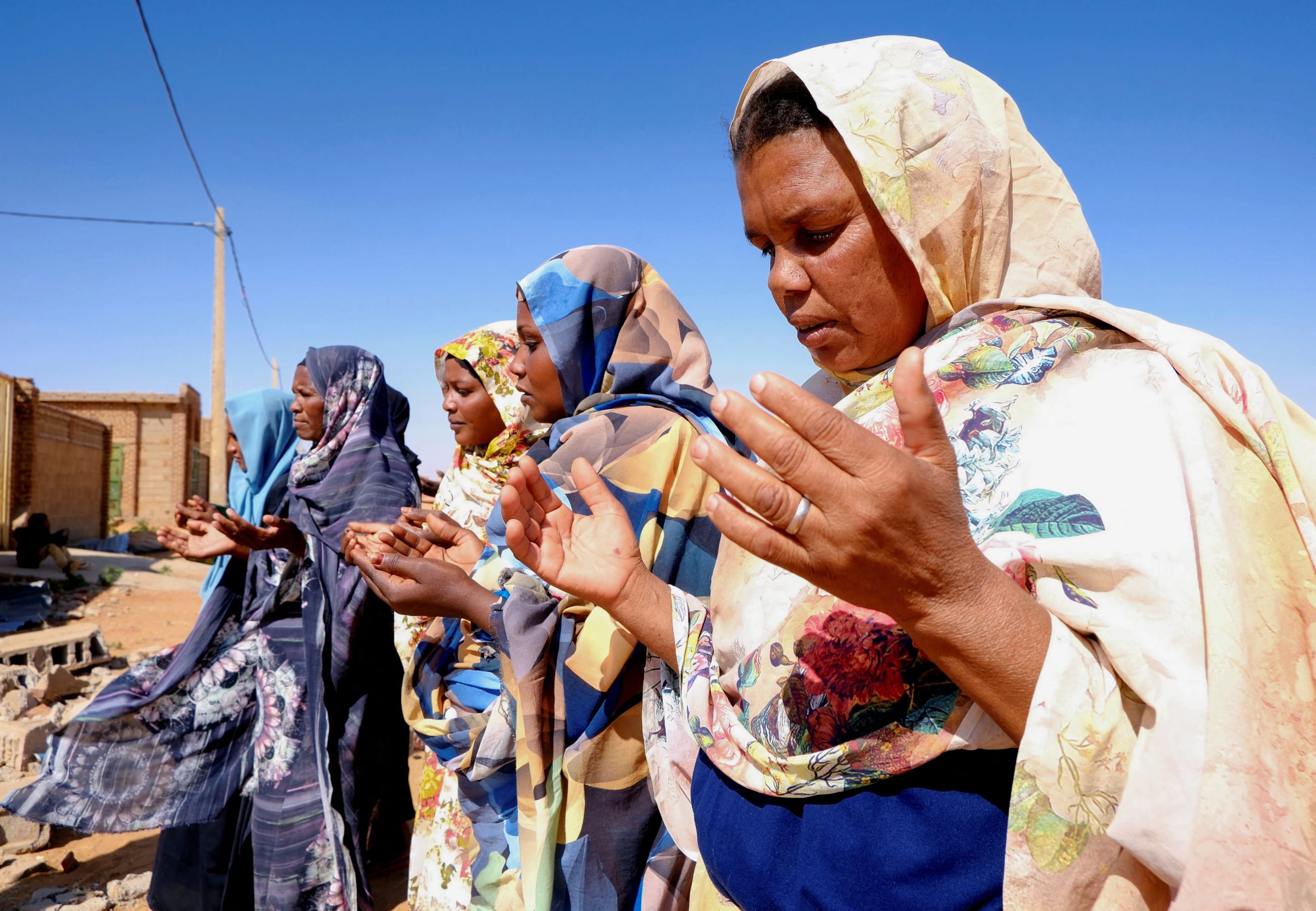
The civil war between the Sudanese Armed Forces (SAF) and the paramilitary Rapid Support Forces (RSF) has been described by the World Health Organization as the worst humanitarian crisis on the planet: death toll estimates range from 150,000 to 400,000, and more than 13.6 million people have been displaced.
The devastation stems from the escalating deployment of drones. In Sudan, these airborne attacks increased 70%, according to data provided by the Armed Conflict Location and Event Data monitoring group (ACLED), from 277 in 2024 to 472 drone strikes in 2025. In late March, the United Nations reported that more than 500 Sudanese civilians were killed in drone strikes during the first three months of 2026.
Both the SAF and the RSF have increasingly relied on drones provided through foreign entities. According to Al Jazeera, the SAF receives technology from Egypt, Iran, Russia, and Turkey, and the RSF reportedly receives Chinese FH-95 laser-guided drones from the United Arab Emirates (UAE), although the UAE denies these claims. These drones are capable of long-range surveillance and strikes via laser-guided bombs, with high precision and destructive ability. Some drones have strike capabilities of up to 4,000 kilometers, allowing for covert operations such as through an SAF air base recently discovered in Egypt.
500
The United Nations reported that more than 500 Sudanese civilians were killed in drone strikes during the first three months of 2026
As hostilities continued, health staff worked to dig areas underground to establish makeshift operating rooms for injured patients and maternal delivery areas. Ibrahim Khatir, a pediatric doctor and former director general of North Darfur's Ministry of Health, grew used to being bunkered inside repurposed shipping containers, where he would assist operations on injured patients in El Fasher. These repurposed shipping containers—the largest size measuring just 6 by 9 feet—were more insulated from drone attacks and often covered under piles of sandbags and stone. At times, medical procedures were illuminated by nothing more than an assistant holding a phone light to minimize any chances of targeting by a foreign-designed drone.
"Even if there is a light—just a bit of light—we could be bombed by a drone," Khatir said. "We used bedsheets from our closets to make sure there is no light going outside, and then we could do our operation."
Khatir and his remaining colleagues provided care in these containers until they were eventually forced to evacuate in October 2025 from El Fasher to Omdurman, one of the Sudanese capital cities.
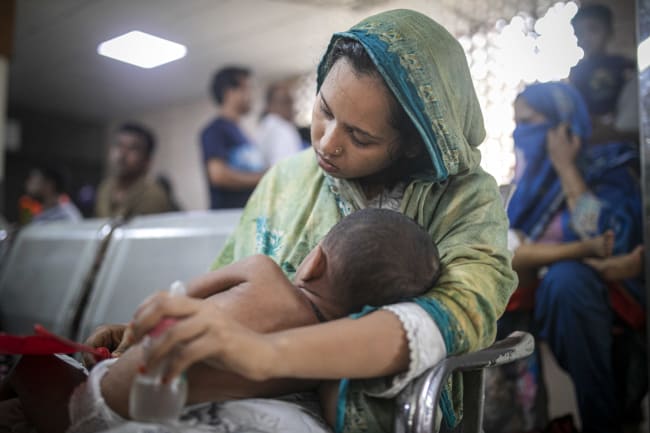
Drone strikes—often quieter and more random than traditional artillery—cause polytrauma, or multiple injuries, such as burns, shrapnel penetration, and explosive injuries. Before the evacuation, one of Khatir's cases involved an acutely sick child who presented with only minuscule cuts on his skin after a drone strike. When the surgeon operated on his abdomen, he found more than 50 shrapnel injuries to the child's small bowel. With limited surgical supplies available, surgeons in El Fasher had to rely on clothing sewing kits—made sterile with boiling water—to suture the tears.
These shortages in aid and medical supplies are likely to worsen because of the ripple effects of the Iran war and closing of the Strait of Hormuz—which has severely disrupted global supply chains for fuel, medicine, and humanitarian aid. As of early April, $130,000 of pharmaceutical supplies for the International Rescue Committee's Sudan work was stranded in Dubai, along with $600,000 of essential medicines from Save the Children.
In Sudan, where humanitarian aid met only 38.6% of its funding coverage for 2025—leaving a gap of $2.6 billion—designing medical innovations to meet modern warfare poses severe obstacles for physicians, an issue further compounded by additional strain on humanitarian aid and medical delivery systems.
Increasing Drone Attacks on Health Care
Amal Elamin, a Sudanese public-health expert and current lead for global health management at the University of Greenwich, believes the increased use of drones makes a devastating civil war even more unpredictable for medical professionals. Global medical-preparedness training or response plans are not yet equipped for drone warfare.
"There's also now this new element of the psychological impact of constant fear," Elamin said. "In one case last year, the [Saudi hospital] in El Fasher was attacked by a drone. Within a few days, the Federal Ministry of Health announced a rehabilitation initiative for the hospital. Then a few days after reopening, there was another drone attack there, to take away that victory, as if to say this is not going to be celebrated."
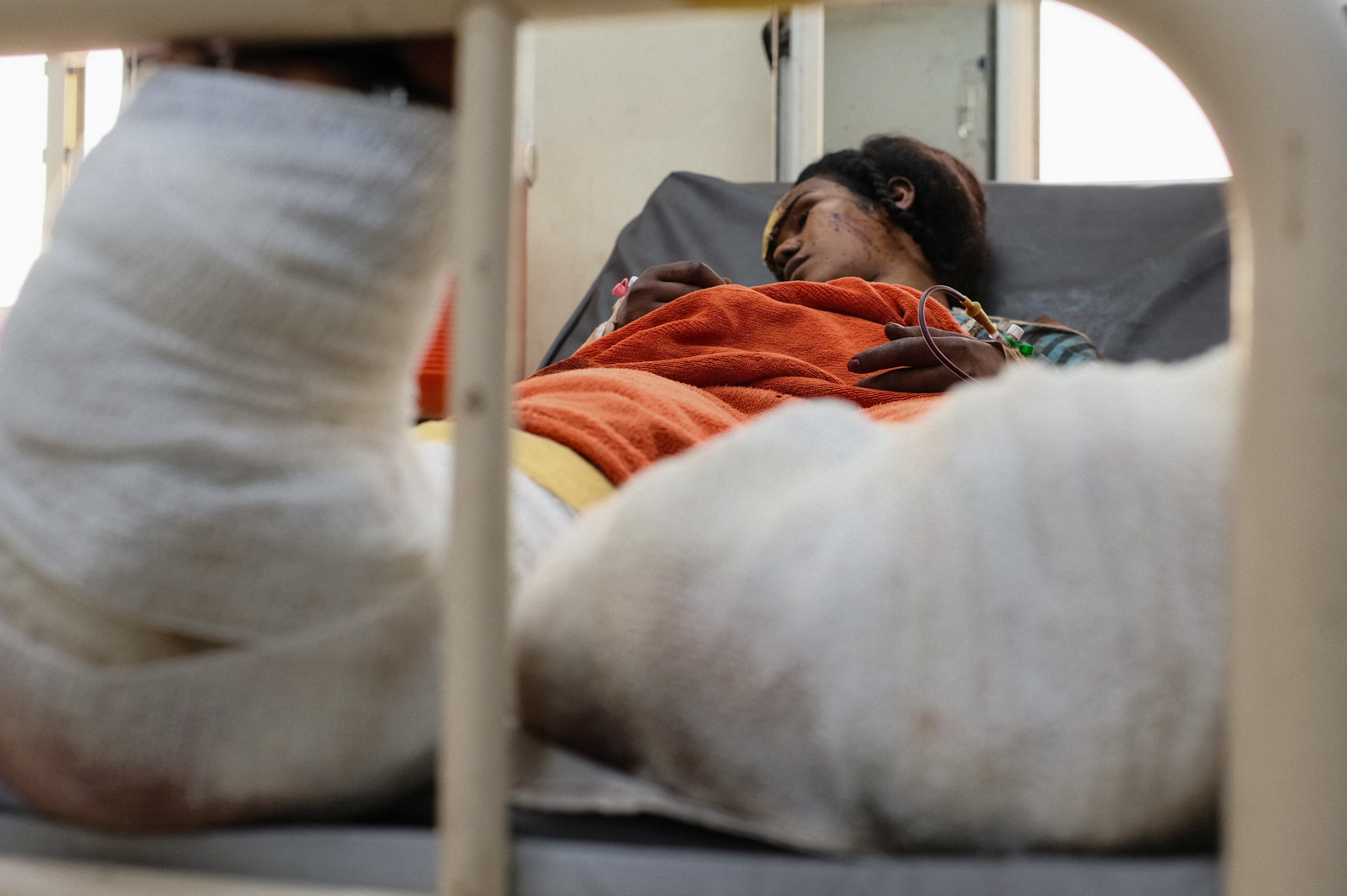
Attacks against health care, including these "double tap" strikes, are not unique to Sudan. In 2024, the Safeguarding Health in Conflict Coalition released an annual report revealing that there were 3,623 attacks on health care globally [PDF], a 15% increase from 2023. The report showed that the largest number of attacks on health care—more than 1,300—occurred in Gaza and the West Bank. Humanitarian groups such as Physicians for Human Rights point to a growing disregard for international humanitarian law and missing impunity as reasons for the indiscriminate drone attacks in recent years.
Health-care workers and civilians constantly lived at risk in El Fasher, where mosques, hospitals, and schools became targets of drone strikes. Omar Selik was one of the medical directors in the Saudi hospital in El Fasher. He was killed in September 2025, when a drone targeted a mosque during morning prayers. According to Ibrahim Osman, the Darfur region coordinator for the Sudanese American Medical Association, he and Selik had recently discussed how to bring more medical supplies into the then besieged El Fasher. The RSF had undertaken a 500-day siege, launching indiscriminate attacks against civilian facilities, before its eventual takeover of El Fasher in October 2025. Several human rights groups have documented possible crimes of genocide by the RSF in the immediate aftermath.
"We talked just two weeks before his death about trying to use some informal corridors to smuggle medications and medical supplies. Unfortunately, he died before we achieved that mission," Osman said.
Almoghirah Abdellah, the general directorate of curative medicine at the Federal Ministry of Health in Khartoum, said small drones could instead be used to provide medical care. His team recently helped repurpose quadcopters for medical-supply deliveries in hard-to-reach areas, a strategy which has also been employed in other regions such as sub-Saharan Africa to deliver humanitarian aid. Through this experimental method, they have successfully delivered intravenous fluids, rapid test kits, and blood for hemodialysis patients in active conflict zones. Abdellah said many of his colleagues have sacrificed their time, energy, and sometimes lives to find ways to treat injured Sudanese people.
"Embedded in yourself as a Sudanese is that you have to sacrifice, even yourself, in order to save people, in order to sustain the provision of services," Abdellah said. "I will never forget that experience of innovating to save hundreds, if not thousands, of people in those containers under the ground."