The Iran war continues to choke the global delivery of fuel, fertilizer, medicines, and aid shipments transiting the Middle East and the Strait of Hormuz. On March 28, Houthi rebels in Yemen signaled that additional shipping lanes could be under threat, citing the Bab-el-Mandeb strait, the Red Sea, and the Gulf of Aden as potential leverage against the United States and Israel.
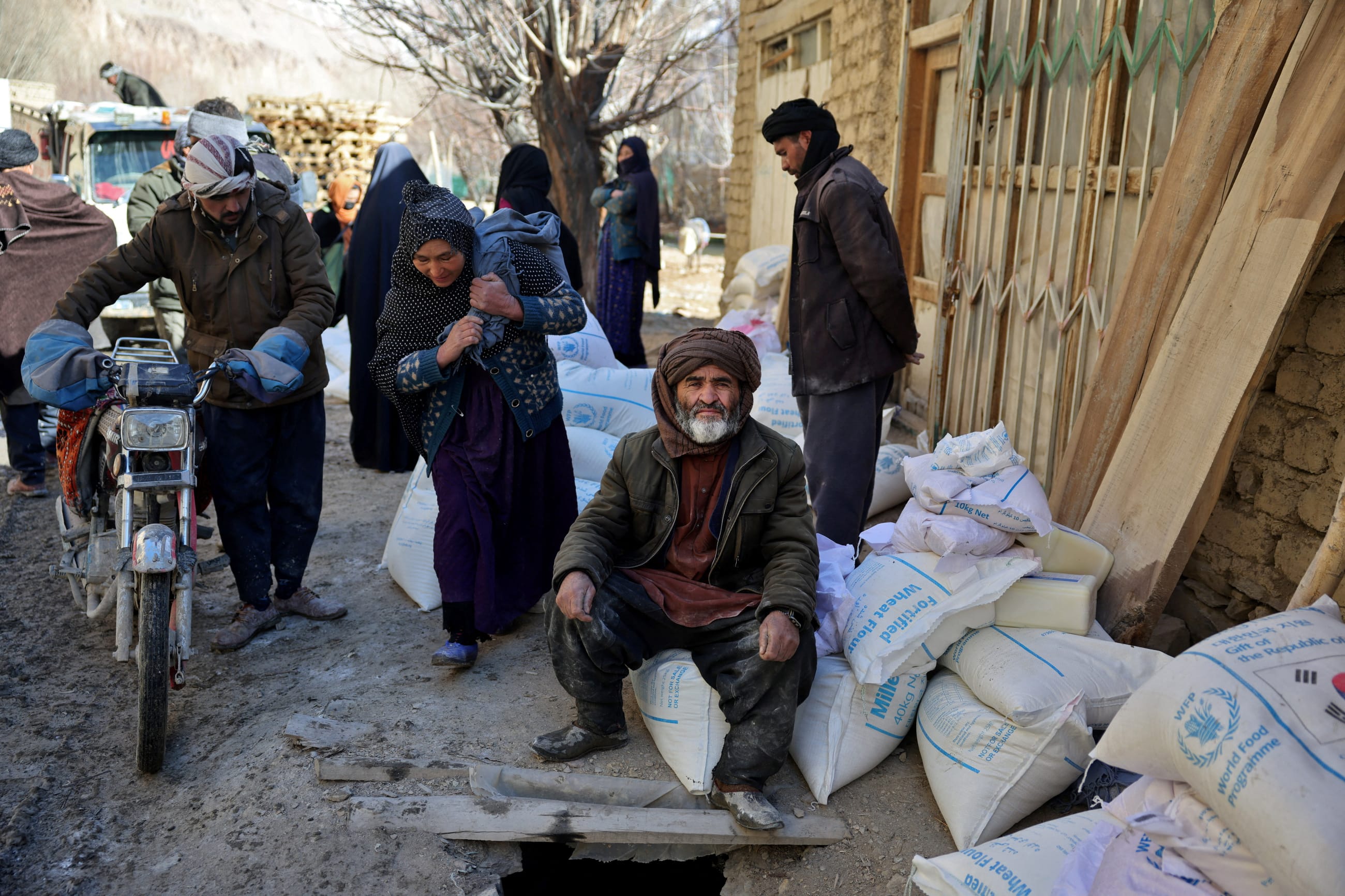
The disruptions are forcing humanitarian organizations such as the UN World Food Program (WFP) and Save the Children to reroute humanitarian aid around restricted waterways or over land, adding weeks of delay and millions of dollars to shipping costs. Because these financial spikes strain limited budgets, countries that depend on imports—including Afghanistan, Somalia, and Sudan—face greater peril as fuel prices drive up the costs of food and medicine.
"The disruptions to shipping have made it much more difficult for us to reach the countries where we're working," said WFP Food Security Director Jean-Martin Bauer. "The example I usually give is how we reach Sudan, the largest operation of ours."
Think Global Health created three charts to contextualize what the challenges spawned by the Iran war mean for humanitarian aid operations and the countries that rely on them.
Aid Shipments Around Africa
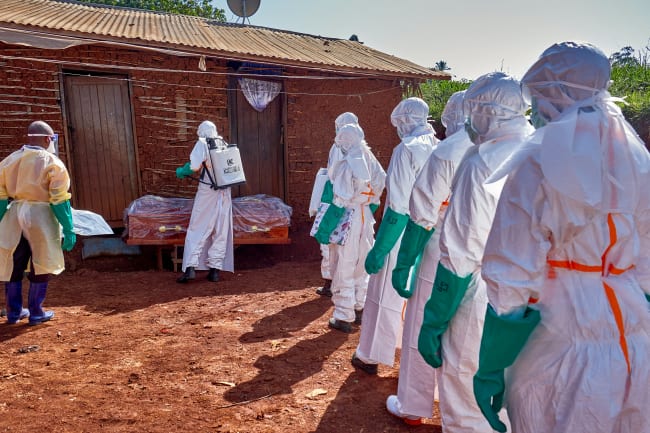
According to the WFP, Sudan is the world's largest hunger crisis, 41% of its population facing high levels of acute food insecurity. Parts of the country are experiencing famine conditions, at least 1 in 5 households facing starvation from extreme lack of food. Violence has decimated Sudan's health and sanitation system, fueling outbreaks of gastrointestinal diseases such as cholera.
Illustrating the recent disruption to the WFP's operations in Sudan, Bauer described an agreement with a carrier delivering more than 1,700 metric tons of liquid nutritional supplements purchased in India to Port Sudan. Reluctant to sail through the Bab-el-Mandeb strait, the carrier made an alternate journey around the Cape of Good Hope and through the Mediterranean Sea to the Suez Canal.
During the Red Sea Crisis, which began in late 2023 when Houthis mounted attacks on commercial ships, transit passing through the Bab-el-Mandeb strait decreased by more than half [PDF] and the number of vessels traveling around the Cape of Good Hope rose by 130%.
The WFP rerouted another shipment of rice and biscuits donated by South Korea to Tajikistan around the Cape of Good Hope to Georgia, then by road—encountering delays at border crossings and ferry points—to their destination, a journey that cost an extra three weeks and $500,000.
The Iran war is also disrupting Save the Children's shipments to partner countries in the region. The organization told Think Global Health via email that nearly $600,000 of essential medicines bound for 90 primary care facilities in Sudan are stuck in their shipping hub in Dubai. The cost of delivering $172,000 worth of nutrition supplies to children and pregnant women in Afghanistan via freight air was $316,000, nearly double the cost of the goods themselves.
"In the Red Sea Crisis a few years ago, when we couldn't have vessels transiting the Red Sea, shipping costs increased by between 15 to 40%," Bauer said. "These are not small increases."
Watching Diesel Fuel Prices
The Iran war has led the price of diesel to increase faster than that of gasoline, translating to higher transport costs that affect the price of nearly all goods. Diesel dominates in trucks carrying overland shipments of heavy cargo and in many cargo ships.
In addition to ballooning the price of shipping for aid organizations, the high cost of diesel is having wide-ranging effects on health-care and food systems across countries, particularly ones that rely on fuel imports.
In Somalia, high fuel prices are preventing patients from traveling to access health-care facilities. Fuel is also making it more expensive to keep hospitals operating. A 2025 study found that more than half of low-income countries use diesel generators as a primary source of electricity in hospitals, 35% relying on them completely.
Fuel prices have also elevated Somalia's food prices by 20%, given that Somalia imports 90% of its provisions. Somalia also imports nearly one-third of its fertilizers from the Gulf region, straining farmers during planting season. According to Doctors Without Borders, nearly 1 in 3 Somalis already experience acute food insecurity.
"These short-term market reactions are indicative of a high level of underlying vulnerability to these types of shocks," said Bauer. "Any item you find in a retail outlet will be basically 15% fuel. If fuel [prices] double, that will have a large impact on the price of a food item. When food prices go up, families will shift to the cheapest available calories and that has an impact on nutrition."
Other ripple effects will occur. In the Philippines, where diesel prices have risen 81.6% since the start of the Iran war, private hospitals are contemplating a 5% hospital surcharge to offset the cost of maintaining diesel generators for electricity and importing medicines.
Aid Cuts
As the Iran war worsens existing health emergencies, humanitarian aid organizations lack the funding to respond after massive aid cuts disrupted the sector in 2025.
The Institute for Health Metrics and Evaluation estimates that health-related nongovernmental organizations (NGOs) and foundations overall experienced a 14% funding cut from 2024 to 2025, UN agencies encountered a 19% cut. In early 2026, the United States passed a $50-billion foreign affairs package, including $9.4 billion for global health and $5.4 billion for humanitarian assistance, which would include funds to NGOs, including the WFP. It is unclear whether funds will be spent to aid the response to the Iran war.
"In 2022 the World Food Program had an income of more than $14 billion that was down to about $6.4 billion last year. Down by more than half in three years," Bauer said. "That means that our programs in places like Sudan cover fewer people. We've had to prioritize and focus on the most acute needs. That means that there's less of a cushion to absorb a situation like this one."
Last year, Save the Children reported that it had terminated 89 of its programs in 40 countries because of funding cuts.
As the war stretches on, the Iran war could have a lasting effect on humanitarian crises globally.
"Even if everything goes back to normal in terms of shipping and navigation and energy prices, things take a while to get back to normal in the countries we work in," Bauer explained. "We need to be mindful that we're already looking at an extended scenario."