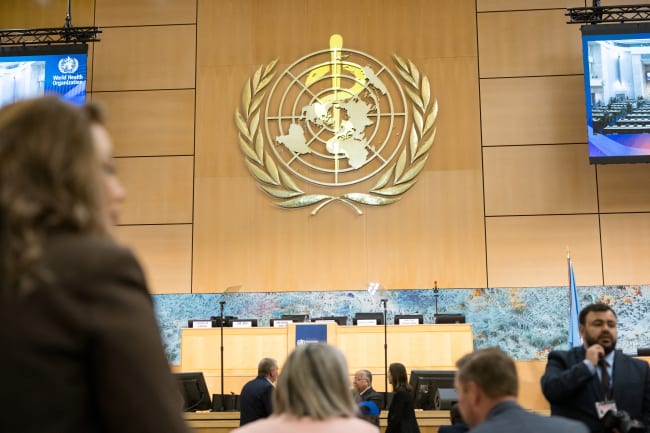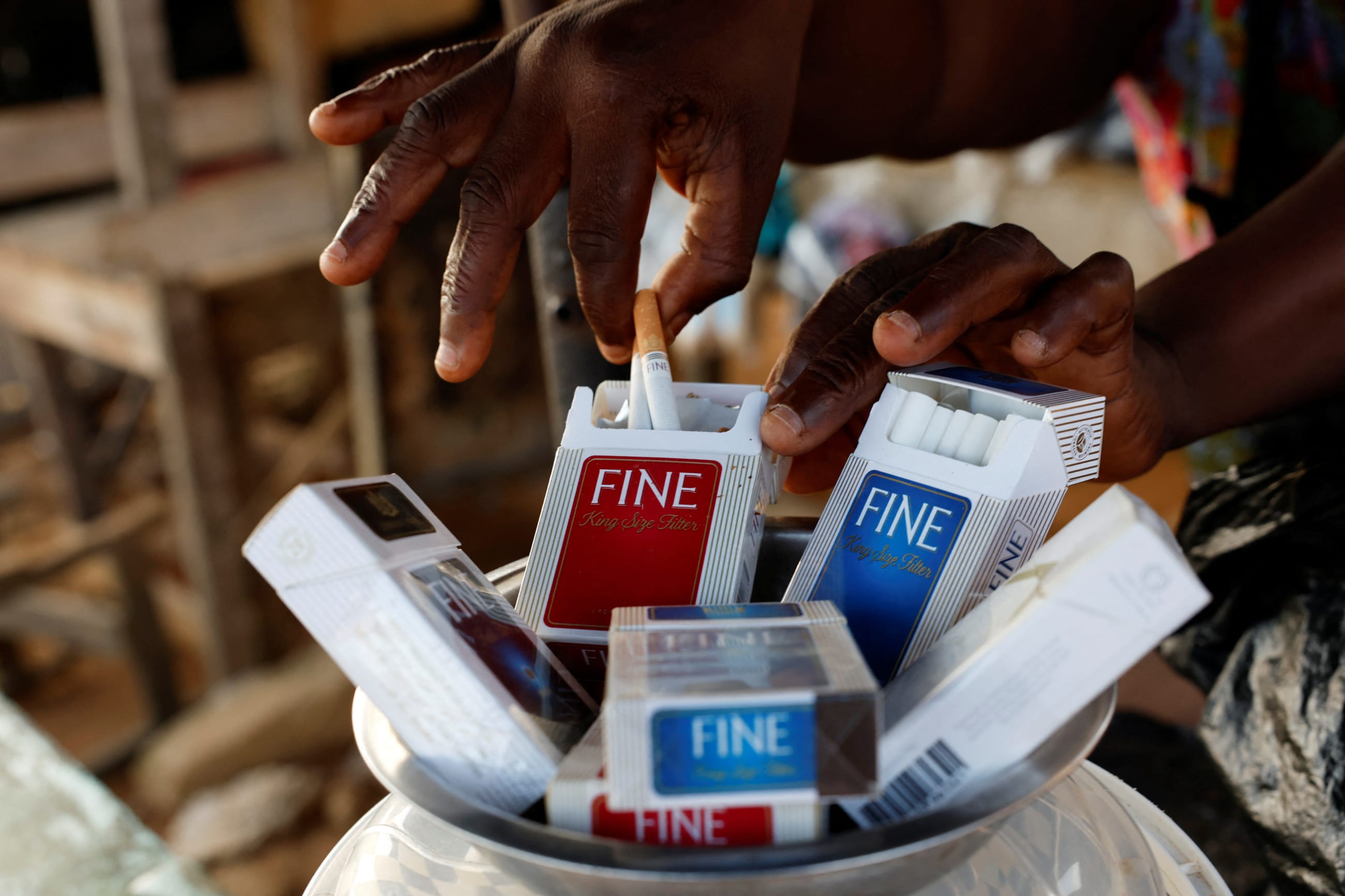
Ahead of the World Health Assembly in mid-May, Tanzania's Parliament asked the World Health Organization (WHO) for help to redesign its tobacco tax for the 2026–27 fiscal year.
Tobacco-related illnesses, such as cancer and cardiovascular disease, kill more than 21,800 Tanzanians each year, costing the country $315 million in health-care expenditures and productivity losses. Tanzania's initiative reflects a continent-wide pattern: as Western donors including the United States scale back health and development aid, African governments—for instance Zambia's, which sustained tobacco, alcohol, and sugary-drink levy increases despite fierce industry opposition—are pursuing health taxes as a promising undertapped source of funding. Health taxes on tobacco, alcohol, sugary drinks, and unhealthy food raise revenue, improve health, and reduce health-care costs.
Health taxes face fierce resistance from multinational corporations often headquartered far from the countries bearing the health burden, for example Philip Morris International in the United States and Switzerland, Japan Tobacco International, alcohol maker Diageo in London, and soda giants Coca-Cola and PepsiCo in the United States. Companies block tax legislation through direct lobbying of finance ministries, funding antitax "front groups" and industry-friendly research, and threatening litigation. In 2010, Philip Morris sued Uruguay over packaging to show tobacco's harm and lost, and British American Tobacco has fought tax stamps in East Africa.
7%
Rwanda's tobacco tax cut smoking prevalence from 13% to 7%.
Corporations have led communications campaigns in the name of "corporate social responsibility," such as Diageo's "Magic of Moderate Drinking," to frame substance use as a behavioral issue rather than a public health one. The WHO Framework Convention on Tobacco Control's Article 5.3 obligates governments to shield tobacco-control policies from such commercial interference, but it covers only tobacco—not alcohol or sugary drinks—and enforcement is uneven across countries.
To combat the myths about health taxes put forward by opponents, this piece addresses 10 common misconceptions often used by industry to block healthy tax policy.
Ten Myths About Health Taxes
1. Health taxes hurt industry. When health taxes succeed in curbing consumption of harmful substances including tobacco, sugary drinks, and alcohol, a country's industries gain as a whole: workers stay healthier, productivity rises, health-care costs fall, and absenteeism drops.
2. Health taxes interfere with personal choice. Globally, most smokers start before age 18, when many cannot legally consent to most decisions. Alcohol and ultra-processed foods have similar addictive properties to tobacco, undermining personal choice. Youth are most price sensitive to taxes because they cannot afford the extra cost, which reduces initiation and use about twice as much as among adults.
3. Health taxes encourage [PDF] smuggling. Evidence shows health taxes raise revenue and that illegal trade correlates with the ability to enforce laws against it, not primarily with the level of taxation. Tanzania's digital tax stamps raised revenue from imported wine and spirits by 34% in 2019. Kenya's stamps drove a 43% jump in excise revenue in fiscal year 2015–16—roughly $80 million in new collections in a single year—and cut the illicit cigarette share from 15% to 5% from 2003 to 2015, according to the Kenya Revenue Authority. Kenya's government used some of the new revenues from taxes to increase the capacity of the revenue authority to combat smuggling.
4. Health taxes hurt the poor. Untrue. Tobacco, alcohol, and sugary products harm the health and finances of low-income families the most. When revenues fund interventions such as primary care or clean water, health taxes benefit these populations. With money saved from spending on harmful products, low-income families can pay for food, education, and health care.
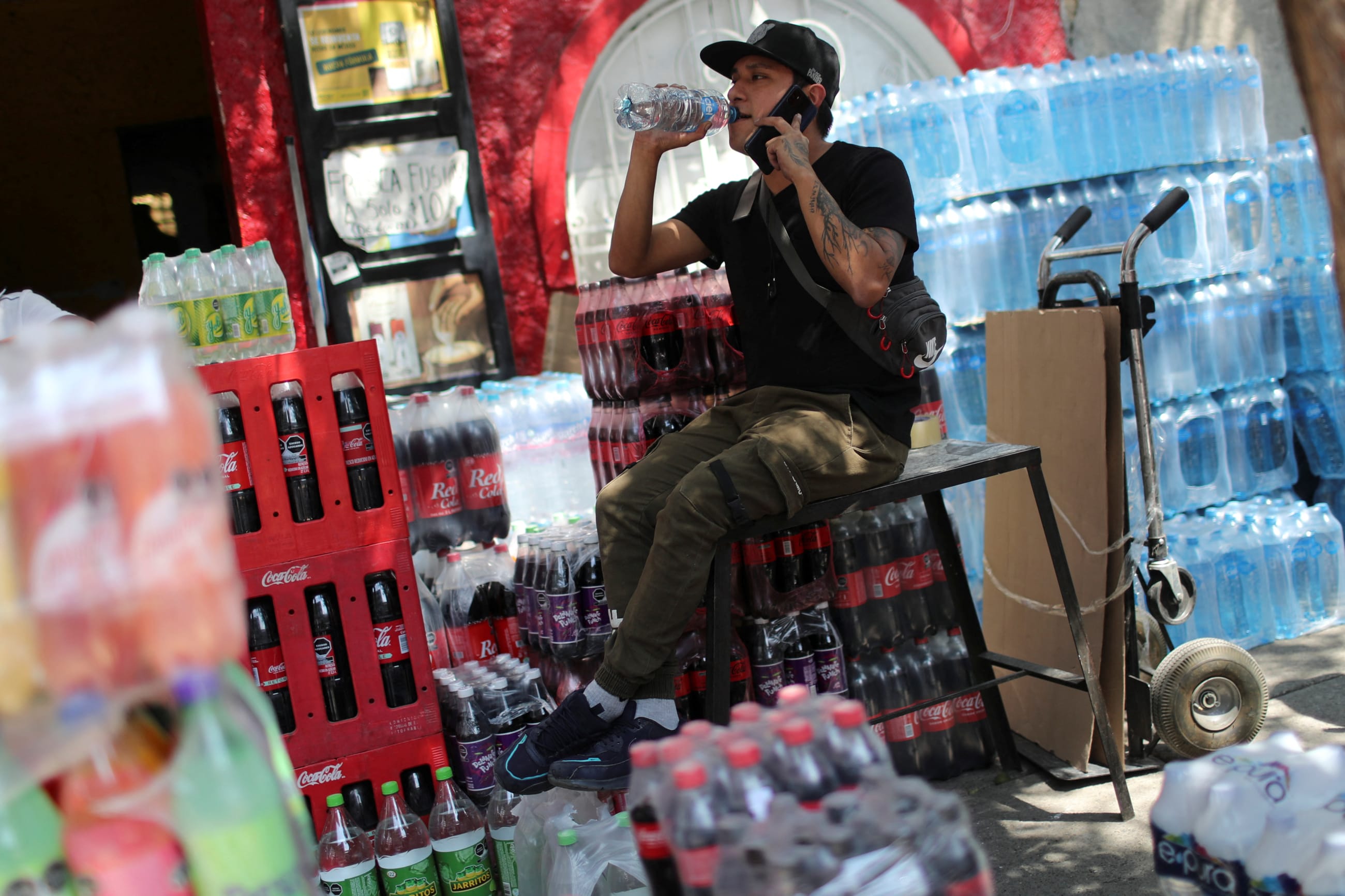
5. Taxes won't change behavior. The data indicate that health taxes drive healthier behavior. South Africa's sugary-drinks tax cut the volume of drinks purchased by 15% and sugar from taxed beverages by 35%, and the largest declines were among lower-income households. Mexico's tax reduced purchases by 5.5% in its first year and 9.7% in its second. The effect grew over time, and the largest decreases were in lower-income households. Rwanda's tobacco tax cut smoking prevalence from 13% to 7%. Demand responds to price, especially among young people and low-income consumers.
6. Alcohol can be harmless in moderation. Alcohol addiction not only harms individuals; it also devastates communities through drunk-driving deaths and health systems overwhelmed by liver disease and cancer. Alcohol underlies many health, social, economic, and infectious-disease problems that drain budgets and destroy lives.
7. Health taxes drive inflation. Taxed products make up a small share of household spending. A 10% rise in tobacco or alcohol excise taxes has a negligible effect on inflation. Families who cut down or quit save money.
8. Health taxes lead to job losses. Health taxes reduce consumption, and money not spent on cigarettes, beer, and sugary drinks shifts to food, housing, and transport, sectors that employ more workers per dollar than tobacco or alcohol. Studies consistently show that taxes on tobacco, alcohol, and sugary drinks have either no overall effect or a slight positive effect on employment.
9. Tobacco taxes ruin farmers. It is tobacco farming that harms farmers. Farmers carry crushing debt to leaf companies, and the industry is particularly harmful to their children, who can absorb nicotine through their skin during harvest. Alternative crops to tobacco yield higher net income in nearly every setting studied, leading Kenya and Zambia to run programs that transition them to different crops. The tobacco lobby protects buyer monopolies, not individual farmers.
10. Taxes are unpopular and will cost politicians votes. Tobacco taxes are popular according to a global Gallup poll, even among smokers, and support increases if the revenues go for tangible services. In Africa, Ghana and Egypt direct portions of their health-tax revenue toward national health insurance. Global leaders from across the political spectrum often support taxes and find that doing so demonstrates their commitment to health and good government.
The Extraction Problem
Tobacco companies, alcohol producers, and junk-food manufacturers externalize their costs to governments, communities, and families that bear the health-care expenses, productivity losses, social disruption, and health tragedies these products cause.
These companies price their products to maximize addiction and consumption, and then lobby against taxes that would address some of the true costs of their products. Their profit models benefit from weak tax systems.
Health taxes make companies pay for the damage they cause and generate revenue that can strengthen health systems. But success depends on getting technical details right.
Effective health taxes require specific excise rates per unit (e.g., per cigarette, gram of pure alcohol, ounce of soda), not percentage-based taxes, known as ad valorem taxes. Ad valorem taxes encourage consumers to shift to cheaper brands or to purchase large, discounted volumes, and companies manipulate price by lowering the factory price or other prices.
Positive examples include South Africa's per-gram-of-sugar Health Promotion Levy and Mauritius's specific cigarette excise structure, the only one in Africa to reach WHO's 75% benchmark. Countries need independent, secure tax stamps with track-and-trace capabilities such as Kenya's Excisable Goods Management System and Tanzania's digital stamps, not stamps controlled by industries.
Tax transparency, including public reporting on revenues collected and how they are used, counters antitax sentiment and builds political support: South Africa's National Treasury publicly reports Health Promotion Levy collections, and Ghana's tobacco excise revenue more than doubled between 2021 and 2023 under publicly tracked reforms. Professional tax administration, inflation adjustments, and robust enforcement—such as South Africa's adjustment of alcohol and tobacco excise at or above inflation annually and Mozambique's adjustment of cigarette excise taxes for inflation—transform good policy into real revenue and lives saved.
These technical elements may seem mundane, but they—along with the political leadership to stand up to industry interests—determine whether health taxes deliver their potential revenue and health benefits.