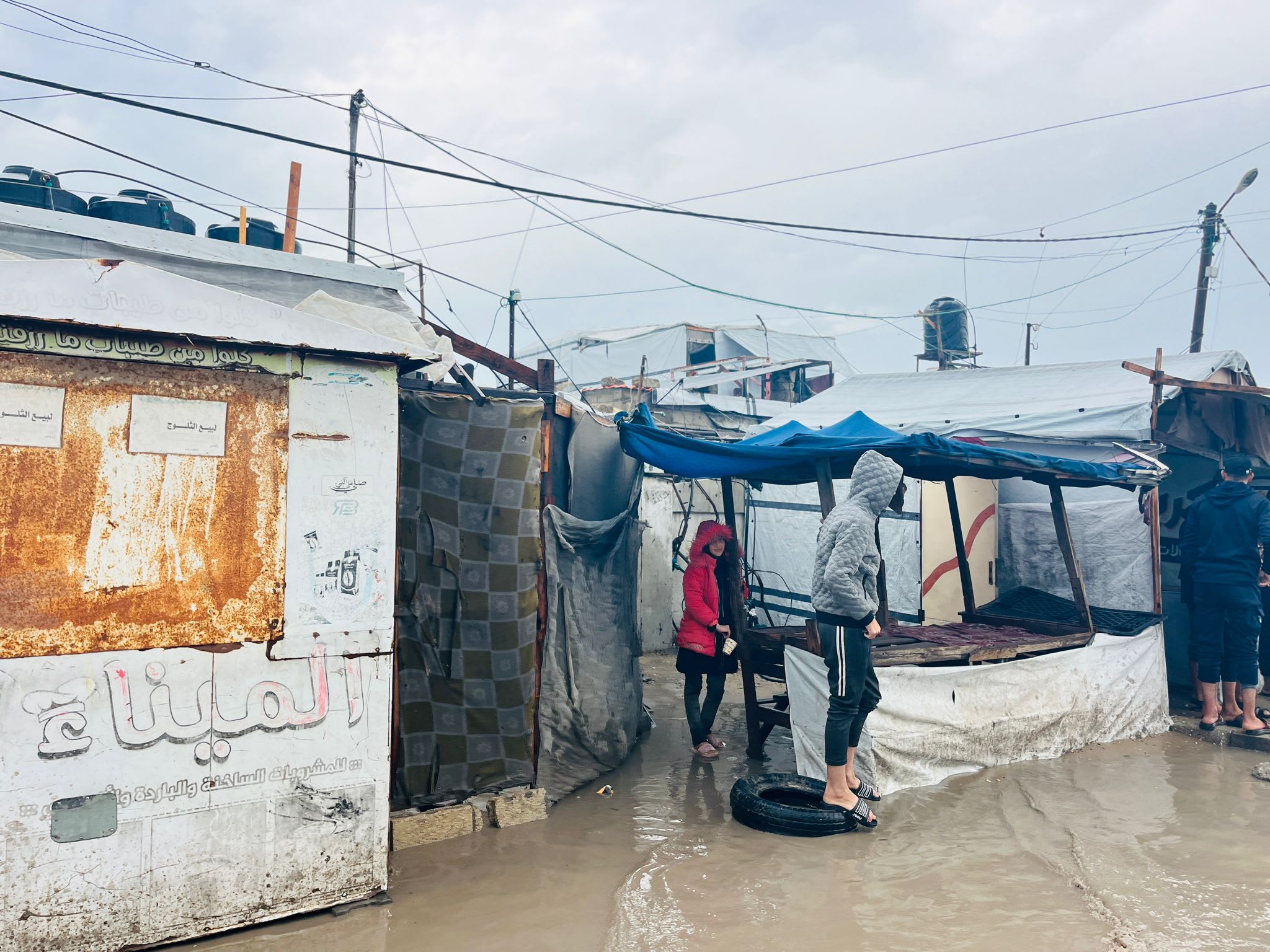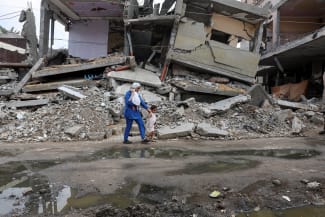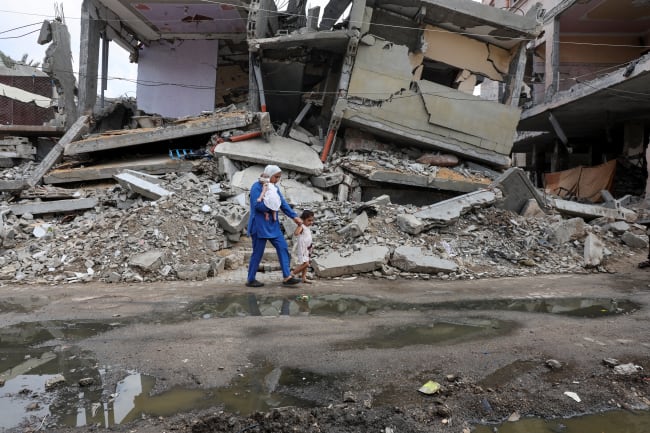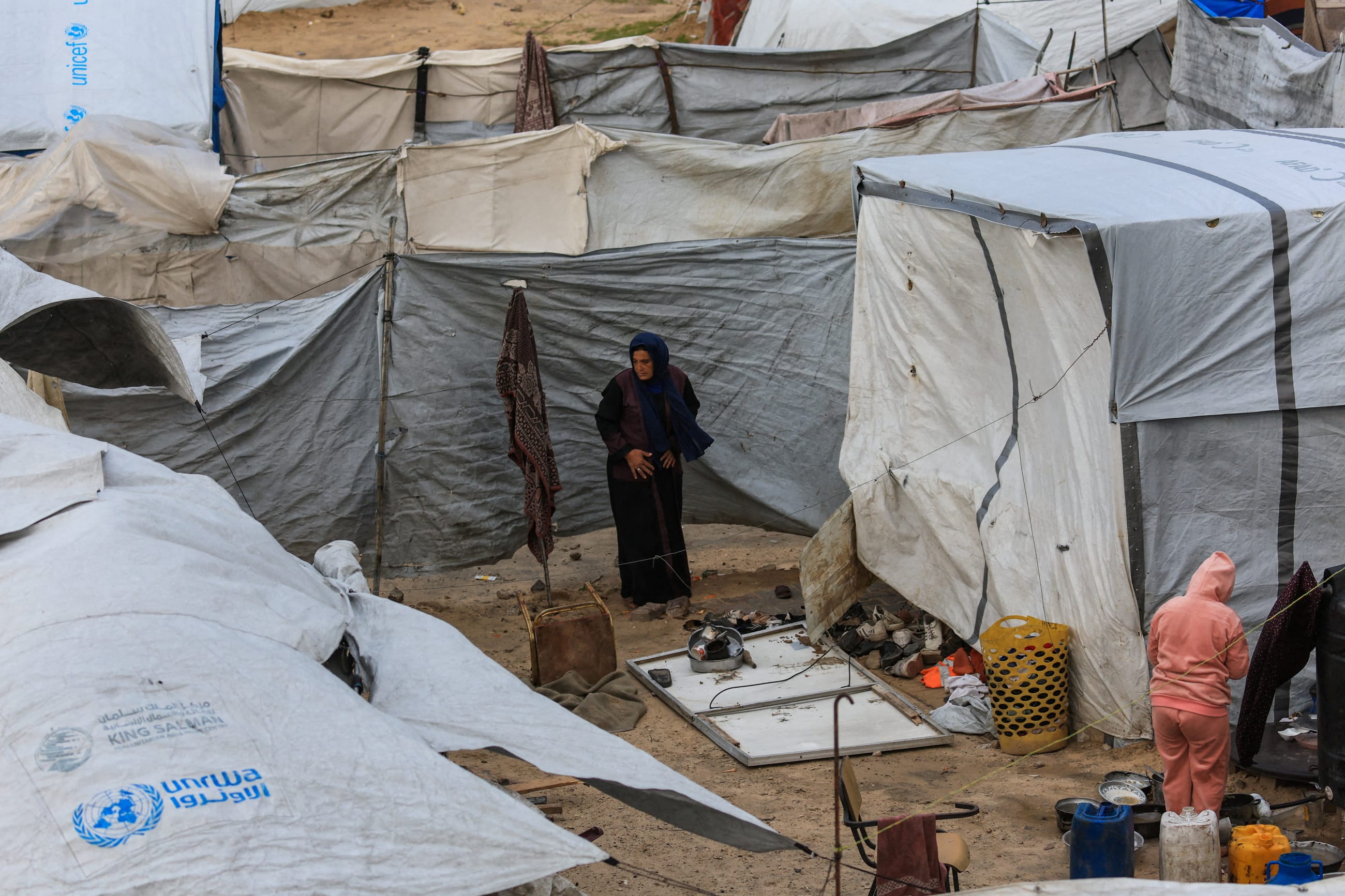
When a cold front reached the Gazan coast this winter, I no longer welcomed the rain as I had in my childhood. Instead, my mind raced with the terrifying logistics of survival as heavy storms in January turned streets into stagnant lakes. On March 25, the rains struck again, damaging the shelters of more than 3,000 displaced Gazans.
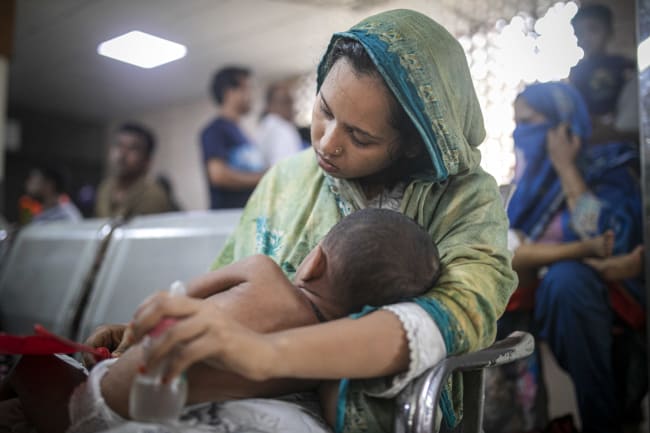
According to reports from UNICEF, at least 11 children in Gaza—including several newborns—died from hypothermia by early February following prolonged exposure to cold, wet, and windy conditions. Treating hypothermia requires resources that are not readily available to Gazans, including internal warming through heated intravenous (IV) fluids, thermal blankets, and consistent monitoring in a temperature-controlled environment.
All hospitals in Gaza are fully dependent on emergency backup generators, which primarily rely on diesel fuel to operate. Hospitals also need fuel to run the industrial heaters or laundry machines required to provide warm, dry linens. After Iran closed the Strait of Hormuz in early March, fuel has become increasingly scarce and expensive. As border crossings slowly reopen, aid organizations should prioritize fuel supplies and materials so that Palestinians can recover from the harsh winter and endure ongoing storms.
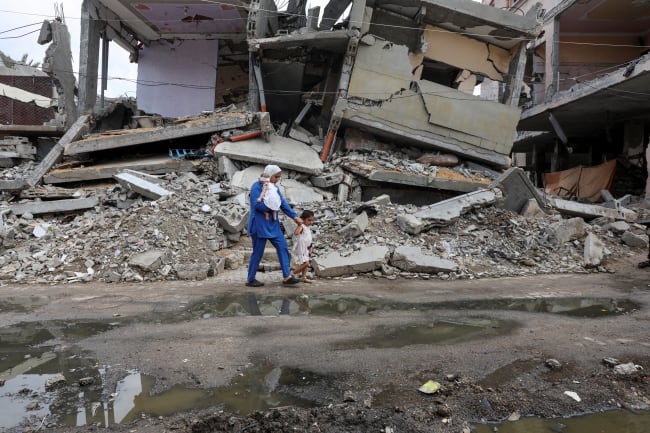
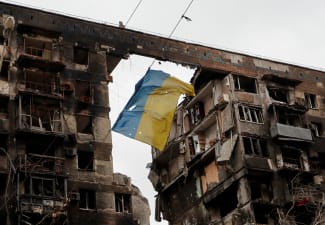
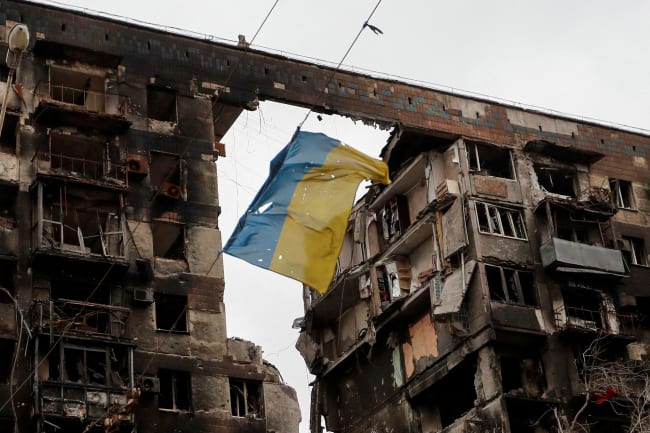
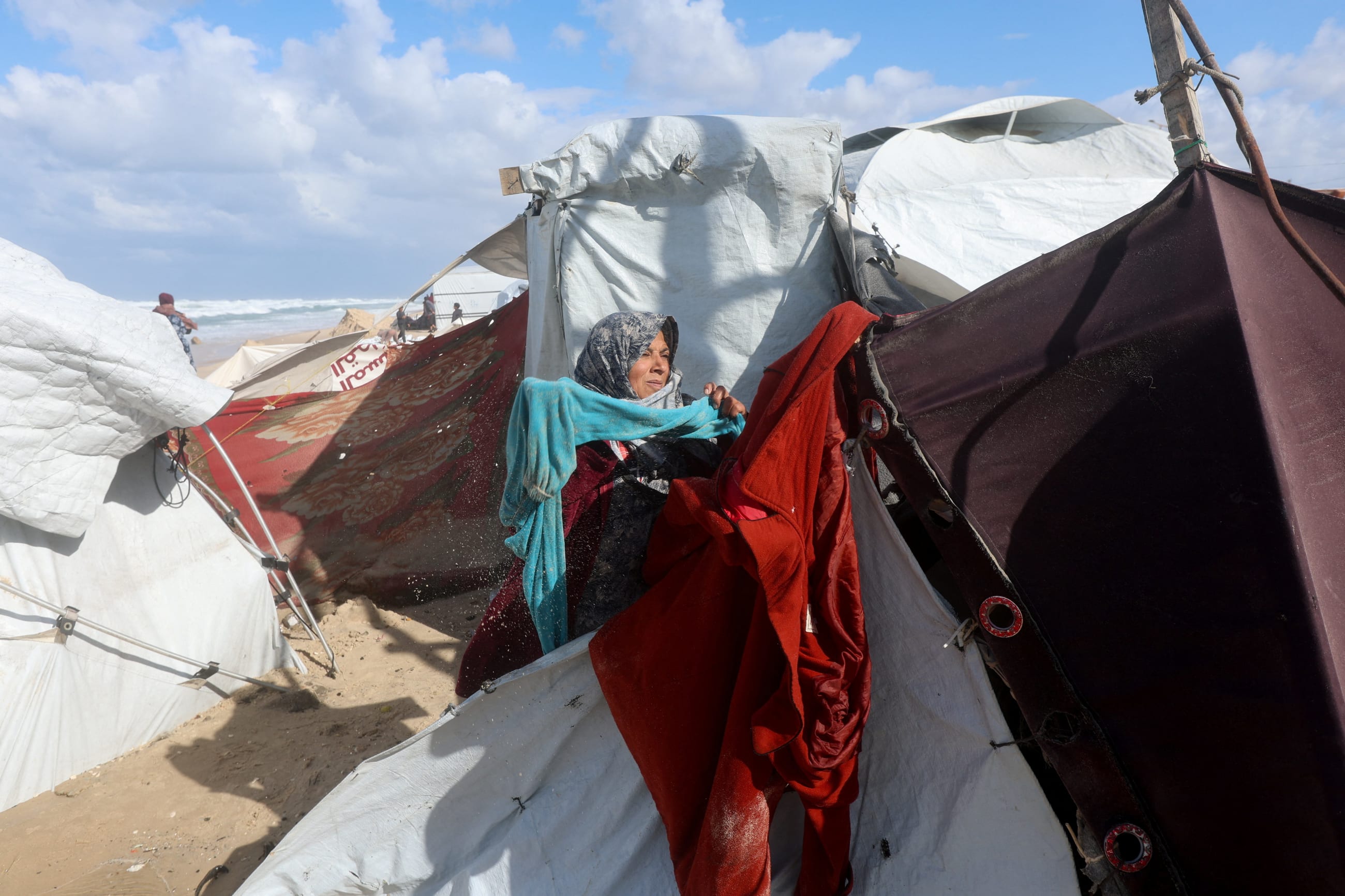
Flooding destroyed thousands of fragile shelters, soaking the few belongings—including thin mattresses and single blankets—that families managed to carry during their displacement throughout the Israel-Hamas conflict. Most families fled their homes in May 2025, leaving behind heavy coats, thermal wear, and proper shoes. In October 2025, 81% of all structures in the Gaza Strip were estimated to be damaged, and hundreds of thousands of homes are either destroyed or rendered uninhabitable, leaving families dangerously exposed to the elements.
My heart broke for the families trapped in flimsy, worn-out tents, facing direct threats of flooding from the howling winds and torrential rains. What used to be a season of renewal for our land became a gut-wrenching struggle, where the most vulnerable—pregnant and breastfeeding women, children, and the elderly—had to endure a bitter reality threatening both their lives and their spirits.
When the Cold Becomes a Medical Emergency
Gaza's winter season typically lasts four months, from mid-November to mid-March. Described as a "cool season," winter brings mild temperatures ranging from 46°F at night to 64°F during the day, punctuated by heavy rains and strong coastal winds. This year, the winter season unfolded radically. For the 1.7 million displaced Palestinians living amid widespread destruction in sprawling, flooded shelter camps, the season became a desperate battle for survival.
Hypothermia begins the moment the body's core temperature drops below 95°F, and the heart, nervous system, and other organs cannot function normally. Left untreated, hypothermia leads to complete cardiac and respiratory system failure.
Wet conditions, particularly soaked clothing and bedding, accelerate heat loss up to 25 times faster than dry conditions. Inadequate shelter makes it impossible for vulnerable groups, particularly infants and the elderly, to generate enough heat to maintain core body temperature. In Gaza, hypothermia acts not in isolation but as a deadly multiplier, exacerbating respiratory infections, worsening malnutrition, and increasing vulnerability to other infectious diseases.
The systematic destruction of Gaza's health-care infrastructure devastated access to care, creating a lethal environment where common winter exposure now leads to preventable deaths, particularly among children. With 58% of health service points remaining nonfunctional and only 19 of Gaza's 37 hospitals partially operational, the system lacked the capacity to manage the surge in hypothermia cases. Hypothermic patients require careful stabilization and monitoring, but with the constant influx of trauma cases, there is no space to keep a patient for the 24 to 48 hours required for safe rewarming.
Health-care workers are also at risk. Many doctors and nurses who work with Project HOPE live in the same unheated tents as their patients, leading some to collapse from exhaustion and cold-related illness while on duty.
The Need for Aid
In response, humanitarian aid organizations like Project HOPE mobilized winter relief efforts. Project HOPE delivered more than 1,000 winterization kits for children, including jackets, thermal layers, hats, gloves, socks, and boots to reduce cold exposure. Yet the scale of need far outweighs supplies, especially with aid crossings operating at limited capacity due to the escalating conflict in the Middle East.
Project HOPE medical teams integrated hypothermia prevention and response into their broader health operations, conducting health-worker training on hypothermia risks, early warning signs, and management. Health staff are educating families on prevention measures and on how to recognize symptoms. Outreach teams are visiting catchment areas, like the water collection area in Khan Younis, to support early identification and referral of suspected cases before they become life-threatening.
Prevention efforts alone can't substitute for safe shelters, reliable heating, and accessible medical care. Many Gazans remain trapped in flooded, unheated shelters and lack access to a functioning medical safety net after heavy rains continued in March. Communities desperately need thermal blankets, insulated tents, and waterproof tarps, as well as dedicated fuel supplies for hospitals to run neonatal incubators and warming stations. However, these interventions are constrained by the continued unpredictability of aid access in the region. Without a more stable and scaled aid pipeline, response efforts will remain reactive rather than preventive, leaving vulnerable populations exposed to worsening conditions.