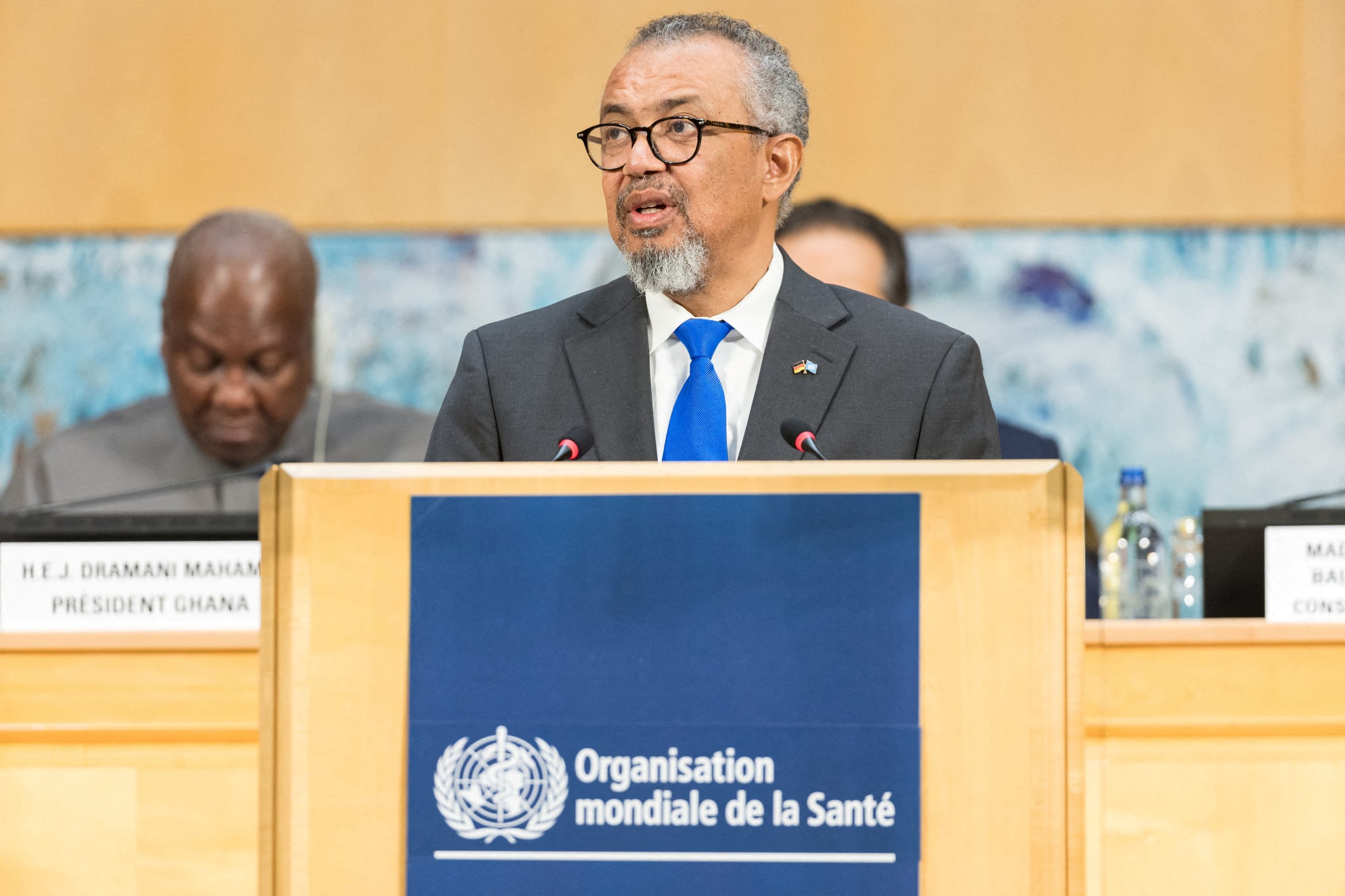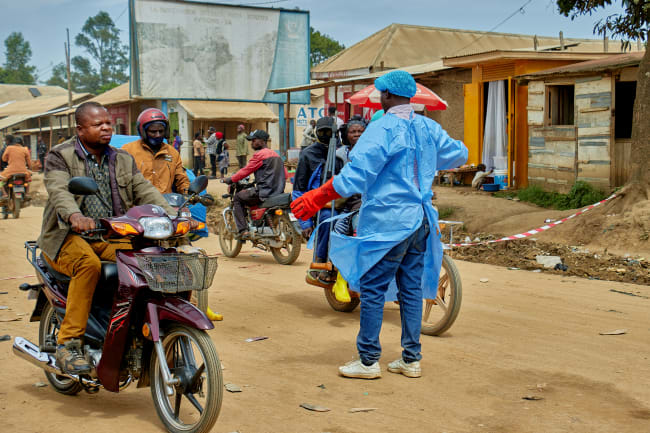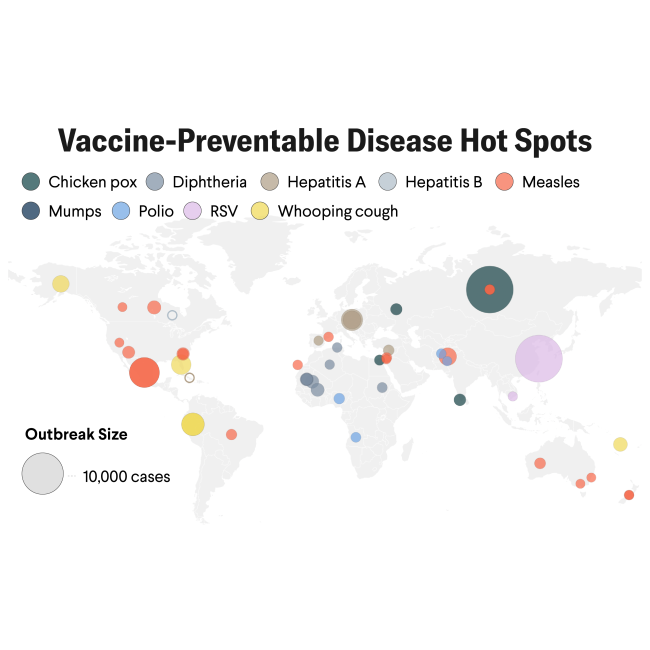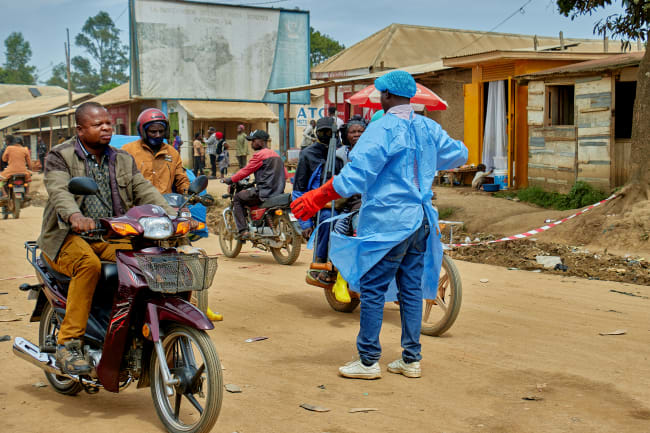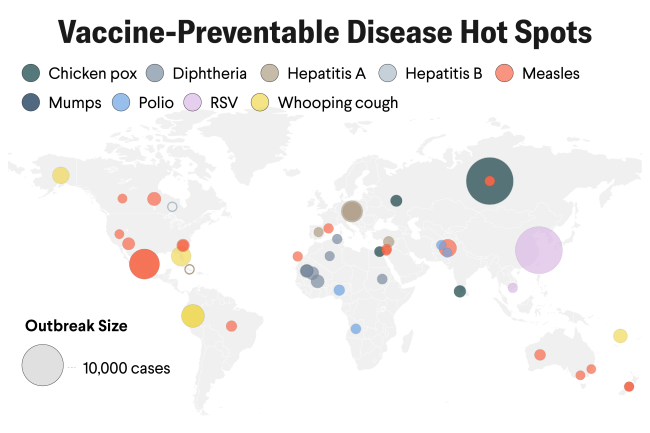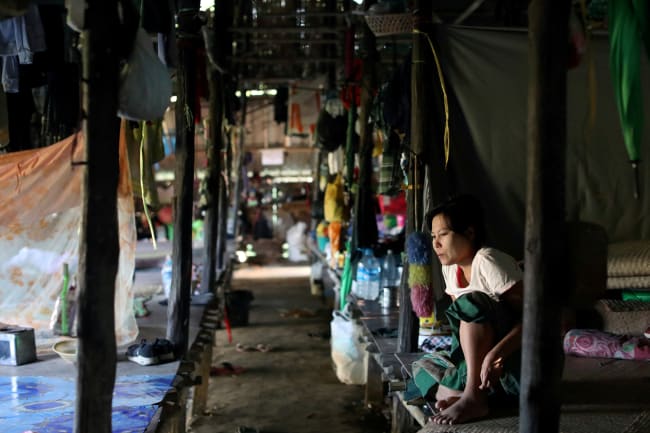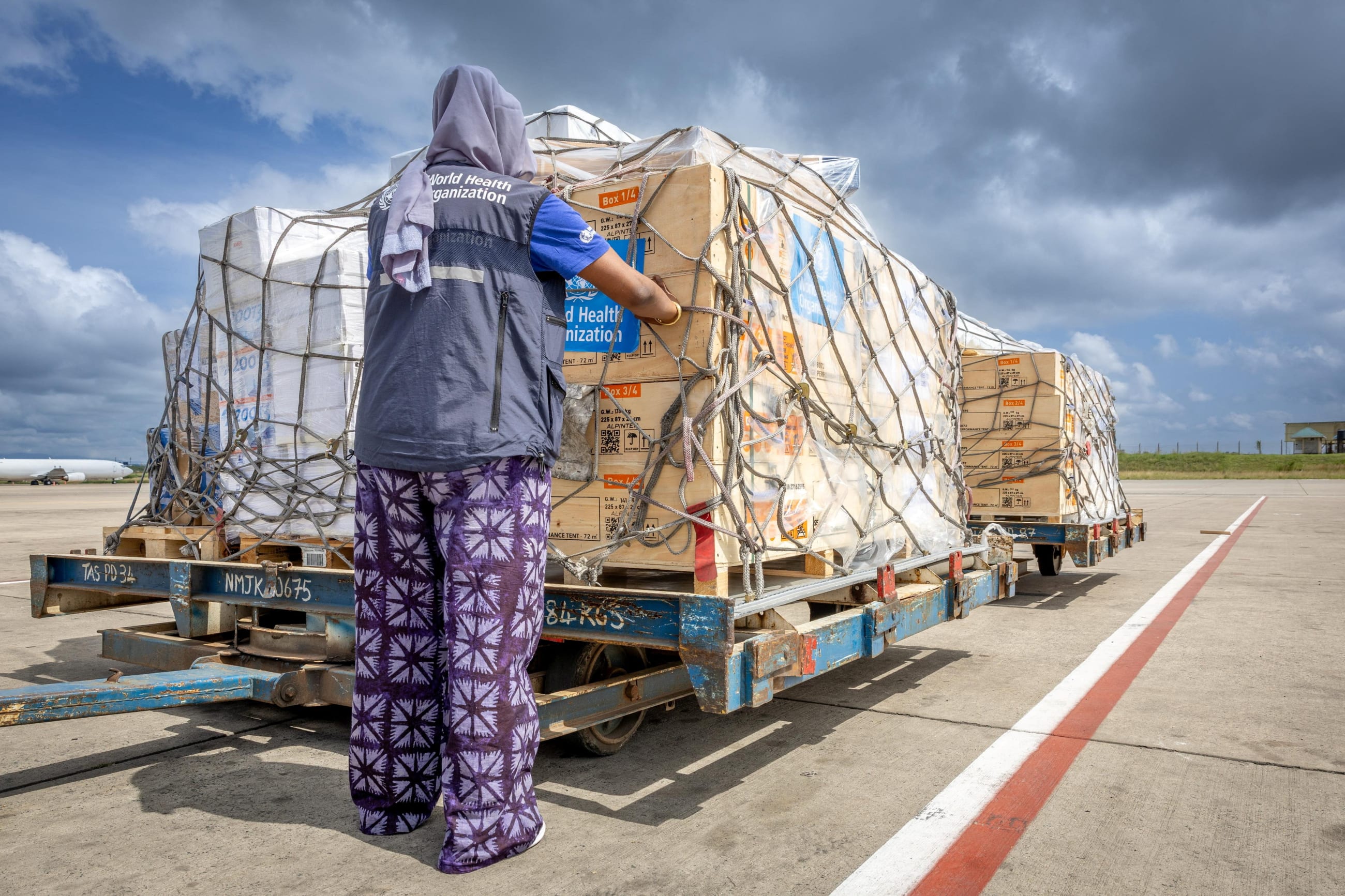
As the seventy-ninth World Health Assembly (WHA79) opens in Geneva this week, the World Health Organization (WHO) has determined that an Ebola epidemic in the Democratic Republic of Congo and Uganda, caused by the Bundibugyo species of the virus, constitutes a public health emergency of international concern (PHEIC). Alongside measles outbreaks in the United States, Bangladesh, and England, and a multi-country Andes hantavirus cluster linked to travel from Argentina, the Ebola incident is a reminder that health security is a shared exposure, not a charitable project directed toward corners of the world.
These outbreaks expose the limits of a narrow health-security narrative. They differ in scale and pathogen, but they recall the same moral: every region depends on functioning surveillance, transparent notification, trusted public-health institutions, and equitable access to countermeasures.
These emergencies are also unfolding against deeper architectural pressures. Fiscal space for global health continues to shrink. The WHO is under acute financial pressure. The Pathogen Access and Benefit Sharing (PABS) annex to the Pandemic Agreement remains unresolved. The America First Global Health Strategy is reshaping cooperation through bilateral deals with partner countries, known as health memoranda of understanding (MOU). France has just convened the Africa Forward summit in Nairobi, promising a new investment-based relationship with Africa against a historical backdrop that African leaders and citizens have every reason to scrutinize.
The formal assembly agenda recognizes this. The WHO's proposed joint process on reform of the global health architecture [PDF] explicitly acknowledges that the world has changed, that national health sovereignty and regional capacities have expanded, and that the current architecture is marked by fragmentation, duplication, power imbalances, and constrained financing. The same document places country leadership, subsidiarity, coherence, accountability, predictable financing, and regional functions at the center of the reform conversation.
Every region depends on functioning surveillance, transparent notification, trusted public-health institutions, and equitable access to countermeasures
The agenda is directionally right. Its credibility depends on whether member states confront the power, financing, and accountability questions that reform documents often acknowledge but rarely resolve.
In Geneva, the mood is not one of routine agenda management. The Ebola PHEIC has sharpened conversations that were already uncomfortable: how to finance preparedness when budgets are shrinking, how to negotiate benefit sharing when trust is thin, and how to reform institutions while they are still being asked to respond to crises in real time. The conversations and side events are dominated by the language of finance and reform. I am hearing less about whether reform is needed and more about whether the political will exists to make it real.
Moving Health Reform Beyond Slogans
For Africa, the health reform debate is not abstract. African countries must shape the next global-health order or continue paying the price for decisions made elsewhere.
This test is central to the current reform moment. Africa has too often been treated as a site of risk, need, implementation, and consultation. It has rarely been treated as a source of authority, institutional design, financing choices, regulatory capability, manufacturing ambition, and political direction.
Health sovereignty is not a slogan. It means governments setting priorities, financing core functions more credibly, governing existing resources better, strengthening regional institutions, and negotiating external partnerships from a position of public interest. It also means facing uncomfortable truths: weak prioritization, poor governance of existing funds, fragmented planning, and the persistent treatment of health as a social-sector cost rather than an economic and development investment. My recent work argues that Africa's health-financing challenge is not simply a question of insufficient resources. It is also how effectively countries govern, prioritize, and deploy the resources they already have [PDF].
External partners need to change. Reform cannot become a new vocabulary for old power. Consultations that invite African voices late, under-resource African participation, and then call the outcome consensus will not produce legitimacy. Nor will reform processes that protect institutional mandates while shifting risk to countries with the least fiscal capacity.
The WHO remains crucial to any credible global-health architecture. But centrality is not immunity from reform. The organization must protect its core authority in norms, standards, evidence, surveillance, and global convening. It must also retain the capacity to act when outbreaks overwhelm national and regional systems. The lesson from the 2014–16 West Africa Ebola outbreak was that the WHO's delayed leadership, weak operational readiness, and unclear accountability cost lives. Many changes made after that outbreak should be protected, while a better balance is defined. The WHO should avoid duplicating roles that governments, local institutions, regional bodies, and other entities can perform better. Its current financial pressure should be viewed as more than a budget problem. It is a test of whether WHO member states are willing to fund the institution they expect to lead, and whether the WHO is willing to make the choices needed to remain trusted, focused, and effective [PDF].
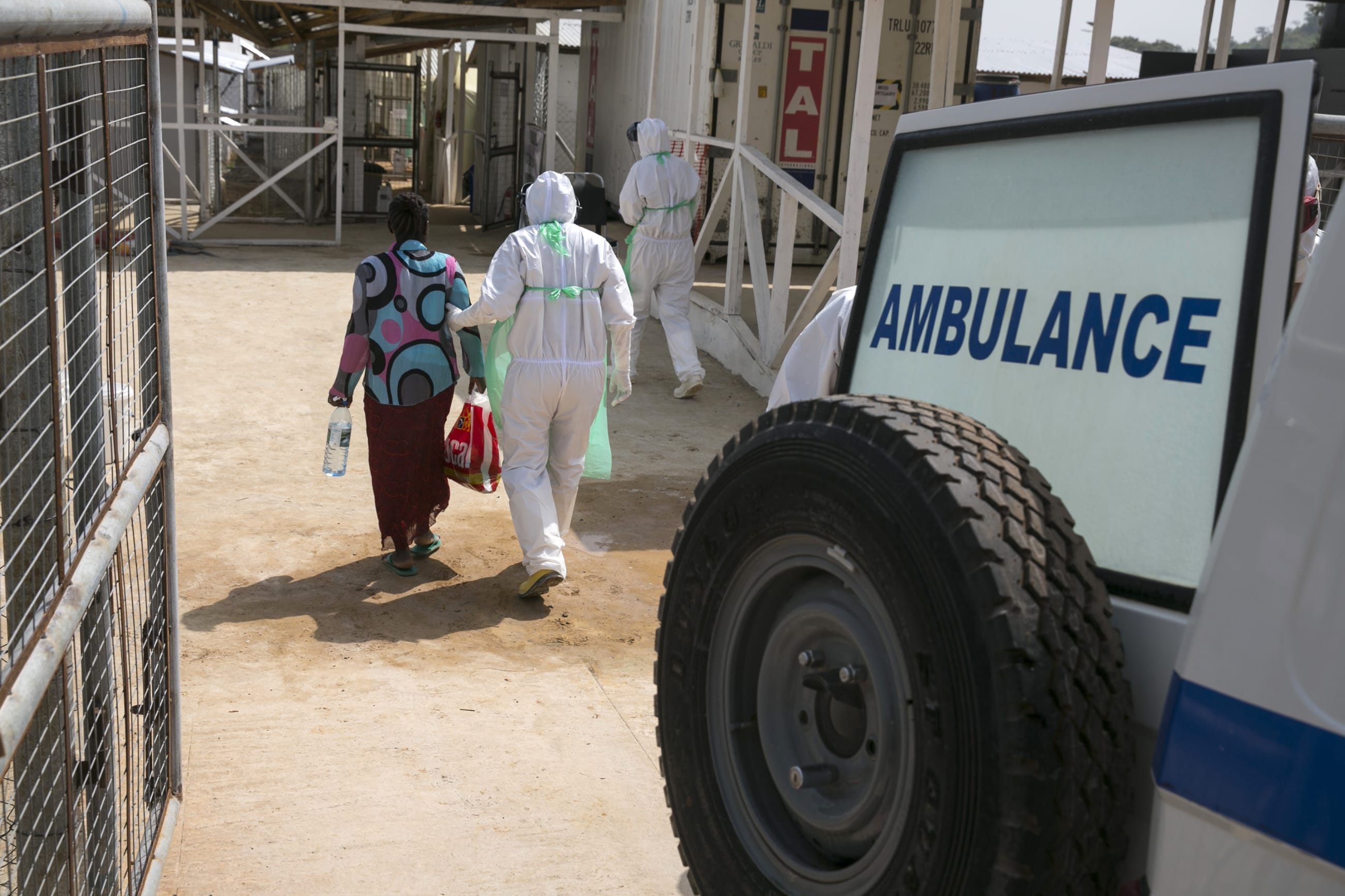
The practical test of WHO reform is whether it can help member states reach agreements that hold when trust is low and risk is high. That is why the unresolved Pathogen Access and Benefit Sharing annex matters. In early May, member states agreed to extend negotiations, and the intergovernmental working group (IGWG) is scheduled to meet again in July 2026. The extra time could be necessary, but it also exposes the central political challenge: turning the language of equity, sovereignty, and shared risk into obligations that countries can rely on.
The new PHEIC makes this less abstract. Countries that detect threats early, report transparently, share samples and data, and face the first wave of risk should not be left waiting for diagnostics, vaccines, therapeutics, technology transfer, manufacturing capacity, and scientific collaboration. If benefit sharing remains discretionary, the Pandemic Agreement risks reproducing the failure that damaged confidence during COVID-19: risk travels quickly from affected countries, and benefits return slowly to affected populations. Failure to resolve this will weaken confidence in the wider Pandemic Agreement and in the reform agenda itself.
The financing question is just as fundamental
The financing question is just as fundamental. Global health financing has relied too heavily on official development assistance, earmarked contributions, short funding cycles, and donor priorities. This situation has produced a web of vertical funding streams that distort national priorities, increase transaction costs, and leave core public-health functions exposed. The financing model that shaped the current system is poorly suited to the architecture now required. Countries are asserting sovereignty, donors are retreating, and new bilateral agreements are pushing more responsibility onto national systems. That shift is necessary, but it cannot succeed if shared health functions remain dependent on fragmented, unpredictable, and politically contingent funding. A credible reset will require [PDF] financing that is more predictable, more coherent, and less vulnerable to the political cycles of a small group of donors.
Geopolitics is now shaping the terms of health cooperation more openly. The America First Global Health Strategy and its bilateral MOUs are part of a wider move away from pooled multilateral responsibility toward negotiated bilateral interest. That shift may bring speed, directness, and clearer expectations in some contexts. It also raises serious concerns about bargaining power, cost transfer, data sovereignty, continuity of essential services, and whether health security becomes increasingly shaped by the strategic interests of powerful states.
The same caution applies to the recently concluded Africa Forward summit. The language of co-investment, sovereign equality, and partnership is welcome. The history requires skepticism. France's influence in Africa is being recalibrated at a time when its role in parts of West Africa has been openly challenged. The Nairobi summit reportedly mobilized 23 billion euros in investments and placed Africa's risk architecture, credit costs, and private capital at the center of the discussion. African countries should judge the summit by what changes occur in bargaining power, ownership, local value creation, debt exposure, and accountability. New language does not erase old patterns.
What Should WHA79 Do?
WHA79 should send a clear signal across the system. Member states need to clarify functions before defending institutions: What belongs globally, what should sit regionally, what must be led nationally, what needs shared financing, and what should stop because it duplicates, distracts, or weakens ownership?
African governments need to enter the process as co-architects, not consultees. That requires stronger collective positions, more disciplined domestic-financing choices, better use of regional bodies, and sharper negotiation of external partnerships. The WHO needs to protect its core authority by becoming more focused, more independent, more technically excellent, and more honest about what it can and cannot do. Global health initiatives, philanthropies, and bilateral donors need to align behind country-led plans and regional capabilities, and resist the temptation to rebrand old control as efficiency.
Middle powers should stop waiting for a perfect geopolitical climate. Multilateral cooperation is being weakened now, and the repair work must start now. Civil society and communities should insist that reform does not become an elite institutional exercise conducted far from the people who experience service collapse first.
WHA79 must act on two tracks. The first is system change: a global health architecture that is less fragmented, less discretionary, more country-led, more regionally anchored, and more accountable for shared risks and shared benefits. The second is harm reduction while that change is built: no abrupt service collapse, no unmanaged transition from donor-funded programs, no unfunded mandates to countries with the least fiscal space, no outbreak-response gaps, and no reform process that shifts responsibility without shifting power. Reform will take time. Harm is already happening. WHA79 should be judged by whether it can stay on both tracks.