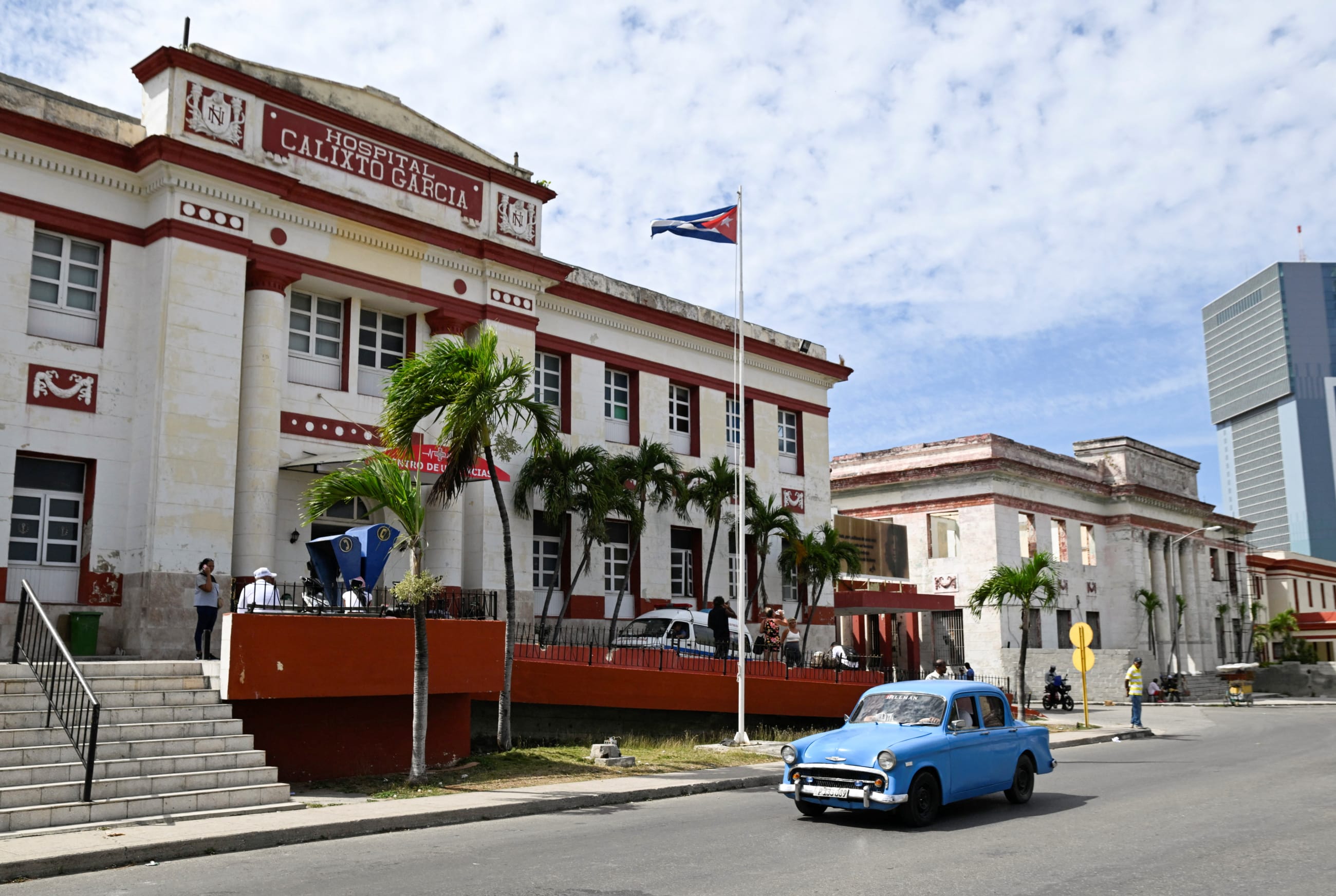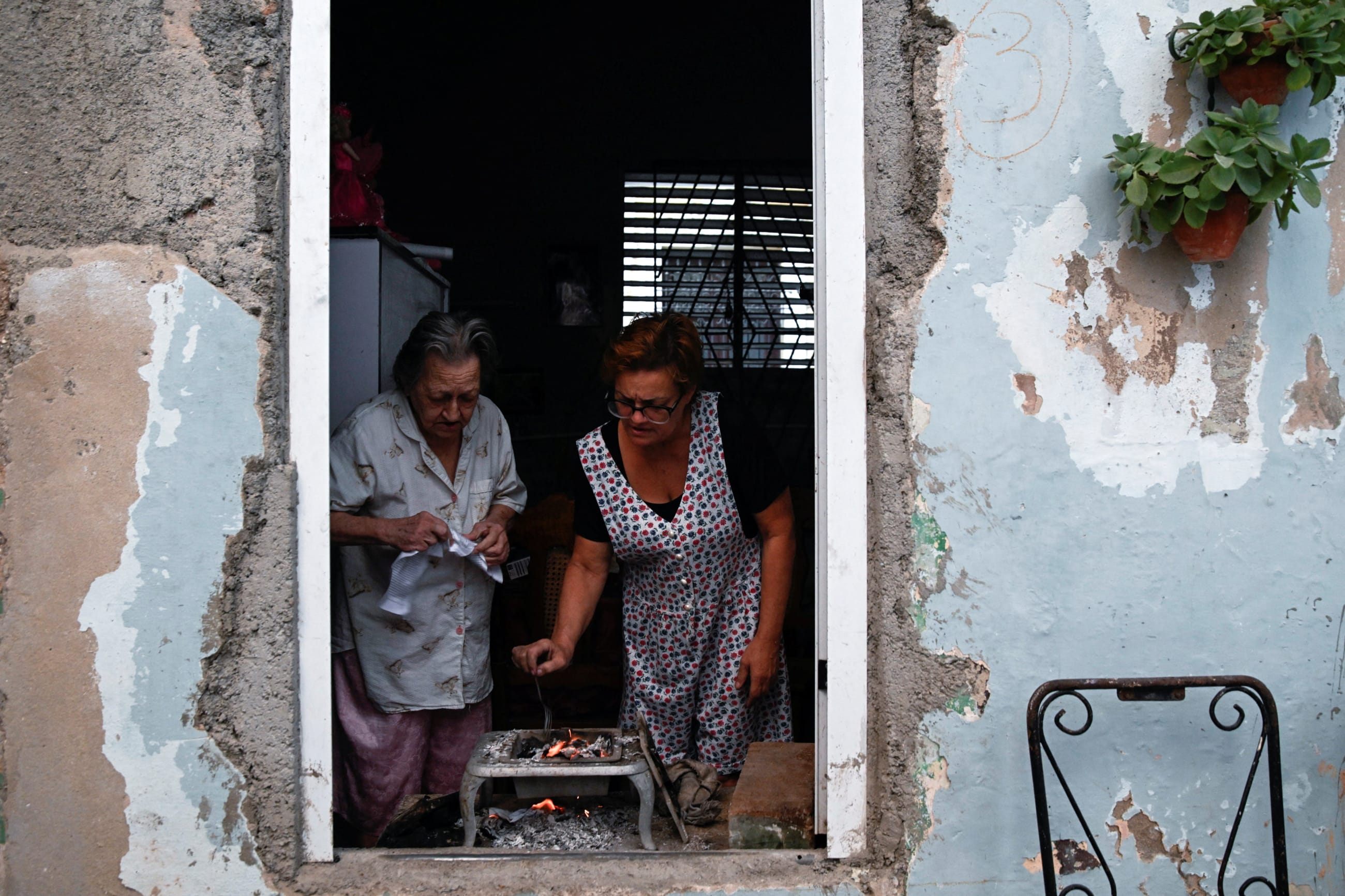
The 2026 U.S. oil blockade on Cuba has demonstrated how fuel holds the island's health system together. Cuba produces only about 40% of the crude oil it needs [PDF], meaning the Caribbean nation has long depended on imports, primarily from Venezuela, to sustain its energy supply.
Within the first nine months of 2024, Venezuelan oil shipments had fallen to roughly half their previous volume, and the national power grid, running on aging infrastructure well beyond its designed lifespan, began to experience island-wide collapses. When Venezuelan deliveries halted abruptly at the start of 2026 after President Nicolás Maduro's removal, followed soon after by Mexico's decision to suspend shipments amid growing fear of U.S. reprisals, the island was left with limited oil-supply lines.
Then, on January 29, 2026, a U.S. executive order threatened tariffs against any country supplying oil to Cuba, closing off any remaining external sources. Although a Russian tanker delivered fuel in late March, its cargo only covered 9 to 10 days of national demand. By early January, Cuba's power grid was already failing repeatedly, leaving regions without electricity for 72 hours or more. Because 84% of the country's water-pumping systems depend on power, clean water and sanitation services have also been disrupted, and reliance on water tanker trucks, known locally as pipas, has doubled nationwide—from 500,000 people in December 2025 to approximately 1 million in March 2026.
Another U.S. executive order, issued on May 1, 2026, converted those threatened tariffs into blocking sanctions reaching foreign banks and Cuba's energy, financial, mining, and security sectors—a tightening that UN human rights experts have characterized as energy starvation. By May 13, the Minister of Energy and Mines Vicente de la O Levy announced that Cuba had depleted its diesel and fuel oil reserves.
The warning reflects that every domain of the health system depends on fuel and is disrupted by its failure
The fuel blockade lands amid a complex socioeconomic backdrop [PDF]. Cuba's three principal sources of foreign currency had been weakening before the COVID-19 pandemic compounded them: between 2018 and 2021, service exports—mainly medical and education missions—fell 49%, remittances dropped 71%, and gross tourism revenue declined 87%. External debt had grown 69% over the previous decade and international reserves were effectively exhausted, and Cuba—not a member of the International Monetary Fund (IMF), World Bank, or Inter-American Development Bank—has no lender of last resort.
The Tarea Ordenamiento (Ordering Task) initiative, implemented in January 2021 to unify Cuba's dual currency and restructure wages and prices, produced runaway inflation instead. State capital investment has continued to favor tourism over sectors relevant to population welfare. According to official figures, between 2020 and 2024, the investment share allocated to hotels and restaurants rose from 2.0% to 12.0%. In contrast, public health and social assistance increased only from 0.9% to 2.1%, and agriculture fell from 5.9% to 3.1%.
Then in late October 2025, Hurricane Melissa made landfall in southeastern Cuba, damaging 215,000 homes and 642 health facilities across five provinces, displacing 735,000 people, and destroying an estimated 40% of national vegetable production. Those losses remained unrecovered when the fuel blockade tightened three months later.
As a result of the economic crisis, Cuba has experienced the largest outmigration in its history: an estimated 2.5 million people (24% of the population) left the island between the ends of 2020 and 2024. Over the same period, live births fell by nearly a third, while population aging accelerated, with adults older than 60 becoming a larger share of the population, rising from 21.3% to 25.7%.
These breakdowns exemplify a polycrisis—a situation in which multiple disruptions interact and compound one another, so that the combined effect is substantially worse than any individual failure would produce in isolation.
Cuba's health system is struggling in these conditions. By September 2025, the pharmaceutical and logistics infrastructure had collapsed, as 69% of Cuba's 651 essential medicines were in short supply, and 51% were in stockout. By March 2026, 80% of the country's 401 domestically produced essential medicines were below required levels, and medicines are now predominantly available through an informal market at prices unreachable for most patients on state salaries.
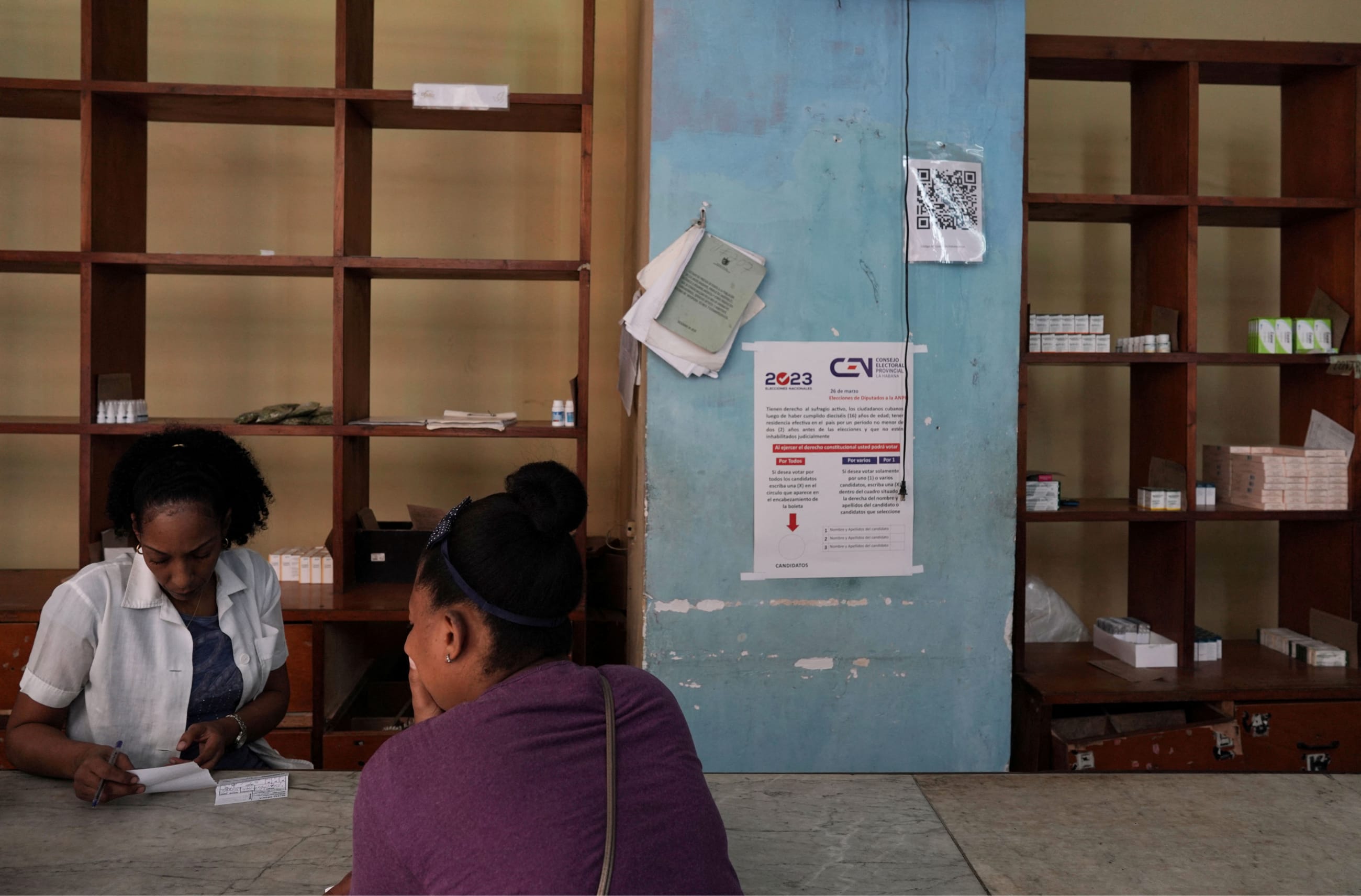
The scarcity of jet and diesel fuel has grounded international flights, halted the import of vaccine inputs, and disabled refrigerated transport. Dozens of containers carrying medical supplies, and even the World Food Program's assistance cargo, have remained stranded at ports, customs facilities, and warehouses because of fuel scarcity.
Until the COVID-19 pandemic, Cuba's life expectancy and infant mortality rates approached those of high-income countries, and in 2023, the government spent 20.0% of general government expenditure on health, equivalent to 7.8% of gross domestic product (GDP). However, in March 2026, the UN System in Cuba launched a $94.1 million emergency appeal, warning that continued fuel scarcity risked an accelerated deterioration with possible loss of lives.
The warning reflects that every domain of the health system depends on fuel and is disrupted by its failure.
Maternal and Neonatal Care
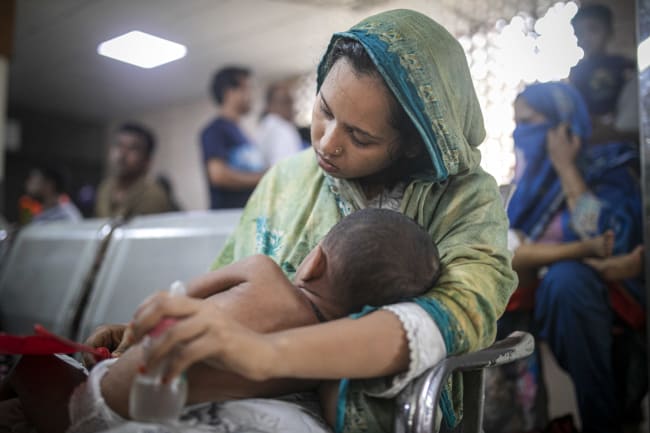
The oil blockade's disruptions to maternal and neonatal health are already measurable. In February 2026, Cuba's Ministry of Public Health reported that 32,880 pregnant women faced additional risks because of fuel shortages that disrupted access to obstetric ultrasounds, preventing the mobilization of emergency obstetric commissions and delaying infant vaccination schedules.
Infants requiring home ventilation, mechanical suction, or climate control were identified as being at direct risk of severe hypothermia or hyperthermia, irreversible brain damage, and death. In provinces where 85% of neonatology specialists reside outside the municipality where they work, transportation interruptions caused by fuel shortages determine whether a skilled attendant is present at a birth. If obstetric or neonatal complications arise, not having a birth attendant present increases the risk of maternal and neonatal morbidity and mortality.
Power outages at the Ramón González Coro Hospital—the national reference hospital in obstetrics and neonatology—and at the William Soler Children's Hospital—the national reference hospital for pediatric cardiology and cardiovascular surgery—have required health workers to manually restart ventilation for newborns, squeezing a rubber bag attached to the breathing tube during the interval before backup generators start, as battery systems in life-support equipment have not been replaced and replacement parts are unavailable. Replacement parts that nominally fall within the medical exemptions to the U.S. embargo are, in practice, blocked by the 10% U.S.-content rule, supplier overcompliance with secondary sanctions, banking restrictions, and shipping limitations. For newborns who rely on incubators, the same outages and transport delays can lead to hypothermia, hypoxia, and a greater risk of sepsis—preventable conditions under functioning health-care settings that fall hardest on preterm and low-birthweight infants.
32,880 pregnant women
In February 2026, Cuba's Ministry of Public Health reported that 32,880 pregnant women faced additional risks because of fuel shortages
Furthermore, all 46 blood banks are operating at reduced capacity because of shortages of reagents and medicines, jeopardizing transfusion support for surgical patients, women with obstetric hemorrhage, children with leukemia, and the tens of thousands of Cubans on chemotherapy. The consequences are death from uncontrolled hemorrhage, cancer treatment interruption, and, where reagent shortages compromise blood screening, transfusion-transmitted infections.
According to official sources, several concerning indicators, such as low birthweight, neonatal mortality, and maternal mortality, had already been rising since the prepandemic era. Consequently, the 2026 data, once released, is expected to reflect an increase in both maternal and infant mortality due to the impacts of the oil blockade.
Surgery
As early as February 13, 2026, Minister of Public Health José Ángel Portal Miranda ordered that elective, nonurgent surgeries be reduced, ambulance use optimized for emergency transfers, and priority given to cancer and lifesaving procedures. By early March, the national surgical waiting list had reached 96,387 patients, including 11,193 children. Power instability and staff's inability to commute to facilities are contributing to surgery cancellations across the system.
Cardiovascular Care
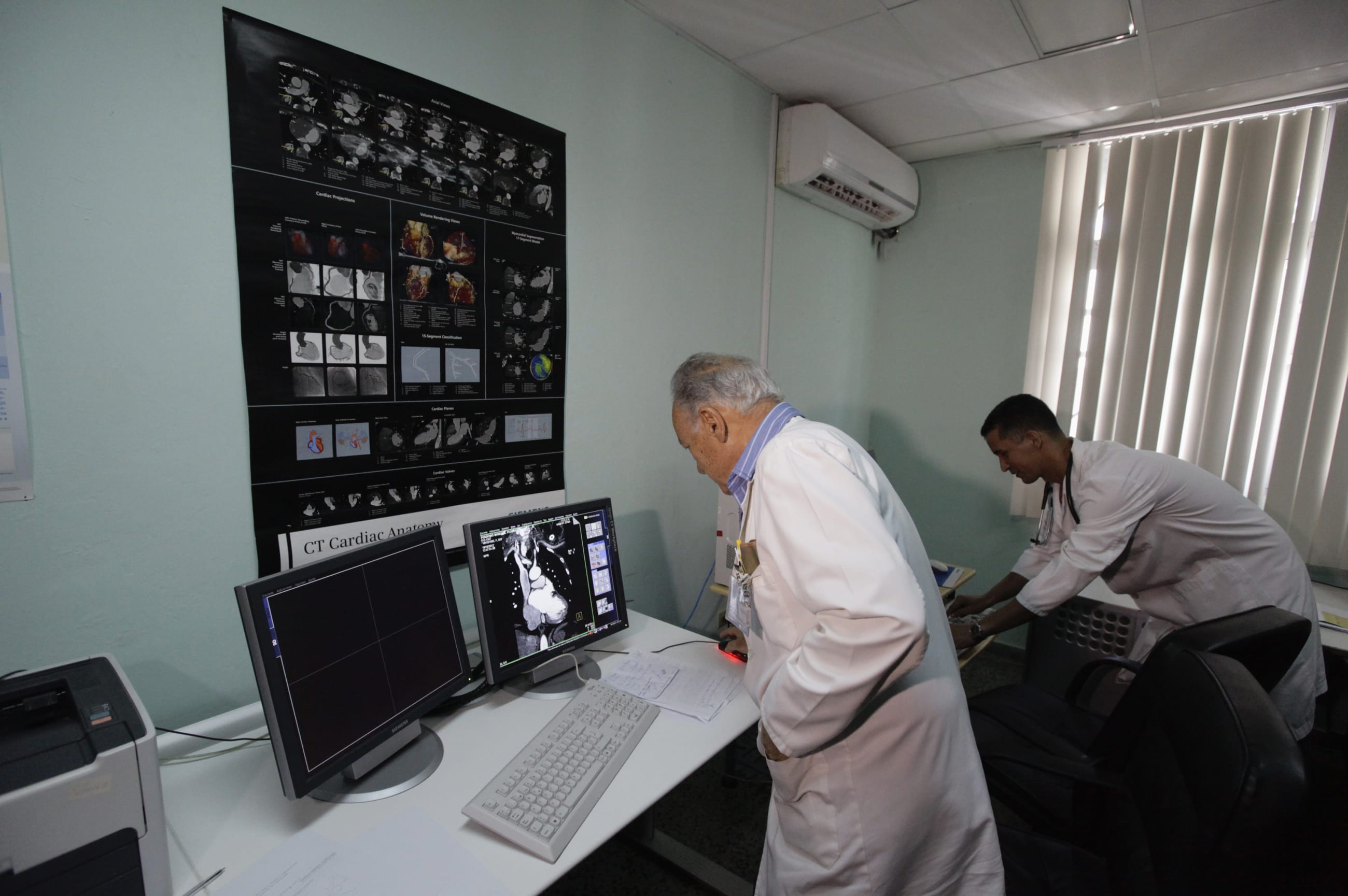
According to data facilitated by the Ministry of Public Health this spring, since February 2026, fuel scarcity has forced hospitals to ration energy-intensive diagnostics, such as computed tomography (CT), magnetic resonance imaging (MRI), and angiography, and physicians have been directed to rely on direct clinical observation in their place. The installed base is already depleted: of 78 CT scanners nationwide, 37 are broken and 9 impaired; of 21 MRI units, 10 are broken and 7 impaired; of 9 angiographers, 3 are broken and 2 impaired. Voltage instability has accelerated equipment failure in hospitals and polyclinics, since many were not repaired or replaced under the decades-long U.S. trade embargo.
At the Havana Cardiology Institute, a national referral center, surgery delays and medication shortages have left patients with cardiac infarctions facing insufficient drugs, personnel, and care. Wait times for stent procedures have reached one to three months. In 2025, approximately 400 patients at the institute did not receive the Medtronic pacemakers they required—devices that, as U.S.-manufactured products, the blockade bars Cuba from purchasing directly. Of the roughly 80 patients annually eligible for complex cardiac ablation, only 40 received the procedure, and consumables for the Abbott EnSite nonfluoroscopic mapping system were exhausted by year's end, since the proprietary kits that are required can only be sourced from the U.S. manufacturer. About 158,800 Cubans with aortic stenosis could be treated with percutaneous prostheses, but the options with the strongest evidence base—Edwards-SAPIEN and CoreValve valves—are both manufactured in the United States, and the same prohibition applies.
Conditions are considerably worse outside Havana, since the country's specialized cardiac institute does not operate in these areas, supplies cannot reach provincial facilities without fuel, and power outages last longer. Even where Cuba has sought to procure imaging equipment from European or Japanese manufacturers, the U.S. blockade bars the purchase of devices containing more than 10% U.S.-origin components, and U.S. and European suppliers have canceled service and spare-parts contracts for fear of U.S. secondary sanctions.
The clinical meaning of these device shortages is not abstract: patients with cardiac conditions on Cuba's waiting lists are accumulating risk by the month as many of these device-level failures sit within a broader population mortality trend of premature cardiovascular deaths in the 30-to-69 age band. This totaled 12,586 in 2024, up 965 from 2023, with the increase concentrated among men.
Oncology
Radiation therapy infrastructure has deteriorated in parallel. Only one of Cuba's six linear accelerators, used for external beam treatments, is currently operational; 10 of 12 cobalt-60 units remain functional for cancer radiation therapy, but approximately 70% are operating with decayed sources that cannot be replaced; and none of the six brachytherapy units is in use. More than 4,000 patients are waiting for radiotherapy, more than 3,000 are awaiting chemotherapy because of shortages of core cytostatic agents, and 3,541 are awaiting oncologic surgery because of a lack of consumables, anesthesia equipment, and surgical lighting.
Bone marrow transplantation has been halted entirely, not for want or clinical capacity—which remains in place—but for the unavailability of a small set of essential medications. March 2026 projections from the Ministry of Public Health indicate that if fuel shortages persist, 12,000 patients will face interruptions in chemotherapy and 16,000 in radiotherapy. These figures signal a systemic contraction in treatment capacity.
Renal Care
On February 13, 2026, provincial health and transport directorates were instructed to coordinate hemodialysis patient transport and to hospitalize patients as a contingency when transportation failed. By March, 2, 888 patients dependent on hemodialysis—a treatment that requires uninterrupted electricity, purified on-site water to dialysate-grade standards, and three 4-hour sessions per week—were experiencing energy instability.
These patients are distributed across 57 hemodialysis units nationwide and are concentrated at the Abelardo Buch López Nephrology Institute, the national referral center. Fuel shortages prevent consumables and dialysate-preparation supplies from reaching units with the regularity that hemodialysis requires; ambulance services have been curtailed, leaving patients to find private transport at prices far beyond a state salary, miss sessions, or be admitted to the hospital ahead of treatment day to ensure access.
Kidney transplantations, which would relieve dependence on the procedure, are constrained by donor scarcity and by the deterioration of many patients beyond transplant eligibility. As of May 1, 2026, patients continue to struggle to get timely dialysis or transport to care, increasing their risk of possibly fatal conditions such as hyperkalemia and pulmonary edema, which can occur within days of a missed hemodialysis session.
Chronic Disease Management
Noncommunicable diseases account for 81.7% of total mortality in Cuba. Approximately 2 million people with hypertension, 1 million with diabetes, and 1 million with asthma are experiencing treatment interruptions, increasing the risk of complications and death among the approximately 5 million people with chronic conditions. Imports are constrained directly by the blockade's prohibitions on U.S.-origin pharmaceuticals and on third-country products containing more than 10% U.S. components; domestic production has been throttled by the inability of Cuban pharmaceutical factories to operate without diesel. The same blockade is therefore acting at both ends of the supply chain: barring entry to the imported medications and immobilizing the factories that would otherwise produce the domestic substitutes.
Communicable Disease and Vaccination
Since July 2025 until end of January 2026, Cuba recorded 52,674 suspected chikungunya cases across 13 of its 15 provinces, with 48 deaths, alongside 30,894 dengue cases and 27,755 cases of Oropouche. The mechanisms of strain are concrete: fuel shortages disrupt vector control—such as garbage collection—and routine fumigation cycles; diagnostic reagent shortages may leave suspected cases unconfirmed; intermittent power compromises cold-chain integrity and laboratory operations; and damage to water and sanitation infrastructure from Hurricane Melissa has expanded vector habitat in the provinces with the highest case counts.
Cuba's deterioration sits within a broader hemispheric pattern of resurgent vaccine-preventable disease: approximately 30,000 children have not received scheduled vaccines on time because intermittent refrigerated transport cannot move biologics that the country already holds in its warehouses. The disruption to childhood vaccination illustrates how a fuel shortage converts available resources into unavailable care without any supply failure. Instead, the disruption is due to constraints caused by the need for refrigerated transport. From 2019 through 2024, Cuba maintained continuous vaccination coverage above 95% for all major antigens—diphtheria, tetanus, pertussis, measles, polio, and Bacille Calmette-Guérin (BCG). Cold-chain instability and transport constraints now threaten to create subnational immunity gaps that could enable the transmission of measles, meningitis, and other vaccine-preventable diseases.
Food and Nutrition
Cuba's program of monthly food, supplements, and medicine packages for new mothers and infants, credited by the UN Children's Fund (UNICEF) with keeping child malnutrition among the region's lowest until the pandemic, has contracted. Between 2018 and 2024, agricultural GDP decreased by 61.7%, and cold-chain failures are causing spoilage before food reaches households due to insufficient refrigeration.
The Polycrisis in Practice
These breakdowns are entangled by the absence of a single input—fuel—and that entanglement defines both the structure of the crisis and what an adequate response should address.
This is what a polycrisis means in practice: one structural condition producing cascading harm across every health domain. The longer the convergence of fuel shortages, pharmaceutical inaccessibility, and technological deterioration persists, the less reversible the damage becomes—particularly for patients whose treatment windows close.
The Cuban people did not create this crisis. Opening a humanitarian pathway without delay is overdue.