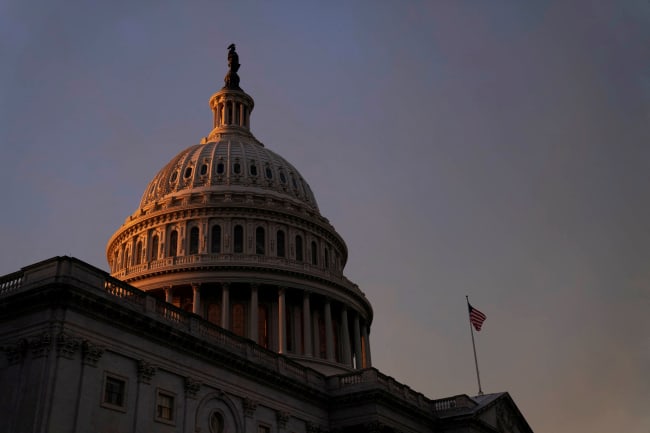
As armed conflict roils broader swaths of the world, countries are struggling to enforce UN Security Council Resolution 2286, a measure adopted a decade ago to prevent attacks against medical and humanitarian personnel as well as medical facilities. The resolution came in direct response to systematic targeting of health care in Syria, where more than 200 health-care facilities were destroyed from 2016 to 2022.
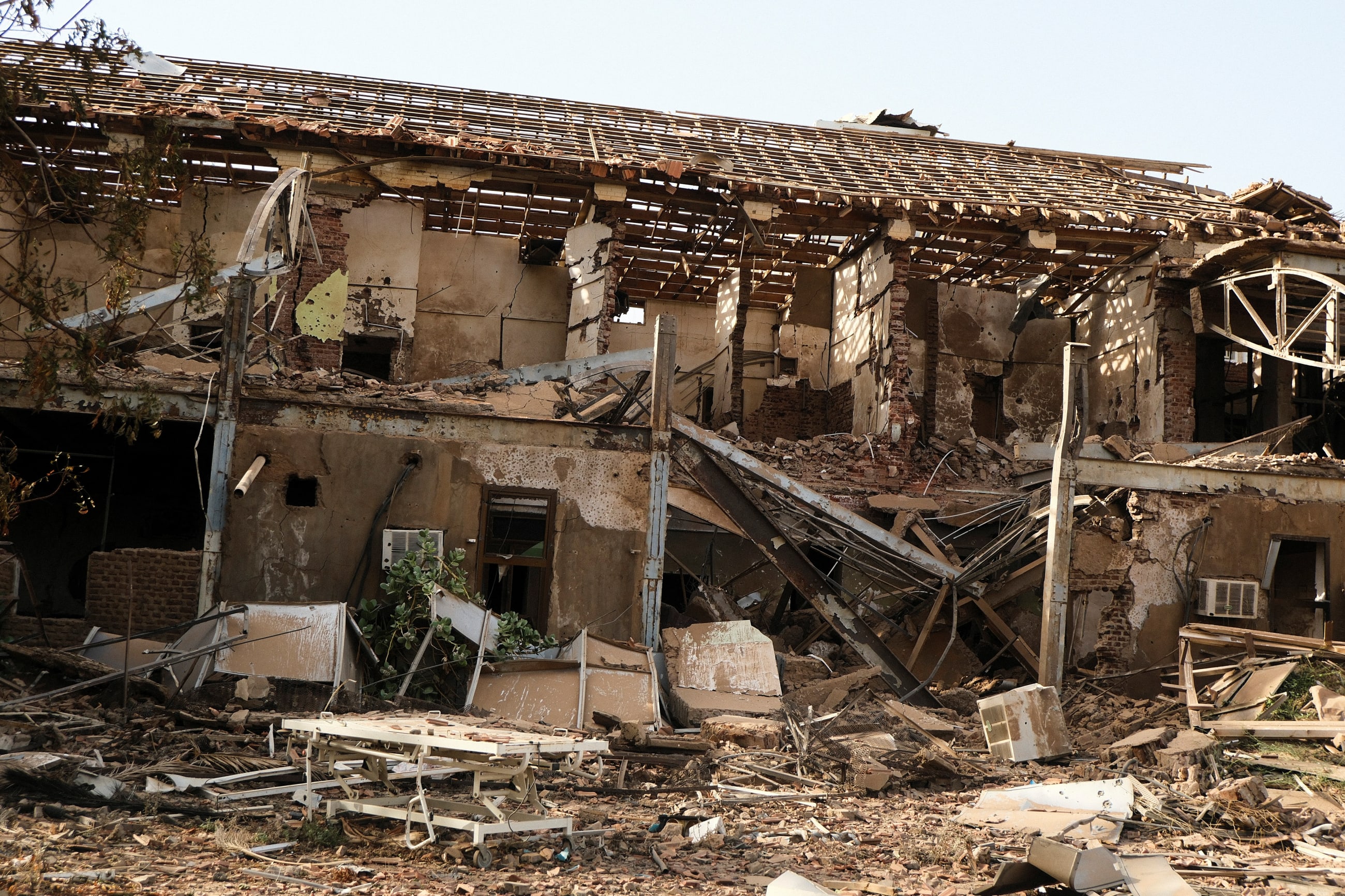
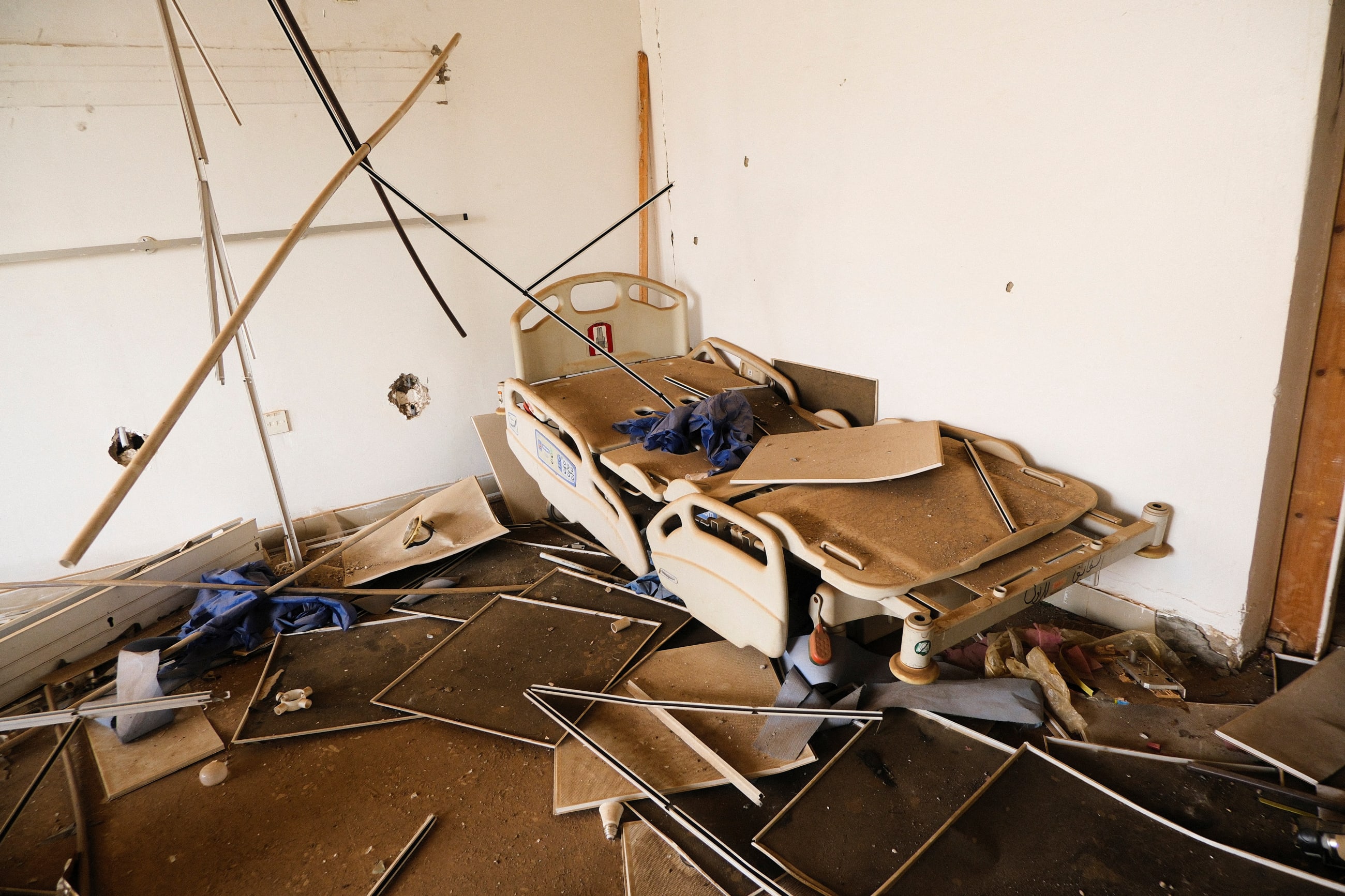
In recent years, attacks on health care have reached record levels, and Sudan, which entered the fourth year of its civil war in mid-April, is one hotbed for that destruction. Since the war began, in 2023, the United Nations reports that there have been attacks on at least 217 health-care facilities and more than 2,000 civilian deaths, including a March attack on el-Daein Teaching Hospital that killed 64 people.
As warring forces continue to target health care, Michelle Gavin, senior fellow for Africa policy studies at the Council on Foreign Relations and former ambassador to Botswana, digs into what Resolution 2286 means in the modern context of Sudan.
Gavin interviewed Yasir Elamin, an oncologist and president of the Sudanese American Physicians Association (SAPA), to understand how the resolution's lack of enforcement has failed to protect hospitals, humanitarian workers, and civilians in Sudan.
The interview was edited lightly for clarity.
□ □ □ □ □ □ □ □ □ □ □ □ □ □ □ □□ □ □ □ □ □ □ □ □ □ □ □ □ □ □
Michelle Gavin: On May 13, 2016, the whole world agreed on Resolution 2286. How does that global consensus compare to what you're seeing on the ground in Sudan?
Yasir Elamin: That resolution was an important milestone, driven largely by what was happening in Syria at the time, where there were systematic attacks on health-care facilities. While the resolution itself didn't have teeth or clear consequences [of what would happen] when [a party] attacked a health-care facility, it set the norms and the tone around the importance of respecting international law.
The reality in Sudan is that this resolution is not being respected and that the war is not being conducted in accordance with international law
One would have hoped that after 10 years, we would have seen more respect for those norms set by that resolution. I'm kind of sad to say that in Sudan we're actually heading in the opposite direction. We're seeing systematic attacks on health-care facilities. It's very hard to believe that [those attacks] are not deliberate when you see that the World Health Organization (WHO) reported more than 200 attacks on hospitals, resulting in the deaths of more than 2,000 patients and health-care professionals. The Sudan Doctors Union reported that 150 health-care professionals died while providing for their patients.
The reality in Sudan is that this resolution is not being respected and that the war is not being conducted in accordance with international law.
Michelle Gavin: Since the early days of fighting in Khartoum, health-care facilities have been destroyed at an astonishing rate.
Yasir Elamin: Indeed. In 2024, we [at SAPA] and our colleagues at Yale's Humanitarian Research Lab published a joint report in which we looked exclusively at health-care facilities in Khartoum, the capital, where the majority of health-care facilities in Sudan are concentrated. More than half the health-care facilities have been damaged, and 60–70% are out of service. These attacks are deliberate and took place from the very early days of the war. Some hospitals, like el-Ban Jadid, were famously used as a base by one of the warring parties. To the militants, hospitals are an easy tool of war and a target.
Michelle Gavin: Can you give us a sense of what is possible for a Sudanese citizen who has been displaced and needs access to health care? Where are they getting help?
Yasir Elamin: It depends. In the remote areas of the country, where there are safe places, they could access health care. But this [care] is very primitive, and there isn't access to specialized care for somebody who has a cardiac problem or a cancer diagnosis. The ability to respond to acute emergencies such as cholera and malaria has also diminished significantly. In some areas, local organizations were able to set up clinics with emergency response rooms, but again, these [clinics] are only able to treat simple things like dehydration. It's important to provide lifesaving services, but it's nothing near what we call health care.
There are efforts now to rebuild some health-care infrastructure in more stable areas, such as Khartoum, but there isn't a great appetite for major infrastructure investment. With the war ongoing, the last thing you want to do is build a hospital today for it to be bombed tomorrow. Recently, SAF [Sudanese Armed Forces] bombed a hospital in eastern Darfur in el-Daein. The RSF [Rapid Support Forces] also bombed multiple hospitals, one in el-Obeid and one in central Sudan [in el‑Jabalain].
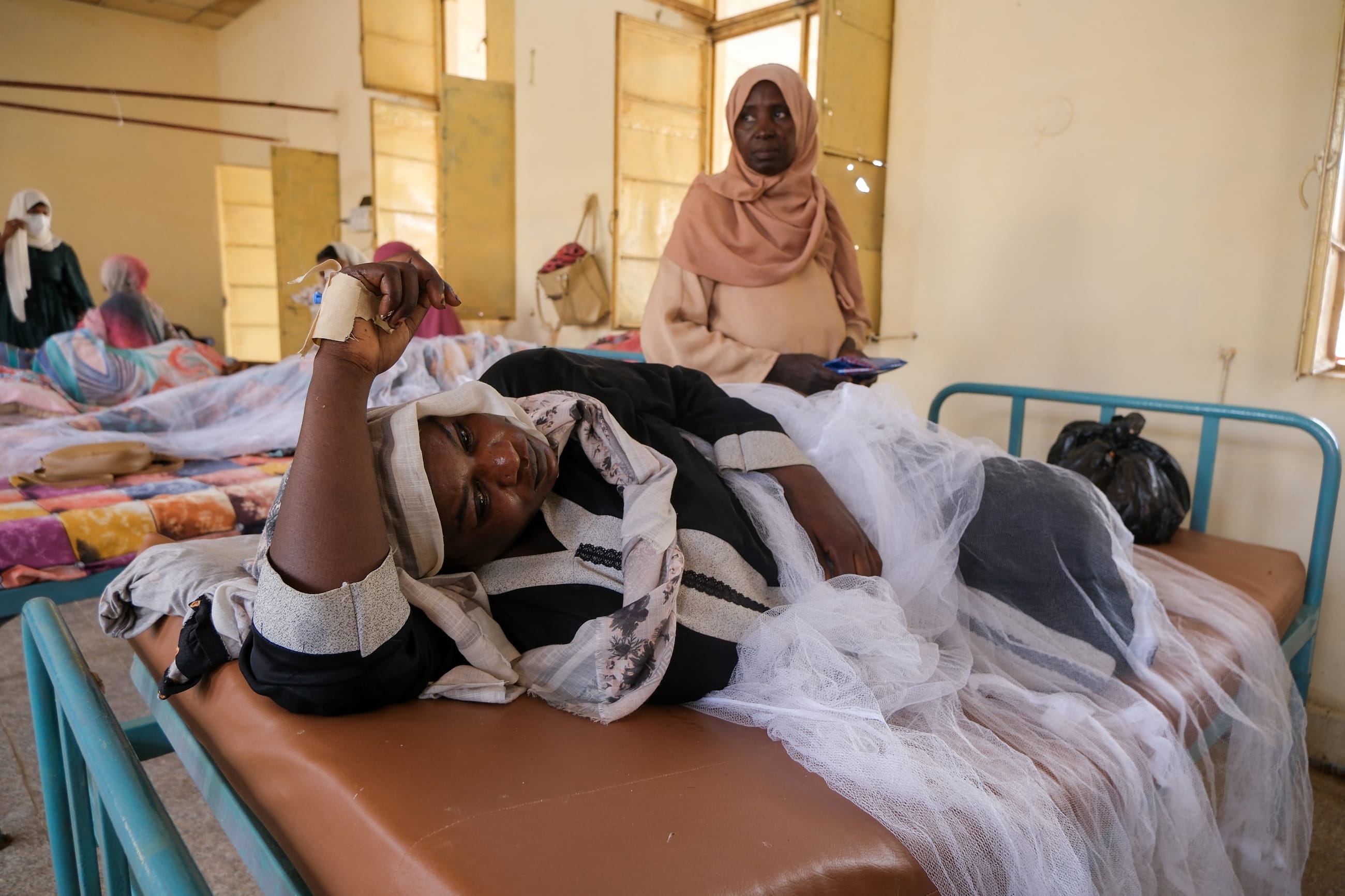
Michelle Gavin: It's not a one-sided problem. What kind of support does the Sudanese American Physicians Association provide for the surviving health-care workers in Sudan?
Yasir Elamin: One of the biggest losses of this war is human capital. Sudanese physicians, nurses, surgeons have fled the country. Many have already found employment in Saudi Arabia, and some have migrated to the West. It's a national challenge to try to bring some of them back. Medical schools, including the University of Khartoum Medical School, have been completely destroyed. It was established by the British 120 years ago, and I graduated from that medical school. Now it's going to take years to rebuild.
Approximately 33–40% of health-care professionals remain overseas. The number one thing we can provide them is incentives. At SAPA, we provide around 3,000 health-care professionals with simple incentives. Other organizations, including the WHO and UNICEF (UN Children's Fund), are doing the same. The incentive program is necessary because the salary that comes from the government is extremely low. If you're a health-care professional, it's not about you just taking care of your family and of your immediate needs; you also want to feel that you're doing a meaningful job. If all the patients you see are going to die, it gets very depressing, and you're going to want to leave. SAPA is also investing heavily in medical supplies and basic equipment. This is a very risky investment, because you can get looted, but there isn't a way of retaining [health-care professionals] without it.
Michelle Gavin: How hard is it to get medical equipment to the providers who need it?
Yasir Elamin: Initially, it was extremely difficult. We didn't have a functional government, and the degree of suspicion toward all nongovernmental organizations (NGOs), whether local or international, was extremely high. If you were to ship something to Port Sudan, the army would take several months to release it—that was also the [case] before opening the Adre border passage, in Darfur. Now, the SAF has a grip on certain areas, and RSF has a grip on others. Those two well-controlled areas have made access certainly easier. Having said that, when you have an active war, like what you see in Kordofan now, it's very difficult to get health care or supplies there.
Michelle Gavin: Absolutely. The health-care professionals who remain behind are doing the best they can, but there are also regular civilians who've tried to step in and fill some of the gaps. What sort of training do they get?
Yasir Elamin: A few days ago, I was talking to a friend named Mohammed Zaki who lived in Khartoum. When the RSF was controlling the area, residents had to set up a clinic in a mosque. The major issues were that residents had to act like a nurse or doctor, and the clinic was extremely busy. Mohammed, who was a lawyer by profession, learned how to administer an IV, how to clean a wound, and how to hang up a drip. Ultimately, when the RSF was out after two years, he considered himself a 'qualified nurse.' But there was no structured training, at least in the initial months of the war. So people had to learn as they went. They were just forced to learn.
Even physicians who have never performed surgery were trained on smaller procedures, like cleaning wounds and stitching. For SAPA, and other organizations, we try to do some structured training, and we try to provide them with simple equipment such as point-of-care ultrasound. This simple device picks up images through an iPad that—if you have a good internet connection—can be downloaded in the United States and viewed by a radiologist, who can help you diagnose what you're seeing. These devices cost around $3,000, but they're incredibly effective in diagnosing things like internal bleeding.
Michelle Gavin: That's a great example of how Sudanese health-care professionals in the diaspora have stepped up to provide as much support as possible. If you had your way, what should the international community, such as that exists anymore, do to hold accountable those who've been responsible for these targeted attacks on health-care facilities and workers—and to help restore the health-care sector in Sudan?
Yasir Elamin: There is overwhelming evidence that crimes are being committed. What we are lacking is the political will to hold those who committed those crimes accountable. For me, the first step is accountability. The warring parties must understand that [fighting] needs to be in accordance with international law. There has to be a special charter preventing them from attacking hospitals and health-care facilities. If you're attacking hospitals, you're aggravating famine because you're not able to treat malnutrition. You're aggravating all sorts of problems. You're aggravating cholera and malaria. You're aggravating an already poor economic situation.
I'm hoping to see more policy mechanisms toward accountability, toward respect for international law, and hopefully, toward being more active in finding a final and permanent resolution to the war.