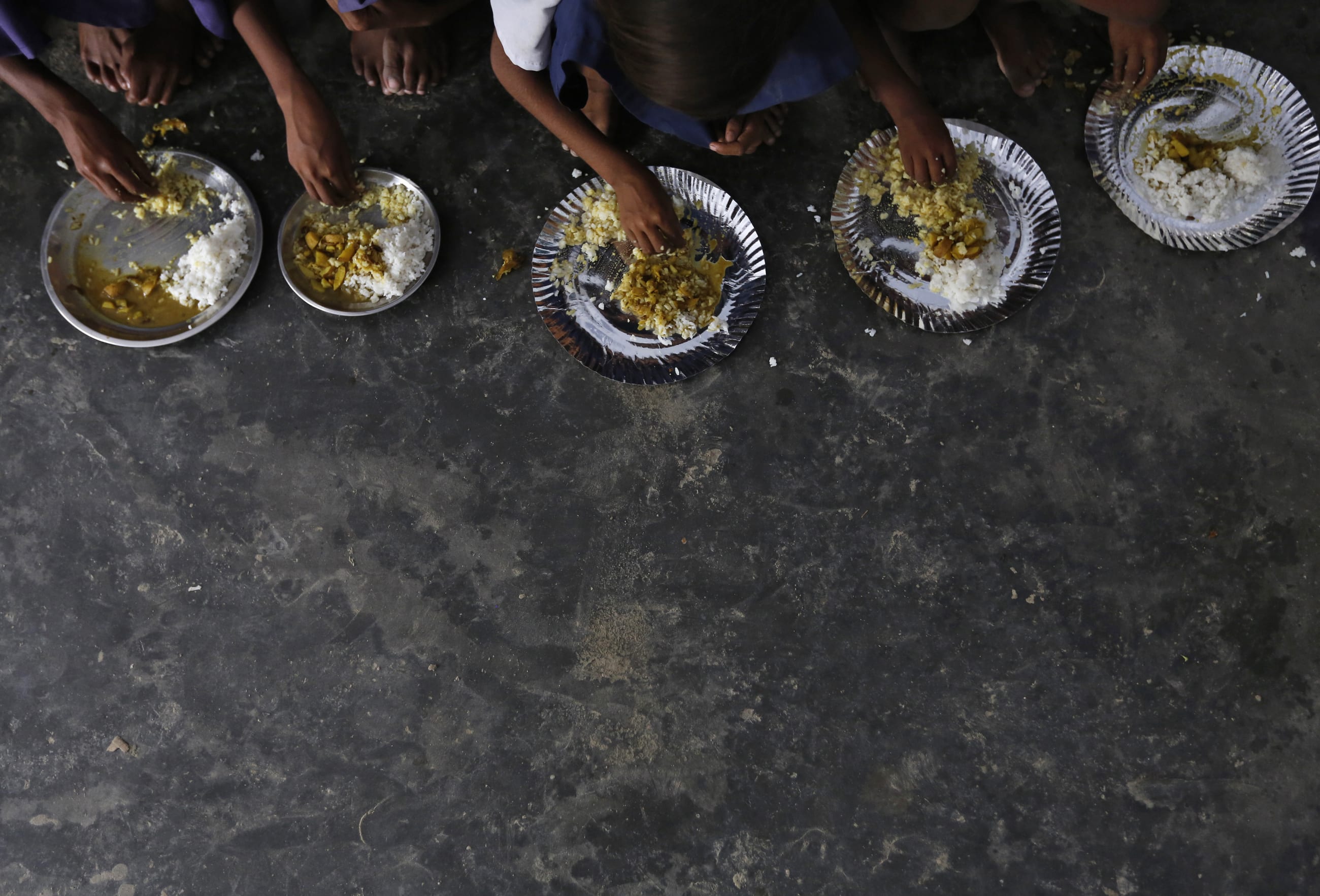
India's nutrition landscape presents a paradoxical challenge for children and adolescents, as they face dangerously high triglyceride—blood fat—levels despite widespread malnutrition.
The government's Comprehensive National Nutrition Survey (CNNS) 2016–18, compiled in 2025, reveals that 35% of children under 5 are stunted [PDF]—or shorter in height than expected—and have adult-level triglycerides. Dietary shifts toward ultra-processed foods and refined carbohydrates, as well as increased sedentary behavior, drive those trends.
Research on South Asian populations shows that elevated triglycerides in early childhood strongly correlate with adult-onset diabetes, hypertension, and cardiovascular disease. These metrics require recalibrating India's health-planning assumptions.
India already has 101 million people with diabetes and an additional 136 million who are pre-diabetic, according to research published by the Lancet in 2023. Previous generations developed these conditions in older ages through gradual lifestyle changes. But with more children suffering from metabolic disorders, the next generation could enter the workforce already managing chronic illness—a development that will strain both health-care systems and the economy. When these patterns begin in early adulthood rather than middle age, the cumulative costs compound, increasing health and education spending and straining the economy.
The Economic Stakes
The human cost of illness is most obvious. Children managing diabetes face lifelong medical expenses, dietary restrictions, and complications that limit career options and quality of life as adults. Metabolic patterns become harder to reverse as children age into adolescence and adulthood.
Children managing diabetes face lifelong medical expenses, dietary restrictions, and complications that limit career options and quality of life as adults
The health-care burden from those adults will be substantial. Annual diabetes care in India costs an average of $230 per patient, and annual cardiovascular disease treatment costs approximately $3,842 per patient. Thirty-eight percent of Indian households with diabetic members experience catastrophic health expenditure—meaning that the cost of care forces those families to cut back on spending for essential items such as food or electricity. Those trade-offs can exacerbate the conditions that force families to make poor dietary choices, perpetuating India's dual burden of malnourishment and high triglycerides.
The high cost of health care already pushes nearly 39 million Indians into poverty or bankruptcy each year, and those costs will increase as the generation studied enters adulthood already managing chronic illness.
Beyond direct medical costs, chronic illness lowers workforce participation and productivity. Workers managing metabolic conditions face higher absenteeism rates and reduced work capacity, and chronic diseases cause individuals to be 11% more likely to limit paid work.
India's Double Burden
Many Asian economies navigated nutritional transitions sequentially: addressing undernutrition first, and then managing obesity and metabolic disease as incomes rose. India's agricultural policies that prioritized calorie production over nutritional diversity created an environment where policymakers are forced to confront both burdens simultaneously. State-level data shows that the problem transcends regional wealth disparities.
West Bengal and Sikkim—with vastly different income levels and cultures—show similar triglyceride levels at 67.1% and 64.6% among children ages 5 to 9. Even Kerala, which achieved an infant mortality rate of 5 per 1,000 live births—lower than the United States and five times below India's national average—shows 16.6% of children affected.
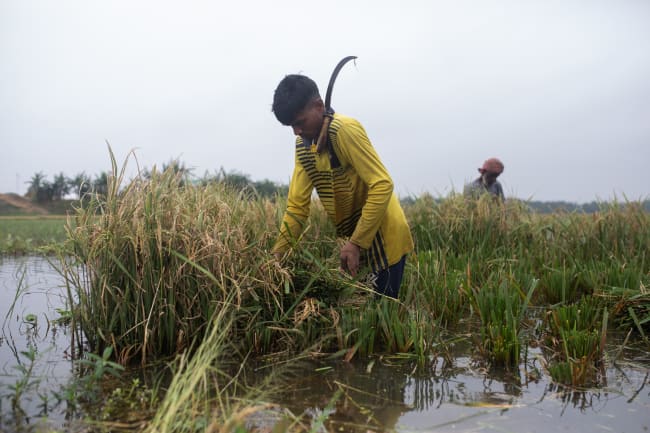
That pattern points to systemic drivers. Widespread reliance on subsidized rice and wheat likely drives high cereal intake, and green-revolution policies reduced pulse cultivation. India's Public Distribution System, through its emphasis on rice, wheat, and sugar distribution, unintentionally reinforces a dietary pattern characterized by high calories and insufficient protein.
India's governmental structure perpetuates the crisis. Agricultural ministries control crop subsidies and procurement prices. Education ministries design school meal programs. Health ministries treat downstream consequences.
No single agency is accountable for children's metabolic outcomes, and this fragmentation undermines any coordinated response.
Lessons From Asia
Children with high triglycerides don't look sick—they run, play, and attend school normally. The damage is subclinical, manifesting in adulthood as diabetes or heart disease. Problems that can't be seen struggle to generate political urgency, and coordination across departments is required to address the factors behind those diseases. Health ministries alone can't address a crisis rooted in agricultural pricing, school nutrition standards, and urban food environments.
This coordination challenge is compounded by electoral incentives. Metabolic health improvements take 15 to 20 years to show in population data. As policymakers debate institutional reforms, the affected children continue aging into adolescence. Each year of inaction represents another cohort entering adulthood already managing chronic conditions.
Several Asian countries have addressed similar nutritional transitions, offering tested approaches India could adapt.
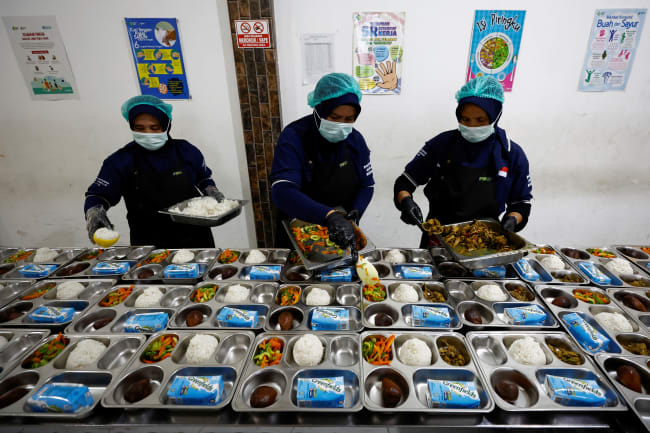
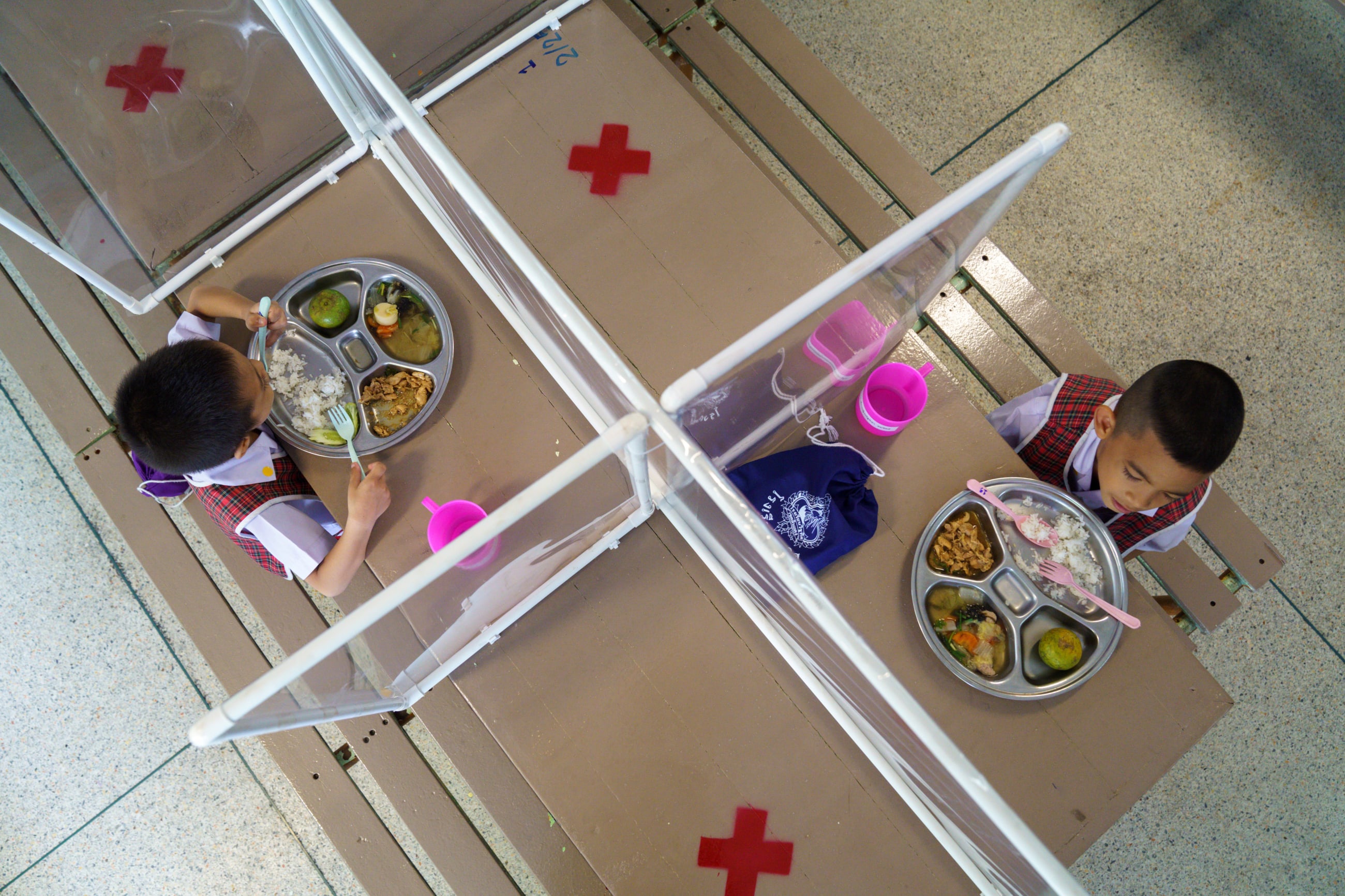
Thailand's school lunch program demonstrates effective cross-ministerial coordination. Since 1993, the Ministries of Education, Interior, and Agriculture have collaborated to provide daily meals to students nationwide while supporting local producers.
The program, budgeted at approximately 20 baht ($0.65) per student, has survived multiple economic downturns because funding was secured by law in 1992 [PDF].
This legislative protection has insulated the program from budget cuts during political transitions.
By embedding nutrition programs within legal frameworks to ensure consistent funding and political resilience, and by pairing that with strong cross-sectoral coordination that links education, agriculture, and local economic support, India could ensure that its youth population has access to healthy meals.
Singapore's food program evolution shows that policies need to target institutions, not just individuals. From 1992 to 2007, the country's "Trim and Fit" program identified overweight students and assigned them extra physical exercise, including during recesses when their slimmer friends could be sitting and eating snacks. Although the program reduced childhood obesity from 14% to 9.8%, it was discontinued because of concerns about stigmatization and psychological harm.
The replacement Healthy Meals in Schools program [PDF] takes a different approach—regulating school food vendors and integrating nutrition education into curriculum rather than singling out individual students. The shift from individual behavior modification to environmental intervention has proved to be more sustainable.
Malaysia's experience with fiscal policy reveals the limitations of sin taxes. The 40 sen per liter (approximately $0.10) tax on sugar-sweetened beverages implemented in 2019 decreased consumption by 9.25%, yet nearly one-third of adolescents (32.4%) still consume sugary drinks daily. This experience demonstrates that taxation works best as part of broader interventions, not as a standalone solution.
These cases share a critical factor: sustained political commitment over decades. Thailand locked in funding through legislation. Singapore maintained programs long enough to evaluate and adapt them. Malaysia demonstrated that standalone policies, such as its sugar tax, are insufficient without broader, systemic interventions. In all three countries, child nutrition programs are treated as essential infrastructure requiring long-term investment rather than short-term projects.
By embedding nutrition programs in law and fostering strong interministerial collaboration, India can secure long-term funding and enable program adaptation. The National Nutrition Mission (POSHAN Abhiyaan) brings together technology, ministry convergence, and community outreach to combat malnutrition via enhanced Mid-Day Meal schemes and targeted interventions.
Yet fully scaling these efforts will require ongoing political commitment to build enduring infrastructure for child and maternal nutrition.
India's fragmented governance remains a major hurdle. Agricultural policies favor calorie-heavy crops, the Education Ministry oversees school meals, and the Health Ministry manages treatment without coordinated oversight of children's metabolic health. The Health Ministry's Rashtriya Bal Swasthya Karyakram (RBSK) program screens children for birth defects, infectious diseases, and rare congenital metabolic disorders but not acquired metabolic health markers such as elevated triglycerides or blood glucose from dietary patterns. Meanwhile, other ministries control nutrition delivery. No single agency monitors children's metabolic health trajectories.
Addressing that lack of coordination requires strengthening existing governance structures. Although the National Council on India's Nutritional Challenges coordinates nutrition policy across ministries, it lacks explicit focus on metabolic health outcomes.
A dedicated cabinet committee on child metabolic health, potentially led by the prime minister's office, could direct the Agriculture Ministry to accelerate crop-subsidy shifts toward pulses and vegetables, the Education Ministry to reform PM-POSHAN meal composition away from refined cereals, and the Health Ministry to mandate metabolic screening within existing RBSK child health checkups—giving one authority accountability over outcomes currently split across three ministries.
India has the necessary data and resources, but whether its political leadership will treat child metabolic health as economic infrastructure, not a downstream health problem, remains to be seen.