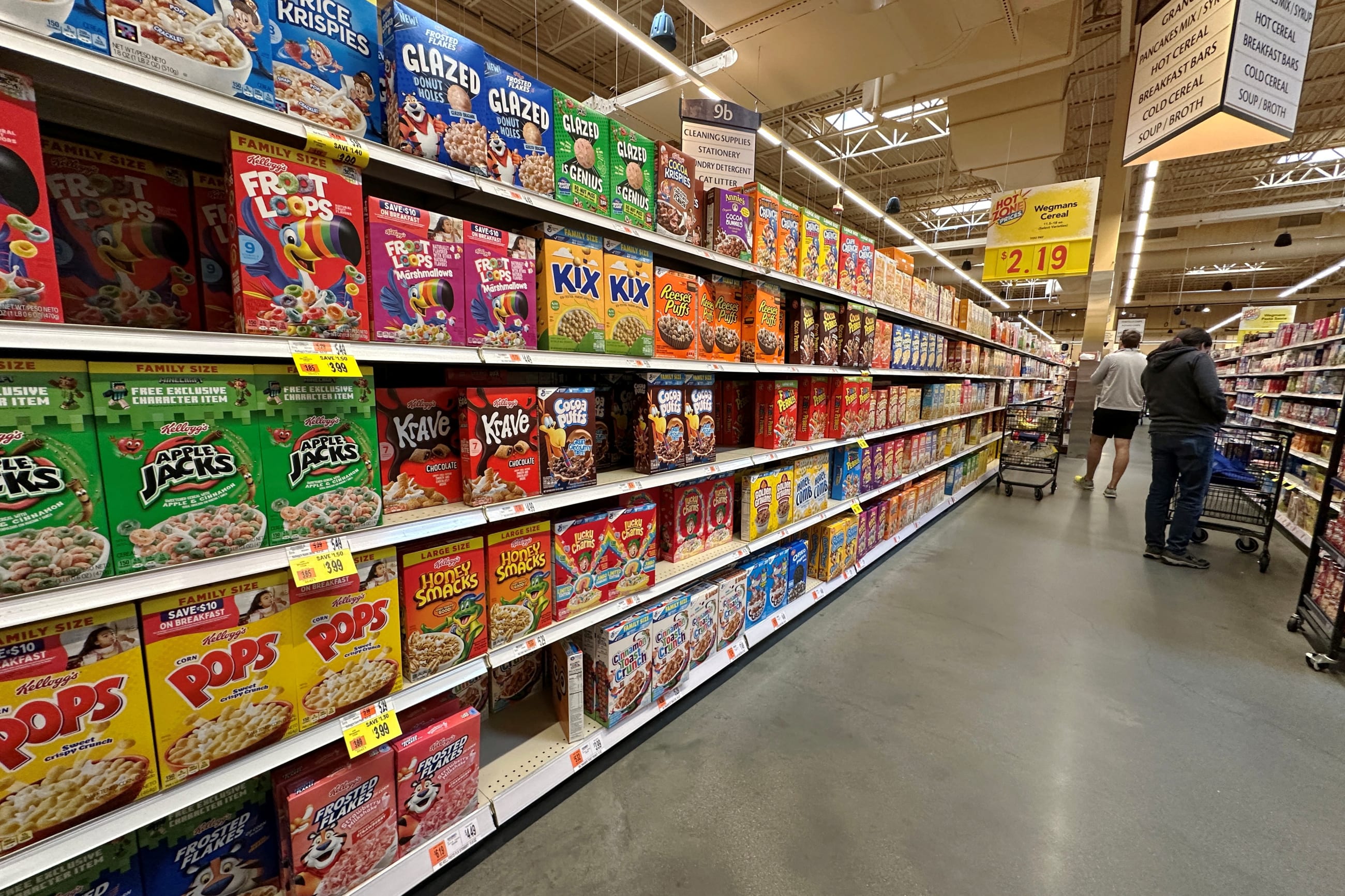
Read the ingredients in Froot Loops. The cereal contains no fruit—just refined corn, wheat, and oat flours processed into starch slurry. The so-called fruit flavor comes from added sugars and chemical compounds designed to mimic the taste of the real thing. The colors are synthetic dyes selected for visual impact. Every possible element is engineered: particle size optimized for rapid dissolution on the tongue, sweetness calibrated for immediate reward, and appearance for attention.
In no sense is this nourishment. It's hedonic engineering. As a new Milbank Quarterly paper makes clear, Big Food's blueprint comes from Big Tobacco—sometimes through the same companies.
After learning how to turn a tobacco leaf into the deadliest addictive product in history, corporations took over the food system. They pulled the same production levers—leaving many ultra-processed foods more akin to cigarettes than actual food, both addictive and harmful.
For decades, the tobacco industry has used familiar defenses: It's just a plant. It's natural. Any harm must come from how people use it.
Many ultra-processed foods are no more food than cigarette tobacco is a leaf
A modern cigarette is not a plant. It's a carefully designed device tuned to deliver nicotine to the brain quickly and reliably and in doses that keep people coming back. The leaf is just the starting material.
Today, the food industry uses a defense strikingly similar to this one. Although the industry argues that food is necessary for survival and therefore cannot be compared to an addictive drug, these products have little in common with actual, whole foods.
Many ultra-processed foods are no more food than cigarette tobacco is a leaf. Understanding why requires examining what both industries learned about dose, speed, flavor, and the engineering of desire.
From Leaves and Corn to Slurries
One of the most important innovations in cigarette manufacturing is reconstituted tobacco, also known as recon. Manufacturers turned tobacco scraps into a slurry through heating and agitating, which can then be processed, refined, and reformed into uniform paper-like sheets.
This technique enabled manufacturers to control nicotine delivery precisely, engineer burn characteristics that made cigarettes easier to inhale, incorporate additives such as sugar, licorice, and cocoa to mask bitterness and enhance palatability, and extend product shelf life. The product becomes predictable for users, consistent for manufacturers, and scalable worldwide.
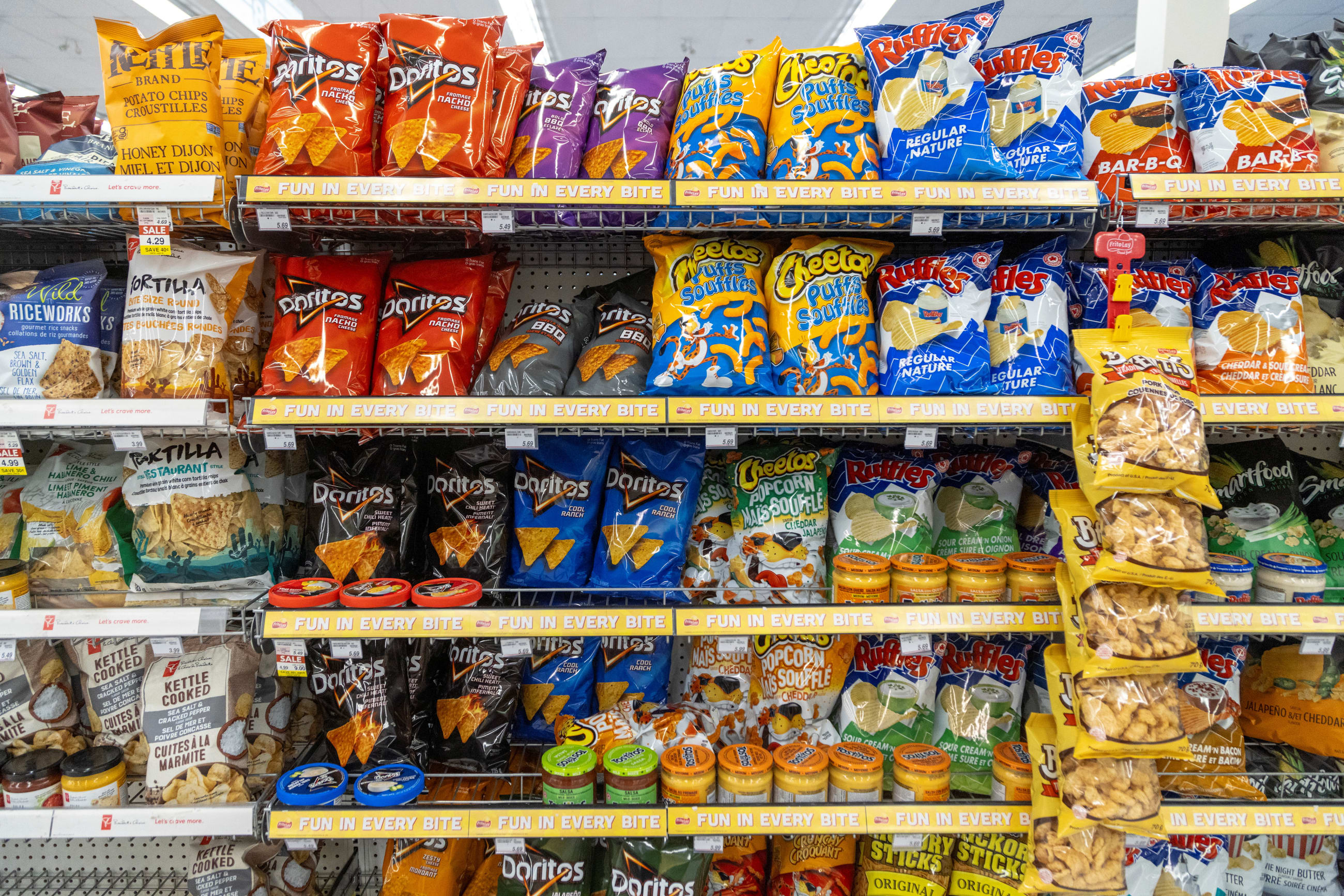
Many ultra-processed foods follow a similar process. Corn, wheat, soy, and potatoes are broken down into starch slurries, highly refined protein sources, sugar syrups, and industrial oils, then reassembled into products designed for maximum appeal and durability. Like recon tobacco, these slurries provide stripped-down, shelf-stable blank palates that allow food companies precise control over flavor, texture, and reward delivery. For example, the process of making puffed cheese snacks involves pushing gobs of cornmeal paste through an extruder, followed by spraying the fried bits with a powdered cheese and oil mixture, engineered to keep the consumer coming back for bite after bite.
The Dose: Stimulating but Never Satisfying
The tobacco industry learned as early as the 1960s [PDF] that addiction doesn't happen by accident: it begins with precise dosing.
Cigarettes deliver just enough nicotine to stimulate dopamine release and reinforce pleasure without fully satisfying. The carefully calculated result is a product that leaves the smoker alert, relieved, and slightly unsated—primed for another cigarette. This cycle is the key to the tobacco industry's business model. It's why chain smoking exists.
Ultra-processed foods apply the same logic. Refined carbohydrates and fats are combined in precise proportions to hit a sweet spot of reward: ratios that industry insiders call the "bliss point." It's strong enough to excite the brain but carefully calibrated not to produce lasting satiety. The pleasure comes quickly and fades just as fast. The body gets stimulation without the satisfaction of eating a full meal of whole foods.
This is one reason people don't just have one soda or one handful of chips. It's why snacking becomes grazing, which then turns into mindless eating. Ultra-processed foods do exactly what they are designed to do: deliver a hit of pleasure without the brake of satisfaction or satiety.
Then the Speed: Engineering Rapid Delivery
Once the dose is calibrated, speed takes over.
Cigarettes deliver nicotine to the brain in seconds. Faster delivery creates steeper dopamine spikes, strengthening learning and habit formation. Tobacco companies learned that speed mattered—and redesigned cigarettes to maximize it.

Ultra-processed foods apply the same principle through digestion. Industrial processing dismantles the natural structure of food: removing fiber, grinding ingredients into fine particles, and turning starches into rapidly dissolving powders. The result is faster glucose delivery, sharper blood sugar spikes, and stronger reward signals in the brain. Some starch ingredients are produced using amylase enzymes—the same class used in human saliva to break down starch—meaning that part of the digestive work has already been done before the first bite. Many ultra-processed foods arrive functionally prechewed and predigested.
Just as slowly delivered nicotine (such as in a nicotine patch) is far less addictive than nicotine delivered through smoking, ultra-processed foods can bypass the natural pace of digestion that whole foods require. In both cases, cigarettes and ultra-processed foods are engineered to move faster than biology's safeguards, like satiation, can respond.
Flavor Creates Loyalty
Dose and speed get people hooked. But flavor keeps them loyal.
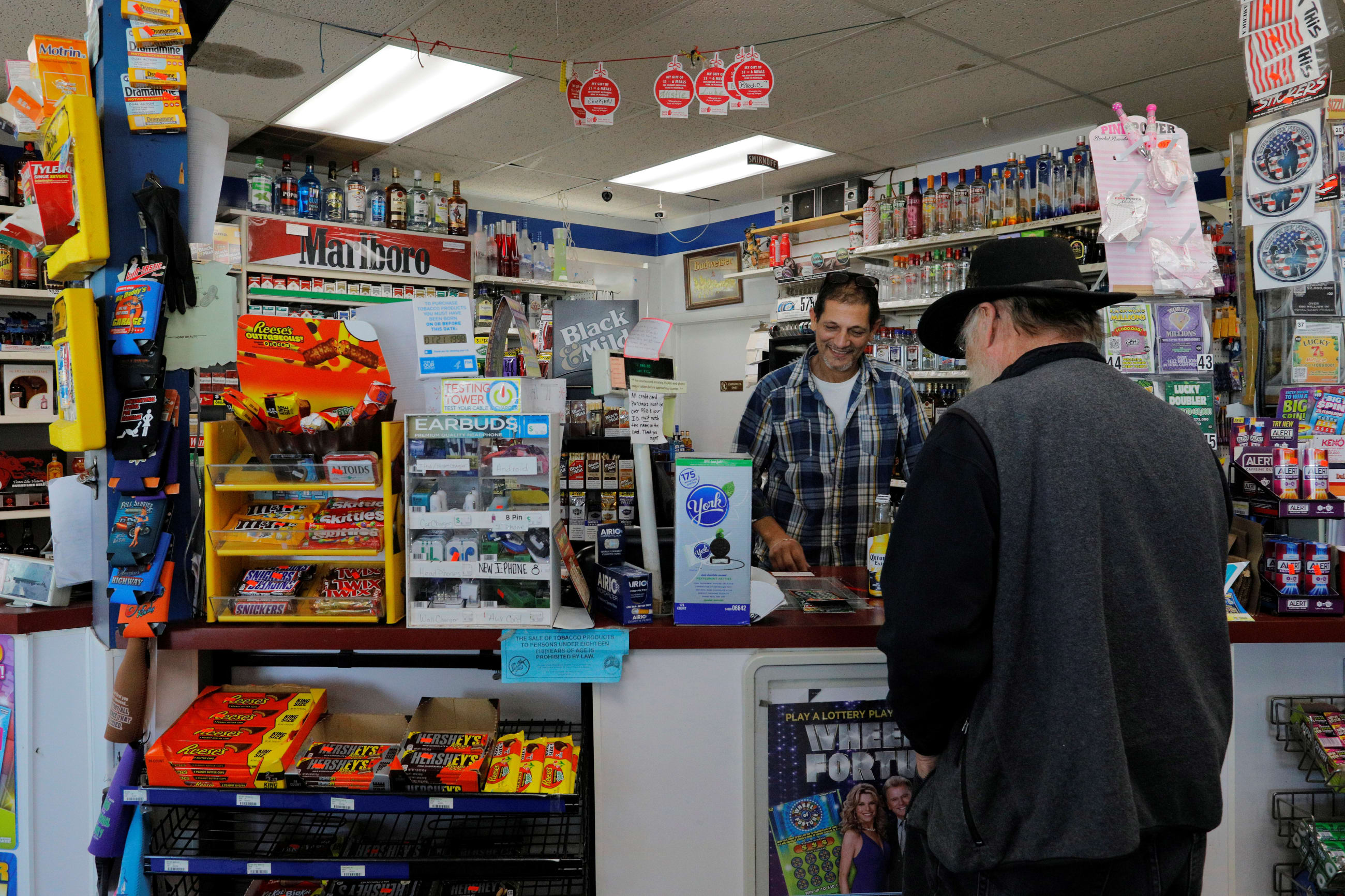
Nicotine alone doesn't explain brand loyalty—most cigarettes deliver similar levels of the addictive substance. What distinguishes Marlboro, Camel, and Newport is their proprietary flavor blends: carefully tuned combinations of sugars, cocoa, licorice, menthol, acids, and aroma compounds.
Through repeated pairing with nicotine delivery, those sensory cues become as important as the drug itself. The taste, smell, and throat sensation become tightly bound to the nicotine reward. Eventually, the cigarette's uniquely calibrated flavor begins to trigger cravings.
This is why many smokers struggle to switch to safer nicotine options, such as patches or gum. Those products deliver nicotine but not the sensory experience.
Ultra-processed foods use the same strategy: Once the underlying reward signal is established, companies compete to build proprietary sensory signatures around it. Soda provides one of the clearest examples.
Soda companies don't compete over sugar content: Most colas are remarkably similar in how much sugar they deliver. The cola wars are battles over proprietary sensory signatures that consumers have become emotionally and psychologically attached to.
These flavors can't be recreated in your kitchen. They are industrial formulations refined through years of consumer testing: natural and artificial flavors, acids for brightness, compounds to create mouthfeel, ingredients that amplify flavor bursts—all calibrated to create a signature experience. Flavor becomes identity. Craving becomes brand specific.
We Know How This Story Ends
Smoking didn't decline in the United States because people became more disciplined. It declined because the nation stopped pretending that cigarettes were ordinary consumer goods and started regulating them as engineered addictive harms, in tandem with growing awareness of smoking's negative health impacts.
Taxes rose, making cigarettes less affordable. Marketing was restricted—no more cartoon camels or celebrity endorsements. Warning labels affixed to cigarette packaging told the truth. Litigation exposed evidence demonstrating that cigarette companies had known about the addictiveness of smoking for years. The environment changed—and behavior followed.
Overconsumption of ultra-processed foods reflects a failure of honesty about what those products are and how they're engineered to hook consumers. Just as litigation, regulation, and taxation held tobacco companies accountable and reduced smoking, similar measures could require companies profiting from addictive ultra-processed foods to create and market safer products, and to offset harms. This policy could include fines to fund access to whole foods.
There is a path forward: change the environment through legal and policy actions that hold the industry accountable and help consumers make informed, affordable decisions that nurture the health of families.
Blaming individuals for struggling with products engineered to defeat them is inhumane, ineffective, and comes at an enormous cost. People will keep paying the price for choices they didn't design, for "foods" that are the successors to cigarettes, from an industry that learned to turn plants into profit.