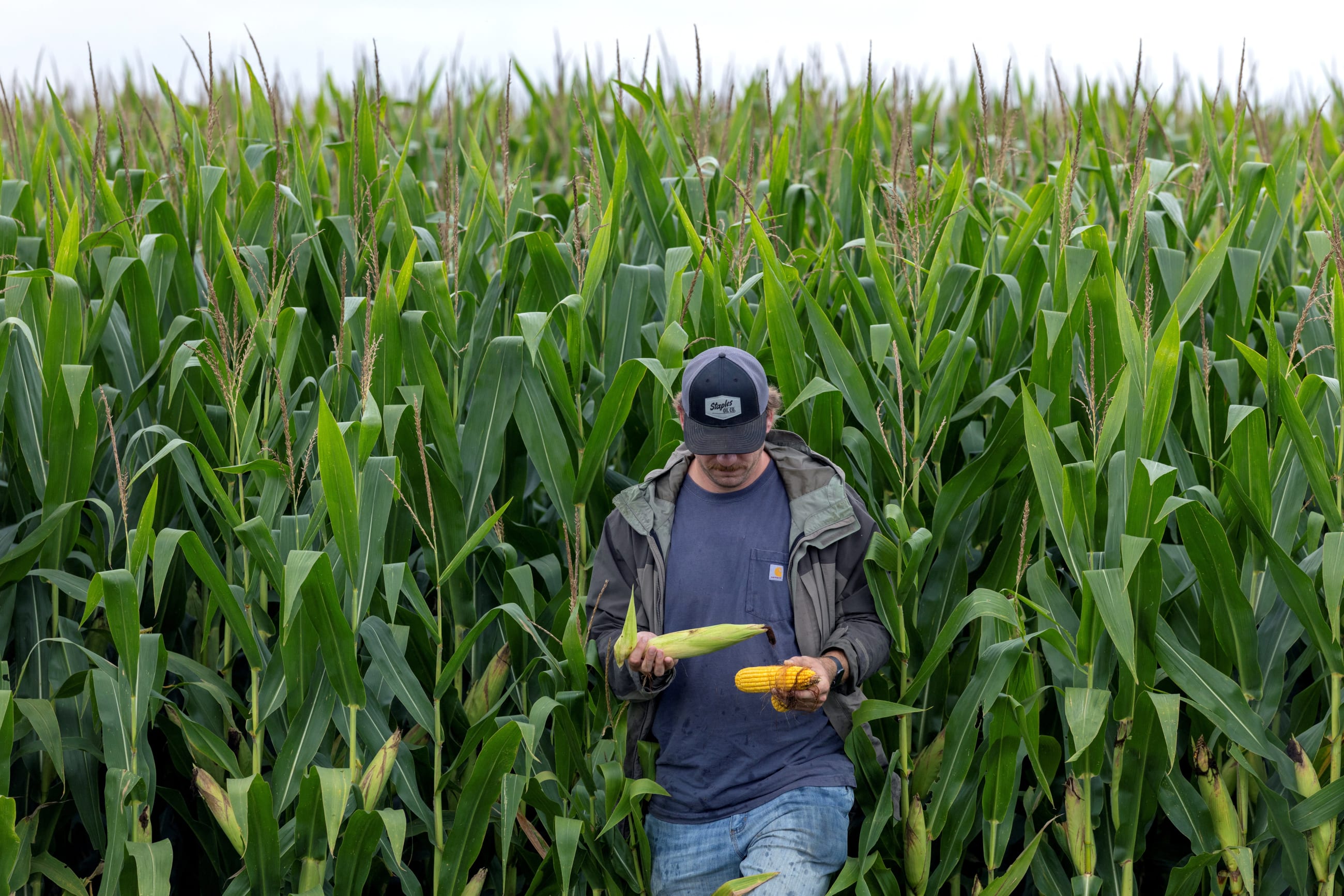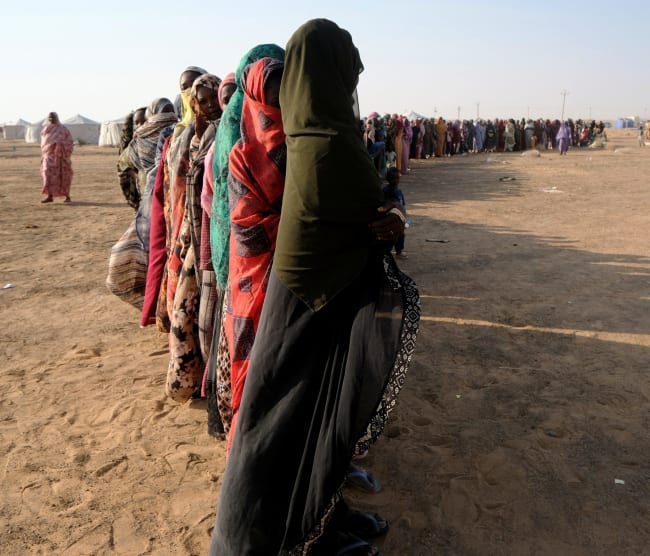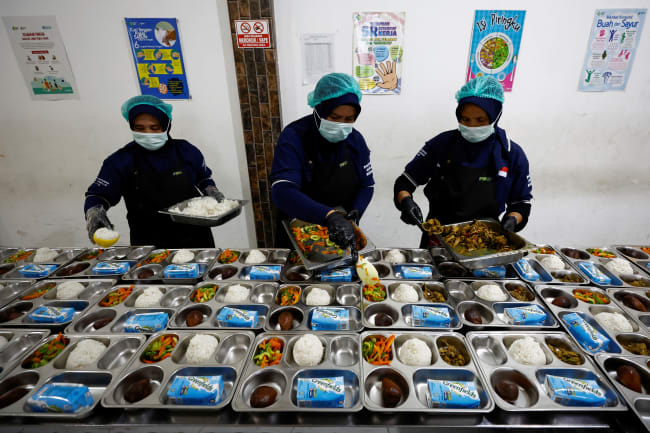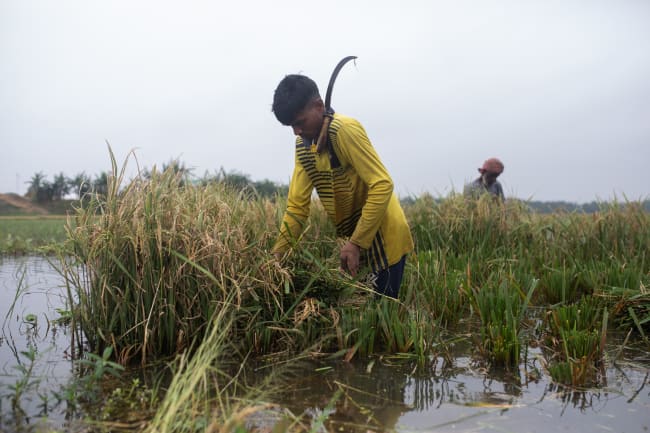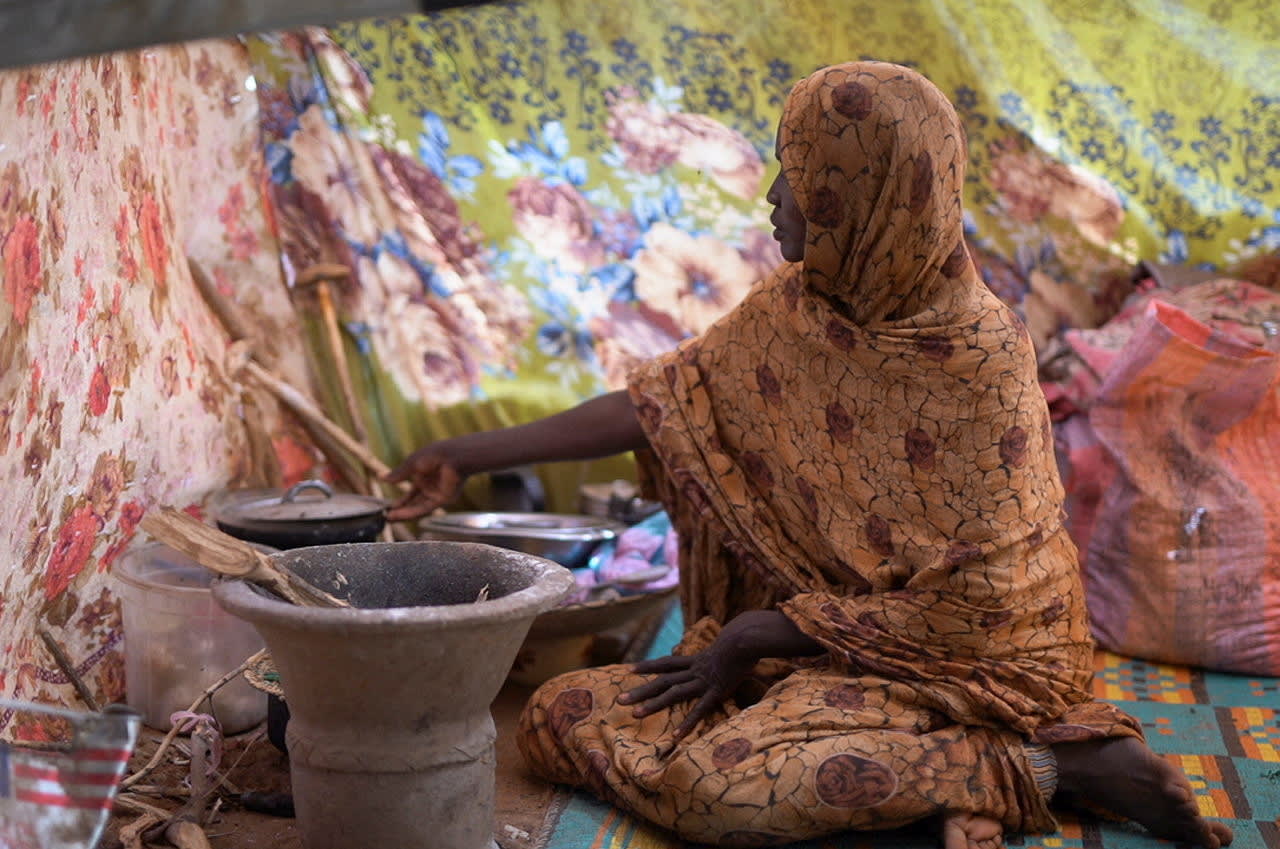
From Sudan to San Francisco, food aid is under siege, and children are set to experience unprecedented, preventable hunger. Nearly 58 million people globally are at imminent risk of losing food assistance due to massive international aid cuts. In the United States, families are seeing their Supplemental Nutrition Assistance Program (SNAP) benefits shrink as food banks struggle to meet demand.
This dual crisis—one global, one domestic—reveals an invisible throughline of hunger and neglect, fueled not by scarcity but by political disinvestment. The collapse of both international food aid and domestic nutrition programs feeds not only malnutrition but also social division.
Across conflict-affected settings and domestic health systems, experience shows a consistent pattern: When political will falters, the most vulnerable—children, families, and farmers—pay the price.
A new blueprint is needed: a human-centered, practical approach to food aid that makes dignity a strategic imperative, not a charitable afterthought to other sectors. Such a framework would shift food assistance away from short-term emergency logic toward long-term social and economic resilience. It would prioritize locally sourced procurement, strengthen regional food systems, and align public funding with private-sector and municipal capacity.
By measuring success not only in calories delivered but in stability, livelihoods, and nutritional outcomes, food aid can function as a durable pillar of development rather than a temporary patch. A dignity-centered framework also demands accountability across food supply chains—ensuring that aid dollars reinforce climate-smart agriculture, fair labor standards, and transparent procurement. When food systems reward sustainability and worker protections, they reduce long-term costs while strengthening trust and resilience at the community level. Dignity, in this sense, is not abstract—it is built into how food is grown, moved, and governed.
From Foreign Fields to American Farms: Global Aid Disinvestment
In 2025, the global food-aid infrastructure has been rapidly dismantled. The United States Agency for International Development (USAID)—once a cornerstone of U.S. foreign assistance—has canceled roughly 85% of its international food programs under budget cuts during the second Trump administration. While the funding clawbacks have been especially severe, food-aid disinvestment is not new. Both Democratic and Republican administrations have chipped away at these programs, often treating them as discretionary rather than strategic.
This unraveling exposes a deeper vulnerability in global and domestic food supply chainss: the lack of durable standards that support environmental stewardship, fair labor, and long-term resilience
The UN warns that these rollbacks could lead to more than 14 million preventable deaths by 2030. The World Food Program (WFP) is facing a historic 40% funding drop, forcing the closure of emergency kitchens in conflict zones such as Sudan and Ethiopia. U.S. faith-based partners like Catholic Relief Services and World Relief have endured mass layoffs and shuttered operations as support dries up.
This disinvestment reverberates at home. U.S. surplus commodities, once deployed abroad, now sit idle, and American farmers have lost predictable export markets linked to aid programs. Humanitarian cutbacks translate into rural economic decline, compounding pressures already felt in the U.S. farm belt.
These crises are typically treated as separate policy domains, yet they draw on the same public resources, political coalitions, and food systems—and decisions in one arena increasingly shape outcomes in the other.
This unraveling exposes a deeper vulnerability in global and domestic food supply chains: the lack of durable standards that support environmental stewardship, fair labor, and long-term resilience. When food-aid contracts vanish overnight, farmers lose not just buyers but the stability needed to invest in soil health, water management, and workforce protections. Supply chains built for short-term efficiency—rather than transparency and durability—fracture under political and climate stress.
Historically, food aid has anchored agricultural supply chains by providing predictable demand and enabling producers to plan, invest, and stabilize local markets. Its erosion increases exposure to price volatility and accelerates consolidation by large agribusinesses. Rebuilding food aid around resilience and transparency can strengthen supply chains, support small- and mid-sized producers, and reduce long-term environmental and economic risk.
Domestic Fallout—Hunger at Home
The domestic picture is no less grim. Trump's "One Big Beautiful Bill Act" (OBBBA) slashes $186 billion from SNAP through 2034, a nearly 20% cut. An estimated 22.3 million families stand to lose access to life-sustaining support. Nearly 14 million children experienced food insecurity in 2023—about 1 in 5. In rural counties, child hunger can exceed 50%, and more than 80% of the hardest-hit counties are located outside urban centers.
These cuts ripple outward. Reduced SNAP spending depresses grocery sales, shrinks state tax revenues, and constrains local budgets for roads, schools, and after-school programs. An early Tax Foundation estimate that states will lose $3.7 billion in tax revenue in 2026 alone.
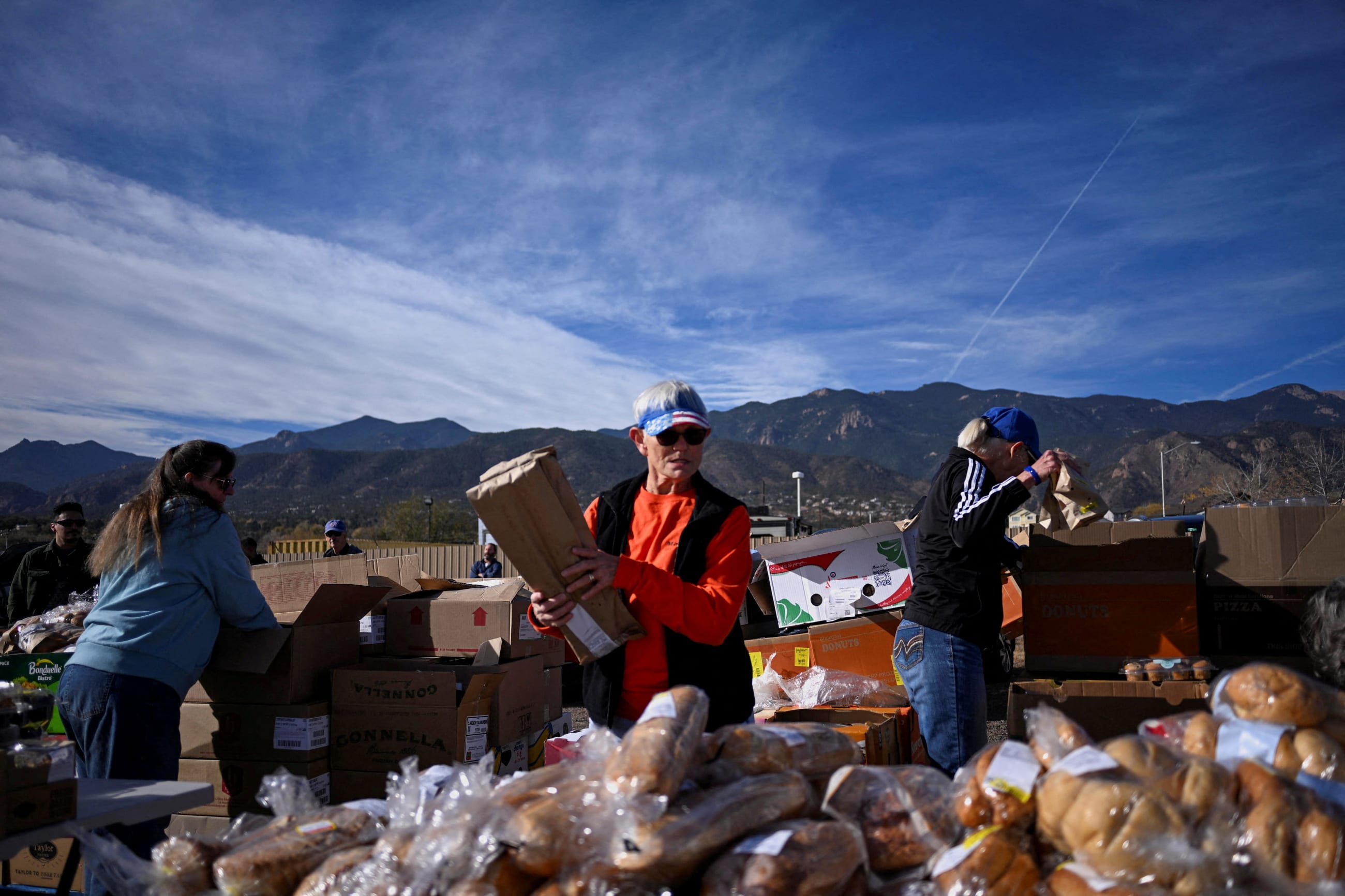
The downstream effects are severe: food insecurity is associated with higher emergency-room utilization and preventable hospitalizations, worse academic and behavioral outcomes for children, and reduced adult health and economic attainment over the life course. At the same time, the very systems that once stabilized hunger—SNAP, USAID food assistance, the World Food Program, and faith-based food networks—are being systematically hollowed out.
The distinction between "foreign" and "domestic" hunger is a false binary. These crises are intertwined, and dismantling one weakens the other. Hunger in the United States is not an accident of policy—it is the product of deliberate austerity choices. Disinvestment in SNAP and food aid is not shared sacrifice; it is a transfer of suffering onto the poor, rural communities, and communities of color, while protecting wealthier households and corporate subsidies.
Beyond moral urgency, the economic case for SNAP is overwhelming. Each $1 invested in SNAP generates up to $1.84 in economic activity. It stabilizes grocery stores, boosts farmers, and reduces health-care costs. A 2017 national study found that low-income adults participating in SNAP have, on average, $1,409 lower annual health-care expenditures than nonparticipants—with nearly $2,700 less for those with hypertension and more than $4,100 less for those with coronary heart disease.
The Center on Budget and Policy Priorities has compiled substantial research showing broad health gains and lower costs across age groups tied to SNAP, and California studies link expanded eligibility to better food security and reduced medical hardship. Recent federal cuts, however, risk shifting administrative costs to states like California, undermining these gains. California has been blunt about the reality: shifting SNAP administrative costs from a 50% state match to 75% would impose multi-billion-dollar new state and county obligations that California and other states cannot absorb under current deficit conditions without cutting benefits or eligibility.
According to U.S. Department of Agriculture economic data used in analyses of proposed SNAP cuts, farmers could lose approximately $24 billion in revenue over the next decade, as household food purchases decline when SNAP benefits are reduced. Cutting aid doesn't save money—it shifts greater costs to hospitals, schools, and already-strained families.
A Dignity—Centered Framework
Food aid must be reconceived as infrastructure for dignity, centered on choice, cultural respect, and local partnerships. Instead of mass-distributing generic calorie packs or idle surplus commodities, programs should prioritize locally and regionally sourced food—whether from smallholder farmers in Ethiopia or co-ops in New York. Flexible models such as the WFP Emergency Relief Fund enable communities to design adaptive responses. WFP's Immediate Response Account (IRA), its Cash-Based Transfers (CBT) programs in functioning markets, and its Anticipatory Action initiatives that release funds ahead of climate shocks have demonstrated faster delivery and reduced harmful coping strategies in crisis settings.
Framing food security as economic development, public health, supply chain resiliency, and national security—not charity—creates bipartisan openings. Experience across global health delivery and U.S. social policy shows that hunger is never just about calories—it is about dignity. Whether in rural Wisconsin or in refugee communities here or abroad, the absence of choice and agency deepens suffering as much as the absence of food. Faith-based coalitions, farmers, veterans, and public health leaders can unite to build systems rooted in dignity. Even partial reinvestment of international aid into domestic hunger solutions could yield synergistic wins, addressing crises at home and abroad in tandem.
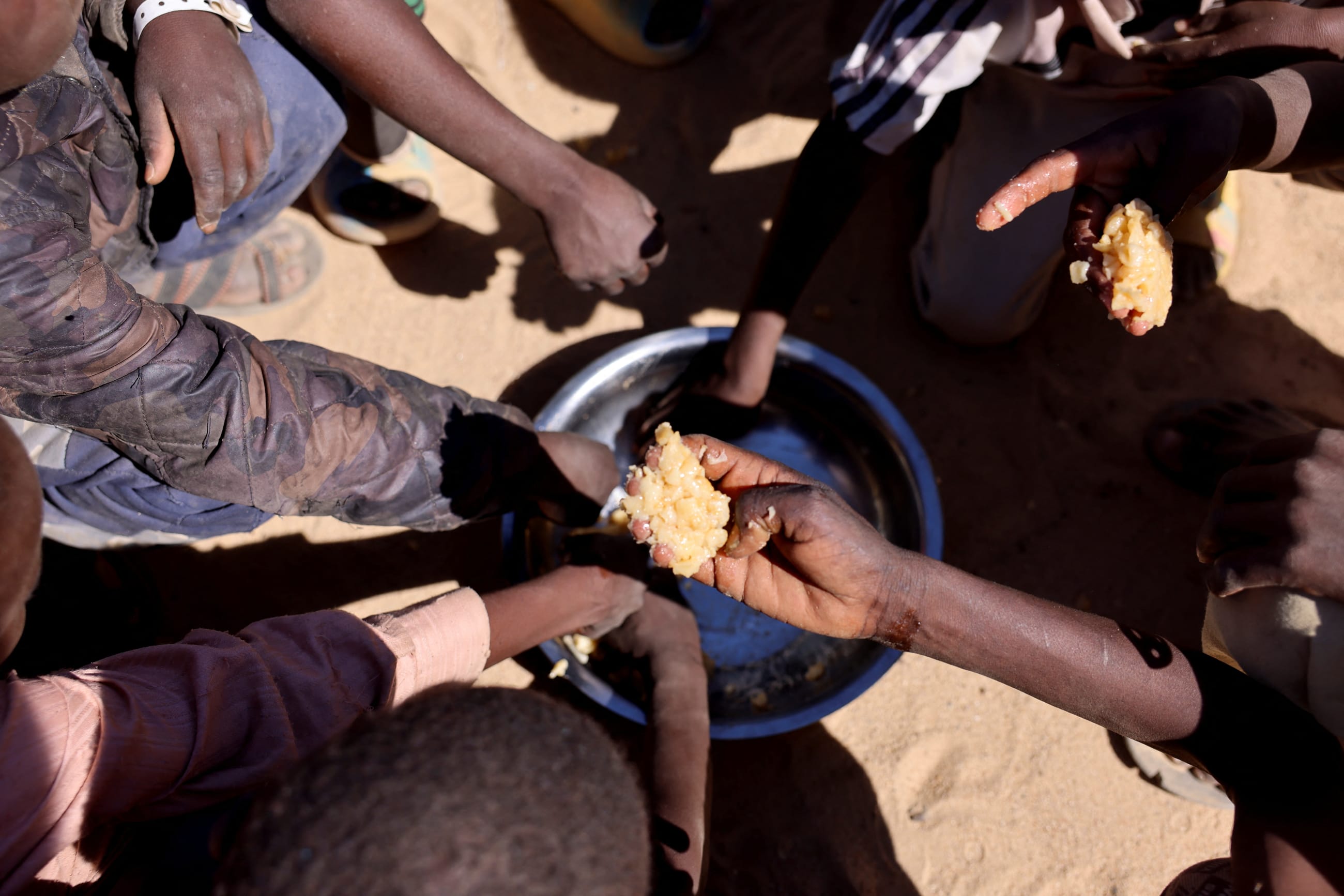
U.S. support for food aid has long been bipartisan. From Republican leaders such as former South Carolina Governor David Beasley, who headed the World Food Program, to Democratic champions of the Farm Bill, food security has been recognized as both moral duty and strategic interest. The food lobby—spanning farmers, grocers, and global NGOs—has traditionally built bridges across partisan divides. Past farm bills have codified this balance: nutrition programs such as SNAP brought clear benefits for public health and poverty reduction, and conservation titles expanded climate resilience. Yet structural concerns remain—commodity subsidies still disproportionately favor large agribusiness, often sidelining small farmers and sustainable food systems.
Ultimately, food security is inseparable from political choice. Leaders decide—implicitly or explicitly—whether dignity, transparency, accountability, and care for their people outweigh neglect and misgovernance. Food aid cannot substitute for political will, but it can be designed—and it select cases leveraged—to protect dignity, reduce harm, and reinforce the expectation that governments meet their most basic responsibilities.
In the United States and globally, the example set by national leadership reverberates through institutions—shaping whether dignity and accountability are upheld as governing norms or quietly eroded, and whether harm is constrained by guardrails or normalized in practice.
Policy Proposals and Pathways Forward
Starting from scratch is not necessary— models already exist. Scaling "Food Is Medicine" initiatives through Medicaid and Medicare pilots could reduce chronic disease and lower long-term health costs. OBBBA directly cuts and reshapes support for nutrition, and the law's changes to Medicaid financing could indirectly constrain states' capacity to expand health-related social-need pilots—depending on how states rebalance their budgets. Investing in urban agriculture and rural food hubs can reduce barriers to fresh food access, create local jobs and small-business growth, and increase community control over supply chains—especially when paired with retail, transportation, and affordability policies.
Beyond program design, co-governance is central to protecting cultural foodways and community control—recognizing that food systems shaped by local governance, land and water stewardship, and fair distribution not only preserve identity but also strengthen resilience. That means ensuring that outreach for SNAP and the Special Supplemental Nutrition Program for Women, Infants, and Children (WIC) reaches rural and urban households alike, and that benefits reflect actual living costs. Addressing equity also means elevating coalitions—faith groups, public health leaders, and farmers—to design policies that work across divides.
Key Recommendations:
- Reframe food security as a driver of economic resilience, health, and national security—not a charitable handout.
- Expand public-private partnerships to support locally sourced food aid—including farm-to-school programs, food-bank procurement models, small farmers, and regional food co-ops.
- Support flexible funding models WFP's Emergency Relief Fund, enabling community-driven responses.
- Leverage SNAP and food aid as economic stabilizers: Expand incentives for grocery retailers and wholesalers in low-income areas to accept and promote SNAP, ensuring steady revenue streams for local businesses.
- Embed clear accountability standards into food aid and nutrition procurement by prioritizing environment-resilient production, fair labor practices, and transparent sourcing—using purchasing power to reward suppliers that strengthen environmental stewardship, worker protections, and local economic stability.
- Ensure equitable access and transparency in program administration [PDF] by partnering with trusted community organizations with proven accountability and local reach.
- Advance "values-aligned food purchasing" programs that favor local, culturally appropriate foods.
- Fund regional distribution hubs, cold-storage facilities, and transportation networks to connect small and mid-sized farms with food banks, schools, and co-ops. This builds resilience in rural economies, reduces post-harvest losses, and strengthens the farm-to-community pipeline in areas most vulnerable to hunger and market collapse.
- Strengthen alliances between public health, faith-based groups, and community organizations [PDF] to coordinate targeted response and advocacy, elevating the voices of those directly facing hunger.
Conclusion—Feeding Dignity, Building Stability
From bread-tax riots in Kenya to famine-driven conflicts in the Horn of Africa, I've witnessed how hunger fuels unrest. By contrast, dignity-centered food systems—where communities have agency and reliable access—undercut the drivers of violence and forced migration. But food aid can also shape ethical, resilient supply chains that reflect shared values of stewardship, accountability, and human dignity.
It is, at its heart, preventive diplomacy.
To meet the moment, there must be investment in a global food-aid system that reflects our values and vision. That means building coalitions across sectors and borders, breaking down the silos between "foreign" and "domestic" hunger, and centering dignity, choice, and resilience. Investing in food security is investing in human potential, economic stability, and social unity. Feeding dignity is not a cost—it's a strategy.