As the European Union (EU) wrestles with the future of farm subsidies and support under its existing Common Agricultural Policy (CAP), which is set to expire in 2027, disruptions across the agrifood sector threaten the continent's food security. Dating to 1962, the CAP is intended to protect farmers' livelihoods through bloc-wide income support and market measures, but it has not evolved with economic circumstances and is undergoing reform.
In France, the UK, the Netherlands, and Europe more broadly, farmers have been protesting for more support and fairer subsidies since the European Commission proposed a 30% cut to the CAP in 2024, which would reduce financial support for farmers.
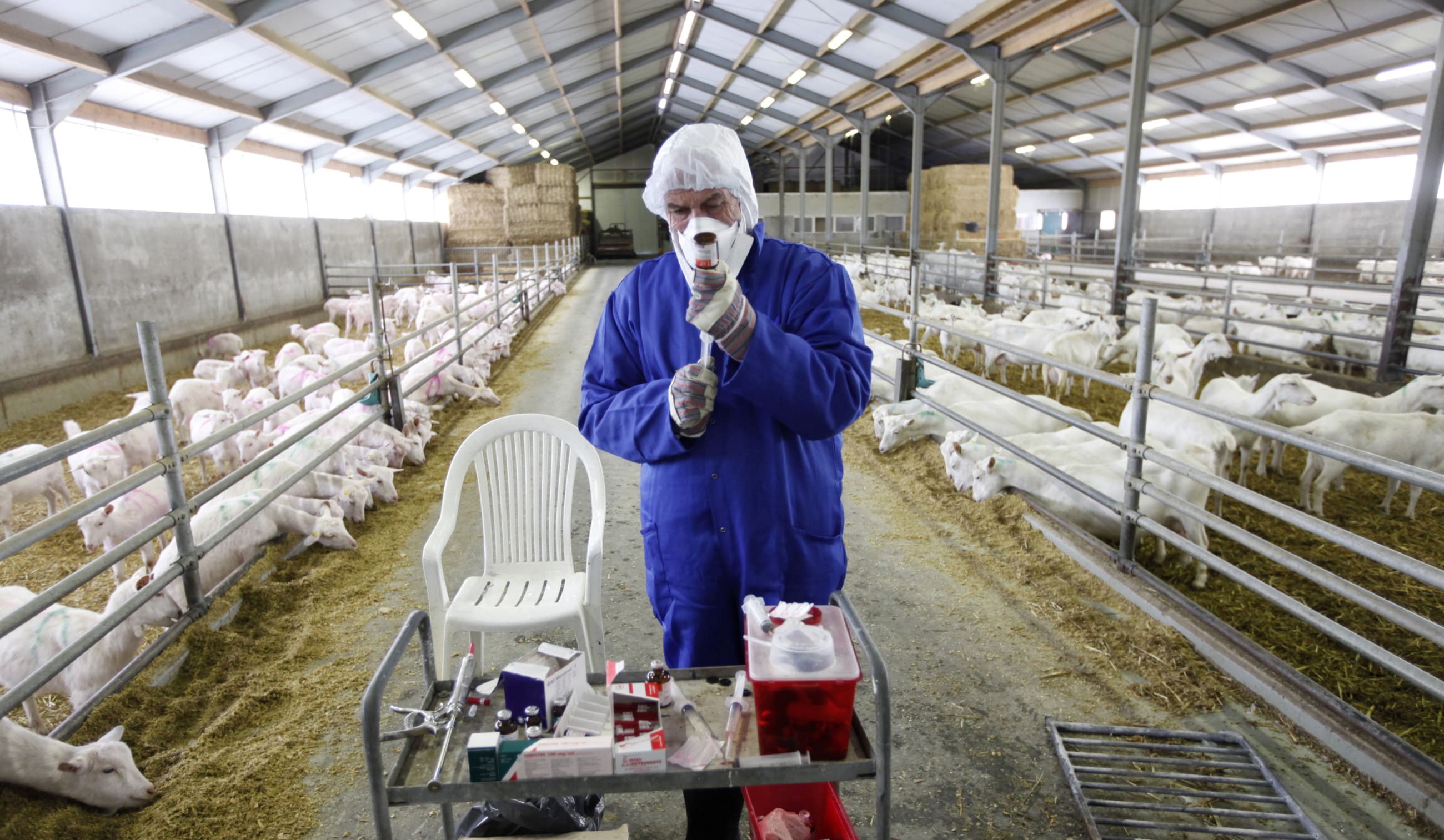
Against that backdrop, animal diseases already account for nearly 20% of global livestock production losses every year. From outbreaks of new livestock diseases to geopolitical uncertainty, farmers have faced a confluence of challenging circumstances.
Animal diseases already account for nearly 20% of global livestock production losses every year
In Germany, a foot-and-mouth disease outbreak in buffalo cost the economy an estimated 1 billion euros ($1.16 billion) in 2025 in both direct disease control costs and indirect costs through trade restrictions.
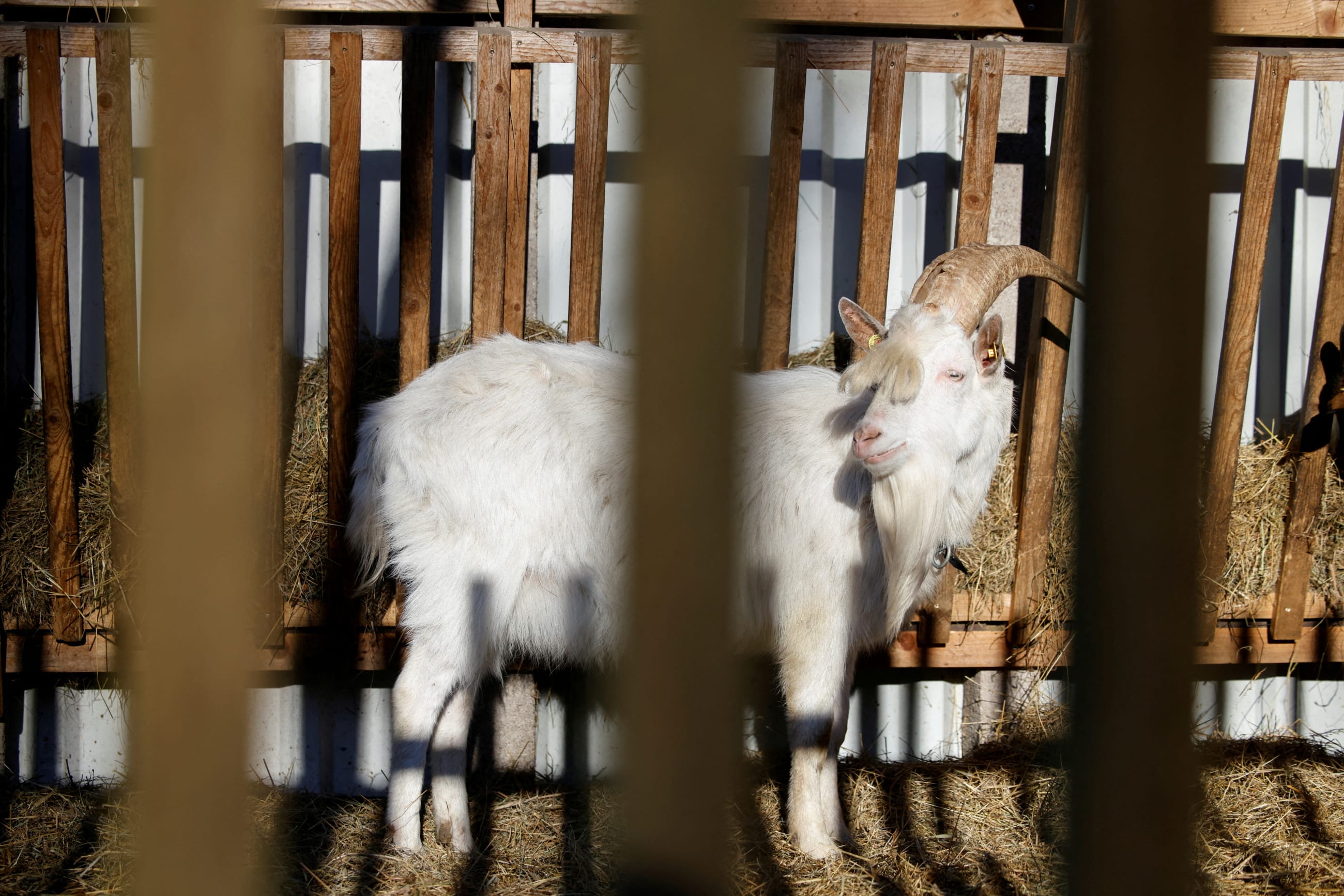
Hundreds of miles away in Greece, widespread culling during the sheep and goat pox outbreak between 2024 and 2025 led to declines in milk and meat production as well as trade restrictions on live animals that undermined production and cost the economy more than 350 million euros ($407 million).
Those combined losses translate into millions of metric tons of lost meat and dairy products, rising prices of food, and wasted natural resources including land, water, and feed.
One of the most cost-effective ways to stabilize Europe's internal and domestic agricultural markets and protect its food security is to prioritize animal health in agricultural and environmental policies, including the CAP as well as the European Green Deal, which is set to cut emissions by 50% by 2030. Part of the Green Deal, a Strategic Dialogue on the Future of EU Agriculture recognized the need for high animal welfare standards and disease prevention to reduce the need for antibiotics, all of which improve animal health and the sustainability of food systems.
Healthier animals mean that farmers contend with fewer disease outbreaks, resulting in fewer losses, higher productivity, more competitive trade, lower emissions, and stronger food security, offering one of the most rewarding routes to building a resilient and sustainable agricultural system in Europe.
To create policies that prioritize animal health, leaders should include funding for preventative animal health measures as part of the economic, environmental, and social mechanisms in the ongoing CAP review. They should also expand EU cofinancing for veterinary innovation and next-generation vaccines to ensure that Europe remains competitive in disease prevention technologies.
Animal Health Is Global Health
Supporting data-sharing platforms, such as the cofinanced World Animal Health Information System (WAHIS), hosted by the World Organization for Animal Health, that improve early disease detection and surveillance across borders can strengthen Europe's preparedness against future outbreaks. Analysis finds that timely notification of disease outbreaks through WAHIS enables countries to take action to prevent further disease spread.
Other cofinanced approaches include the Global Alliance for Livestock Veterinary Medicines, which unites more than 200 partners from various countries to make livestock vaccines, medicines, and diagnostics accessible and affordable to millions of small-scale producers in developing countries. In the EU, such an approach could support the creation of antigen, vaccine, and diagnostic reagent banks, as well as the cost of vaccination campaigns.
These measures would ensure that animal health is treated not just as a veterinary tool, but also as a powerful sustainability strategy that boosts yields, reduces waste, and supports fair livelihoods without any political downside.
In Germany, doubling vaccination coverage against porcine reproductive and respiratory syndrome could save 65.6 million pork servings, alongside 21.9 million kilograms (48.3 million pounds) of feed, and 71,000 square meters (764,237 square feet) of land that would be otherwise wasted on pigs lost to disease, a new report shows [PDF].
In the United Kingdom, improving cattle health through optimized nutrition and disease prevention through vaccination and biosecurity measures could reduce agricultural greenhouse gas emissions by 10% [PDF], directly supporting climate goals and net-zero commitments.
France's poultry vaccination campaign against bird flu in 2023 is further proof of the benefits of healthier animals in food systems: Every 1 euro ($1.16) invested in vaccination saved more than 13 euros ($15) in avoided animal losses while stabilizing food supply and exports. The benefits of healthier animals often ripple through entire value chains, from reduced feed imports to lower consumer prices.
Every animal lost to disease in Europe represents not only less food for European markets but also wasted water, land, and feed. As Europe debates the future of its agricultural policy, investing in animal health is the rare sustainability measure that benefits farmers, consumers, and policymakers.
Expanding investments in and support for better animal health would be both an act of solidarity aligned with the proposed Vision for Agriculture and Food 2040, and a safeguard for food security, the economy, and the environment.