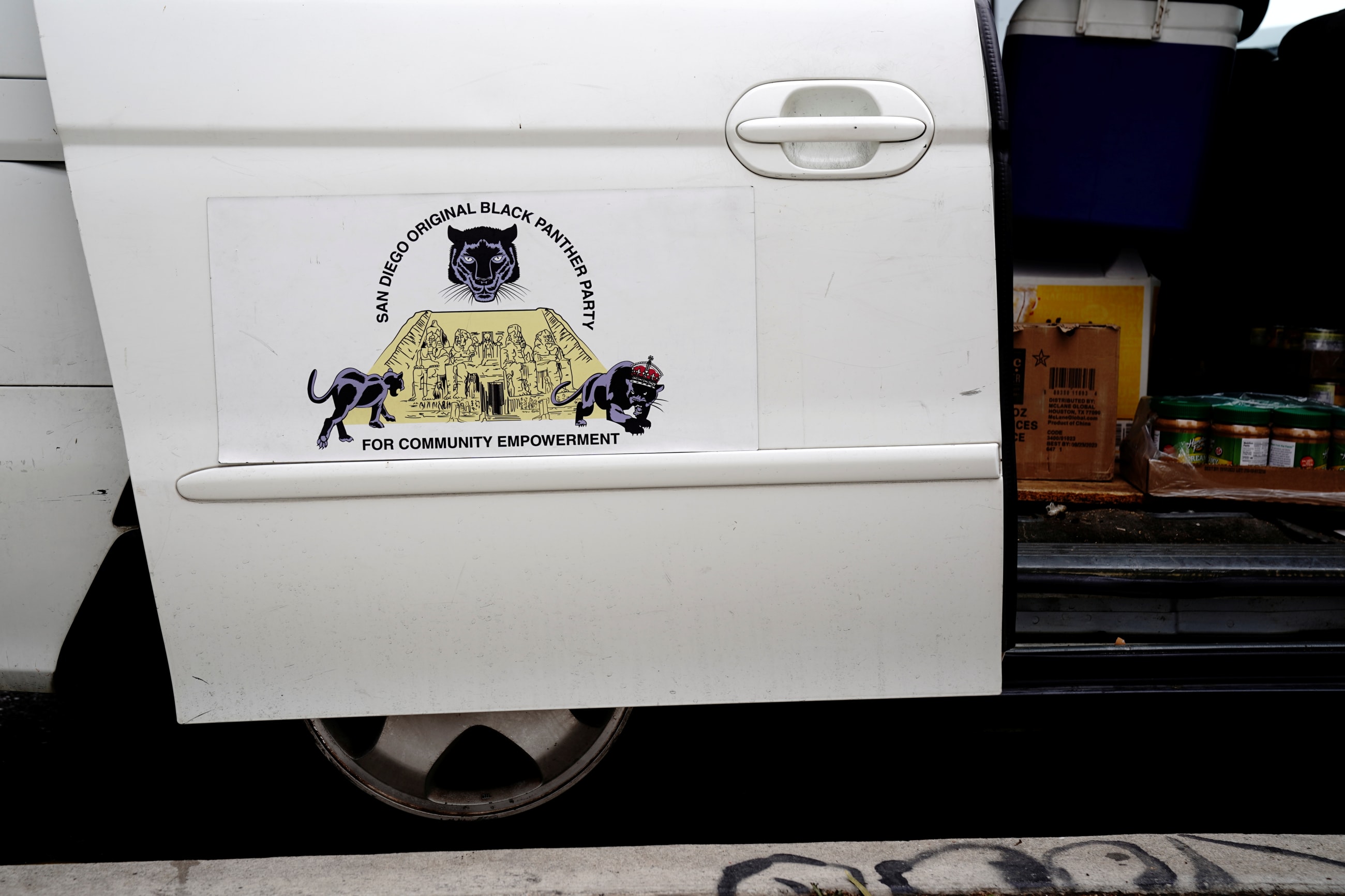
In the popular imagination, the Black Panther Party is often reduced to armed patrols and confrontations with police. Yet the organization's most enduring contribution is its food programs, clinics, and community-based health initiatives. Decades before "social determinants of health" became a policy buzzword, the Panthers were building a grassroots welfare state rooted in community control, preventive care, and political education.
Between the late 1960s and the early 1980s, the Panthers called these initiatives survival programs, designed to meet immediate material needs while building the foundation for systemic change. In 2026, as policymakers and public health leaders grapple with racial health disparities, food insecurity, and distrust in medical institutions, the Panthers' model offers a compelling blueprint. Their legacy is not only historical; it is also instructive for contemporary debates about community health, mutual aid, and the democratization of care.
Mutual Aid and Institutional Reform
Since the COVID-19 pandemic, mutual aid networks have proliferated across the United States. Although framed as novel, those efforts draw from a long tradition of Black communal self-help initiatives. The Panthers' survival programs exemplified mutual aid structured for scale, as they were organized, systematic, and linked to broader political demands.
Yet the Panthers did not romanticize mutual aid as a substitute for government responsibility. They described their work as "survival pending revolution," a temporary but necessary response to systemic failure. Their model was grounded in three principles: material service as civic empowerment; democratic participation in institutional design; and, most importantly, interracial and interclass solidarity around shared needs.
The goal was not permanent parallelism but structural transformation. For contemporary policymakers, this suggests a dual imperative: to support community-based initiatives with sustainable funding and to address the structural drivers that necessitate such initiatives. Public–private partnerships, Medicaid expansion, investment in community health workers, and expanded nutrition programs can institutionalize lessons learned from grassroots innovation.
Health as Political Education
The Panthers understood health disparities not as accidents but as outcomes of racialized poverty, housing segregation, food deserts, environmental hazards, and police violence. In contemporary language, they centered the social determinants of health. In Chicago, the Illinois chapter's coalition work with churches, neighborhood committees, and organizations such as the Concerned Black Catholics revealed a model of community-based health rooted in interinstitutional cooperation. A 1969 "Black Unity Mass Pray-In" at St. James Church blurred the boundaries between religious ritual and political mobilization. Survival programs were not merely service delivery; they were civic education.
Panther leaders described these efforts as "revolutionary change," insisting that meeting basic needs was inseparable from challenging structural inequality
Fred Hampton and Panther leaders articulated what they called revolutionary intercommunalism, a recognition that poor communities across racial lines shared common material struggles. This framework recognized that poor and working-class communities, across racial and ethnic lines, faced shared material conditions shaped by poverty, state neglect, and violence. Health, in this context, was not separate from politics; it was a site of political education. Through community survival programs, organizers demonstrated that access to food, housing, and medical care were collective rights, and that meeting these needs built political consciousness.
In 1968, Hampton and the Illinois Chapter of the Black Panther Party launched the original Rainbow Coalition. This alliance brought together Black communities, poor white Appalachian migrants organized as the Young Patriots Organization, Puerto Rican activists in the Young Lords, and white working and middle-class activists in Rising Up Angry. Hampton served as the coalition's central leader, uniting these groups around campaigns for housing rights, food access, community-based health care, and protection from police violence. From 1968 to 1974, the original Rainbow Coalition's programs fed and supported more than two thousand residents daily. These initiatives were not charity; they were political education in practice. By organizing free breakfast programs, health clinics, and tenant campaigns, the coalition taught that health is shaped by structural conditions, and that collective struggle was necessary for transformation.
Health, in this framework, was inseparable from economic justice. The Panthers' clinics functioned as sites of both treatment and consciousness-raising. Patients were encouraged to see their ailments not solely as personal misfortune but as linked to structural neglect. The goal was not dependency but empowerment.
Survival as Public Health Strategy
The Black Panthers' work anticipated several principles that are now widely recognized as foundational to modern public-health practice. The Panthers prioritized preventive care over crisis-driven intervention, understanding that early screening, nutrition, and health education could mitigate long-term harm. They recognized that community trust is a prerequisite for effective treatment, which is why their clinics and breakfast programs were rooted in neighborhood relationships rather than distant bureaucracies. They treated health education not simply as information dissemination but as a form of political empowerment, helping communities understand how structural inequality shaped illness and access to care. Finally, the Panthers insisted on local participation in the governance of health services, modeling a form of democratic, community-controlled care that continues to inform contemporary approaches to health equity and grassroots public-health infrastructure.
By the late 1960s, the Panthers had established a national network of programs that included Free Breakfast for Children, People's Free Medical Clinics, liberation schools, clothing drives, and transportation services for families visiting incarcerated loved ones. These initiatives were not peripheral; they were central to the Panthers' political vision. In Illinois, for example, the Free Breakfast for Children Program, medical clinics, and free busing to prisons were community-run, cooperative enterprises sustained by local fundraising and volunteer labor. Rather than charity, Panther leaders described these efforts as "revolutionary change," insisting that meeting basic needs was inseparable from challenging structural inequality.
The breakfast program fed tens of thousands of children nationwide each week. At a time when federal school-breakfast initiatives were limited or nonexistent in many districts, the Panthers filled a critical gap. Party members also pressured municipalities and the federal government to expand public food programs—an example of how grassroots experimentation can drive policy reform. The People's Free Medical Clinics extended this model into health care. Staffed by volunteer doctors, nurses, and community health workers, the clinics offered basic medical care, preventive screenings, and health education. Of particular importance was sickle cell anemia testing. At a moment when the genetic disease disproportionately affecting Black communities received little federal attention, the Panthers made it a national issue.
Women, Care, and Institutional Innovation
Any serious examination of the Panthers' survival programs should foreground the women who sustained them. In Illinois and elsewhere, women composed more than 80% of the Party's membership and led breakfast sites, medical initiatives, and political campaigns. Leaders such as Ann Campbell, Lynn French, Yvonne King, Christina May, and Wanda Ross exemplified what could be described as a womanist ethic of survival.
Their labor was logistical, administrative, and visionary. They coordinated food donations, negotiated with local institutions, organized volunteers, and ensured operational continuity. That gendered dimension of Panther organizing complicates the popular image of the Party as primarily militaristic and male dominated. From a public health perspective, Panther women institutionalized a model of community caregiving that anticipated contemporary debates about health equity and community health workers.
Today, many effective interventions, from maternal health initiatives to HIV prevention programs, depend on trusted local actors embedded in communities. The Panthers operationalized that insight decades earlier.
Federal Backlash and Policy Impact
The success of the Panthers' survival programs drew state scrutiny. Law enforcement agencies viewed the clinics and breakfast programs as politically subversive because they demonstrated both governmental failure and community self-sufficiency. Federal repression, including surveillance, harassment, and violence, sought to dismantle not only armed patrols but also food and health initiatives. Yet, paradoxically, Panther activism helped spur policy expansion. The visibility of the breakfast programs pressured federal authorities to broaden school-meal funding. Their sickle cell testing campaigns increased awareness and contributed to eventual federal investment in research and screening.
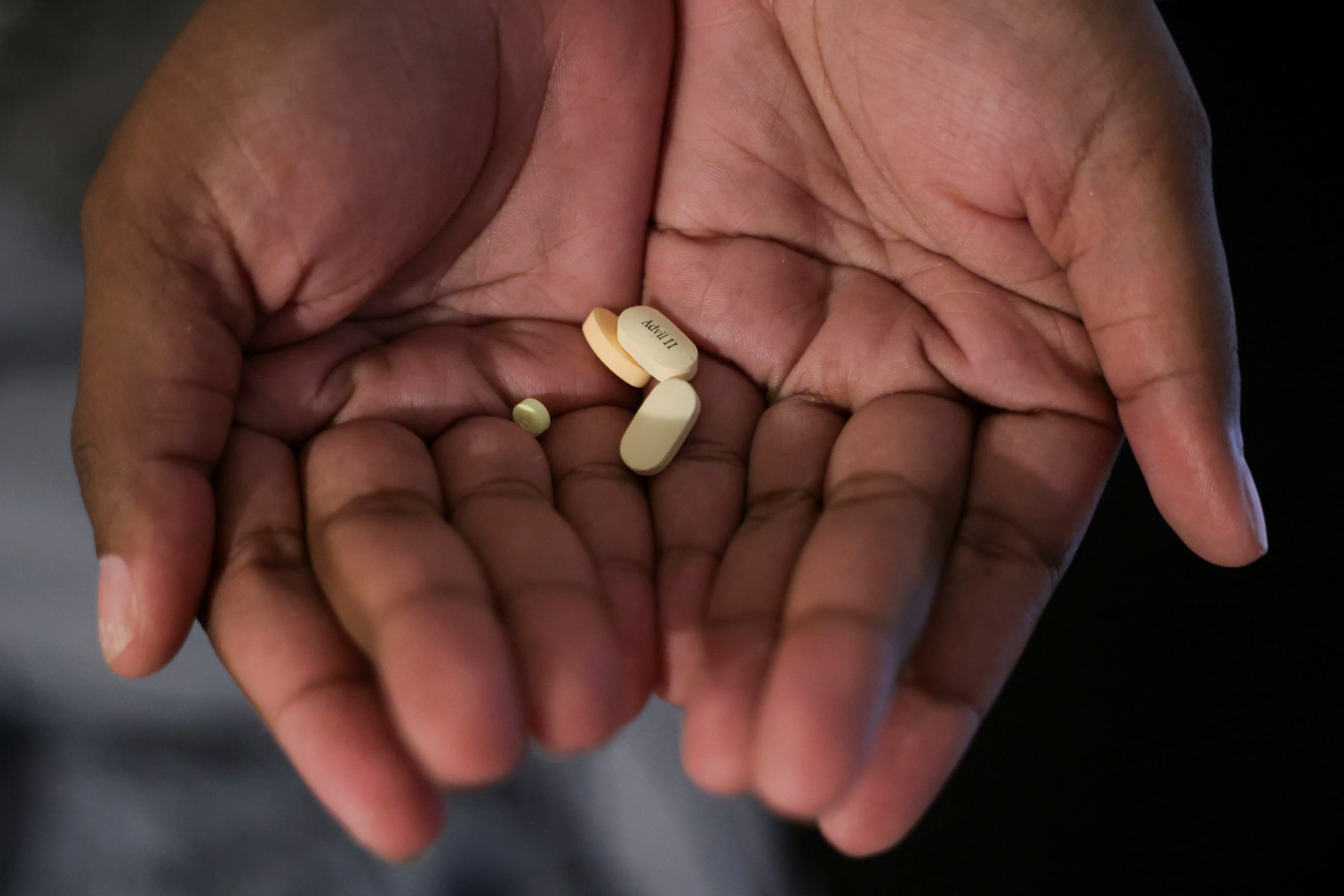
The Panthers thus embodied a dual strategy: building alternative institutions while forcing reform within existing structures. That approach resonates with contemporary models of policy feedback, in which grassroots experimentation reshapes national priorities.
Lessons for Today's Community Health Programs
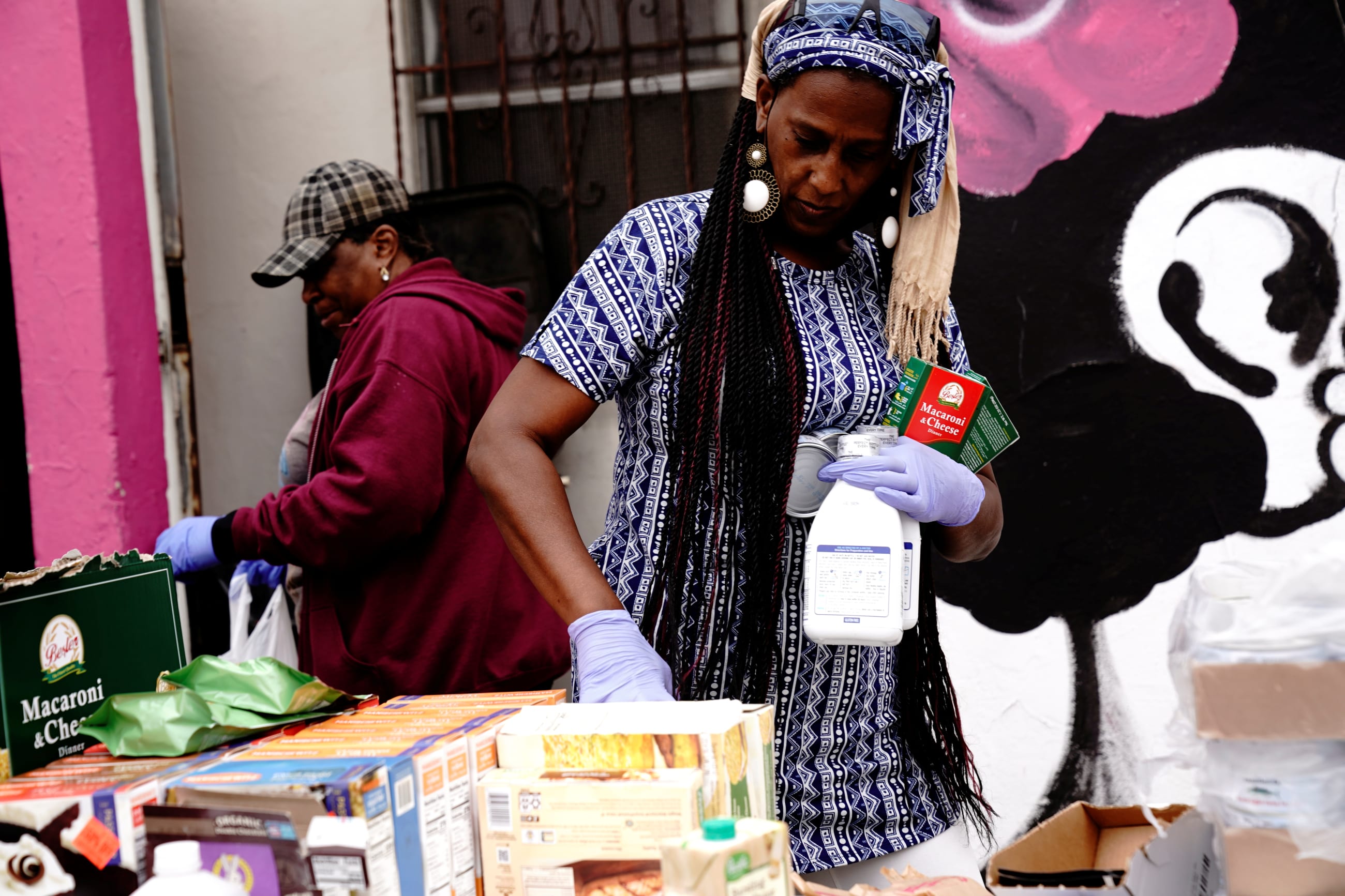
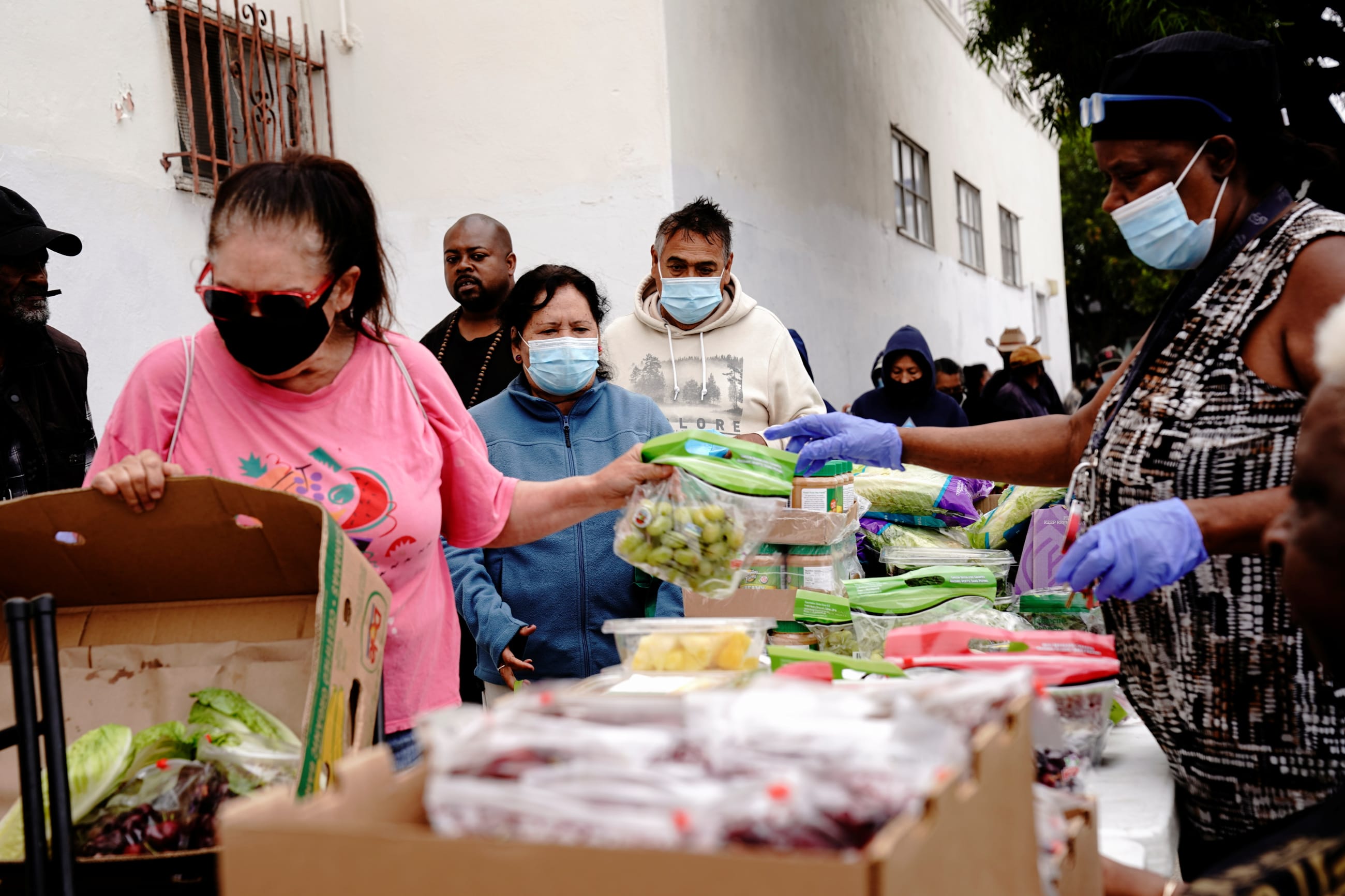
The COVID-19 pandemic exposed profound racial disparities in infection rates, mortality, and vaccine access. Community-based organizations stepped in to provide testing, food distribution, and public education, often filling gaps left by overwhelmed institutions. In many ways, those efforts echoed the Panthers' survival programs.
Three lessons stand out. First, community control builds trust. Distrust of medical institutions remains high in many marginalized communities, rooted in histories of exploitation and neglect. The Panthers addressed this not through abstract messaging but through direct service delivered by familiar faces. Modern community health programs, whether federally qualified health centers or neighborhood-based vaccination campaigns, succeed when they prioritize local leadership. In the current era, community advisory boards, participatory budgeting, and culturally competent care mirror the Panthers' emphasis on democratic control.
Second, health is economic policy. The Panthers refused to separate health from housing, employment, and food security. Contemporary public health increasingly recognizes this linkage. Programs addressing lead exposure, asthma, maternal mortality, and diabetes need to reconcile with environmental and economic conditions. Policymakers can draw from the Panthers' integrative model, which demonstrates how to combine health services with food distribution, legal aid, housing advocacy, and political education. Multisector collaboration, now widely endorsed in public health literature, was a lived reality in Panther organizing.
Third, prevention is revolutionary. The Panthers' sickle cell screening initiatives foregrounded prevention at a time when reactive care dominated policy. Preventive strategies such as vaccination drives, chronic disease management, and early childhood nutrition are recognized now as cost-effective and lifesaving. Investing in prevention requires political will. The Panthers demonstrated that community mobilization can generate such will, even in the face of institutional resistance.
The Enduring Black Panther Blueprint
The Panthers' survival programs were born in a context of racialized poverty and state neglect. They were sustained by volunteer labor, local fundraising, and intercommunal coalition-building. They faced repression precisely because they revealed that communities could organize care when government institutions would not. Current debates about health equity, food insecurity, and community resilience unfold in a different political environment but confront similar structural challenges. The legacy of the Black Panther Party challenges leaders and citizens to rethink public health not merely as service provision but as democratic practice. Their clinics and breakfast programs were experiments in participatory governance. They anticipated contemporary calls for health justice and community-driven policy. If the twenty-first century is marked by widening inequality and recurring public health crises, then revisiting the Panthers' survival programs is not an exercise in nostalgia. It is a reminder that innovation often begins at the margins, and that durable reform requires both grassroots energy and institutional transformation.
The Panthers refused the language of charity. To feed a child, heal a neighbor, or ensure that a family could visit an incarcerated loved one was not an act of benevolence; it was an assertion of political dignity and collective power. They transformed care into a form of democratic practice, insisting that communities most harmed by inequality could also design and govern the institutions that sustained their survival. The Panthers' insistence that care as self-determination, and health as justice, remains their most profound and enduring contribution to U.S. public health today.