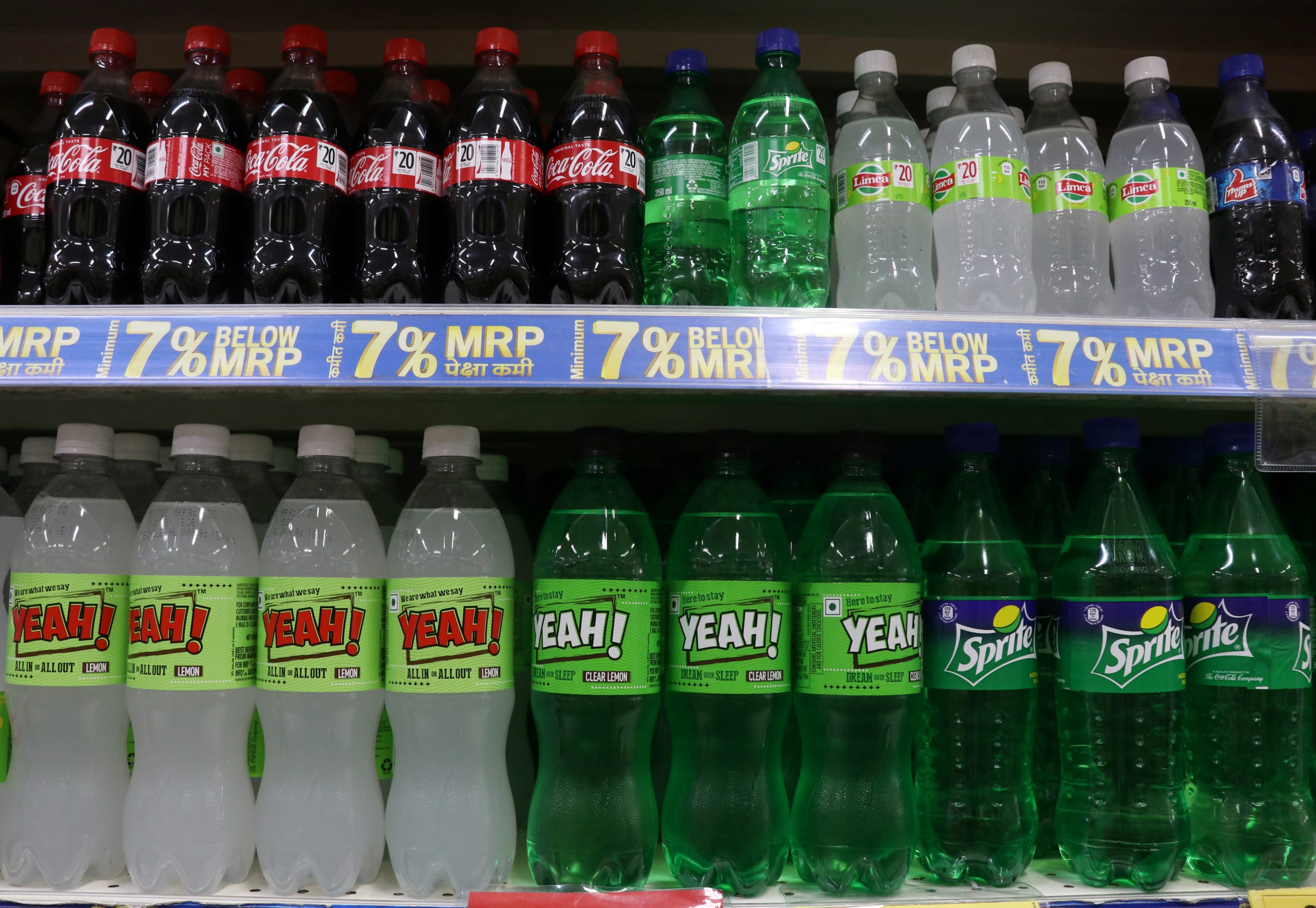
In September, India took a decisive step toward raising the taxes on carbonated sugary drinks with the intent of reducing their consumption. India's finance minister increased the rate to the highest possible mark, from 28% to 40%, putting the drinks in the sin goods category with alcohol and tobacco.
This tax hike comes amid new research showing that nearly every state in India exceeds recommended sugar intake, contributing to rising obesity and diabetes among young people. Other studies have found that the regular consumption of carbonated sugary drinks increases the risk of type 2 diabetes, obesity, heart disease, and cancer. The World Health Organization (WHO) recommends soda taxes as "a powerful tool to promote health." More than 80 countries, including India, implement some kind of tax on carbonated drinks; these have been successful in the United Kingdom and Mexico.
Yet India's September announcement dropped its taxes on other beverages that public health researchers say are sugary—lowering levies for noncarbonated fruit juices from 12% to 5% and milk drinks to 5%.
These experts warn that without similar taxes on fruit juices and broader reforms to address an "obesogenic environment," the intended health benefits from the soda tax may fall short.
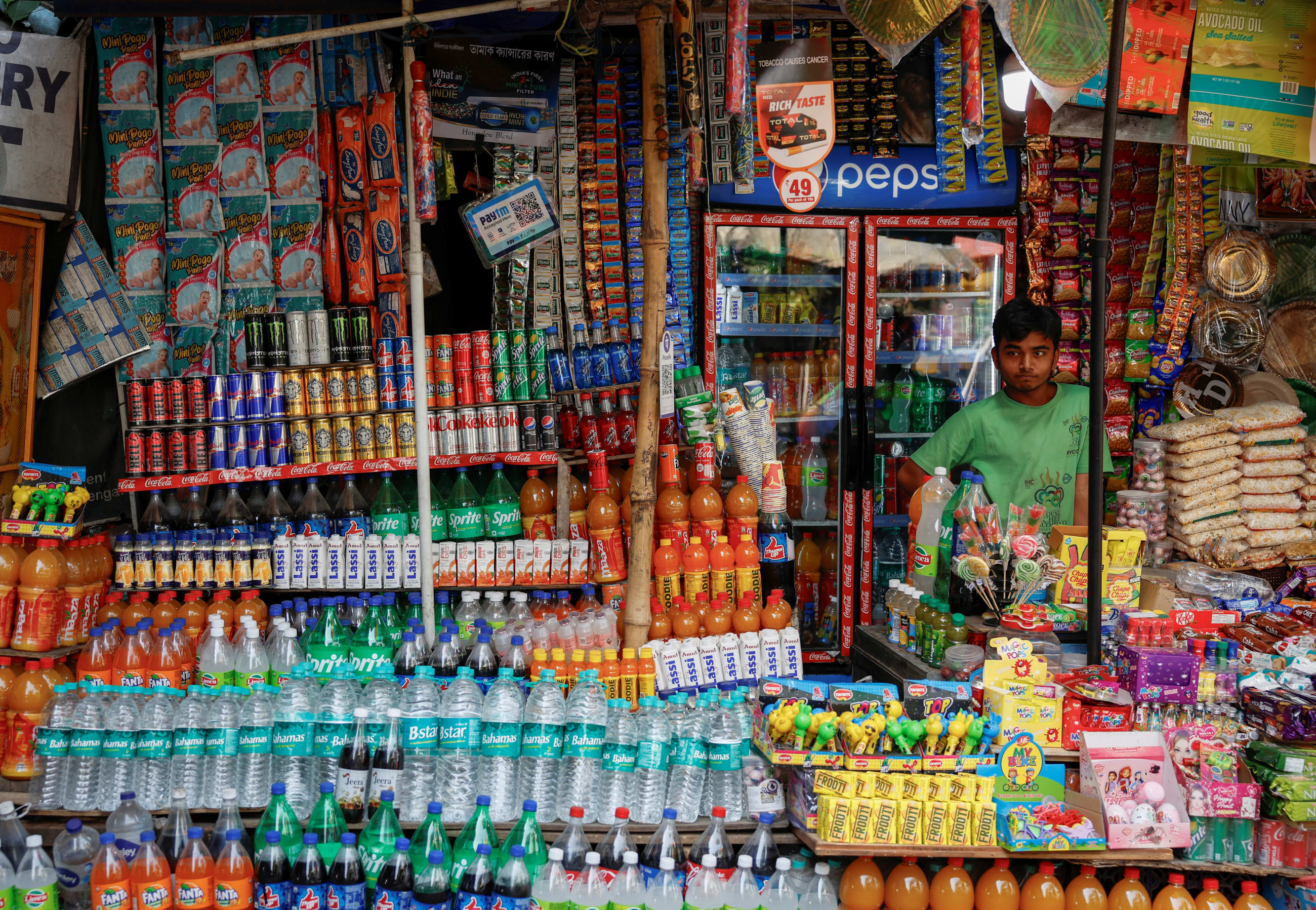
In India, these drinks are marketed as "aspirational products"
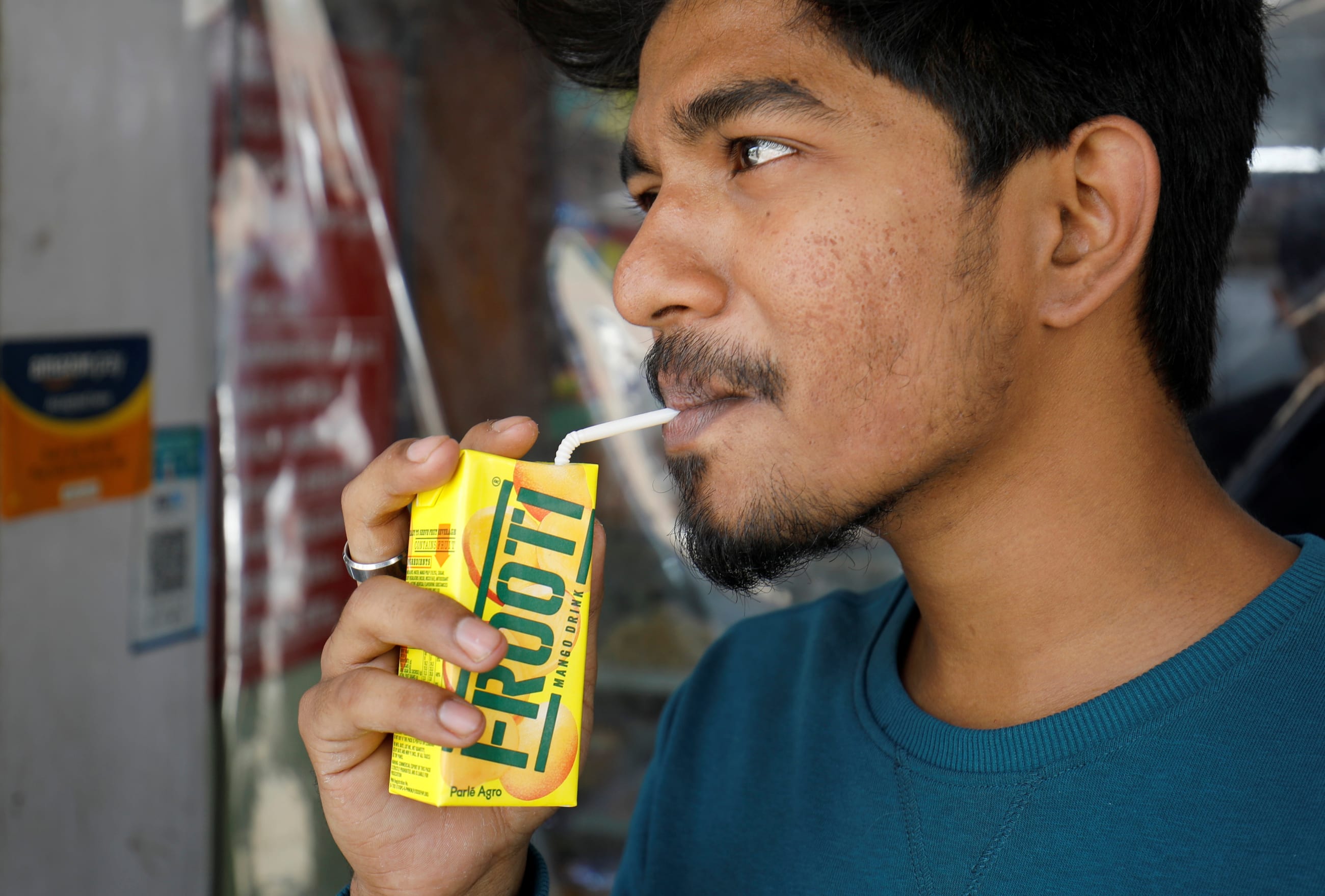
Health economist and consultant Beena Varghese reasoned, "As with anything, when the price increases, the demand should theoretically decrease." But in India, these drinks are marketed as "aspirational products"—items tied to status and lifestyle rather than basic refreshment—and advertisements often feature the country's biggest film stars and sports personalities. Varghese explained that people might be "willing to pay a little bit extra" for these products.
India's baseline consumption is already low, its per capita sales [PDF] at just 21.36 liters in 2018, versus 111.89 liters in the Philippines and 69.75 liters in Vietnam. But consumers still respond to price changes: Elasticity for aerated soft drinks stands at -0.94%. That is, for every 1% increase in price, people buy about 0.94% less, a 2022 study found.
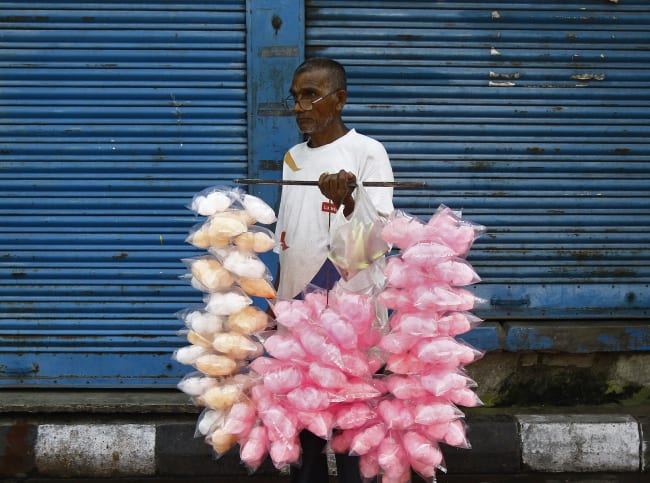
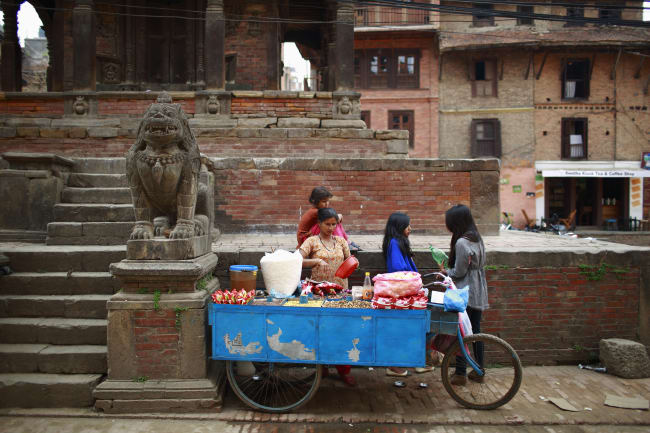
Another complexity is that the Indian beverage market is 80% informal [PDF], meaning that sales happen through street-side vendors for banta (carbonated lemon or orange-flavored soft drink), small fruit-juice sellers, and even locally produced carbonated soft drinks. These businesses are not government regulated and are not liable for taxes. Drink prices in the informal sector barely change; that is, the tax is unlikely to reduce consumption and achieve the desired health outcomes.
Between 2016 and 2019, the sale of drinks infused with fizz increased by 22.5% to 6,515 million liters. "Despite this, the overall market share of these [carbonated] beverages declined, particularly during the COVID-19 pandemic. CSDs [carbonated soft drinks] now record the lowest growth rate in both value and volume terms," Eshana Mukherjee, a consultant at the Indian Council for Research on International Economic Relations [PDF], said.
The consumers have shifted to juices, a category for which the government lowered tax rates in the latest revision because sales of juices grew by 31.9% between 2016 to 2019.
This tax difference "played at least a partial role in shifting the consumption," Rijo John, a health economist based in India, believes. The juices often considered healthier contain equally high levels of free sugar, he said.
Experts say the tax gap and the largely informal beverage market could undermine the soda tax's health goals. But the diabetes and obesity crisis may not hinge on carbonated drinks at all but instead on sugar itself.
Indian consumers are not sensitive to increases in the price of sugar, however, a 2024 study found: A 1% price hike will see only a 0.2% reduction in consumption.
That's why India remains the largest consumer of sugar, accounting for almost 15% of the global consumption. An average person in India consumes 25 kilograms (55 pounds) of sugar per year, five times the WHO recommended limit, a 2023 study stated.
Several studies note the effects of sugar on the noncommunicable diseases such as diabetes and obesity, which account for 68% of all deaths in India. In this year's Independence Day speech, Prime Minister Narendra Modi accepted this crisis. "Experts say, in the coming years, every third person will be obese," Modi warned. This would become a "major challenge for our country."
Sugar Intake by State
Currently, according to a 2023 study [PDF], 101 million people in India are diabetic, 136 million are pre-diabetic, and around 350 million have abdominal obesity.
"These are staggering numbers and affecting more of the younger population." R. M. Anjana, president of the Madras Diabetes Research Foundation in Chennai, said to Think Global Health. "By the time they reach their teenage years, they have obesity."
The soda tax hike arrives as Anjana and a team of scientists have mapped India's dietary patterns. "When you look at added sugar, the recommendation says that you should have less than 5% of added sugar in your diet. Most states in the country don't meet this recommendation," said Anjana, who in September copublished the findings in Nature Medicine.
The study tracked sugar added during cooking—white sugar, honey, jaggery, and palm sugar—but informal sugar intake from street food remains unknown and is more difficult to survey.
The roots of the crisis might be far beyond individual choices of what to consume. Anjana blames the obesogenic environment. The lack of walkable cities, limited open spaces, pollution, misleading messaging, and lack of governmental regulation, "so many things come together to make [diseases] happen in childhood itself," said Anjana.
Experts say these systemic issues highlight why single-policy solutions, such as a soda tax, can achieve only limited progress. Some suggest that taxes should also be placed on manufacturers, which is the case in the United Kingdom.
"The soda tax is one component of a toolkit. It's not the only thing," said Purnima Menon, a senior director for Food and Nutrition Policy at the International Food Policy Research Institute. "Taxes are a step in the right direction."