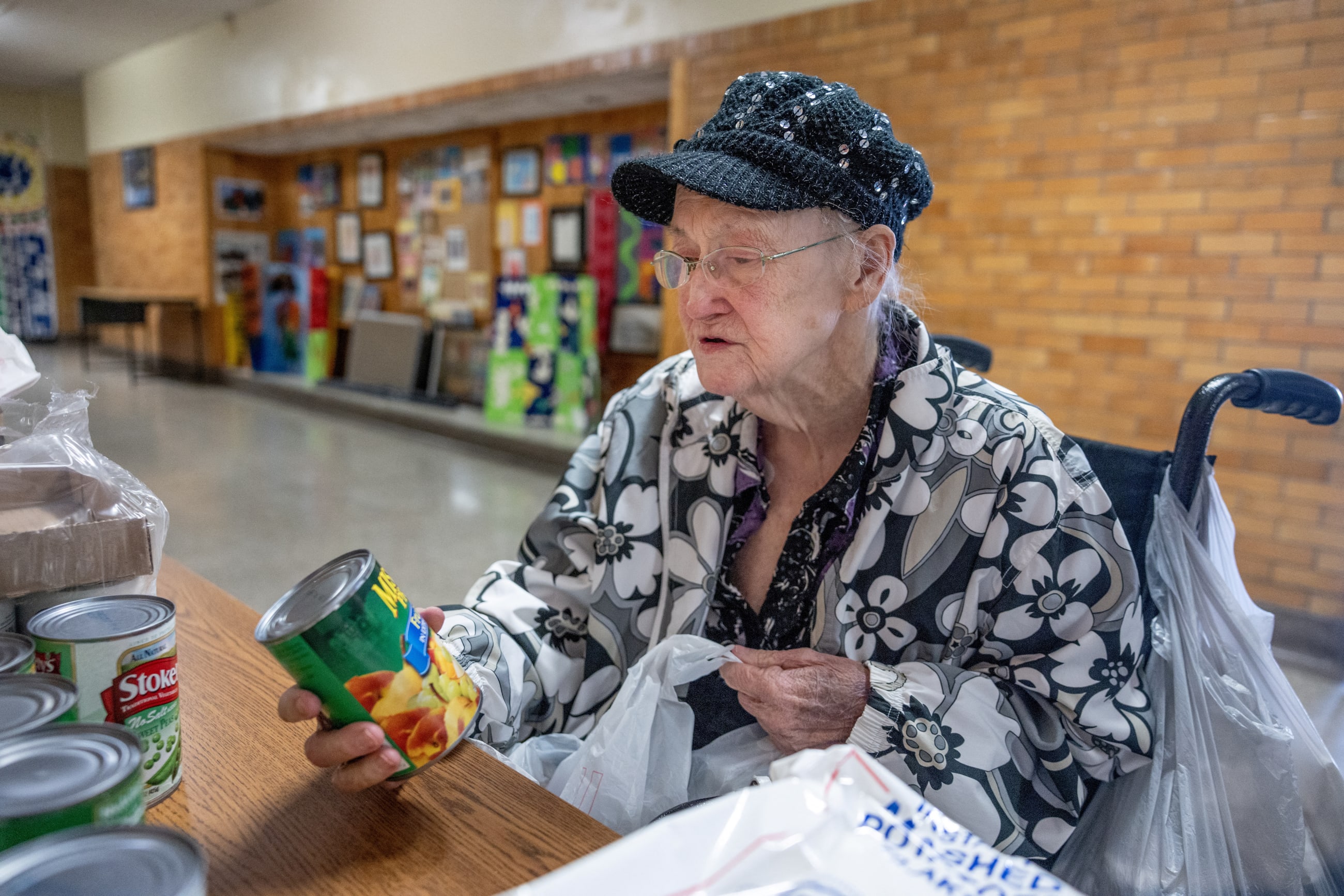
On December 1, multiple states began to implement new federal work requirements for Supplemental Nutrition Assistance Program (SNAP) recipients under the One Big Beautiful Bill Act (OBBBA). The new law has fundamentally altered the landscape of food assistance in the United States, and its most profound consequences could be for the population least equipped to adapt: older adults.
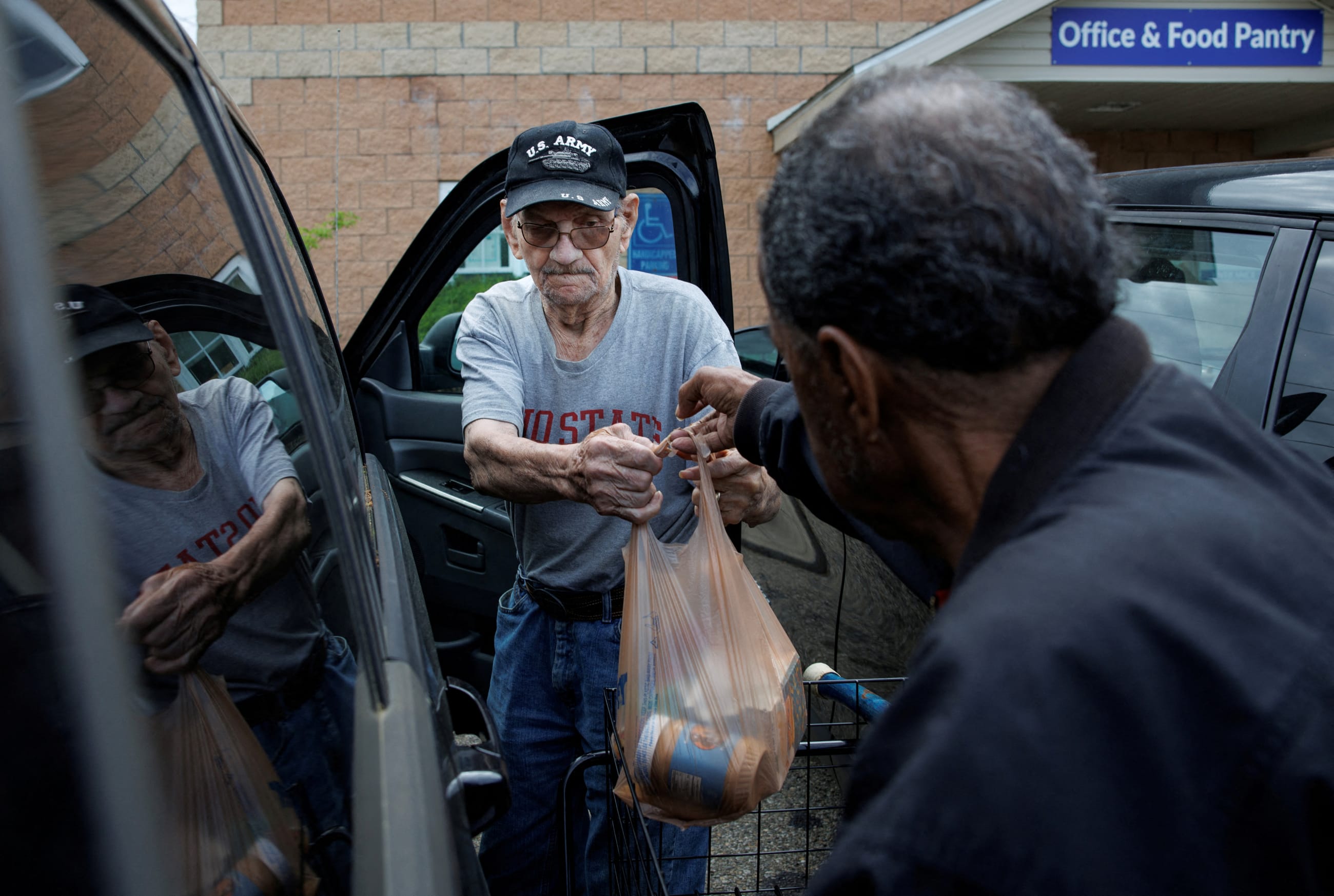
The law reduced federal funding for SNAP by $186 billion through 2034, according to the Congressional Budget Office—the largest cut to food assistance in history. The Center on Budget and Policy Priorities estimates that expanded work requirements for SNAP will lead to more than 1 million older adults ages 55 to 64 losing their food assistance. Older adults are now choosing between medications and meals, veterans are struggling to meet new work requirements, and food assistance organizations are scrambling to fill an expanding void.
The work requirements took effect mere weeks after SNAP benefits were interrupted by the longest federal government shutdown in U.S. history. Food pantries buckled under the strain, as demand for food persisted even after benefits were reinstated.
Lost in the policy battles are the older Americans now grappling with how to keep food on the table
After the shutdown ended, the Trump administration threatened in December to withhold SNAP benefits from recipients in 21 Democratic-led states, such as California, Minnesota, and New York. The decision follows those states' refusal to provide the U.S. Department of Agriculture with SNAP recipient data, including names and immigration statuses.
"We don't have a clear picture of what they are talking about in regards to SNAP recipients' data. They are just talking, and it's causing a lot of confusion among people," said Tina England, operations manager for Second Harvest Heartland in Minnesota.
Lost in the policy battles are the older Americans now grappling with how to keep food on the table.
A New Barrier to SNAP for Older Adults
Older adults have substantially lower SNAP participation rates than younger and middle-aged adults. The new work requirements threaten to deepen this gap, even as many older adults already remain reluctant to accept assistance.
"'Give it to someone who needs it more' is a common refrain," said Annette Hacker, chief communications and strategy officer at Food Bank of Iowa. Second Harvest Heartland receives similar comments from seniors according to England, including "'We got through the Great Depression, we can get through this.'"
For those who do qualify for SNAP benefits, the amount could be insufficient, partly because many eligible older adults fail to claim the excess medical expense deduction available to them. Adults 60 and older with monthly out-of-pocket medical expenses exceeding $35 can deduct these costs from their gross income during the SNAP application process, resulting in higher monthly food benefits. Despite this opportunity, just 16% of older adults [PDF] took advantage of the medical expense deduction in 2019; estimates suggest that far more SNAP-eligible seniors meet the criteria.
SNAP comes with two types of work requirements, a general set and those for able-bodied adults without dependents (ABAWD). OBBBA raises the age limit for ABAWD work requirements, from 55 to 64. This change means that older adults who were previously exempt now must find 20 hours of work a week to maintain their benefits. SNAP beneficiaries can meet the 20-hour-per-week rule with any combination of paid, in-kind, and volunteer work and certain job training programs, including SNAP's Employment and Training program.
A job search alone, without enrollment in a training program, does not count. Participants can do workfare–work in exchange for benefits—for the number of hours it takes to compensate for their benefit at the minimum wage rate assigned by their state agency.
For many older adults, this requirement presents an exceedingly difficult challenge. According to AARP, two-thirds of workers over age 50 have seen or directly experienced age discrimination in hiring, making the prospect of securing sufficient employment to meet work requirements particularly daunting. Those most in need of nutritional support—individuals dealing with homelessness or caregiving responsibilities—are now subject to requirements that may be physically impossible to fulfill.
Rural communities will be hit hardest, as part-time workers there already face higher poverty rates than their urban counterparts. As the number of rural child-care providers has steadily declined since 2017, meeting work requirements has become increasingly difficult, putting rural older adults living with dependent children at heightened risk of losing essential food support.
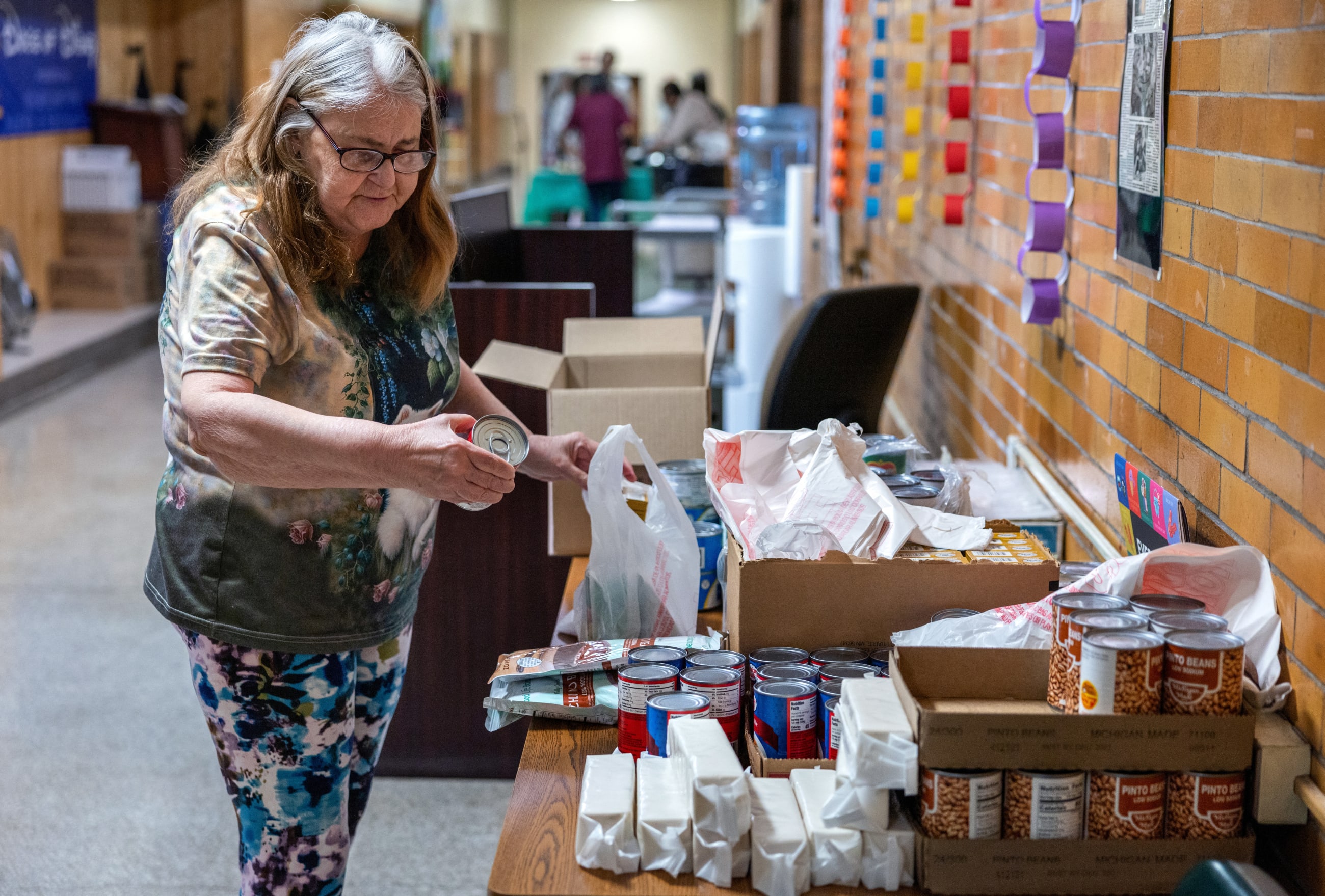
For homeless older adults, the challenges are multiplied. Meeting work requirements without stable housing, transportation, or addresses for receiving correspondence effectively excludes them from being eligible for benefits.
"We know from past research that increasing work requirements for social safety net programs leads to people losing benefits, not more people being employed," said Cindy Leung, ScD, an associate professor of public health nutrition at Harvard T.H. Chan School of Public Health.
Exceptions for SNAP eligibility exist for adults ages 55 to 64 who are pregnant, live with a child 13 or younger, or face physical or mental health barriers to employment.
Uneven Ground: SNAP Access for Older Adults Varies by State
The OBBBA's new financial demands could compound this barrier for older adults. The law requires that states with payment error rates above 6% pay 5% to 15% of the SNAP benefits going to their constituents. SNAP payment error rates gauge states' accuracy in determining who qualifies for benefits and how much they receive—not whether fraud has occurred. Some states have higher error rates than others because of post-pandemic challenges such as staff turnover in state assistance offices, older technology systems, and high application volumes.
The American Public Human Service Association states that such obstacles lead to more errors in benefit calculations even though many are unintentional. Many states with significant elderly populations face substantial budget pressures that will inevitably affect benefit recipients. According to 2024 census data, older adults outnumber children in 11 states: Delaware, Florida, Hawaii, Maine, Montana, New Hampshire, Oregon, Pennsylvania, Rhode Island, Vermont, and West Virginia.
New York state confronts substantial fiscal pressures due to its high SNAP payment error rates. Governor Kathy Hochul's administration and independent analysts have highlighted projections showing that many states could be forced to pay as much as seven times their current amounts for SNAP under OBBBA's future cost-sharing requirements, depending on their overall payment error rates. These increased costs could trigger a chain reaction where states respond by cutting SNAP programs to avoid cost-sharing obligations. Reduced federal investment begets lower state investment. Such a downward spiral would diminish the program's effectiveness as a nutritional safety net and economic stabilizer.
"[OBBBA] also removes state flexibility to apply for waivers in areas with high unemployment—unless the unemployment rate spikes to 10%. That's extremely high and that will mean far fewer people will be able to get help during the next economic downturn," said Dottie Rosenbaum, senior fellow and director of federal SNAP policy at the Center on Budget and Policy Priorities.
States must work to reduce error rates within the 2-year grace period while simultaneously preparing for massive budget changes. For older adults, the changes translate to uncertainty about long-term benefit availability and the potential for further program cuts as states seek to manage their exposure to federal cost-sharing requirements.
The Nutrition Gap Widens
As the cost of food grows, older adults could be forced to change their grocery shopping. Groceries cost 29% more in 2025 than in 2020, so affording a healthy diet is harder. OBBBA's adjustments to the Thrifty Food Plan formula—which forms the basis for SNAP benefit calculations—come as food costs have already outpaced benefit increases.
Food insecurity among older adults has risen over the past two decades, contributing to poorer diet quality, declining physical health, heightened risk of cognitive impairment, and more challenging chronic disease management.
"SNAP is our primary line of defense against food insecurity," said Leung.
The estimated reduction of $160 per month in benefits for a family of three does not account for the specialized dietary needs that often accompany aging. Research shows that using SNAP benefits to purchase nutritious foods is associated with fewer inpatient admissions and lower health-care costs for older adults dually eligible for Medicare and Medicaid.
Nonprofits Stretch to Fill SNAP Gaps
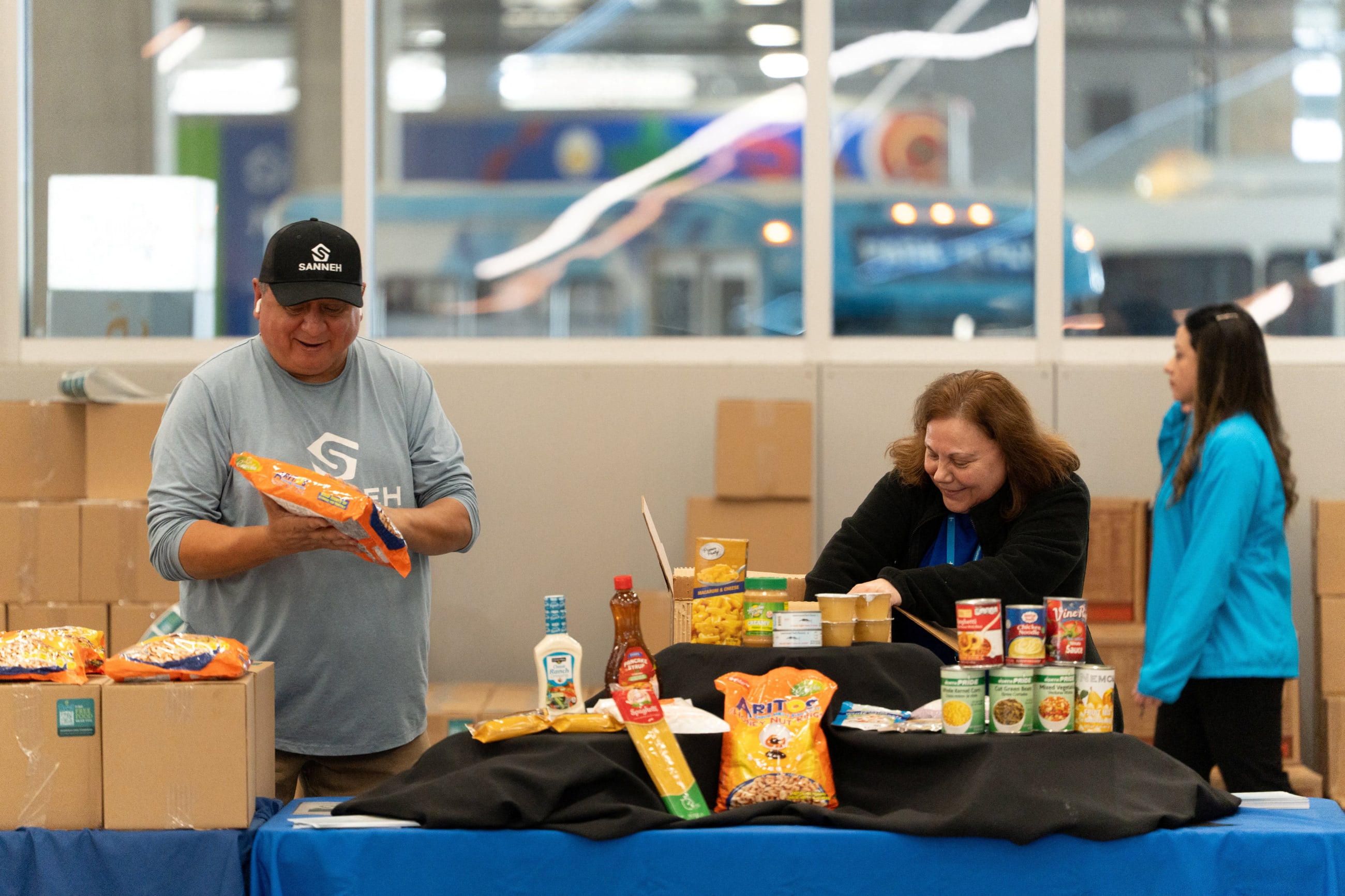
Food banks and their networks of charitable food providers are stepping up to address increasing food insecurity needs in communities, Leung said. However, organizations such as Food Bank of Iowa and Second Harvest Heartland have limited capacity because they operate on tight margins and volunteer labor.
"At the Food Bank of Iowa, we have never before seen such a record need," Hacker said in December. "Typically we distribute 100,000 pounds of food a day to our partners across 55 Iowa counties; the last few weeks it's been 160,000 to 170,000 pounds a day. It has stretched our budget, our truck routes and our people."
In Minnesota, England and her team at Second Harvest Heartland are connecting older adults with what they need to be eligible for SNAP, whether it's help finding a job or a volunteer position to meet the 20-hour-per-week requirement. "With AmeriCorps programs dismantled by the federal government, Minnesota schools are in need of volunteers. We are encouraging older adults to read to children or volunteer in the cafeteria during lunch periods," said England.
The average SNAP benefit is only $6.20 per person per day. "This isn't a generous benefit," Rosenbaum said. "Now it's getting even harder to access."