Ten years ago, I began working in a rural hospital in southern Cambodia. The realization dawned quickly that maternal health cannot be reduced to numbers or charts. It is a lived experience for millions of women every day, reflected in the complications, delays, and hardships they face during pregnancy and childbirth, particularly in low-resource settings where preventable conditions such as hemorrhage, hypertensive disorders, and infection remain common.
Back then, as well as today, underresourced medical staff often raced against time and distance, facing the most dangerous forms of birth complications such as obstetric hemorrhage, pre-eclampsia and eclampsia, and severe infections, more than half of maternal deaths globally. Women arrived after hours of travel from remote villages, already in shock, seizure, or fetal distress. Issues with transportation, referral systems, and early antenatal visits can turn manageable problems into life-threatening emergencies. Unfortunately, this problem is common across low-resourced settings inside and outside of Cambodia.
One case from my second week feels as if it happened yesterday. A 36-week pregnant woman arrived after a motorbike accident. Upon entering the room, I found blood spread across the floor and splashed on the wall. The young mother looked pale, scared, and could barely speak. Her baby's heartbeat was still there, but she was bleeding fast.
Time was short, and the scrub nurse lived more than four miles away, and at that time, the clinic lacked 24-hour surgical coverage. There was only a volunteer doctor, a local anesthesiologist, and me. We performed a crash cesarean section. Inside, her uterus was dark bluish, locally swollen, and bruised—a Couvelaire uterus caused by a placental abruption. We delivered the baby in under two minutes but faced a choice that every obstetrician fears: a hysterectomy to control a potential hemorrhage, or uterine preservation despite impaired uterine contractility and the risk of continued bleeding.
The mother was young, and it was her first baby, so the uterus was preserved. With careful monitoring, uterotonics, ice packs, and antibiotics, she was able to stabilize. Both mother and baby survived and later went home.
That day reminded me that patient survival is not only about following protocols. It also depends on quick clinical judgment, coordinated teamwork, and the ability to act decisively under pressure.
In 2015, at the rural hospital in southern Cambodia, our team realized the first step was not only equipment but the restructure of care
These cases are not unusual. Obstetric hemorrhage remains a leading cause of maternal mortality, accounting for about 1 in 4 maternal deaths. In Cambodia, despite progress over the past two decades, the maternal mortality ratio remains around 154 deaths per 100,000 live births [PDF], more than double the Sustainable Development Goal (SDG 3.1) target of 70 deaths per 100,000 live births by 2030.
Hemorrhage causes approximately one-third of maternal deaths in Cambodia, and in small hospitals, where blood is scarce and referrals take hours, the risk is even higher.
A Couvelaire uterus—a rare but catastrophic complication of severe placental abruption—can lead to massive hemorrhage, coagulopathy, and acute kidney injury. In high-income countries, full teams, blood banks, and intensive care units can save a mother's life. However, Cambodia has only 0.7 physicians per 1,000 residents, far below the global average and the World Health Organization's recommendations for providing maternal and obstetric care. In areas such as rural Cambodia, lifesaving decisions often fall to one or two clinicians—working without a full surgical staff, laboratory capacity, or reliable blood products.
Fragile Systems and Everyday Challenges
Cambodia has made progress with national health reforms, such as the expansion of the Health Equity Fund to improve access for poor households or the scale-up of midwifery training and deployment as part of national Safe Motherhood initiatives, but many rural hospitals still face serious issues.
There are many disparities in access to essential resources. There are documented gaps in the provision of blood components, uterotonic agents, and magnesium sulfate, as well as laboratory services in rural hospitals [PDF], affecting the capacity to respond adequately to obstetric hemorrhage and hypertensive emergencies. Human resource planning reports [PDF] point to a notable deficit of skilled midwives and doctors, leaving many patients depending on junior staff with limited experience in emergencies.
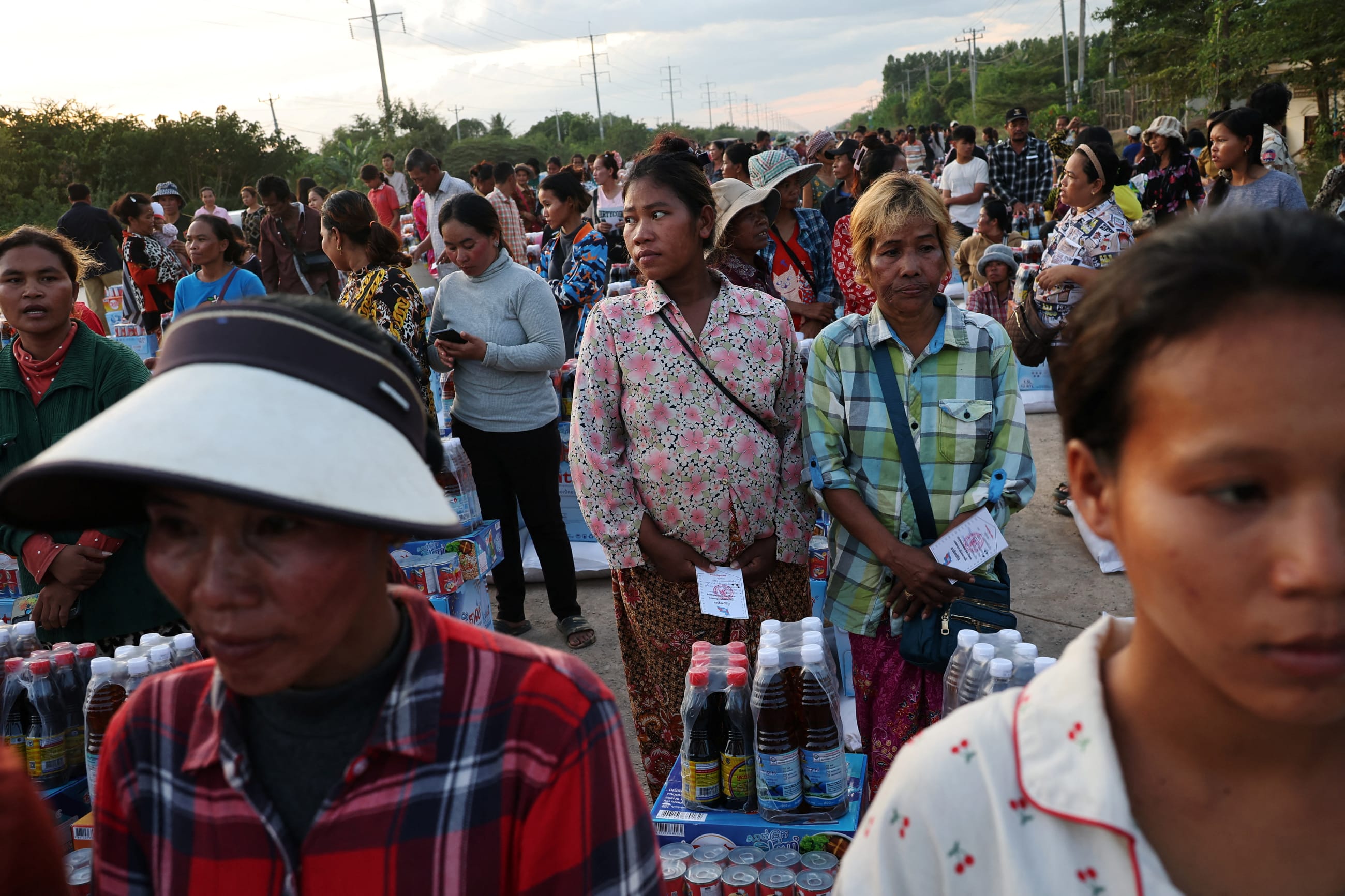
There's often no clear emergency protocol or supervision. Geography and infrastructure create barriers: Villages are often far from the nearest care facility [PDF], roads are difficult to travel, as they are often unsealed or poorly maintained, seasonally flooded, and damaged, and sometimes there is no phone signal to communicate with family or the hospital. As a result, hospitals are often not alerted in advance, and emergency teams assemble only after the patient arrives.
Turning Crisis into Structure
In 2015, at the rural hospital in southern Cambodia, our team realized the first step was not only equipment but the restructure of care. We invited all hospital staff to speak openly about the problems they were facing, including delays in escalation, poor documentation, and confusion around managing obstetric emergencies. Using this feedback, the staff developed standard operation procedures (SOPs), checklists, and emergency flowcharts. Furthermore, these procedures used World Health Organization, American College of Obstetricians and Gynecologists, and Royal College of Obstetricians and Gynaecologists guidelines adapted and simplified for smaller teams. SOPs were translated into Khmer, placed in every delivery room, and adapted for limited blood availability, intermittent surgical coverage, and variable staff experience while maintaining evidence-based standards.
These SOPs were used daily: when a woman bled, when a baby struggled. Slowly, people gained confidence, and communication and coordination improved. The ward became more organized.
The Missing Link: Mentorship
Even equipped with SOPs, medical staff need mentorship. Bedside teaching, daily morning reviews, and short debriefings after difficult cases allowed the hospital and staff to prioritize learning. Midwives could ask questions, request drills, and practice more to gain valuable hands-on experience in maternal care. For example, midwives were taught artificial rupture of membrane (ARM) using a surgical glove filled with water and a plastic cup, safely initiating labor augmentation and building confidence in managing prolonged labor.
Foreign volunteers—both doctors and midwives—also supported staff, teaching skills like shoulder dystocia, safe episiotomy repair, and newborn resuscitation. They filled gaps until local staff could do it themselves.
Data, Reflection, and Tracking Progress
To keep track of progress, a simple audit book was created to log every delivery, complication, and near-miss. On a monthly basis, the hospital staff discussed the cases and reviews and, within a year, severe postpartum hemorrhage dropped almost 40%, based on internal hospital audit data, and unnecessary referrals declined. This was achieved without any outside funding, thanks to organized care, discipline, and shared responsibility.
Rebuilding Trust with Patients
Maternal health is about trust. Many women delay care because of medical costs, distance, or fear of mistreatment. Some women in rural Cambodia believe an ultrasound is enough for prenatal care, arriving at the hospital with thick ultrasound files but no basic lab tests like complete blood count or blood type. Others thought a doctor who did not give antibiotics or intravenous (IV) fluids was "not a good doctor."
Over time, patient education helped many understand the importance of timely facility-based care, evidence-based interventions, and early recognition of danger signs in pregnancy, increasing their confidence in seeking care at the hospital rather than relying solely on traditional or home-based practices. Simple gestures—explaining procedures, allowing family to stay nearby, and ensuring privacy—often are absent from policy frameworks but are critical for building trust. When women trust the system, feel respected and supported, they seek care earlier, and those earlier arrivals can save lives.
Lessons Beyond One Hospital
This small hospital in rural Cambodia exemplifies that big funding is not the only necessity for improving care. Leadership, mentorship, and locally appropriate systems are key. These procedures were implemented not only in the hospital where I first worked but also in other hospitals in Phnom Penh where I have practiced, demonstrating that SOP-based, mentorship-driven approaches are scalable and adaptable across multiple low-resource settings.
Improving maternal health is not just medicine—it is justice. Reducing preventable deaths means that every mother's life is equally valuable. Even fragile hospitals can improve with structure, teaching, and compassion. Real change happens at the bedside, on the ground, one birth at a time. Progress comes from simple human connection—a calm voice, a hand of support, and the belief that every mother deserves to go home with her baby both happy and healthy. This kind of SOP-based, mentorship-focused strategy can be applied in other low-resource health-care facilities in Cambodia. For example, some hospitals implemented bedside mentorship where senior midwives supervised junior staff during deliveries, ensured correct use of oxytocin for postpartum hemorrhage, and conducted weekly skills drills for obstetrics emergencies. These interventions increased correct use of lifesaving procedures and improved staff confidence, showing that SOP-based mentorship is scalable even without large external organizations.
These examples show how maternal health can be improved globally using practical and inexpensive strategies adapted to local conditions. They highlight how important it is to deal with resource limitations, staffing challenges, and access barriers, and they demonstrate how effective leadership and care strategies reduced the rate of maternal deaths in the region.