Africa is at a critical juncture: Its health systems can continue to rely on fragmented approaches by donors and global health initiatives (GHIs), or governments can adopt a new model that spotlights country ownership and community needs. Persistent gaps in health financing, repeated shocks from epidemics and climate disasters, and disjointed efforts from donors and nongovernmental organizations (NGOs) that fail to meet community needs prevent universal health coverage from becoming a reality across the continent.
To catalyze change, African governments need to invest in responsive primary health care that allows local health systems to deliver necessary services to communities. When governments have sovereignty over their health systems, they can reduce vulnerabilities to external funding cycles and geopolitical changes that can jeopardize access to routine immunization, HIV treatment, and malaria prevention. African leaders who are aligned can gain bargaining power with global health suppliers, donors, and technology partners to jointly develop interventions that reduce costs, accelerate outbreak responses, and save lives.
When community voices are at the center of planning and delivering health care, the result is a health system shaped by local realities and context, not a top-down decision-making approach. Even well-meaning initiatives risk being led by elites and technocrats, ultimately falling short of their long-term impact on communities. The lessons from the progressive decline in official development assistance (ODA) over the last decade and the dismantling of the U.S. Agency for International Development should result in practical, local solutions to cushion communities from erratic health-care provision.
The Lusaka Agenda opens the way to transitioning power and financing back to African governments
The Lusaka Agenda opens the way to transitioning power and financing back to African governments by prioritizing domestically financed, integrated primary health-care systems that are led and coordinated by national governments and that incorporate community voices. The plan, which was born in December 2023 from a collaborative process between governments, donors, and intergovernmental organizations, outlines five shifts [PDF] to redirect global health investments toward country ownership, sustainability, and equity. It seeks to align GHI investments with national priorities, increase domestic financing, create accountability, and strengthen regional coordination that centers on African leadership.
Since its launch, global and regional leaders have doubled down on their commitment to the agenda. In late 2025, the G20 Leaders Declaration made reference to the Lusaka Agenda, and it is embedded in two objectives in the Global Health Architecture Reform Africa Regional Dialogue paper. At the same time, the Africa Centres for Disease Control and Prevention finalized the Lusaka Agenda Monitoring and Accountability Framework. These actions are helping to move the Lusaka Agenda from theory to action across the continent for 2026 and beyond.
The Lusaka Agenda: From Talk to Action
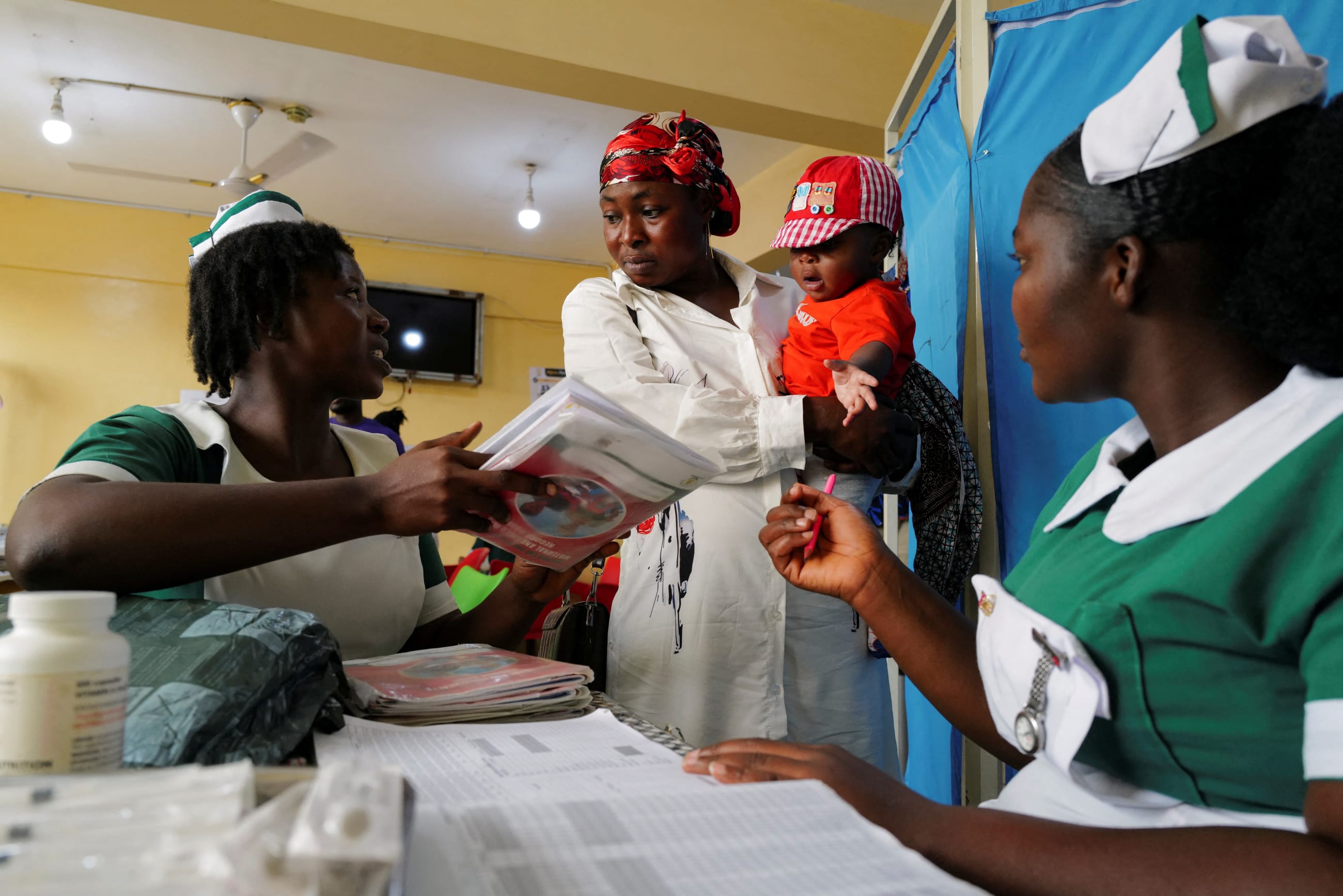
Central to the Lusaka Agenda is the notion that strong health systems begin with strong primary health care, where prevention meets people. When primary health care is underfunded and hard to access, communities suffer preventable diseases and deaths, ultimately weakening health systems and leaving them vulnerable to health emergencies. Governments, donors, and GHIs already agree on the Lusaka Agenda's potential to revolutionize the global health architecture, but these commitments have yet to be translated into action.
The proposed roadmap [PDF] is designed to make health financing more predictable and targeted at the systems that deliver care each day. In fact, several countries have made strides in embedding the Lusaka Agenda principles into primary health-care systems.
Malawi, one of the first countries to embed the Lusaka Agenda, embedded the principle "one plan, one budget, one report" into its Health Sector Strategic Plan III. Some of the key reforms enacted in Malawi include integration of primary health-care services, optimizing the health workforce, improving supply chain systems, and promoting financial transparency in the health sector. Malawi also introduced an Implementing Partner Re-Engagement Framework to align donor-supported health programs with national priorities.
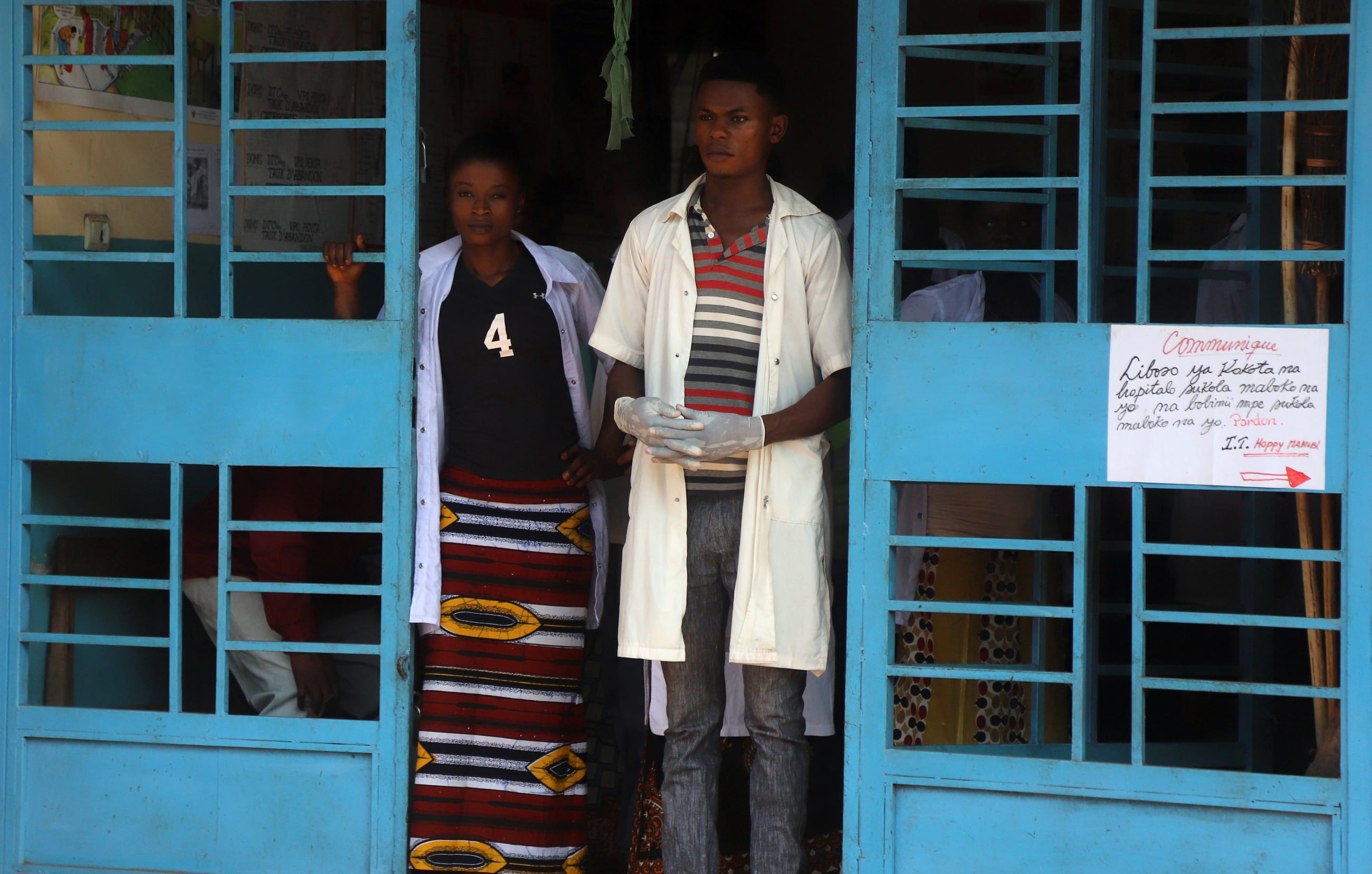
In Democratic Republic of Congo (DRC), VillageReach, a nonprofit organization that aims to improve health-care access in underserved communities, primarily in Africa, partnered with the Ministry of Health (MoH) to streamline supply chain systems, enabling more efficient delivery of vaccines through the Mashako Plan that dramatically increased access to vaccines for remote communities. When financing flows through national budgets, countries can scale health care in ways that work. Additionally, the government has integrated the Lusaka Agenda into national emergency responses in DRC's Eastern region. Those changes are central to the Lusaka Agenda's vision of sustainably financed, government-driven health systems.
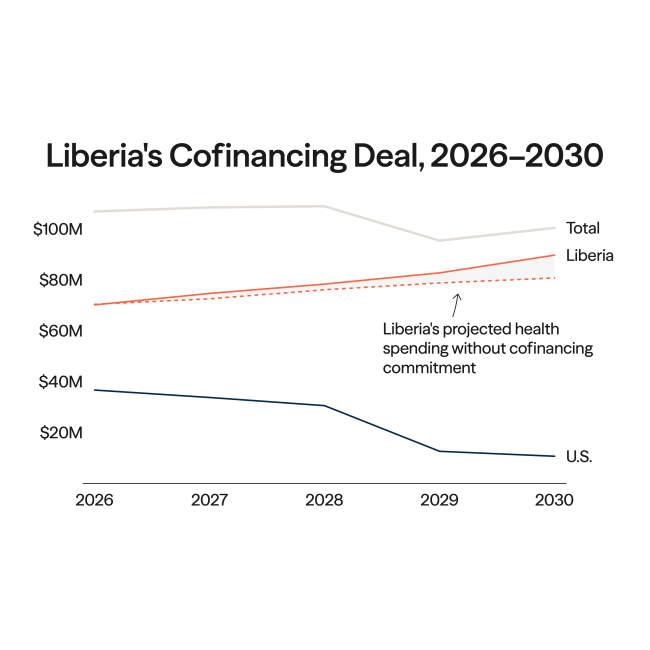
In Liberia, the MoH is actualizing its co-financing commitments with NGO parters like Last Mile Health, to sustain critical primary health-care services through its National Community Health Program. This program successfully increased community access to professionalized and paid community health workers from a few counties in 2016 to a country-wide program in 2024. Since 2016, the Liberian Government has increased domestic health financing for primary health care, committing $27.6 million for the 2024–26 Global Fund Grant Cycle Seven, and more recently committing $51 million over five-years as part of a bilateral U.S.-Liberia agreement. With support from its partners, the government of Liberia is increasing its financial commitments moving toward health sovereignty and sustainable quality primary health-care services.
Those examples offer valuable lessons for GHIs and underscore the need to support national strategies that leverage existing budgets and incorporate local voices. To design a future of health financing that is equitable, accountable, and sustainable, community engagement must move from the margins to the middle. When communities help define priorities, financing becomes more responsive, resilient, and results-oriented. Adopting the Lusaka Agenda and incorporating community voices is more than a policy shift; it's a commitment to deliver health care for all—but only if we choose to transform primary health care together. Until we are all safe.