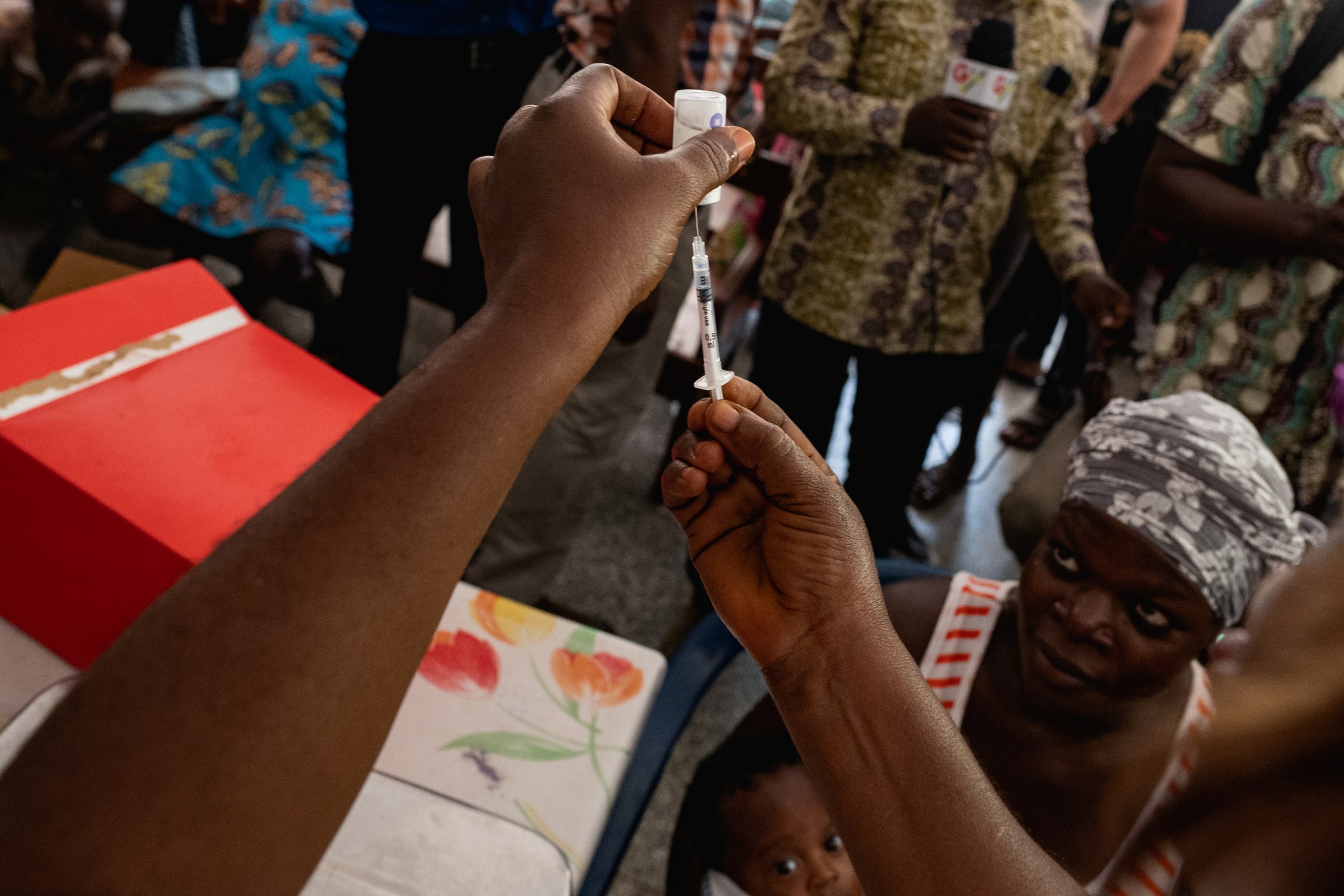
From 2000 to the early 2020s, countries enjoyed a golden era for global health. This period, marked by intense multilateral cooperation, saw the launch of Gavi, the Vaccine Alliance, and the U.S. President's Emergency Plan for AIDS Relief (PEPFAR), among other new initiatives.
The period witnessed a steady rise in overseas development assistance (ODA) for health. Since peaking during the COVID-19 pandemic, however, health ODA has sharply declined. In 2025 alone, major donor countries, including the United States, United Kingdom, Germany, France, and other EU members, announced sharp cuts to their health aid, spurring the World Health Organization to announce a budget cut of 22% over the next two years.
Although the golden era appears to be over, it is important to explore factors that can motivate donors to continue investing in global health. For many decades, health ODA investments appeared to be based on donors' moral obligation to help recipient countries save lives and strengthen their health systems. In recent years, however, governments have found it harder to justify their global health spending to their domestic constituents in the face of growing fiscal pressures, competing domestic priorities, and geopolitical shifts.
Yet a crucial benefit of such spending is overlooked: It brings enormous health, economic, and political returns to donors themselves. In a recent study for the Kiel Institute for the World Economy, we found that health ODA could mutually benefit recipients and donors by improving health and health-related economic returns, providing economic gains unrelated to health, and boosting soft power.
Too often the additional and reciprocal returns of health ODA to donors are forgotten in policy discussions
Health ODA's benefits for recipient countries are well established and widely appreciated—such as the association between health aid and reductions in infant mortality and HIV-related deaths. Consequently, the narrative following last year's cuts centered around harms to recipient countries, highlighting the potential for disease resurgence, rising mortality, weakened health systems, and stagnation of progress toward health goals.
But those cuts are also harming donors by sapping their economic gains, improved global health security, expanded geopolitical influence, and enhanced soft power. Too often the additional and reciprocal returns of health ODA to donors are forgotten in policy discussions, yet they are essential to viewing health ODA as an investment, rather than a cost.
Health Security Benefits
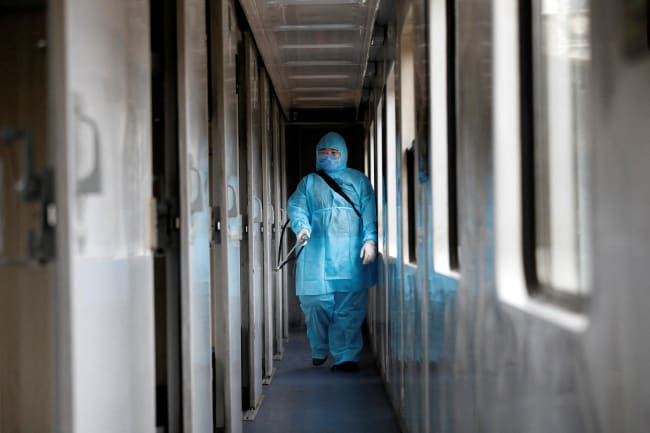
ODA investments in strengthening health systems abroad yield large gains for global health security. The COVID-19 pandemic demonstrated that even high-income donor countries can be highly vulnerable to massive excess mortality and huge economic losses when there is underinvestment in global health preparedness. Studies have shown that preventing pandemics costs a fraction [PDF] of what countries incur in controlling them.
Annual investments of approximately $4.5 billion in health systems and research and development in low-and-middle-income countries could avert losses estimated at $60 billion per year from future pandemics. Additionally, equitable access to vaccines during an outbreak brings substantial shared economic benefits for both donor and recipient countries. Investments in disease surveillance, primary care capacity, and vaccinations act as a frontline defense against infectious disease threats and prevent major costs, along with reducing the likelihood of an outbreak becoming a global crisis.
Economic Spillovers
Donor countries enjoy spillover economic and trade benefits [PDF] from investing in health ODA that are not strictly health-related. A study by Impact Global Health found that every dollar invested in neglected disease research and development (R&D) generates an estimated $405 in social and health returns. When the global population is healthy, stable, and well integrated into the global market, it improves labor productivity, fosters supply-chain resilience, and creates economic partnerships that boost trade relationships and investment opportunities for donor countries.
ODA investments in global health R&D not only help to fight neglected diseases and improve health outcomes, they also create jobs and strengthen innovation ecosystems. A study led by the Global Health Technologies Coalition found that U.S. public spending of $46 billion on global health R&D in the period 2007–22 yielded a sixfold return on investment for the United States, amounting to $255 billion. This return included the creation of 600,000 new jobs in the United States, $104 billion in economic activity, and an additional $102 billion in industry investments resulting from future global health research endeavors. Similarly, Impact Global Health estimated that the UK government's R&D investments of 424 million pounds in neglected diseases can create 2.7 billion pounds in long-term returns [PDF], including 54 patents, 5,000 publications, and additional 3,945 additional UK-based jobs.
The UK's Global Better Health Programme is a good example of health ODA's economic-spillover benefits. The program, which invested in noncommunicable disease programs across eight middle-income countries—Brazil, Mexico, South Africa, Malaysia, Myanmar, the Philippines, Thailand, and Vietnam—was designed to support disease control and labor productivity and to boost UK business and export opportunities, especially exporting health-care training.
The UK government estimated that the program had a primary benefit-cost ratio of 1.3 to 1, meaning that for every British pound invested in the program, there was an expected return of 1.3 British pounds in improved population health outcomes. The secondary benefit-cost ratio—or the returns the UK received as a donor through export opportunities—was 1.1 to 1. That means that for every British pound invested in the program, there was an expected return of 1.1 British pounds for the export of UK health-care training.
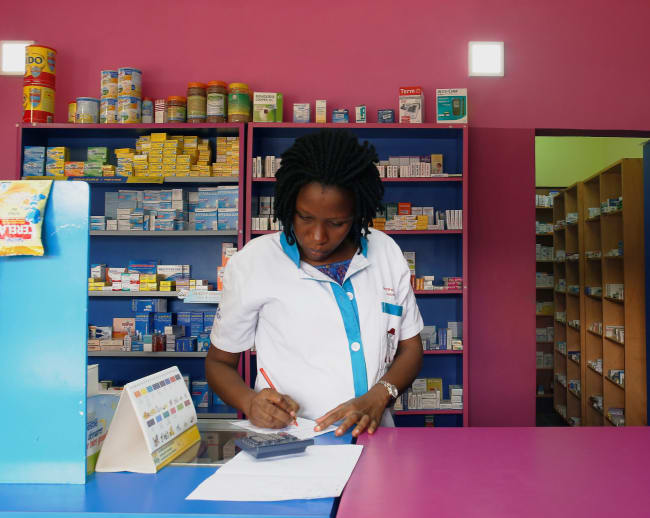
A significant share of the procurement for key health programs by multilateral and bilateral institutions such as the Global Fund to Fight AIDS, Tuberculosis and Malaria; Gavi; and PEPFAR, also comes from high-income donor countries, which helps to boost domestic employment, revenues, and research capacity.
The new America First Global Health Strategy noted that since 2010, the Global Fund has procured $3.5 billion worth of health products and technologies from U.S. companies. In 2024 alone, U.S. firms supplied 50% of the malaria diagnostic tests and 70% of the HIV rapid tests, totaling $350 million.
When donors withdraw health ODA, it has consequences for their domestic economic activities, including disruptions in ongoing trade of commodities and services. For instance, as a result of the U.S. health ODA withdrawal, procurement of medicines, diagnostics, and equipment from firms and companies based in donor countries, such as Abbott in the United States and Roche in Switzerland, to support U.S. Agency for International Development programs, are estimated to be heavily impacted. Another article highlighted that 1 in 5 National Health Service (NHS) staff in the United Kingdom are noncitizens and that the UK aid cuts would limit immigration of skilled international health workers and shared learning opportunities that the NHS relies on and benefits from.
Soft Power
Health aid has long been used as a cornerstone for advancing international cooperation and diplomacy. Soft power and political influence can help donor countries achieve strategic and diplomatic goals, and it can create pathways to lead on global issues such as security, trade, and climate change. Studies have shown that health ODA generates geopolitical and soft power returns for donors by building trust, improving donor credibility, and strengthening bilateral and multilateral relationships.
Research on PEPFAR and the U.S. President's Malaria Initiative showed that U.S. investments in these programs helped boost recipient countries' attitudes toward the United States. One study found that doubling the per capita amount of PEPFAR funds was associated with a 20% to 23% higher global approval of the U.S. president between 2007 and 2010. Health ODA has also been shown to improve political stability and deepen security ties between donor and recipient countries, which can help reduce the threat from terrorism.
ODA investments to improve health systems can also reduce regular migration flows and the emigration of health workers from recipient countries. Weak health systems and health delivery are strong drivers of migration—as seen in the migration of Venezuelan refugees to Colombia. Investments to improve access to key services, such as health and education, can help curb migration, improve the quality of life in recipient countries, and reduce migration pressures in donor countries.
Amid many uncertainties, one thing is clear: Global health governance should evolve to match new realities, and doing so should, in turn, influence how and where health aid is invested. These realities include geopolitical fragmentation, a retreat from multilateralism, climate-driven health crises, human displacement from conflicts, and low- and middle-income countries' push toward sovereignty over their health systems. Some donors have recognized these shifts and are adapting accordingly. Gavi's "Gavi Leap" reform [PDF] emphasizes "country-centricity," driven by an approach to strengthen country ownership and self-reliance by supporting countries' transition out of donor support, and setting clear end dates for engagement.
There is clearly an important ongoing role for health ODA. But given that the sharp fall in funding in 2025 will not be reversed, such ODA will need to be better targeted to where it is needed most. Investing in global public goods, such as pandemic preparedness, the tackling of antibiotic resistance, and pooled procurement of medicines and vaccines, is a core function of global health that will be a valuable ODA investment in perpetuity.
When it comes to health ODA given directly to countries to support functions such as health service delivery and health system strengthening, a shift toward targeting countries in greatest need (low-income countries and countries facing humanitarian crises) will be required.
In both cases, our work has shown that there is a win-win outcome, with benefits to both recipients and donors.