The fracture of international cooperation on global health and human rights under the second Trump administration represents a historical turning point. For the last 80 years, every U.S. president understood, albeit imperfectly, that a world order in which people are healthy and endowed with fundamental rights is in U.S. national interests.
The year 1945 marked the dawn of the Belle Époque (Beautiful Era), laying the foundation for a rules-based global order, underpinned by universal human rights and the right to health. And it all happened on U.S. soil.
The 1945 San Francisco Conference on International Organization, sponsored by the "Big Four" (United States, China, Soviet Union, and United Kingdom), spawned the grandest societal achievements of the modern age: the UN Charter, the Universal Declaration of Human Rights (UDHR), and the World Health Organization (WHO).
Solidifying the United States' foundational leadership was Eleanor Roosevelt, who chaired the UN Commission on Human Rights. She was the driving force behind the International Bill of Human Rights, which comprises the UDHR, the International Covenant on Civil and Political Rights (ICCPR), and the International Covenant on Economic, Social and Cultural Rights (ICESCR).
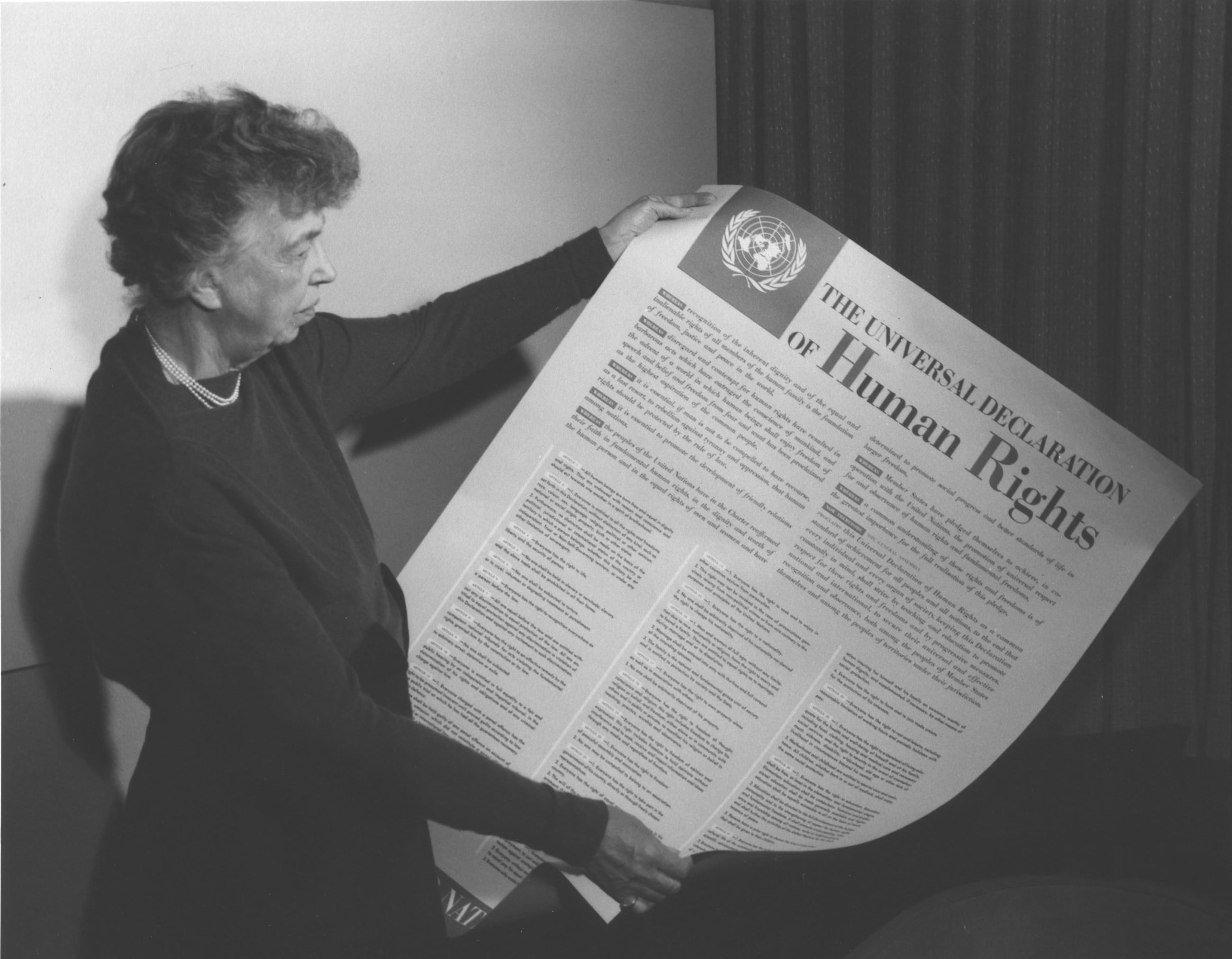
The foundations of the health and human rights field are firmly established in three legally binding treaties: the UN Charter, the WHO Constitution, and the ICESCR. Article 55 of the UN Charter charges members to promote "solutions of international economic, social, health, and related problems" and "universal respect for, and observance of, human rights and fundamental freedoms for all." Beyond the Charter, the WHO Constitution and ICESCR contain the most authoritative definitions of health and health rights in international law. The WHO Constitution's preamble states, "the enjoyment of the highest attainable standard of health is one of the fundamental rights of every human being."
Article 12 of the ICESCR draws on the WHO Constitution's definition of the right to health while enunciating the steps member states must take to achieve the full realization of the right to health: reducing the rates of stillbirths and infant mortality; supporting the healthy development of the child; environmental and industrial hygiene; prevention, treatment and control of epidemic, endemic, occupational and other disease; and assurance of "all medical service and medical attention in the event of sickness."
Meanwhile, the UDHR is the most important declaration ever adopted by the General Assembly. Article 25 of the UDHR grounds the right to health in the social determinants of health—"the right to a standard of living adequate for the health and well-being of himself and of his family, including food, clothing, housing and medical care." In many ways, the UDHR resonates most strongly with the modern health and human rights movement by framing health as deeply rooted in the social and economic lives of individuals and communities.
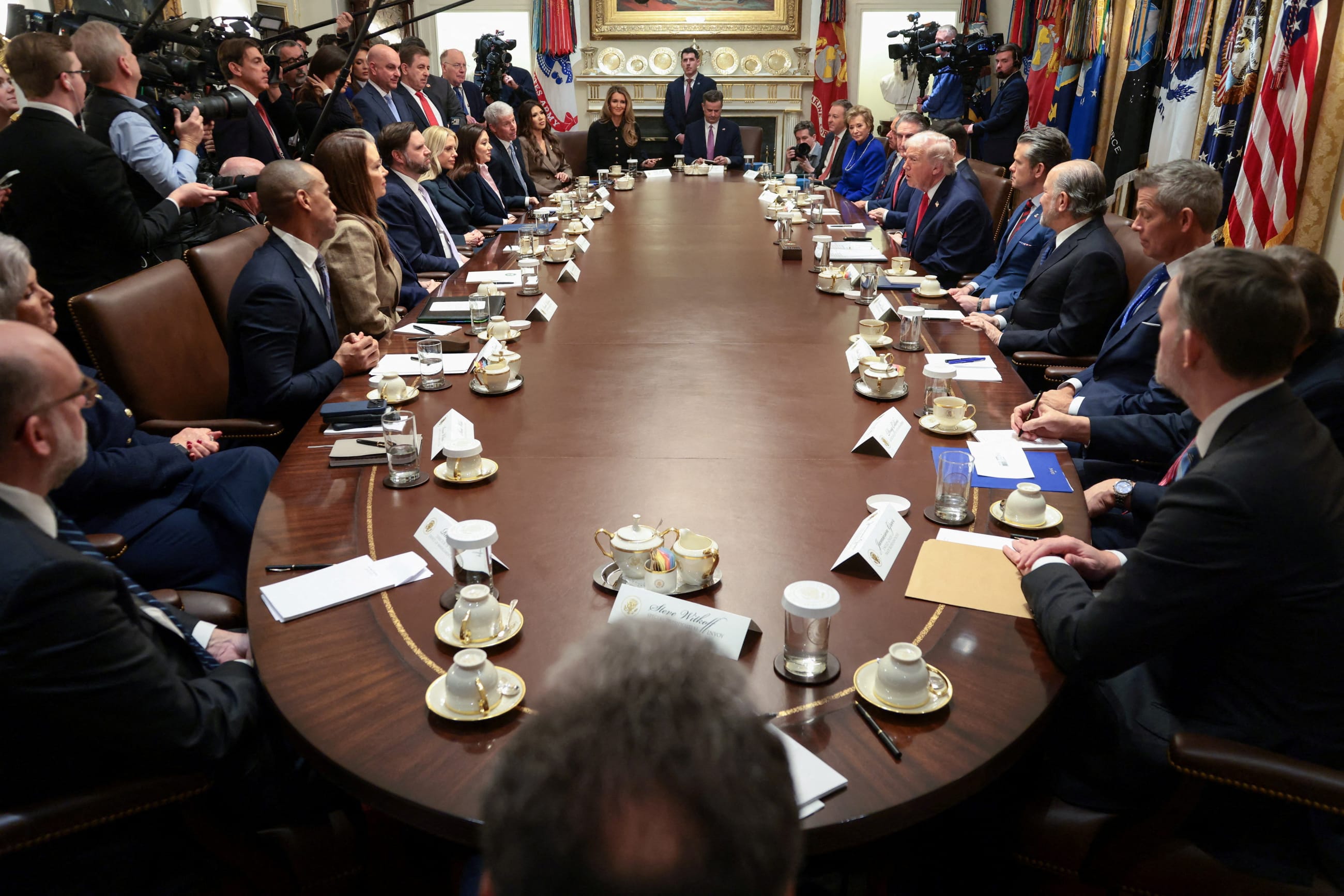
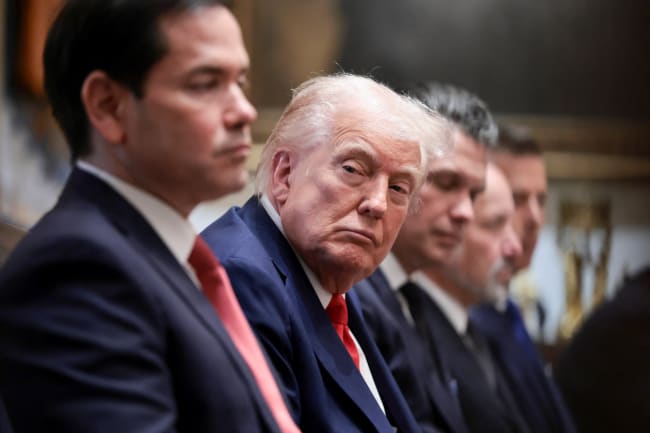
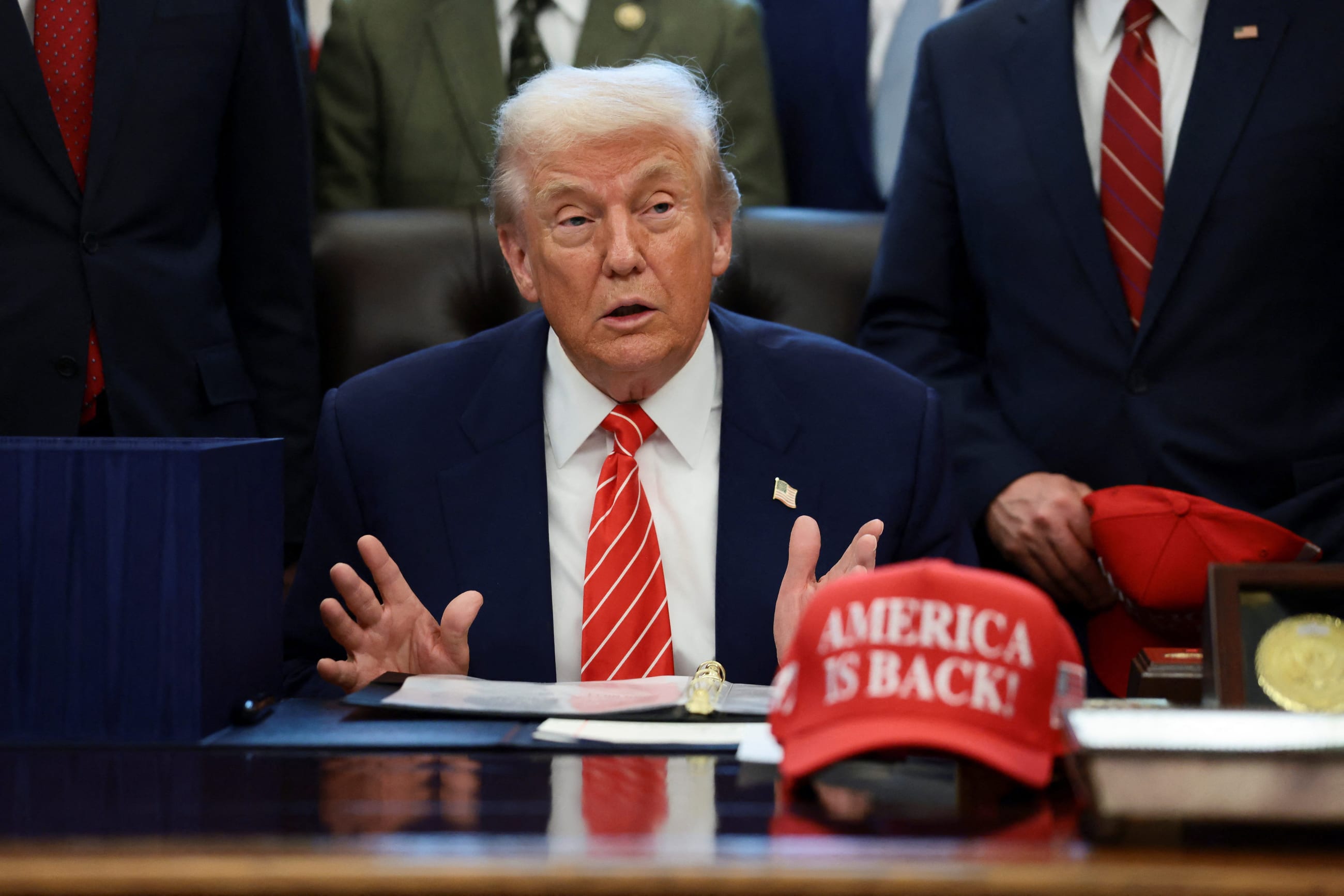
With that grounding in the foundations of the health and human rights movement and the centrality of U.S. leadership, one can begin to understand how ruinous President Donald Trump has been in his second term. And it has only just passed the one-year mark.
The World Health Organization
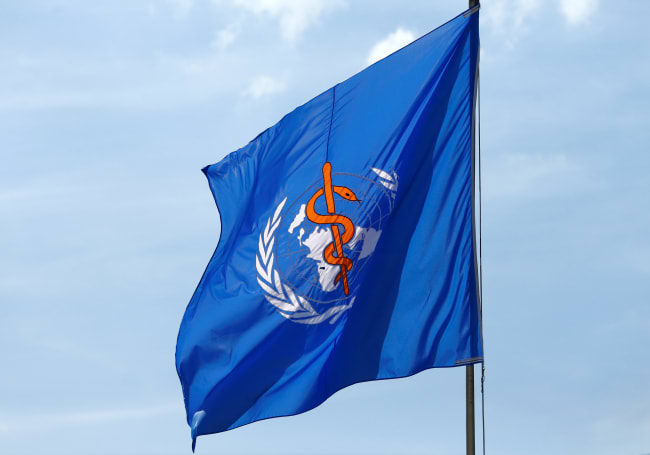
In January 2025, during the first week of the second Trump administration, the president gave the United Nations the legally required one-year notice of the intent to withdraw the United States from the WHO. The departure date was set as January 22, 2026.
The United States reserved the right to withdraw, but only after meeting two express conditions
It was Donald Trump's second attempt remove U.S. participation in the WHO, but this time he immediately ceased all U.S. funding. Under Executive Order 14155, the president recalled all U.S. personnel assigned to or embedded with the WHO at its Geneva headquarters and worldwide. He ended official participation in WHO governance structures, as well as its scientific and technical committees. These actions forsake U.S. national interests.
This year, when January 22 arrived, President Trump officially withdrew from the World Health Organization. His unilateral action was unlawful under federal law, and of dubious legality under international law. The WHO Constitution includes no provision for withdrawing, but arguably, the United States is the only country permitted to leave the organization. When the United States joined the WHO as a founding member in 1948, it did not formally ratify the WHO Constitution, which is a treaty. Instead, Congress adopted a joint resolution, signed by President Harry Truman. That legislation specified that the United States reserved the right to withdraw, but only after meeting two express conditions. President Trump met the first condition—giving one year of notice. But by ceasing all funding, the president is in continual violation of the second condition, which is to pay all currently owed financial obligations.
While exiting without paying the United States' obligated dues is against the clear will of Congress, the position under international law is less obvious. The joint congressional resolution could be seen as representing a "reservation" in the United States joining the WHO Constitution, but that reservation also requires complying with its terms. WHO Director General Tedros Adhanom Ghebreyesus has stated that this topic will be discussed at the World Health Assembly in May 2026. Member states could decide that the United States can not leave without fulfilling its financial obligations. In that case, the United States would become an inactive member and could no longer vote at the assembly.
The Centers for Disease Control and Prevention (CDC)
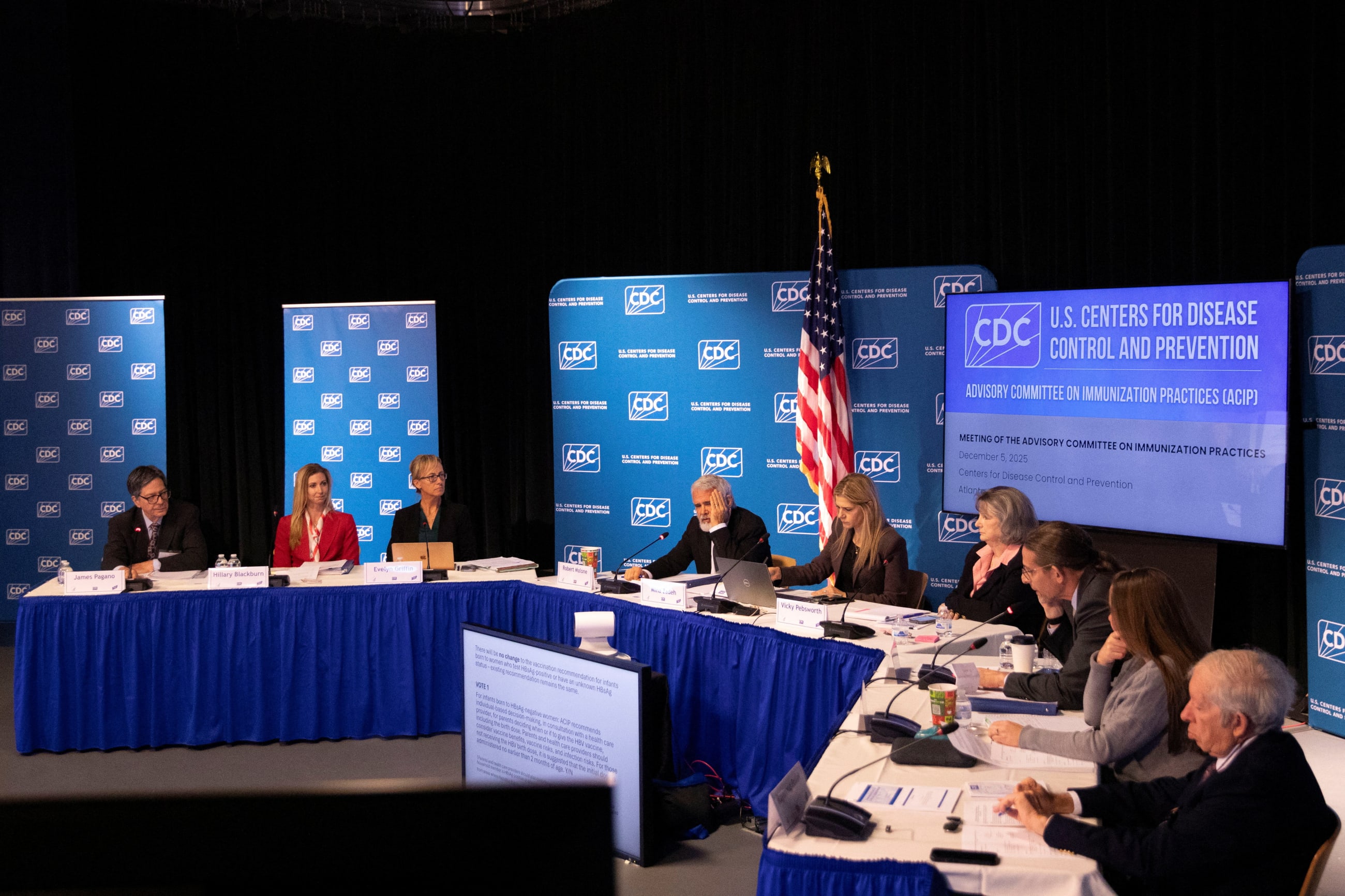
Onlookers could posit that the CDC has such high technical and scientific capacities that it could safeguard U.S. security interests even without the WHO. Even if that were true (and it isn't), the U.S. Health and Human Services Secretary Robert F. Kennedy Jr. has incapacitated the CDC through severe budget and staffing cuts. Kennedy has also undermined normal order and processes at the agency by firing all sitting members of the Advisory Committee on Immunization Practices (ACIP) and changing the childhood immunization schedule. All this has driven the CDC's key scientific leadership to resign.
Those two actions—withdrawing from the WHO and undercutting the CDC—have severely disrupted international disease surveillance, curtailed collaboration with global partners, and thwarted international collaboration. Not only is the United States impaired in sharing epidemiologic information with the WHO's influenza and measles surveillance systems, but the CDC is in a weakened position to gather those data and respond to outbreaks. No one wins. Everyone has less protection against pandemic threats.
Health Research and International Assistance
Congress controls the power of the purse and has authority to establish or end administrative agencies. Yet President Trump created a pseudo agency—the Department of Government Efficiency or DOGE—that slashed the budgets of the country's most venerable scientific and humanitarian agencies. He cut research funding for the National Institutes of Health and prominent research universities, while also dismantling the U.S. Agency for International Development (USAID), which was established in 1961 by Congress under President John F. Kennedy. George W. Bush's President's Emergency Plan for AIDS Relief (PEPFAR)—supported by every U.S. president except the current occupant—has a bleak future, even as it has saved more than 25 million lives and enabled more than 5.5 million babies to be born HIV-free. If U.S. funding for PEPFAR is being reduced, the administration could seek to fully transition programs to partner countries before they can fully cover the costs, and an expanded Mexico City Policy will likely severely curtail HIV programming targeting key populations.
"Globalism"
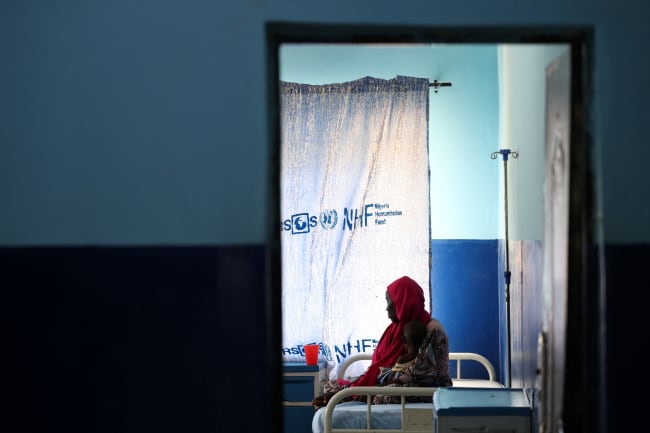
The Trump administration has had a long track record of opposition to international cooperation, institutions, and the rule of law. "Globalism" and "globalist" have become disparaging terms within populist and nationalist discourse. On January 7, 2026, President Trump signed a presidential memorandum directing the U.S. withdrawal from 66 international organizations. In so doing, he ceased all funding of 31 UN entities. For example, ending funding for UN Population Fund is already forcing major cuts in the agency's programs to prevent and treat survivors of sexual violence and cutting off women in crisis settings from skilled maternal care.
WHO Treaties
The Biden administration led negotiations for amendments to the International Health Regulations (IHR) and for the Pandemic Agreement. President Trump signed an executive order disavowing the IHR amendments and pulled the United States out of Pandemic Agreement negotiations. The World Health Assembly adopted the IHR amendments in June 2024 and adopted the Pandemic Agreement a year later, with provisions on equitable access and a system of pathogen access and benefit sharing. With the United States outside this system, U.S. pharmaceutical and biotech companies will be disadvantaged in developing vaccines when the next pandemic strikes—and people in lower-income countries will have less access to any vaccines and medicines that U.S. entities do create.
Diplomatic negotiations on both WHO treaties succeeded in Geneva, not in spite of Trump's withdrawal from international cooperation but arguably because of it. Governments that had refused to compromise their interests, such as African and European governments, came together as a statement of solidarity in the face of the president's actions to destabilize the international rules-based system.
Climate Change
On January 27, 2026, President Trump pulled out of Paris climate agreement for the second time, weeks after setting into motion U.S. withdrawal in 2027 from the UN Framework Convention on Climate Change. His Environmental Protection Agency (EPA) recently upended decades of practice by halting any consideration of health and lives saved when setting rules on air pollution. The EPA moved to revoke the 2009 Endangerment Finding, which underpins the agency's greenhouse gas regulations, while actively removing climate data from agency websites and promoting skepticism of mainstream climate science.
On reflection, all this could have been predictable given that President Trump's cabinet secretaries are often at odds with their agency's missions. Health Secretary Kennedy has shown an aversion to science. EPA Administrator Lee Zeldin takes pride in "driving a dagger through the heart of climate-change religion." During his tenure, the EPA website removed many references that connected climate change to human activities. Secretary of State Marco Rubio has actively spurned multilateral solutions in favor of highly transactional diplomacy. There is no better example of this than the recently published America First Global Health Strategy, which negotiates bilateral agreements that expressly condition foreign assistance to U.S. economic benefits.
A nation that gave birth to the United Nations, the International Bill of Human Rights, and the World Health Organization has now shattered the norms and values of these international policy and institutions. It could take generations to restore those historic values.