In 1992, Queen Elizabeth II described her annus horribilis as a year when institutions she assumed were stable revealed their fragility. For global health, 2025 played a similar role. The disruption did not come from an unexpected crisis or a novel pathogen. It came from a sequence of deliberate political decisions that exposed how much of the global health system rests on discretion rather than durable assurance.
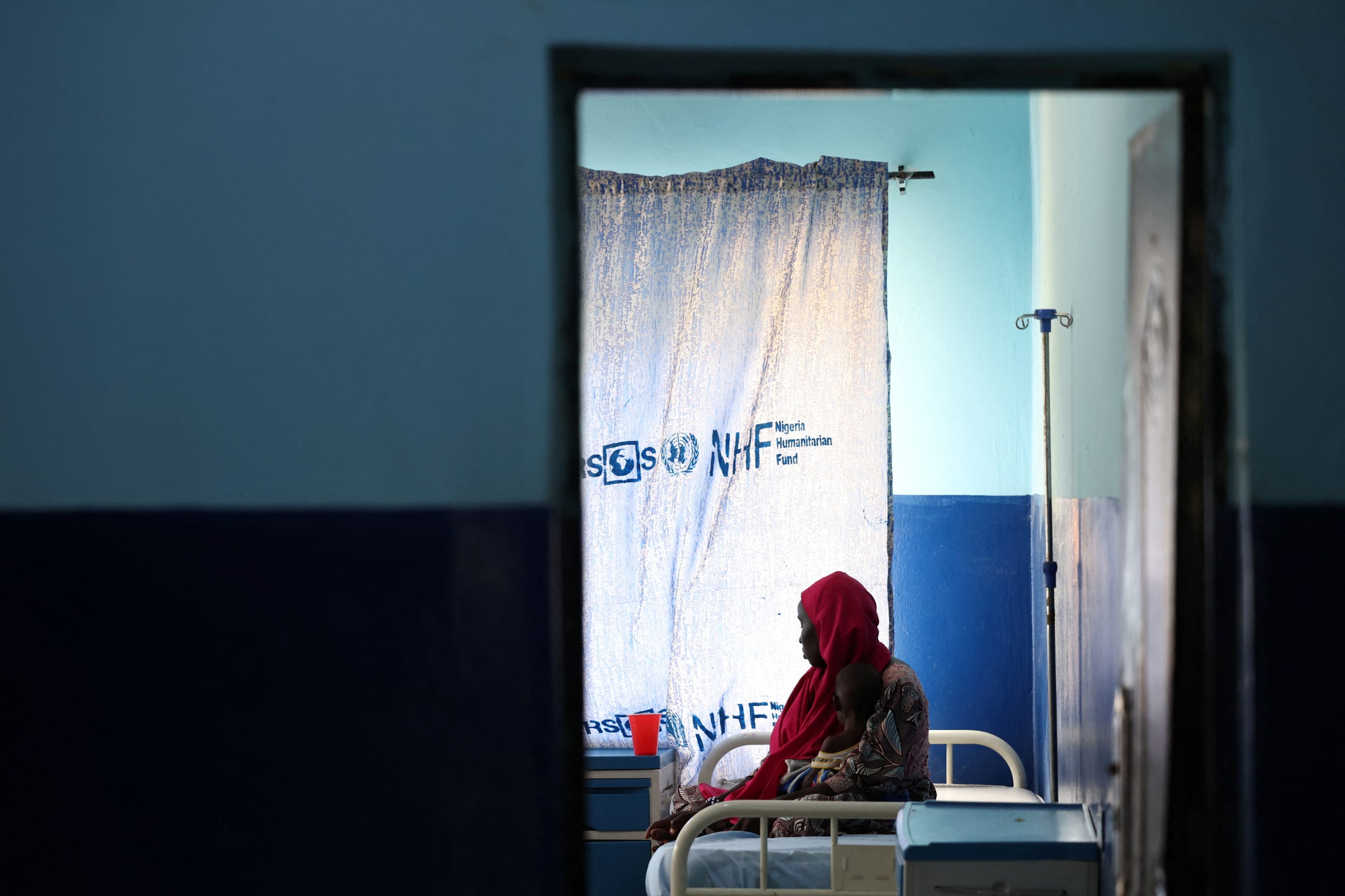
From an African perspective, the experience stripped away comforting assumptions. Systems built around external support revealed their vulnerability in ways long discussed but rarely confronted with urgency. African countries lived through the consequences of health architectures designed around choices made elsewhere and reversed without notice.
The second Trump presidency did not create this vulnerability. The administration formalized it.
Beginning in January 2025, President Donald Trump moved decisively to redefine the U.S. relationship with global health. Within its first week, the new administration initiated the yearlong withdrawal from the World Health Organization (WHO), a congressionally mandated notice period that concluded on January 22, 2026. Trump's officials imposed a sweeping pause on foreign assistance and dismantled the U.S. Agency for International Development (USAID) as an operational agency, absorbing its functions into the State Department. In July, the United States rejected the amended International Health Regulations, mere weeks after opting out of the Pandemic Agreement negotiated through the WHO.
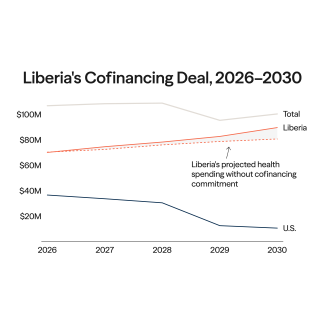
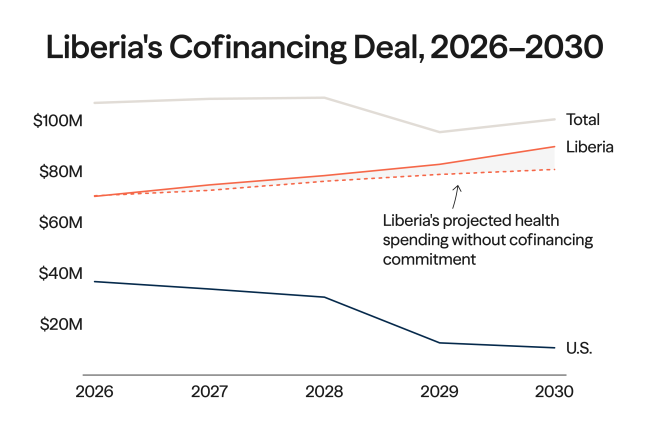
This shift is being operationalized through a growing set of bilateral deals via memoranda of understanding (MOUs)
By September, this posture was codified through the America First Global Health Strategy, which framed global health primarily as a tool for protecting Americans from external threats. Surveillance, outbreak notification, and supply-chain resilience were prioritized, while broader system strengthening receded. This shift is being operationalized through a growing set of bilateral deals via memoranda of understanding (MOUs). Many involve African countries and are focused on data sharing and threat detection tied to U.S. security interests.
Global health is no longer treated as a shared endeavor governed by multilateral norms but as a transactional instrument of foreign policy—selective, conditional, and explicitly aligned to national interest. This sentiment continued into 2026, as climate commitments under the Paris Agreement were again abandoned, with direct consequences for health in regions already facing heat stress, food insecurity, displacement, and shifting disease patterns.
For Africa, the implications are immediate and practical. These U.S. decisions weakened the shared governance architecture for outbreak preparedness and response. The WHO's authority has been diminished. Disease surveillance depends on trust. Notification depends on reciprocity. Access to countermeasures during emergencies depends on rules that constrain market power.
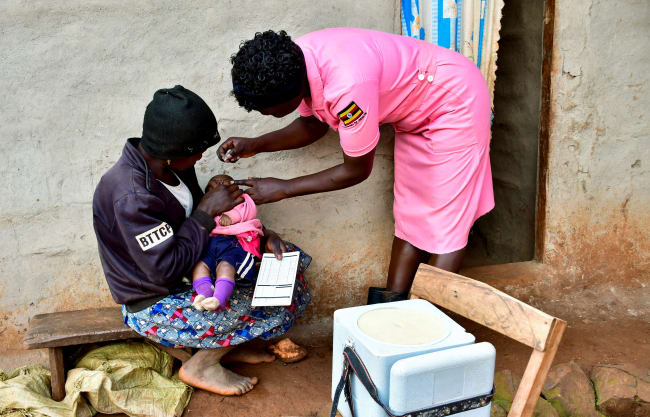
The consequences of these shifts are cumulative. Immunization programs dependent on predictable funding face planning disruptions after termination of U.S. support linked to Gavi, the Vaccine Alliance. Recovery required emergency reallocations that cost more than continuity would have. Sexual and reproductive health services fractured again following reinstatement of the Mexico City Policy, with integrated delivery models giving way to fragmented provision and weakened referral pathways. The President's Emergency Plan for AIDS Relief (PEPFAR) remains, but under persistent uncertainty that constrains longer-term system investments.
Trump's broader geopolitical posture reinforced these pressures. Prolonged conflict in Ukraine, transactional diplomacy, and shifting global priorities redirected political attention and financing toward security. Humanitarian access became more politicized. Climate disengagement compounded long-term health risks for African countries already under strain. By the end of 2025, a different global health order had come into view, marked by weakened multilateralism, hardened bilateralism, and normalized volatility.
The year also exposed uncomfortable truths across Africa. Many African governments entered 2025 without credible contingency plans for donor disruption. Domestic health financing commitments remained aspirational. Procurement inefficiencies persisted. Health workforce strategies relied heavily on donor-funded salaries without absorption pathways. These weaknesses are not new, but the events of 2025 made them impossible to ignore.
At the same time, the variation in leaders' responses across the continent was striking. Some governments moved quickly to protect essential services, reprogram budgets, and negotiate bilateral arrangements with greater discipline. Ghana's government removed the cap on the portion of the National Health Insurance Levy (NHIL) going to the health sector. Nigeria's Senate allocated an additional 300 billion naira to the health sector in the 2025 approved budget to bridge the gap. Ethiopia's parliament introduced a new tax on all private- and public-sector workers to pay for projects previously funded by USAID. The lesson was not that Africa lacked agency, but that agency requires preparation and political clarity.
One response to this exposure was taking shape before 2025. The Accra Reset, articulated by African leaders and institutions as a recalibration of the relationship with global health partners, recognized that the existing model had become overly fragmented, externally driven, and insufficiently accountable to country priorities. First announced in August 2025, and launched at the UN General assembly in September, the reset called for fewer parallel initiatives, stronger country leadership, and financing arrangements that support systems rather than bypass them. The events of 2025 did not invalidate that agenda. They made it unavoidable. What Accra framed as reform, Trump-era volatility turned into necessity. The question now is whether African governments will treat the Accra Reset as a negotiating position or allow it to remain a statement of intent overtaken by bilateral deals struck under pressure.
The U.S. withdrawal from the WHO increased the relevance of multilateral cooperation for Africa. The WHO remains the primary source of global health norms and coordination, even in its weakened state. Disengagement would leave African countries more exposed to power-based bargaining during crises. The pragmatic course is continued engagement, investment in International Health Regulations core capacities as a matter of self-protection, and stronger regional coordination aligned with global standards.
Bilateral MOUs under the America First Global Health Strategy carry both opportunity and risk. Some governments could secure long-overdue investment in surveillance, laboratories, workforce training, and supply resilience. Others could find themselves managing fragmented systems, asymmetric data arrangements, and parallel platforms that weaken national institutions. African governments should approach these agreements with discipline. National priorities must come first. Co-investment in national systems should be nonnegotiable. Data governance, reciprocity, and multiyear financing need to be explicit. Deals that shift cost without commensurate benefit should be resisted.
Looking ahead, volatility has created political permission for reform. African ministries of finance can no longer assume that external partners will fill recurrent gaps. Heads of state can no longer defer hard trade-offs while pointing to donor envelopes. Procurement reform, workforce absorption, and domestic resource mobilization must now be framed as continuity planning rather than ideology. Regional manufacturing and pooled procurement can move from aspiration to execution if anchored in realistic product choices and demand commitments.
For African heads of state, the lesson of 2025 is clear. Health can no longer be treated as a discretionary social sector buffered by external goodwill. It is a core function of statecraft. Governments that treat health as a strategic asset will reduce their exposure. Governments that treat health as a donor project will remain vulnerable. That is the central lesson of 2025, and the central task of 2026.
Global health's annus horribilis was a reckoning—forced through the fragility of an architecture built on assumptions of continuity and goodwill. That reckoning is uncomfortable, but it is also useful. The period should be remembered as the year that global health stopped pretending, finally confronted the world as it is, and began the work of redesigning itself accordingly.