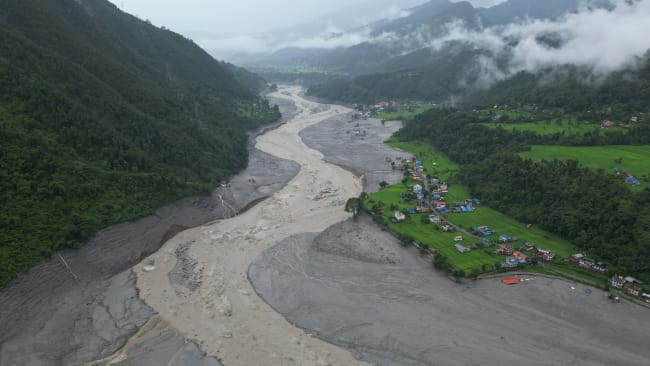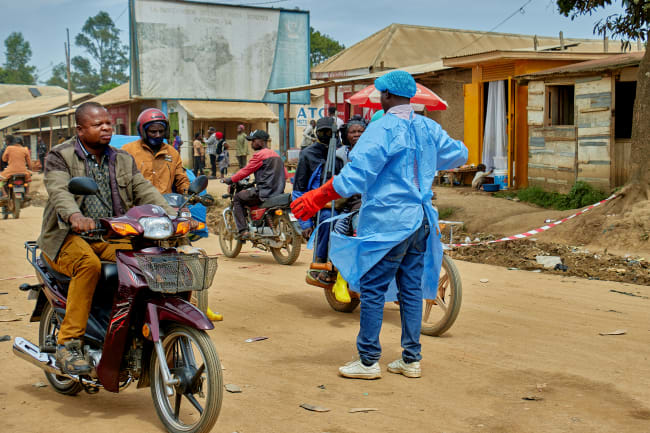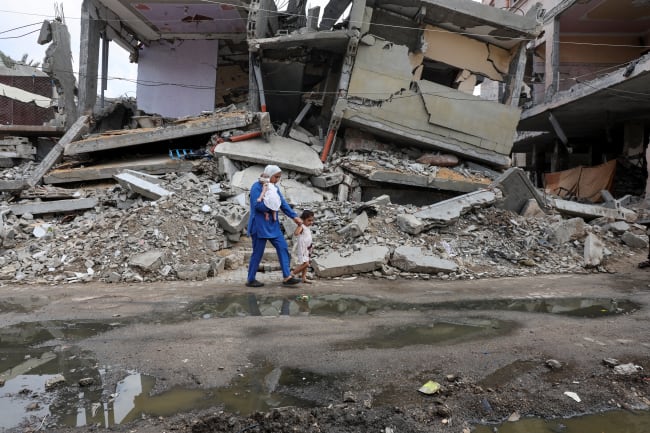
Climate change is damaging human health worldwide by intensifying environmental hazards, leading to a projected 250,000 additional deaths annually between 2030 and 2050 from malnutrition, malaria, diarrhea, and heat stress. East Africa is particularly at risk of extreme heat and flooding, especially as a record El Niño year starting in October threatens to intensify weather events and outbreaks.
In a bid to secure financing for climate projects and improve community health, Kenya is developing one of Africa's most robust carbon markets, which places a price on greenhouse gas emissions by turning pollution into a cost, incentivizing emission reductions and low-carbon investments. In such a market, one credit represents one ton of carbon dioxide (CO₂) either prevented from entering the atmosphere or removed.
In recent years, Kenya has worked to strengthen regulation around its carbon market, to address concerns around weak oversight and attract foreign investment. Mikoko Pamoja, Kenya's pioneering blue carbon project—one that captures carbon dioxide in marine environments—proves that when properly designed, carbon-trading initiatives can have significant public health and socioeconomic benefits.
Many local challenges—spanning health, sanitation, and food—have been addressed through the project
According to projects coordinator Kassim Juma, "The Mikoko Pamoja project, or Swahili for Mangroves Together, started in 2013 in Gazi Bay, Southern Kenya, as the world's first community-based project to restore and protect mangroves through the sale of carbon credit towards the direct benefit of the community."
This blue carbon project supports 1,350 families across two villages, Gazi and Makongeni. It conserves 117 hectares of Gazi Mangrove Forest, sequestering 3,000 metric tons of carbon annually. One ton is sold for $25.30 at the voluntary carbon market where companies, individuals, and governments buy and sell credits. Mikoko Pamoja considers blue forests, those composed of coastal mangroves, to be "blue gold," as they store up to 10 times more carbon per acre than forest on land. About one-third of carbon sales go to community development, and another third to restoration. The remainder is spent on community wages, administration, and office expenses.
The funds are received in February each year, and shortly after, the Mikoko Pamoja project convenes a village meeting to collectively agree on the community development project in line with the residents' most pressing problems. Many local challenges—spanning health, sanitation, and food—have been addressed through the project.
Community Development Through Carbon Markets
Juma, 32 years old, was born in Gazi village amid "multiple, competing problems. As many as 6,000 residents in Gazi Bay area relied on one village borehole. Women and children queued until nightfall for a jerrican of water. Garbage was discarded in open spaces and waste swept into the Indian Ocean. Fish, our livelihood, was choking on plastic."
When the project started, he said, more than half the households were not using proper toilets, exposing residents to diarrheal diseases such as cholera and typhoid. Despite snakes being rampant in the area, many residents had no alternative but to relieve themselves in the bushes, day and night.
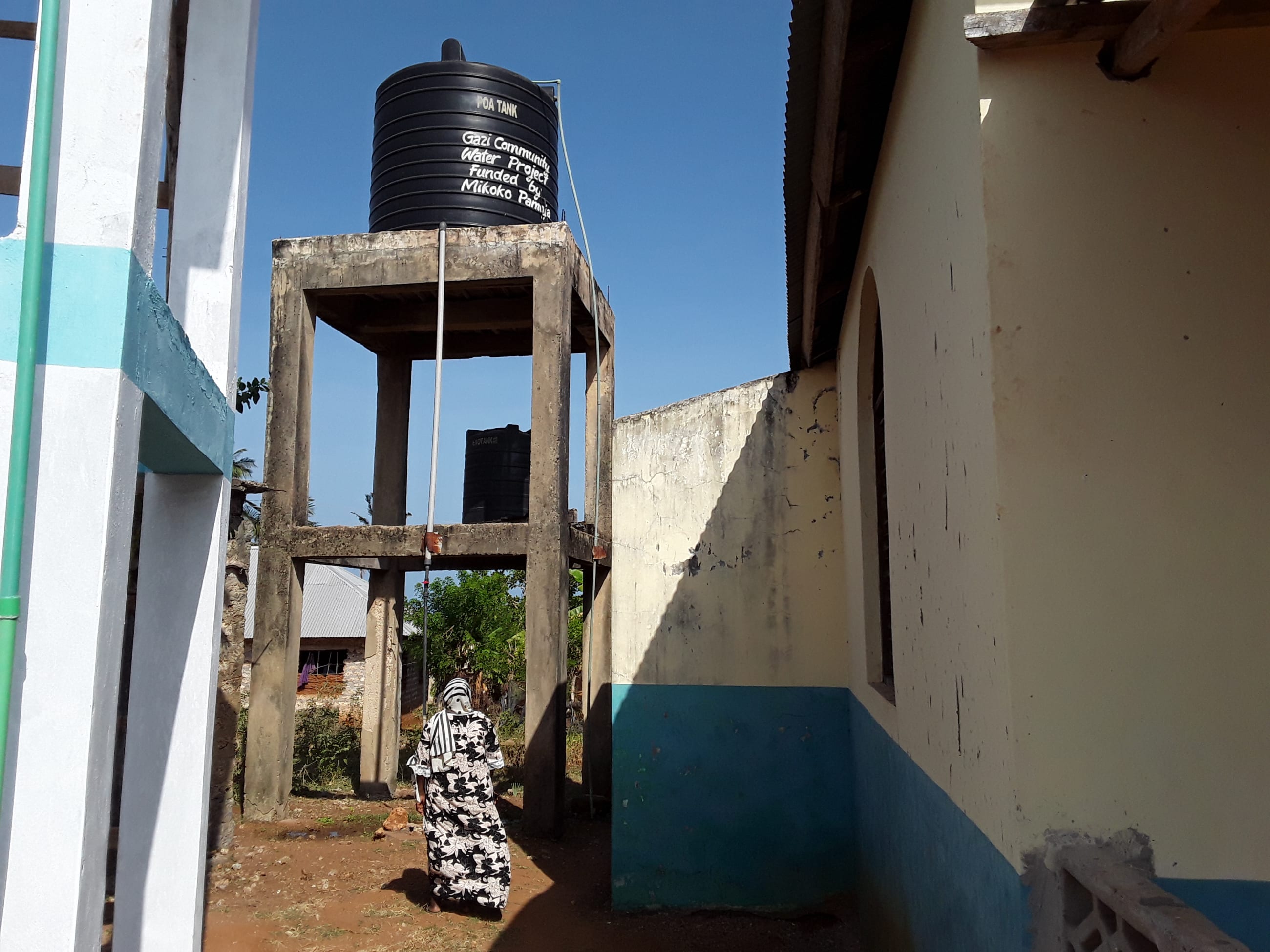
In response, the project built four public toilets strategically placed in the villages. In 2013, the project brought tap water for the first time into Gazi village. Today, residents have unlimited access to clean water. The villages, including open public spaces, are clean and free of litter. The project has also donated less-polluting, energy-saving cooking stoves in Gazi Bay.
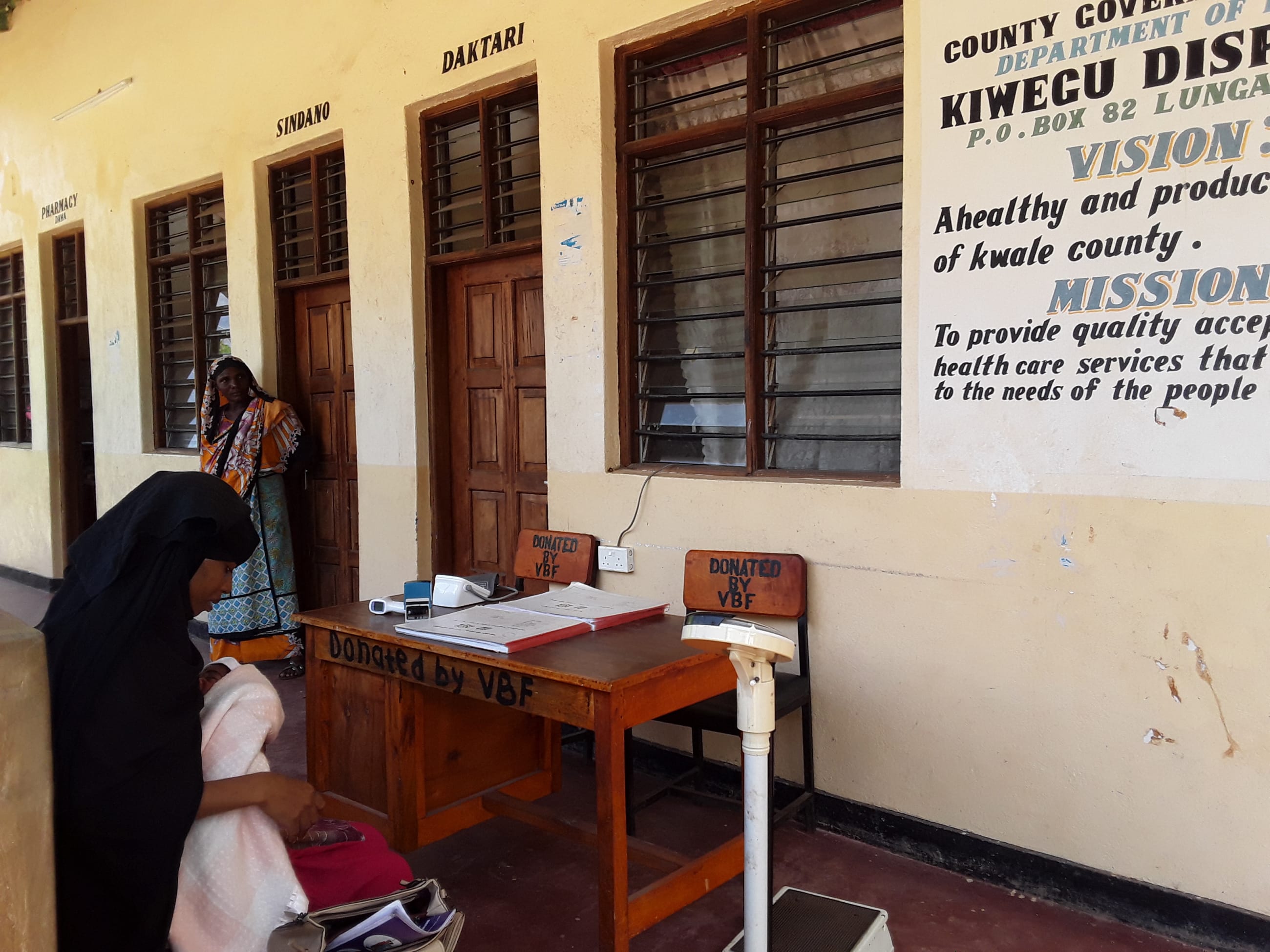
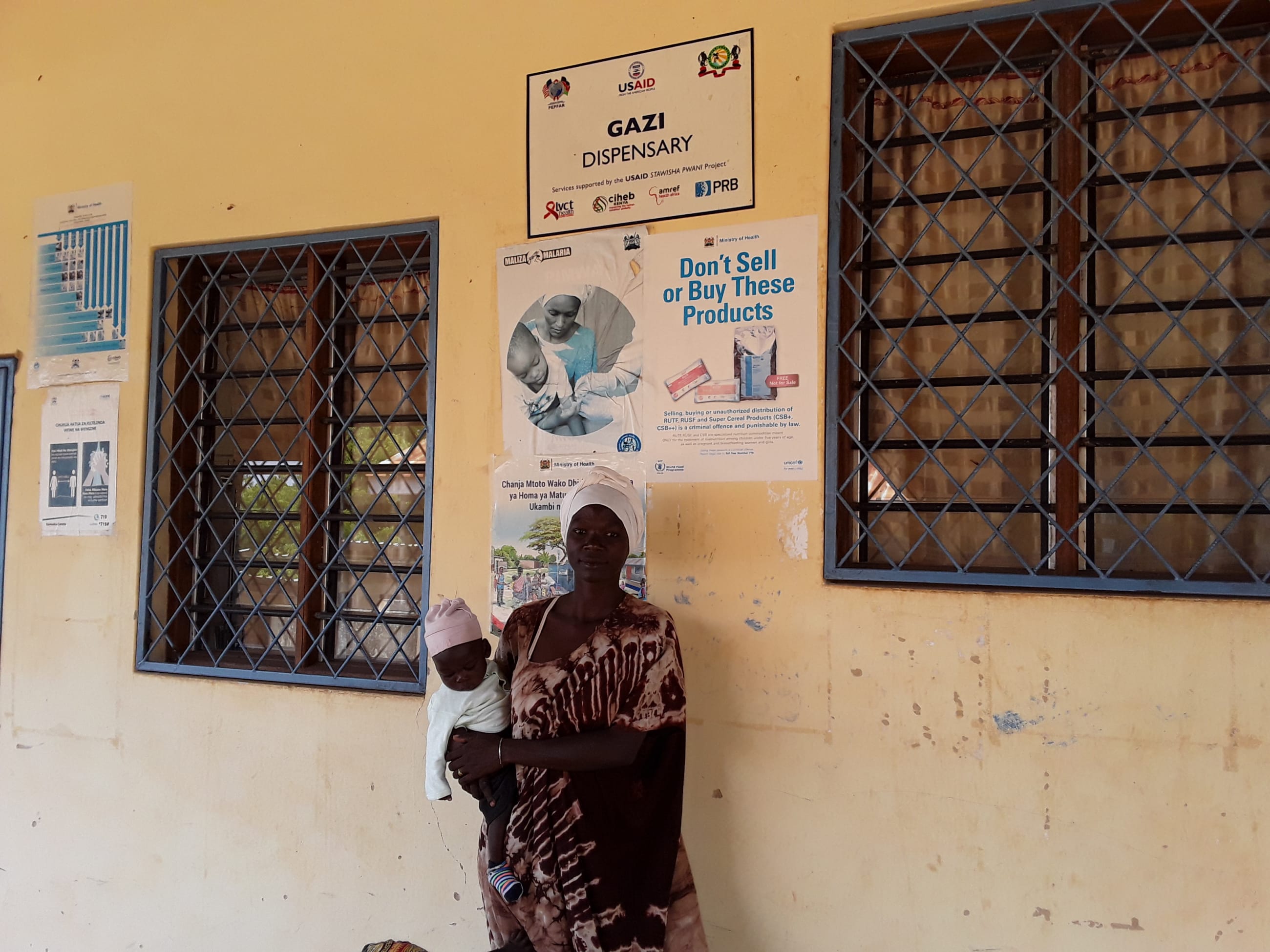
Zuwena Khalfan Hemed, a resident of Gazi and a youth advisory champion for health, says that in 2012, the village came together to petition the government to open a village dispensary. The government built the structure and provided one medical doctor.
The Mikoko Pamoja project provided medical supplies and furniture during the first year of Gazi dispensary's operations in 2013 and continues to partner with the dispensary in line with the needs of the community. The support is much needed, as Kenya only allocates approximately 3.2% of its budget to health, far short of the African Union's Abuja declaration's [PDF] recommendation of 15%.
Village dispensaries are critical. Saumu Bakari, from the neighboring Zero Zero village, receives maternal and child health services at Gazi dispensary. She says that without the dispensary, women would deliver at home or travel on boda boda, or motorcycle taxi, the only means of transport within villages in Gazi Bay, to a public health facility several kilometers away.
The Mikoko Pamoja project supported more than 158 households in five villages during the COVID-19 pandemic with food donations and protective gear amid a crumbling fish market. Hemed says the onset of the pandemic promoted a social scourge: sex for fish.
"Men fish and sell the produce to the women fishmongers. Money was not circulating during the pandemic and the women were desperate and vulnerable, until the project came to their aid," she says.
The Push to Regulate
Despite the positive outcomes from Mikoko Pamoja, human rights activists, organizations, and nonprofit watchdogs such as the Carbon Market Watch have expressed concerns that carbon markets overall can promote land-grabbing and other human rights violations.
Although these violations have not taken place at Mikoko Pamoja, they have been reported largely in connection to green carbon projects, which involve land where Indigenous peoples and rural farmers live and derive their livelihoods. Weak ownership laws are common in regions targeted for green carbon projects, allowing governments or foreign investors to easily claim customary lands.
In Kenya, Indigenous and pastoralist communities including the Samburu, Maasai, and Ogiek have experienced violent evictions, dispossession and loss of access to their ancestral lands, and severe restrictions on traditional grazing fields to pave way for carbon projects. The Kenya Human Rights Commission and Centre for Research on Multinational Corporations also published an investigation in November 2023 exposing systemic sexual abuse and exploitation of women by senior male staff at the Kasigau Corridor REDD+ carbon offset project in Kenya.
Critics such as Power Shift Africa, a climate and energy think tank, also call carbon markets a pay-to-pollute scheme, since a polluting company or nation pays for a project, such as planting trees, that supposedly reduces carbon elsewhere. Instead of cutting fossil fuel use in their countries, the polluter keeps emitting and uses the purchased credit in another country to claim a "net-zero" balance.
Aluga J. Owino, an official at the Ministry of Environment, Climate Change and Forestry, says carbon markets' popularity declined after peaking in 2021 because of intense scrutiny, despite steady demand.
"The market has put in place strict measures to weed out projects that overestimated their emission reduction. Only high-quality carbon units that are verified by independent auditors using recognized global standards are attracting investors or buyers," Owino said.
Now, Kenya's judicial system is expanding to comprehensively address emerging frontiers in environmental law and is actively intervening to protect local communities. In 2025, a landmark Environment and Land Court ruling halted parts of a major Northern Kenya rangeland carbon project following determination that local conservancies were established without proper public participation in line with the Kenyan constitution. Subsequently, international certifiers suspended credits for review under this project.
Toward the end of 2023, Kenya amended its Climate Change Act 2016 to provide a direct legal foundation overseeing carbon trading. This was followed by the Climate Change (Carbon Markets) Regulations, 2024, which developed procedures for carbon projects' approval, monitoring, and reporting. Launched in February 2026, the Kenya National Carbon Registry tracks emission reductions, prevents double-counting, and provides transparency for international investors.
Kenya's legal framework is such that mandatory benefit-sharing thresholds require land-based projects to allocate at least 40% of net earnings to local communities and 25% to technology-based projects, aiming to resolve historical equity issues. In August 2026, Kenya further strengthened its carbon market rules by introducing a strict operational rule book.
Experts like Owino and Juma emphasize that the carbon market today is on an upward trajectory and experiencing a structural transition. The change is marked by a slowdown in low-quality credits alongside rising demand and prices for high-integrity removals such as Mikoko Pamoja. A 2026 report from the World Bank Group confirms that carbon markets are expanding in size and use, and that overall carbon credit issuances rose 8% globally from 2024 to 2025.
Global standards are also working to tackle greenwashing, which occurs when companies use carbon credits to falsely project an eco-friendly image but do not actually reduce their own greenhouse gas emissions. Greenwashing projects involve purchasing low-quality, unverified carbon units without taking substantive climate action.
Although greenwashing is not fully eliminated in Kenya or Africa at large, it faces growing pressure from new regulations, watchdog rulings, and vigilant public scrutiny. Deceptive environmental claims are becoming harder to maintain. To deter greenwashing, a growing number of African governments, including Kenya's, treat misleading eco-claims as illegal practices. In Kenya today, company directors and chief executive officers face prosecution for faking environmental records or misrepresenting sustainability targets. Unauthorized carbon trading or providing false data attracts large fines or up to 10 years in prison.
The Future of Kenya's Carbon Market
Owino says the new regulatory developments are timely, as buyers have shown a strong preference for community-led projects with visible, tangible, direct socioeconomic benefits to the community. A well-regulated project such as Mikoko Pamoja is a "triple win," where a single coastal conservation or restoration project simultaneously delivers climate change mitigation, biodiversity conservation, and tangible improvement of local livelihoods.
Juma says the Mikoko Pamoja project has been out of stock for the past five years, meaning they sold all their carbon credits, "as the demand is much higher than supply. Our stock is carbon. We capture 3,000 tons per year and need 15,000 tons to meet the current demand."
This progress came despite the project rejecting buyers who release more than 30% of the global greenhouse gas emissions, to weed out high polluters not taking tangible steps to reduce their carbon footprint. The project also reserves 25% of the total stock in an emergency fund so that if the villages face emergencies such as wildfires, they can quickly sell it for rapid response.
Owino says prices are expected to rise in the next few years, "certainly before 2030 to settle on a range of $50 to $100 per one ton of carbon." To meet the demand, Kenya has built several other projects on the success of Mikoko Pamoja.
The Vanga Blue Forest (VBF) project conserves 460 hectares of mangrove forest. Launched in 2019 on the southeast coast of Kenya, it supports the livelihoods of nearly 9,000 people through the sale of 5,347 to 8,700 tons of carbon dioxide annually at $25.30 per ton.
Vanga Blue Forest is also at capacity for carbon stock. The project has improved access to health, sanitation, and clean water across three adjacent villages in Vanga, Jimbo, and Kiwegu. The Vanga and Gazi carbon offset projects established a community fund for a rapid COVID-19 response spanning five villages.
As an expansion of Mikoko Pamoja and Vanga blue carbon projects, the Lamu Blue Carbon Project was launched in 2023 and is expected to begin trading within the year. Meanwhile, plans are underway to launch Kenya's dedicated national carbon-credit trading exchange by the end of March 2027 to centralize local environmental finance and emissions trading. This will continue to improve pricing transparency by creating a centralized marketplace rather than fragmented bilateral trading deals.