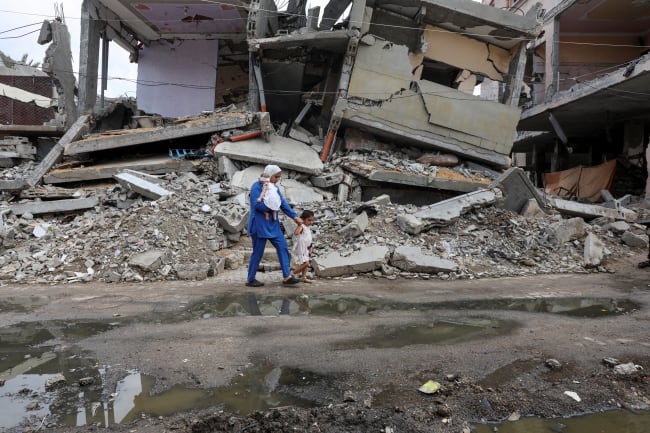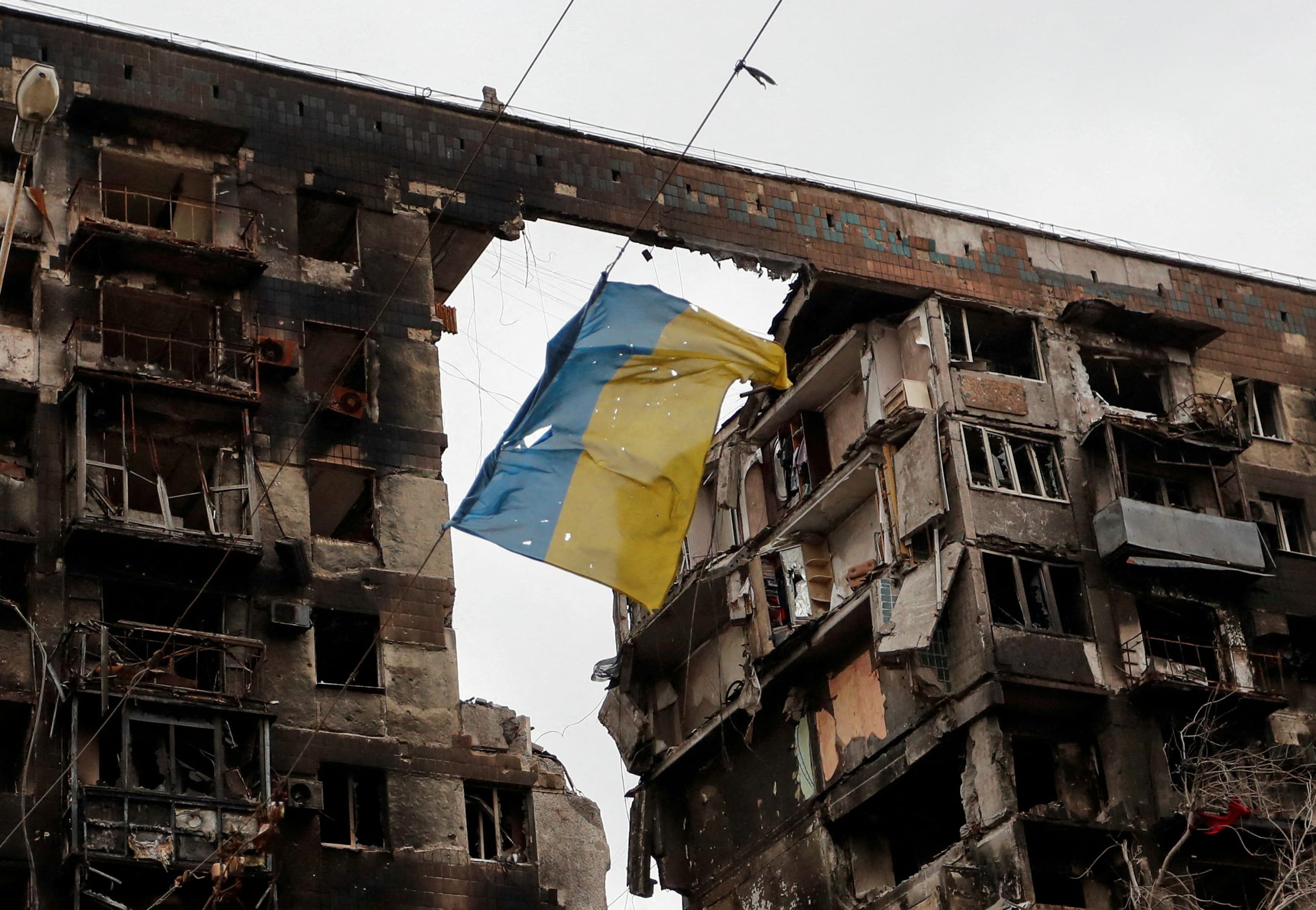
On the evening of July 19, 2026, a Russian missile struck a warehouse outside Kyiv, Ukraine. Inside sat 62 million syringes, needles, and condoms: $2.6 million worth of HIV prevention supplies for the 300,000 Ukrainians at highest risk of infection. Although all the supplies burned, Ukraine's harm reduction programs continued.
Weeks earlier, as a matter of routine contingency planning, the Alliance for Public Health (APH), Ukraine's largest HIV prevention organization, pushed this year's commodities out to regional depots, on the assumption that a central warehouse is the sort of target that eventually gets hit. What the missile destroyed was Ukraine's 2027 stock. As of October, no donor has stepped forward to replenish the lost supplies, and APH says that failure to fill in the shortfall could mean as many as 16,000 additional infections in 2027. Plenty of challenges remain in Ukraine's fight against HIV. But in the near term, "Russia failed," said the organization's executive director, Andriy Klepikov.
Although all the supplies burned, Ukraine's harm reduction programs continued
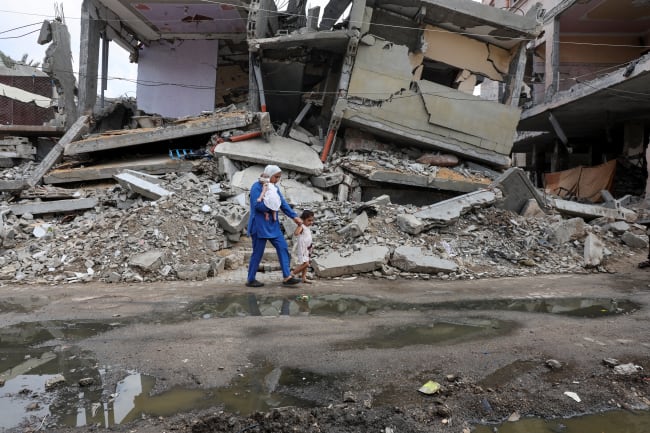
Ukraine's HIV response has weathered four and a half years of war, largely on the strength of decisions that its health ministry and civil society organizations made before the war began in 2022. Since then, roughly 1 in 10 health facilities have been damaged or destroyed, 15 million people have been displaced, and 60% of the national budget has been swallowed by defense, but Ukraine hasn't lost control of one of the region's worst HIV epidemics. Officially registered new infections fell from 15,360 in 2021 [PDF] to just over 8,000 in 2025 [PDF]—a decline that partly reflects lost territory, emigration, and thinner testing in the southeast—while testing volumes nationally climbed by more than 40% during that period. Coverage of key populations has also remained relatively stable from 2022 to 2026. The number of people receiving pre-exposure prophylaxis (PrEP) services at least once annually has more than doubled. The country is rolling out long-acting injectable prevention drugs [PDF] that many of its wealthier neighbors, including Hungary, Poland, Romania, and Slovakia, do not yet offer.
Liudmyla Legkostup of Ukraine's Public Health Center stressed at the International AIDS Conference in Rio de Janeiro in July that resilience is not created during crises. Instead, it's built beforehand, through institutionalization, national ownership, community partnerships, and integrated information systems. The war has tested capacity that Ukraine's government—and especially its civil society—built much earlier.
The state took on these programs in the late 2010s, under acting health minister Ulana Suprun, whose reforms built the eHealth system and a national purchaser, and under pressure from civil society leaders like APH's Klepikov and 100% Life's Dmytro Sherembey, who long argued for donor-funded services to move into the state budget. The 2014 seizure of Crimea, where Russia shut down methadone treatment within months with lethal results, had also shown Ukraine's HIV service providers that rules written for stable conditions might not survive instability.
Preparing Ukraine's HIV Service Delivery System
Preparation has served Ukraine well during wartime. Take-home dosing for opioid agonist therapy was effectively barred by regulation until 2016, when a collaborative learning program called NIATx pushed Ukraine's Public Health Center to change course. The new rules permitted up to 10 days of medication at a time for stabilized patients and allowed prescribing outside specialist clinics. When Russia invaded, Ukraine needed only to extend that limit to 30 days.
COVID-19 also rehearsed the flexibilities that mass displacement would demand two years later, including longer prescriptions, remote consultation, and rapid transfers between sites. Counseling and treatment navigation, delivered by community organizations, were folded into national standards and national financing in 2019. Ukraine entered the war an unusually digitized state, its eHealth system already running. None of this was built specifically in anticipation of an invasion, but all of it sustained the response once war arrived.
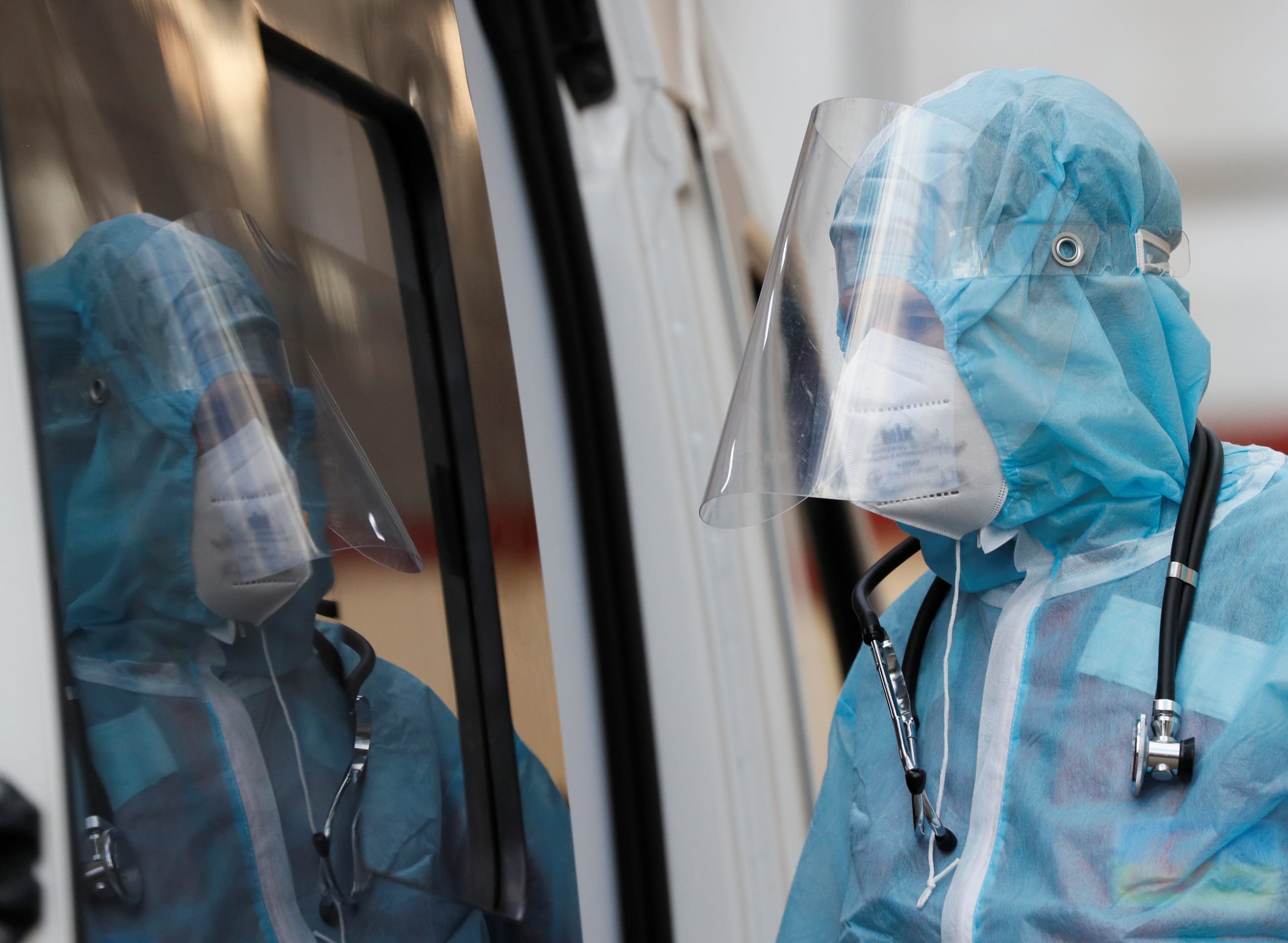
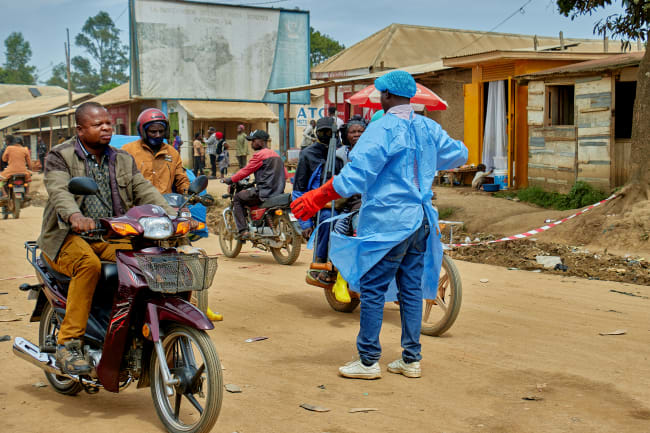
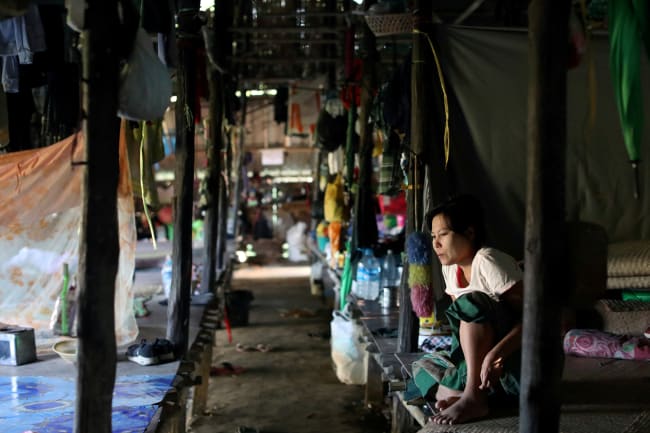
As the war scattered populations and remade drug markets, APH stopped treating mobile outreach as an emergency stopgap and started treating it as a primary delivery model. Its mobile teams now reach nearly 150,000 people a year across more than 500 settlements in frontline regions. Ukraine's strategy works because it addresses more than just HIV: in places with wrecked infrastructure, no pharmacy, and no reliable transport, people come with additional conditions including untreated hypertension, a persistent cough, or a pregnancy. The teams arrive offering primary care, tuberculosis diagnostics, dental work, and screening for gender-based violence alongside HIV testing. As a result, 1 in 5 HIV tests are now initiated during an ordinary medical consultation, and two-thirds of people tested have never been tested before. "When health care moves closer to people," Anna Korobchuk, who runs the mobile teams, told the Rio meeting, "the barriers disappear." Ukrainian harm reduction programs had been putting nurses in vans for mobile outreach since 2011, and the 2016 change of rules governing opioid treatment had already untethered the programs from specialist clinics.
Although the low-tech work of mobile integrated care has done much of the heavy lifting, digital innovations have mattered, too. APH has trained machine learning models on screening data from 140,000 people to predict who most needs a test, and last year it launched TWIIN, an artificial intelligence (AI) assistant answering questions about sex, drugs, and mental health through avatars modeled on real outreach workers. By mid-2026, more than 73,000 people had used it, 9 in 10 from a mobile phone. Not all of the digital work is patient-facing. Ukraine has kept two national information systems running and synchronized, one where community organizations log counseling and case management, another one holding clinical records, so that a patient who relocates arrives at an unfamiliar clinic not as a stranger but as someone with a known treatment history.
Remaining Challenges
Of course, the picture is not uniformly positive. Since January 2022 the number of people on antiretroviral therapy has fallen by 11%, and the number with HIV registered for care, by 13%. A quarter of the country's fixed treatment sites have vanished. More than 4 in 10 new diagnoses now come in late, with CD4 white blood cell counts below 200, which means that people are surfacing years instead of months after infection. Some key populations remain out of reach. Six-month persistence on PrEP sits at just 37%, worse among younger clients and men who have sex with men, and worse still near the front. The occupied territories are a measurement void where the trend is almost certainly grimmer. And the funding landscape is highly uncertain.
Before 2022, Ukraine financed its HIV prevention and care programs out of its own budget, the textbook donor transition that global health institutions have spent years urging on recipient countries. From 2022 onward, however, much became dependent on donors, and the President's Emergency Plan for AIDS Relief (PEPFAR) absorbed procurement of essentially all antiretrovirals. When Washington froze foreign assistance in early 2025, the Joint UN Programme on HIV and AIDS (UNAIDS) estimated that a full withdrawal would disrupt care for some 93,000 Ukrainians, nearly four-fifths of everyone on treatment.
Even under conditions of increasing resource scarcity, Ukraine has become a net exporter of knowledge and experience. APH has provided technical assistance in more than 60 countries. It supports long-acting buprenorphine studies in Kyrgyzstan and Egypt, run with Frontline AIDS, at one point bringing a Ukrainian patient to Kyrgyzstan to reassure local clients and clinicians that the injection wasn't an experiment being run on them. The data platform that APH adapted for community HIV services has been taken up in Georgia, Kyrgyzstan, and Tajikistan. Ukraine's Public Health Center presented its national care and support model at Rio explicitly as a transferable one, built for other countries facing crisis and unreliable funding.
In December 2025, the International AIDS Society chose Klepikov as its president-elect, the first Ukrainian and the first person from the wider region ever chosen for the post. He will take the chair in 2028 with a platform summarizing Ukraine's last four years: long-acting prevention in the places that need it most; donors held to the promises they've made; and civil society treated, in his words, as "a critical system stabilizer in times of crisis" instead of a contractor. "We cannot just replace condoms with sympathy," he said in August, appealing for the 2027 stock Russia had just burned. The global HIV response, facing its own uncertain decade, has picked a leader who knows what it looks like to be prepared.