On September 28, 2026, an estimated 50 people were killed at a busy market in the western part of Myanmar during an attack by the country's military regime. This attack marks some of the latest violence in a civil war that began in 2021 following a coup by the junta, which overthrew democratically elected leaders.
The war has destroyed the health-care system, allowing dangerous diseases to spread, including ones that had all but been eliminated in the country, such as cholera. The international community has neglected the country repeatedly, cutting millions of dollars in aid.
Early in the war, it appeared that a coalition of antijunta forces was going to win. The military government had control of less than 20% of Myanmar's territory, and rebel fighters had moved close to the junta's most important strongholds. The army was suffering massive defections and getting overrun in many places.
The international community has neglected the country repeatedly, cutting millions of dollars in aid
That victory never came. With massive assistance from Belarus, China, Iran, Russia, and other autocratic regimes, the brutal Myanmar military pushed back the antiregime forces. The junta is likely to ultimately win the conflict or at least take back much of Myanmar.
As they have recaptured towns and villages in 2026, the armed forces have committed horrendous crimes. In January 2026, a group of rights organizations including Amnesty International, Fortify Rights, and Human Rights Watch released an assessment of the junta's war crimes. They were unsparing, noting: "In expanded military operations, the junta . . . ramped up its use of airstrikes, including deliberate and indiscriminate attacks on civilians and civilian infrastructure in violation of international humanitarian law. Airstrikes have hit schools, hospitals, religious sites, and camps for displaced people, killing thousands over the past year." In July and August, the military conducted so many airstrikes on civilians in Rakhine and Chin States that they averaged four civilian casualties by air per day.
Myanmar's Battered Health System
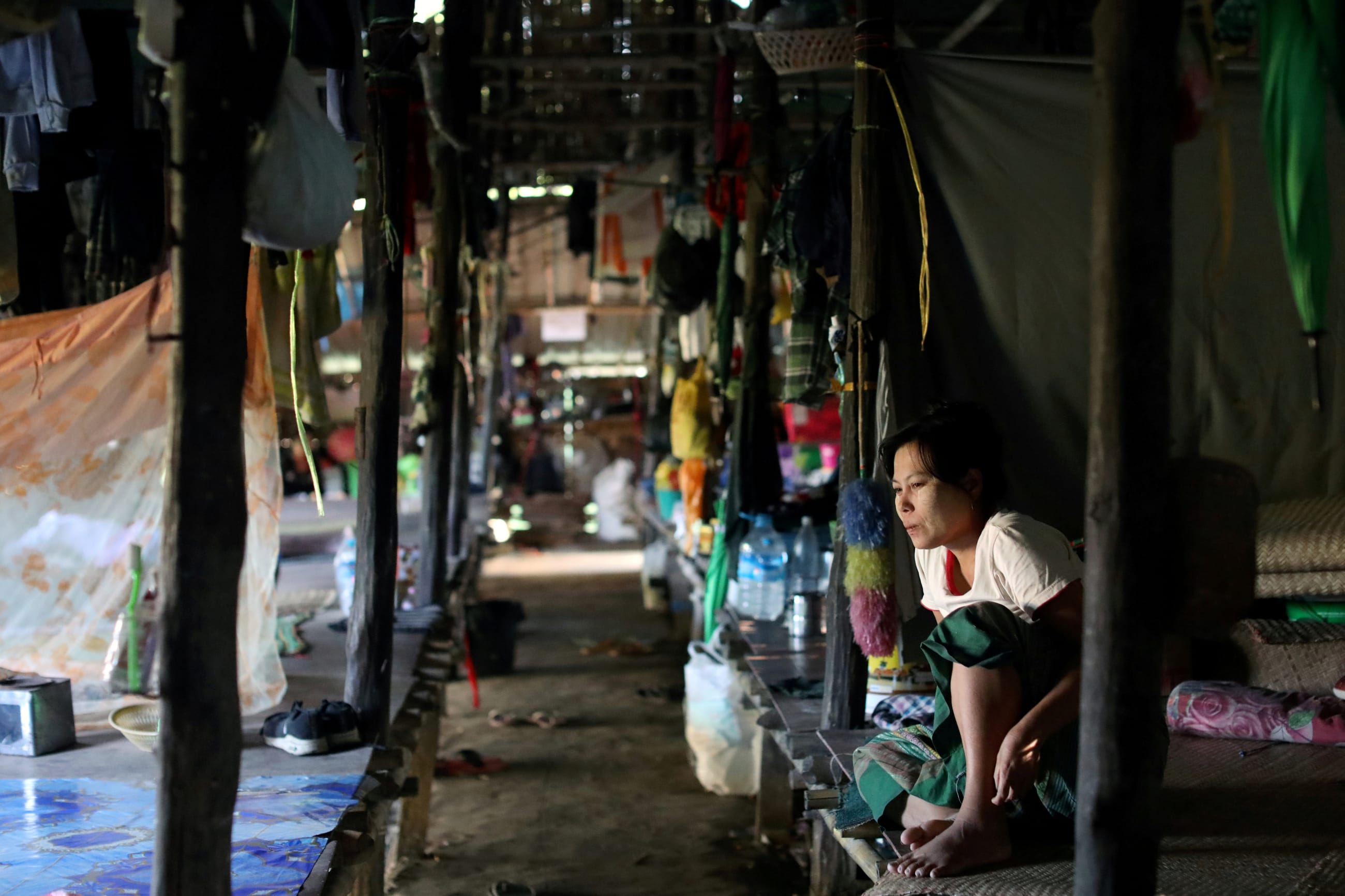
The war has driven health-care providers, along with many other people, out of the country or displaced them internally. Before the coup, Myanmar had about 18 doctors and other health providers per 10,000 people; now it has only about 3 per 10,000 [PDF]. A much larger number of and more dangerous versions of infectious diseases are crossing the porous borders with Bangladesh, India, and Thailand, threatening the broader region. Myanmar suffered a cholera outbreak in 2024 and 2025, and a new outbreak has emerged since August 2026. The World Health Organization has reported that the earlier cholera outbreak may have crossed into India as well.
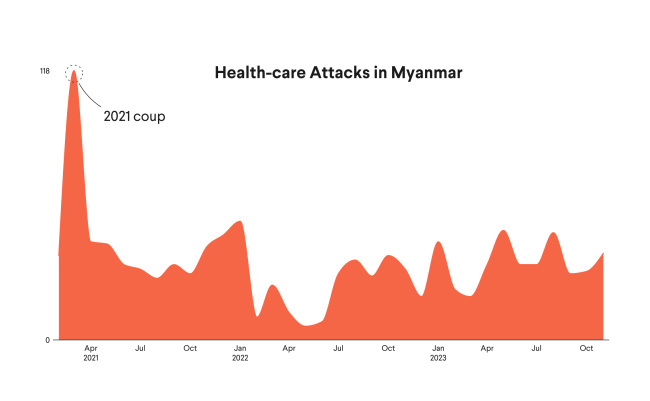
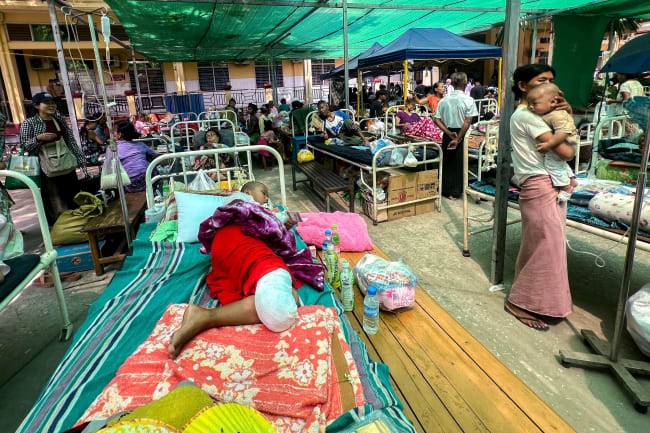
Myanmar's health system, which had been buttressed in the more democratic 2010s by extensive aid from foreign governments and organizations, did not collapse in one moment, although a massive March 2025 earthquake sharply accelerated its deterioration. The quake killed nearly 5,000 people and affected more than 600 health-care facilities. Nearly a year later, around 300,000 people still lack access to health care because of the quake, as well as pullbacks from foreign funders, the military's blocking of some aid shipments, and the armed forces' regular attacks on health-care providers and drone strikes on hospitals and clinics.
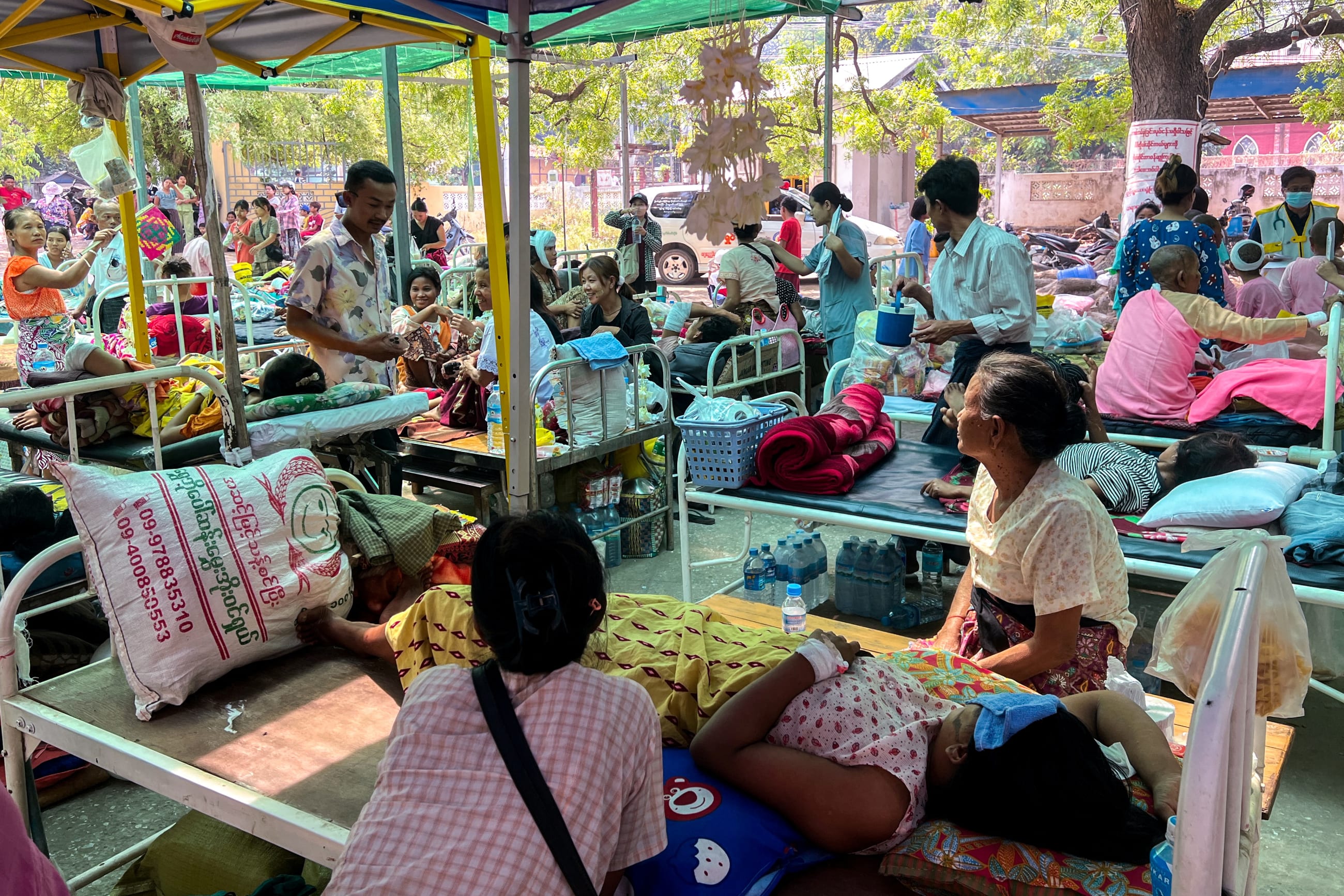
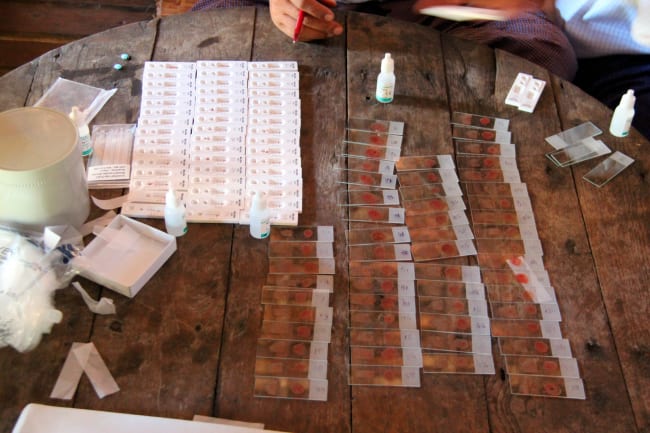
Malaria has become more widespread as well. The number of malaria cases has at least tripled since the beginning of the war, and now as much as 70% of the population is at risk of getting the disease, far higher than in the 2010s. It does not help that the military ordered in August 2025 that all nongovernmental organizations stop providing malaria treatments as well as tuberculosis (TB) drugs and antiretrovirals for HIV/AIDS.
Worse, the country's collapsed public-health system is allowing for the transmission of malaria parasites that are already resistant to drugs, an incredibly dangerous prospect. In fact, drug-resistant malaria parasites are becoming the dominant genotype in parts of the country, and malaria—including the drug-resistant type—is crossing into India and Thailand, while regular malaria is now crossing into Bangladesh. Thailand had only 2,000 cases of malaria in 2021 and reported no cases that year in several Thai provinces. By 2023, Thailand had 16,675 malaria cases, and more than 40% were imported, primarily from Myanmar.
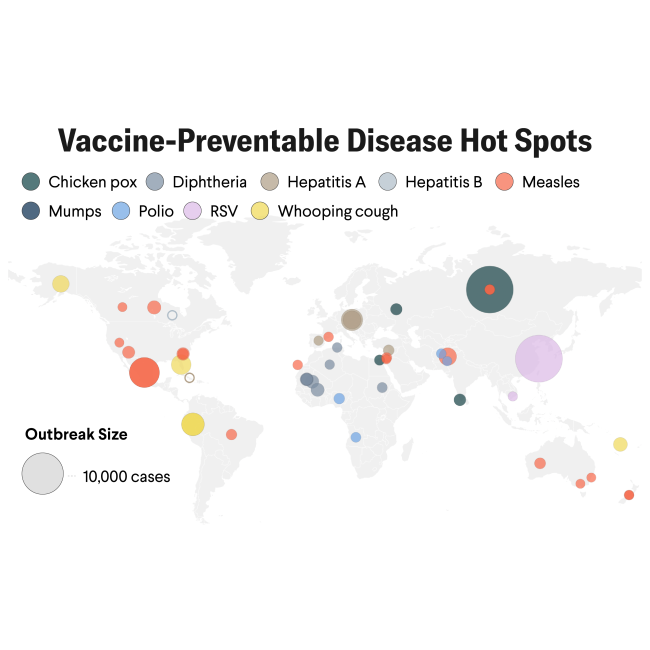
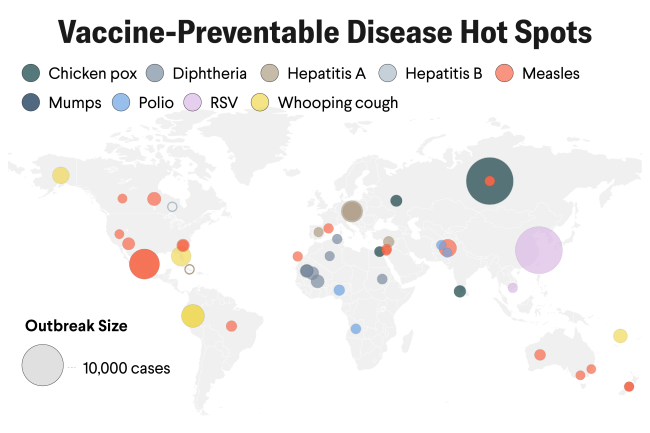
Because of the lack of health-care workers, the destruction of health facilities, the number of displaced people, and the constant chaos of war, immunization levels also are falling through the floor. By some estimates, 1.5 million Myanmar boys and girls younger than 5 have missed basic immunizations in recent years. Unsurprisingly, last year Myanmar recorded a vaccine-derived polio case, diphtheria and dengue fever cases are rising, and the challenge of getting anything into the country has continued to make vaccines and other critical, lifesaving medicines almost impossible to obtain in many places.
Meanwhile, before the civil war, Myanmar had enjoyed enormous success in reducing TB [PDF]. But TB has exploded during the war, rising by nearly 50%, and the figure is likely higher because there are probably many undiagnosed TB cases, and most remaining health-care providers do not have diagnostic equipment for finding TB. Now, Myanmar has the highest TB rate in Southeast Asia, along with impoverished Timor-Leste. That works out to about 260,000 TB cases per year now in Myanmar.
The grinding poverty from the war also has added to the difficulty of getting even basic drugs. As much as half the population now live in poverty, and a third live in hunger. Given this situation, average citizens are having to decide every day whether to pay for basic food staples for their children or for medicines.
Aid in Retreat
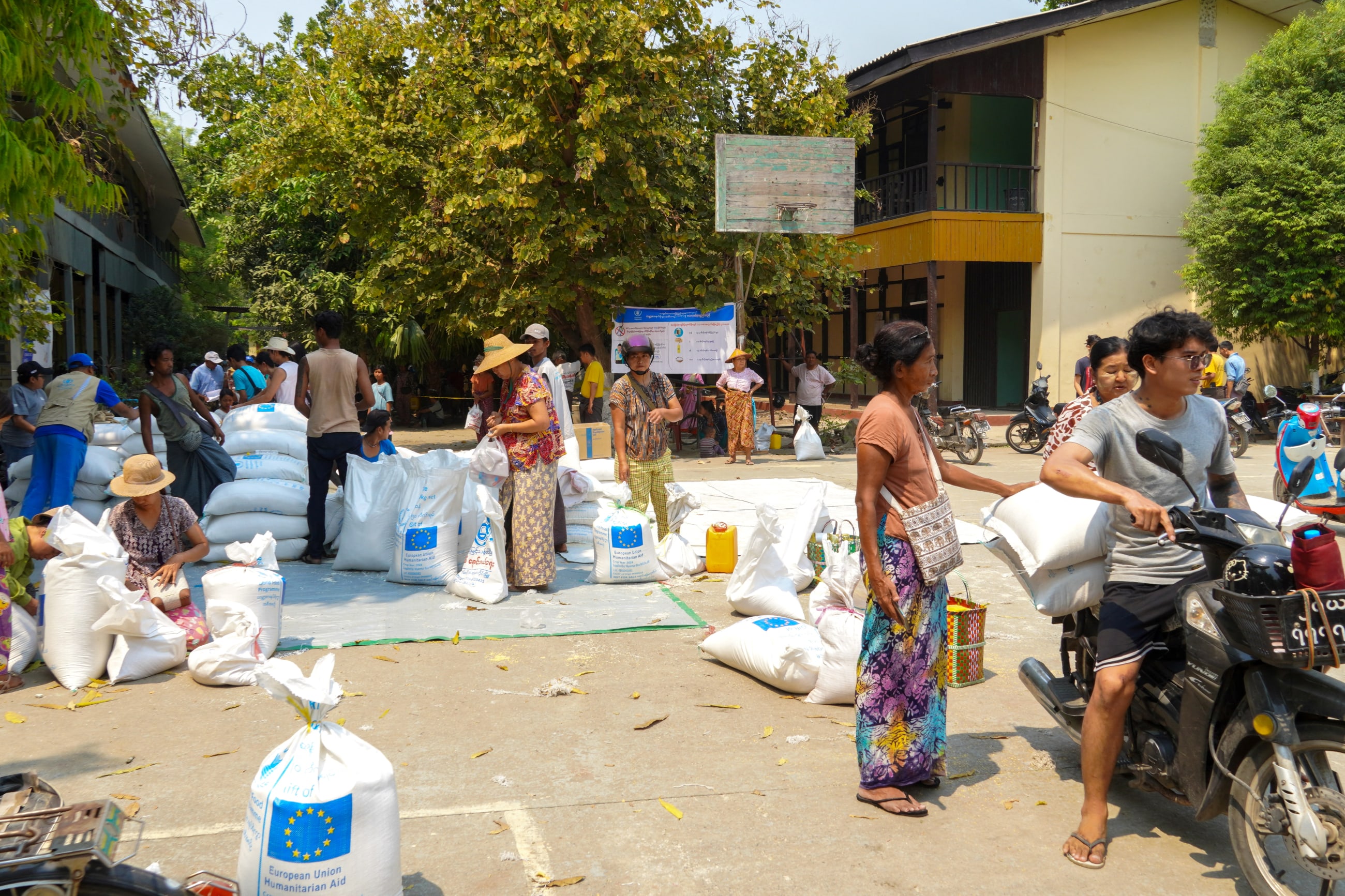
The international community, unfortunately, has let this forlorn country down—badly. Granted, the junta has barred many aid workers, and the danger of the war has seriously complicated assistance. In 2024, aid was already being slashed, and that year roughly 1.4 million Myanmar civilians whom the UN had prioritized for assistance got nothing at all.
The United States then cut its share of aid funding for Myanmar from 30% in 2024 to 3% in 2025. It also has essentially shut down the U.S. Agency for International Development, which had played a major role in providing cross-border assistance into Myanmar. In early 2025, the United Nations asked donors to provide $1.4 billion for humanitarian aid to Myanmar, but at the end of the year, it had received just a quarter of what it asked for.
For 2026, the United Nations, recognizing reality, asked for less from donors—$890 million. Even then, donors have given less than half that reduced amount, and this forgotten crisis only gets worse.