Malaysia is now known for its bustling economy, rich culture, delicious cuisine, and natural beauty. But since 1995 the country's rapid economic growth has come at a high cost to the environment and its citizens' health. Extreme weather and air pollution, primarily from human-caused transboundary haze, are now among the highest contributors to early death. A major driver of those climate events is Malaysia's massive transnational industry for palm oil.
According to a 2020 analysis by the Academy of Sciences, Malaysia's highest scientific advisory body, environmental contributors of death have surpassed all other causes over the last 24 years, costing 947.2 billion Malaysian ringgit (around $243 billion) in medical and social welfare. This total equated to an average yearly loss of approximately 3% of Malaysia's gross domestic product (GDP) in 2019 and 2020. In response to this public health threat, Malaysia launched a National Planetary Health Action Plan in 2025. Led by the Ministry of Science, Technology and Innovation and the Academy of Sciences, the plan has been recognized for its whole-of-nation approach to boost its citizens' well-being by improving overall planetary health. With commentary from the country's scientists, policymakers, civil society members, youth, and business leaders, the plan aims to align development with sustainability. Its governance strategy has a 25-year outlook for shifting the mindset of decision-makers from short-term returns on investment to chronic returns on values so that well-being and ecological health are central to progress.
The causes, threats and challenges [of environmental disasters] are connected to global trade, geopolitics and global weather
Kennedy Michael, a river ecosystem educator and cofounder of the Climate Emergency Coalition in Malaysia
Malaysia's planetary health action plan [PDF], however, does not address environmental and health impacts that Malaysian companies are creating in other countries, nor the ongoing transboundary issues such as air pollution. Those companies have been partly responsible for an estimated 21% of greenhouse gas emissions in Southeast Asia, drawing into question the value of a planetary health strategy that overlooks the extraterritorial activities of Malaysian companies.
Kennedy Michael, a river ecosystem educator and cofounder of the Climate Emergency Coalition in Malaysia, argued that framing Malaysia's plan as planetary health is an oxymoron because it fails to consider regional or global perspectives on cross-border activities, such as palm oil production: "The causes, threats and challenges [of environmental disasters] are connected to global trade, geopolitics and global weather."
"It's Malaysian companies who own [a large number] of the palm oil plantations in Indonesia," said Michael. In the 1990s, foreign investment activities accelerated in response to policy changes in Indonesia that allowed private Malaysian companies to acquire additional land holdings to meet growing international palm oil demand.
Planetary Health Is in Danger from High Palm Oil Demand
Planetary health is a relatively new research field and social movement that focuses on the ways that human-caused disruptions to the Earth affect human health. It is grounded on the paradox that human progress and economic development have been achieved by degrading natural environments, resulting in more heatwaves, floods, droughts, wildfires, and pollution.
A planetary crisis emerges when ecosystems, social systems, economic systems, political systems, and governance systems are simultaneously disrupted. To solve the crisis, actors across disciplines, levels of government, and the public and private sectors will need to collaborate. This is what Malaysia's "whole-of-nation" approach is meant to achieve. However, realizing this in practice may not be straightforward for a nation that has high stakes in the global palm oil industry.
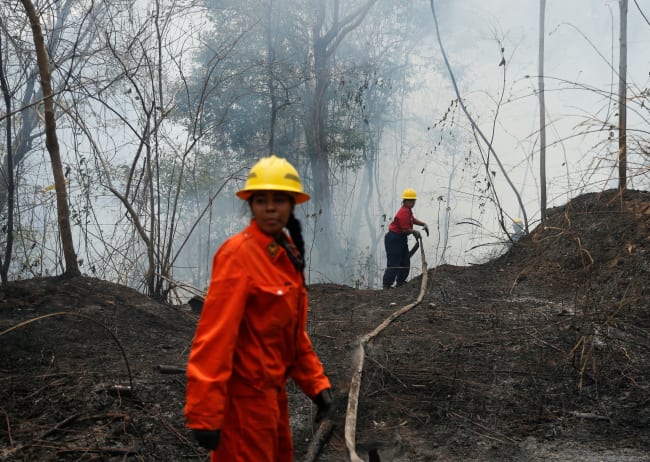
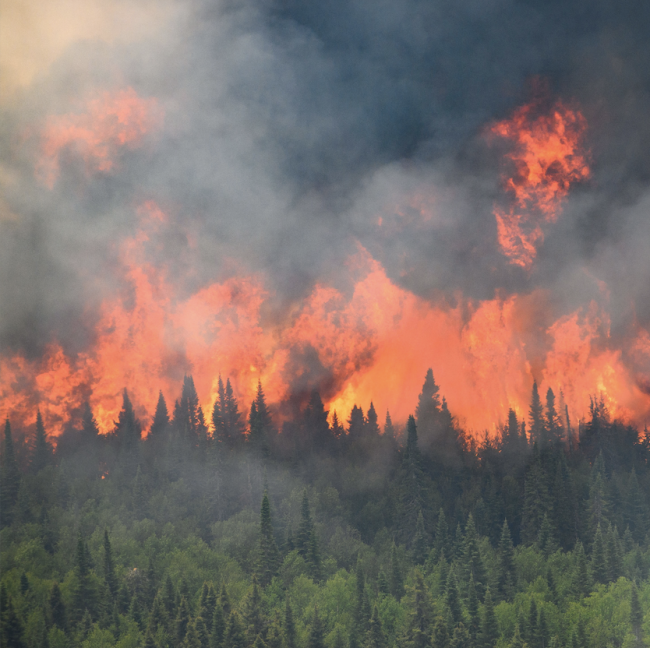
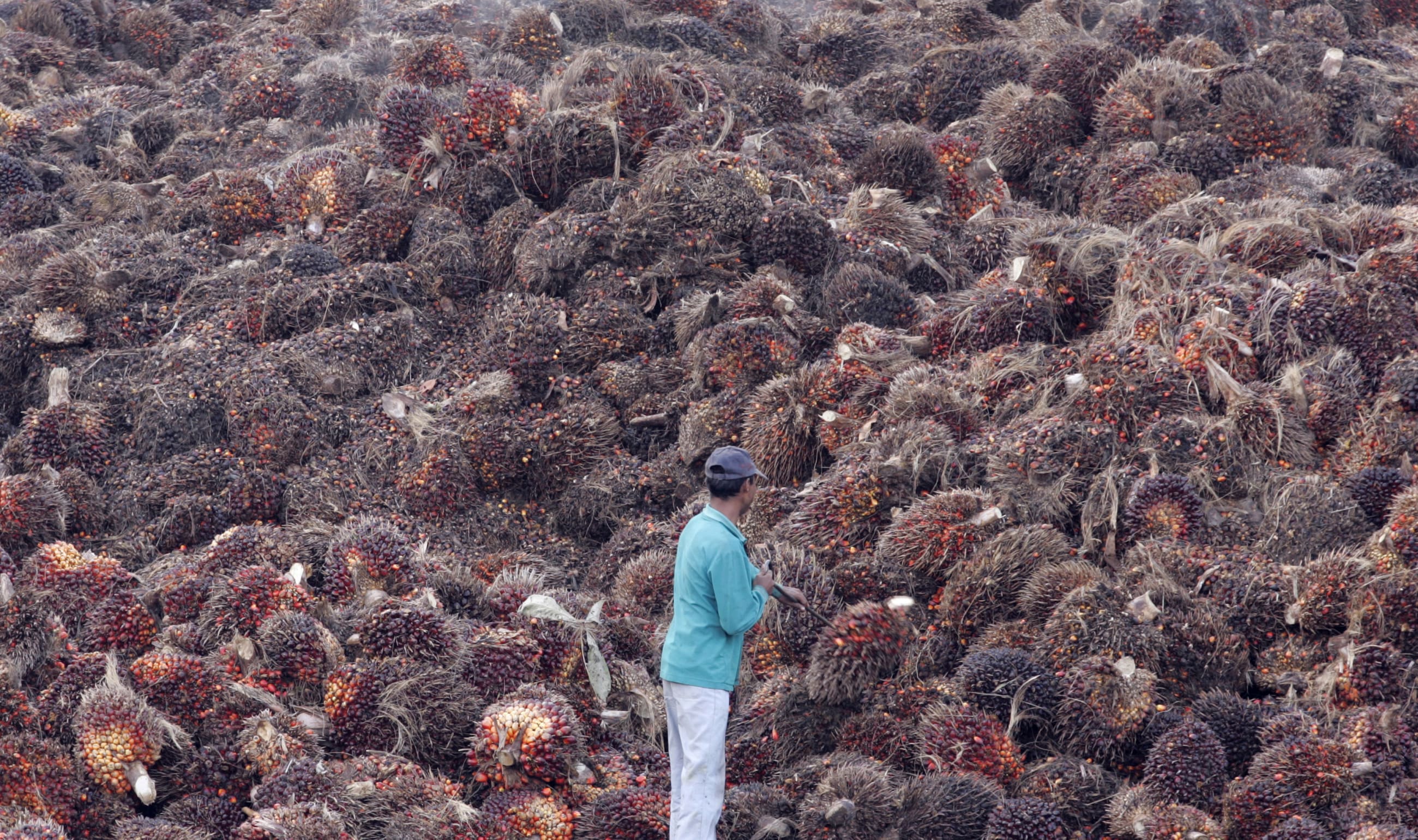
Palm oil, the world's most widely used vegetable oil, is produced from the fruits of the oil palm tree. It is used in several types of food, beauty products, animal feed, and biofuel. Palm oil production is a major driver of deforestation, biodiversity loss, and air pollution in Southeast Asia. Michael referred to slash-and-burn practices used for clearing land for plantations as particularly problematic for planetary health. Despite regulations to halt large-scale burning and land conversion, palm oil companies are continuing to clear forests and drain peatlands to expand their plantations. This land clearing increases the risk of hazardous fires, especially in the case of dried peatland, which is highly flammable. The smoke and air pollutants, or haze, resulting from such burns contribute to global warming and harm the health of people living locally and in surrounding regions. Health consequences can range from short-term respiratory conditions to severe lung disease. In Malaysia, haze episodes have been found to double the risk of hospital admissions for respiratory illness. At a global level, poor air quality has been estimated by the World Health Organization (WHO) to cause 7 million deaths every year.
Malaysia's economy relies heavily on investments in palm oil plantations both inside and outside of the country. In 2024, the palm oil industry grew 5.1%, contributing around 2% to Malaysia's gross domestic product. The Observatory of Economic Complexity also reports that Malaysia is the second-largest producer of palm oil in the world, accruing an export value of approximately $16 billion in 2025 and representing about one-third of the global value.
A 2014 study by AidEnvironment [PDF] identified 50 Malaysian companies that held a total overseas oil-palm land bank of 3.5 million hectares. Most of these plots were in Indonesia, representing 52% of Malaysia's total foreign direct investment in palm oil. A decade later, large Malaysian companies like Kuala Lumpur Kepong Berhad (KLK) continue to own large swaths of Indonesian palm oil plantations. A producer of palm oil since 1906, KLK reports that more than half its 300,000 hectares of plantation land bank are in Belitung Island, Sumatra, and Kalimantan, Indonesia.
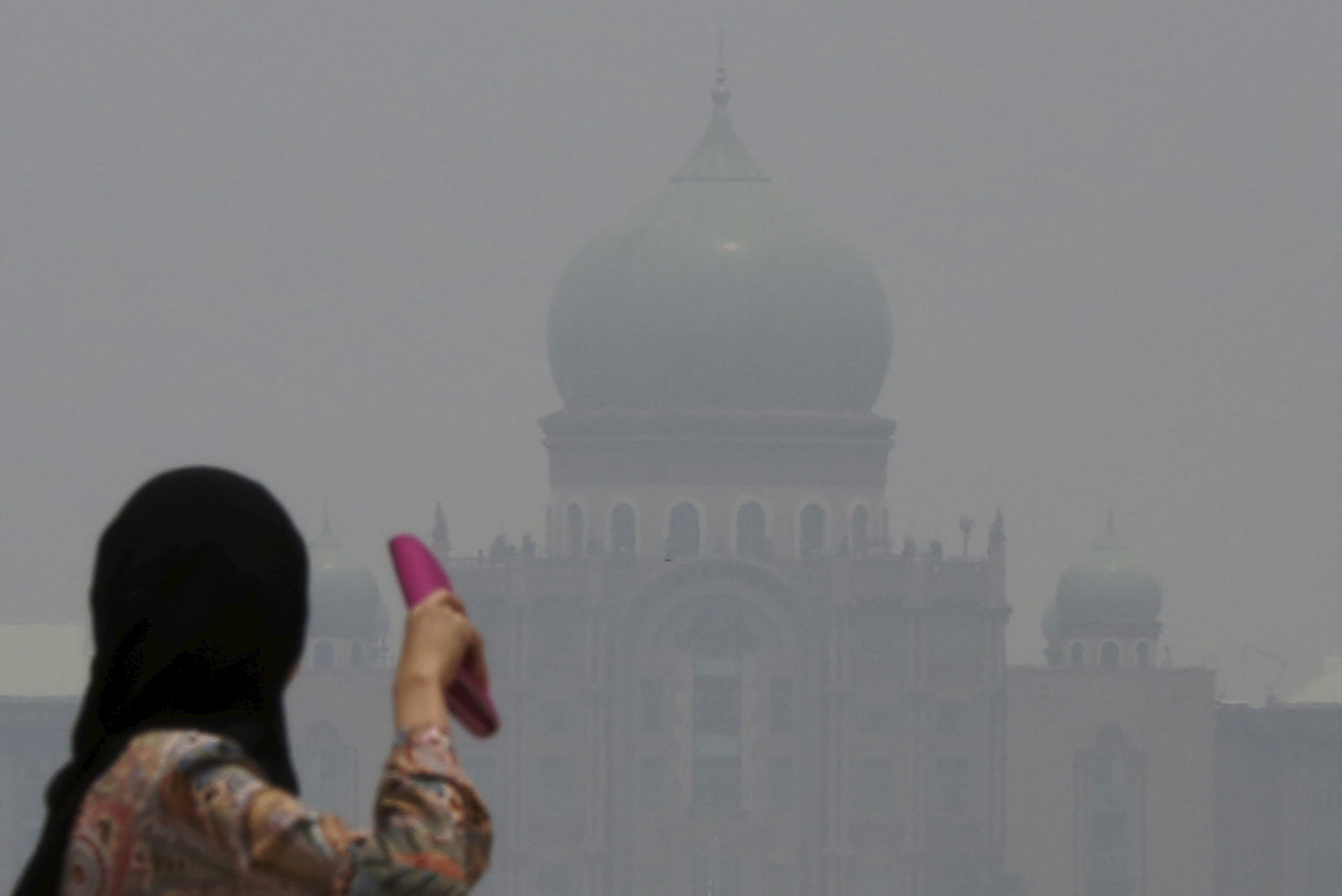
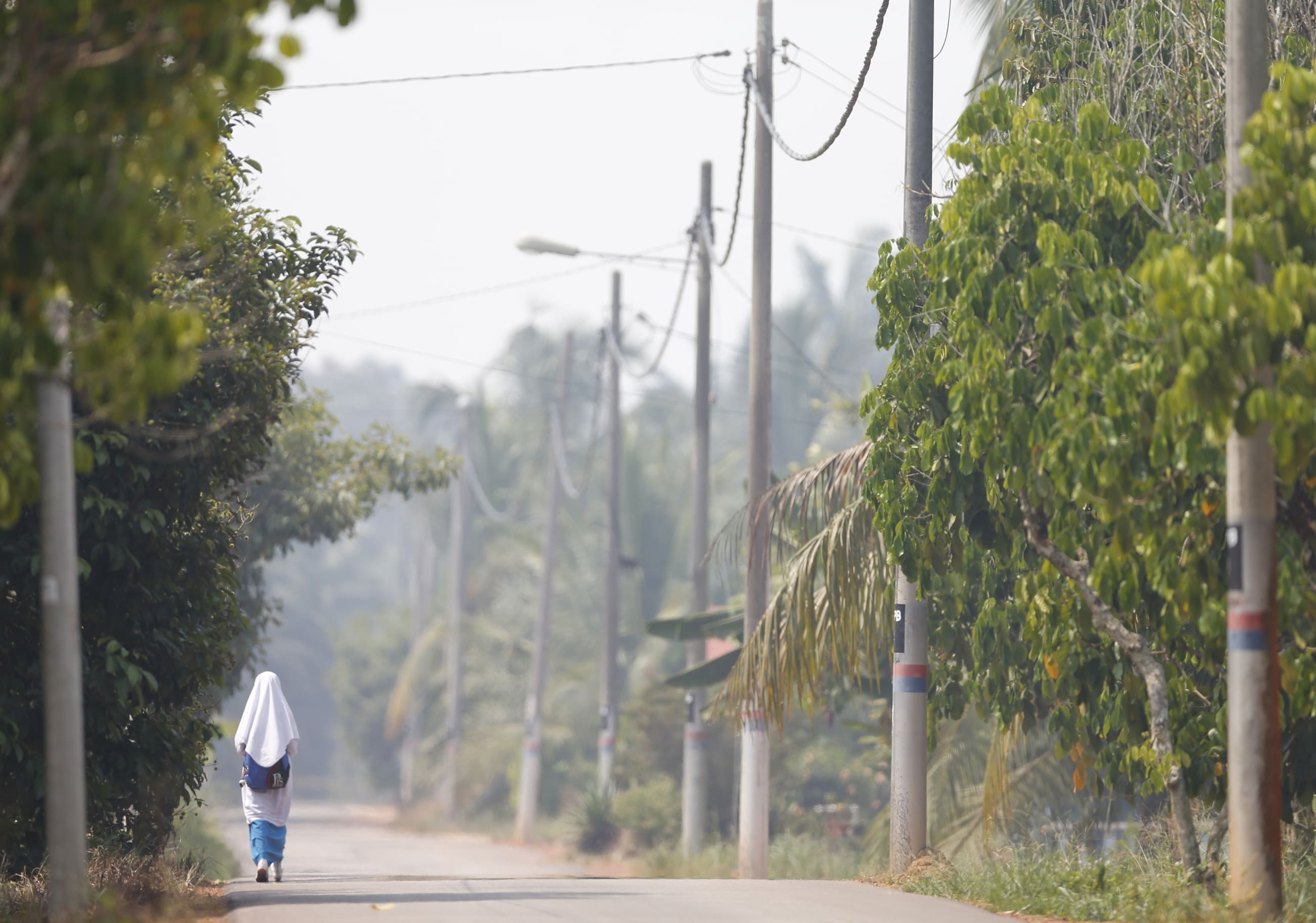
In 1997, smoke from land-clearing forest fires in Indonesia spread to Brunei, Malaysia, and Singapore. The resulting air pollution hung over the land for several months, only dissipating when the monsoon rains returned. It has been estimated that around 70 million people were affected, and many experienced health issues such as increased respiratory diseases. Michael says this problem has continued since 1997. "We've never been able to solve the transboundary haze issue that happens to us every year," he said.
In 2015, a severe haze event caused by slash-and-burn agricultural practices received international attention because of its heightened climate change implications. NASA satellite images captured a dense cloud of smoke hovering over Indonesia, Malaysia, and Singapore. The haze came mostly from burning peatlands, which release even more carbon dioxide than burning forests. Those fires are a big contributor to global warming. According to research published by Harvard and Columbia universities, the 2015 haze event accounted for more than 100,000 excess deaths across the most affected countries, including 6,500 in Malaysia alone.
Malaysia's Plan for Planet-Friendly Business
Jemilah Mahmood, executive director of the Sunway Center for Planetary Health at Sunway University, said it is important to include private businesses in the plan's implementation because of their contributions to the economy. However, enticing companies requires encouraging them to shift from focusing on "return on investment to return on values," she said. This means doing business in a way that can support the country's development without jeopardizing the health of the planet.
"It's difficult because the private sector is very much driven on profit and loss. The question now is, how do you put nature on your balance sheets?" said Mahmood.
The Roundtable on Sustainable Palm Oil (RSPO) is a global, nonprofit organization that develops and implements global standards for a sustainable palm oil industry. In order to produce RSPO-certified sustainable palm oil, members have to comply with strict environmental and social criteria that include committing to zero deforestation and upholding labor rights. As of December 2024, there were more than 6,000 RSPO members across 105 countries [PDF].
In Malaysia, large palm oil companies, such as Kuala Lumpur Kepong Berhad, are RSPO members. However, the smallholder farmers—farmers with less than 100 acres—who produce 40% of the country's palm oil, tend to forgo certification because meeting sustainability standards is costly, said Asma Ismail, chairperson of Malaysia's plan development committee and former president of the Academy of Sciences. "It is the vested interest of the multinationals [to secure global market access]…but (not) the small companies making 200 to 300 ringgit (around $60) a day."
Ismail pointed to environmental, social, and governance (ESG) standards that are already influencing the global trade practices of Malaysia's multinational companies. ESG metrics are used to rate companies beyond their financial performance, on factors like carbon emissions, community relations, and corporate culture, which can be attractive to international investors and clients. The plan aspires to leverage such rating standards to shift the private sector toward planet-friendly business as part of its governance pillar.
When representatives of 3,000 industries were interviewed by Ismail and Mahmood during the whole-of-nation consultation process, many said they were concerned about climate change and believed in sustainable practices, but did not know what to do about it because they lacked expertise in this area.
Looking forward, Mahmood says there is still a lot of work to do to get public buy-in for the plan's vision of transformative societal shifts away from a growth mindset and toward nature-aligned development. This is critical, in her view, because policies will shift when there is high demand for a change and pressure from civil society.
For that, she is looking to younger generations, who, she hopes, will start living, working, and consuming more sustainably as a habitual part of daily life. Those same youth will eventually become government leaders or the chief executive officers of private multinational companies that have extraterritorial activities. They will thus be in a position to lead the reform of transnationally polluting industries, like palm oil.