After donors including France, Germany, the United Kingdom, and the United States cut foreign aid for health by an estimated 5% between 2025 and 2026, family planning services worldwide were upended. The loss of support from the United States, the largest donor to the sector, primarily drove the disruption.
Now, private philanthropic donors are attempting to fill financing gaps, emphasizing how family planning generates economic returns for individuals and societies. These include both established foundations and new entrants to the global health financing space. However, as private actors take on agenda-setting roles in the domain of sexual and reproductive health, advocates have expressed concern about their focus on achieving output metrics over supporting comprehensive programming that expands rights and choice.
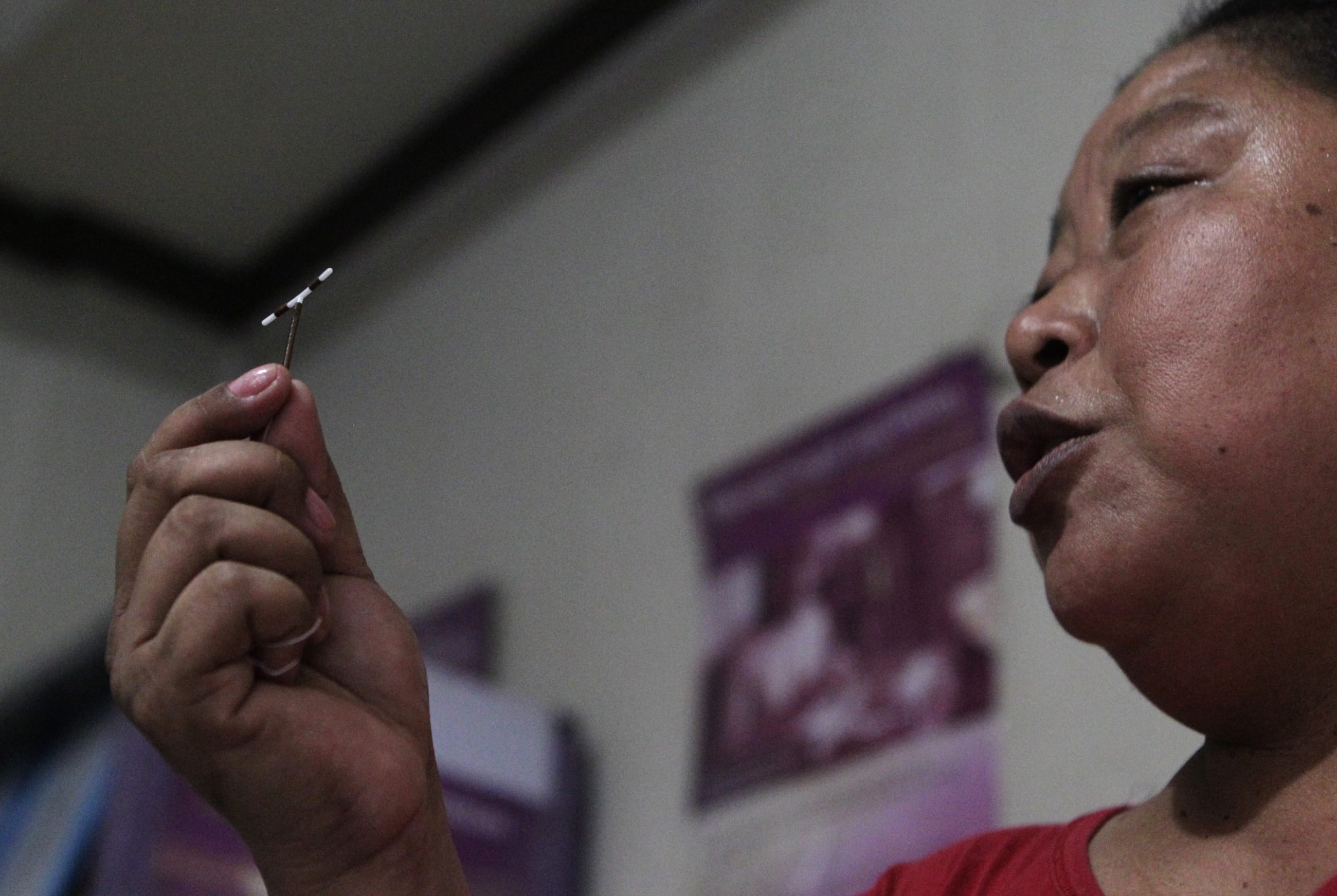
History demonstrates that focusing on uptake of contraception alone—instead of expanding rights-based access to care—may lead to coercive practices, such as pressuring people to accept contraceptive methods, like intrauterine devices (IUDs), implants, or injections. New funders in the family planning sector should broaden their vision of family planning program outcomes beyond use or nonuse of contraception, and toward more comprehensive measures [PDF] that better capture individual needs and preferences.
Loss of U.S. Leadership and Funding on Sexual and Reproductive Health
Early last year, the Trump administration dismantled the U.S. Agency for International Development (USAID) and terminated congressionally appropriated family planning and reproductive health assistance, triggering immediate disruptions in the availability of family planning services worldwide. The U.S. president's actions accelerated the emergence of a new order for the global family planning field, replete with opportunities as well as risks.
The U.S. president's actions accelerated the emergence of a new order for the global family planning field, replete with opportunities as well as risks
The exit of a once-dominant donor has opened space for new actors to shape the priorities and operating principles for the sexual and reproductive health sector. Conversely, the loss of USAID's influence as a strong voice for choice in family planning, and a new emphasis on efficiency amid austerity, puts at risk the decades-old consensus that the family planning sector should center individual rights.
At the November 2025 International Conference on Family Planning (ICFP 2025) in Bogotá—which included more than 3,500 participants from 131 countries, and was the first international family planning convening following the dismantling of USAID—the tenor of both technical panels and informal hallway discussions had shifted.
Instead of focusing on technical or policy barriers impeding progress toward the looming milestone of 2030, the target date for achieving the UN goal of universal access to sexual and reproductive health-care services, participants were preoccupied with the financing cliff many countries were facing, and with addressing urgent stock-outs of contraceptive commodities and the shuttering of service delivery programs. In numerous panels, discussion focused on how to do more with less and posited the best ways of demonstrating progress according to efficiency-based metrics.
Coercive Contraception: Warnings from the Past
The tension between preserving individual rights and choice while pursuing uptake of contraceptives has a long history. Research has found that programs that focus exclusively on the uptake of contraception as a metric of success raise the risk of human rights violations, including coercive use of contraception to meet targets.
In Indonesia, for example, the government reportedly used a target system for uptake of contraceptives to motivate health-care providers. Family planning program performance was a factor in local government officials' performance reviews, leading to allegations that the program's design was coercive, despite formal government policy supporting voluntarism in the provision of family planning services. In Tamil Nadu, India, during the mid-1990s, providers in public maternity hospitals routinely inserted postpartum and postabortion IUDs as part of the state's target-oriented family planning policy, in some cases without women's knowledge or informed consent.
These historical examples hold valuable lessons for the present moment of financial strain. Following the U.S. withdrawal and other bilateral donor cuts, private foundations as a group are likely to grant as much or more to family planning in 2026 as all donor governments combined provided in foreign aid for this purpose (using 2024 levels as a guide).
Amid shifts in the funding landscape for family planning, sexual and reproductive health advocates looking to persuade policymakers and donors to support their efforts are coalescing around messaging about family planning as an economic growth strategy. For example, FP2030—a global partnership focused exclusively on family planning—is sponsoring a campaign with the tagline "Made Possible by Family Planning," which emphasizes how access to contraception generates economic returns to individuals and societies. The Gates Foundation has also commissioned economic modeling that posits a $59 return for every $1 invested in scaling family planning efforts. GiveWell, a relatively new funder of family planning programs, uses a cost-effectiveness model that includes women's increased contribution to household earnings as one benefit of family planning. The economic benefits of family planning are also resonating among governments. In Africa, national policymakers are especially focused on harnessing the "demographic dividend"—increased economic growth rates that can accrue once population growth slows.
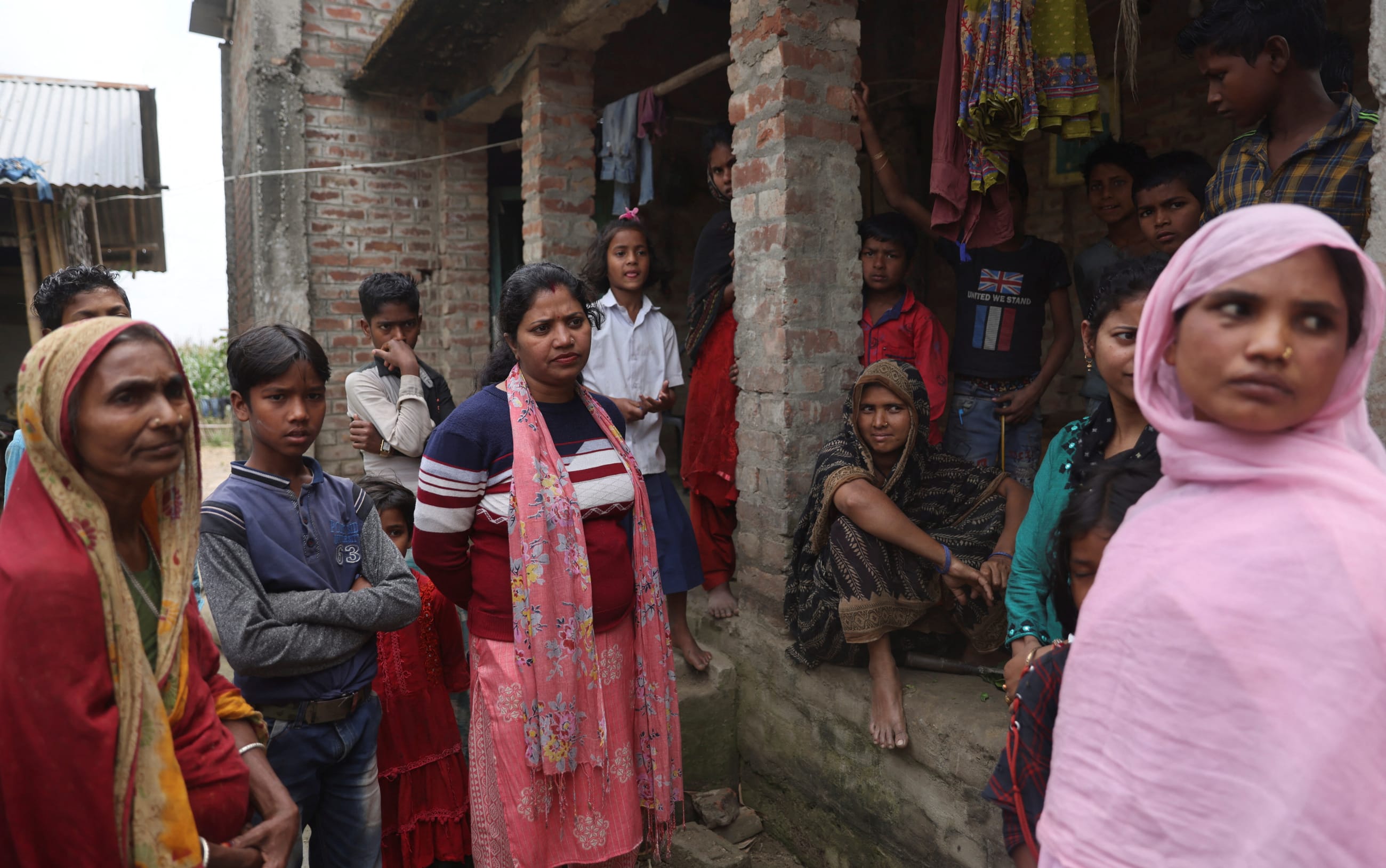
The argument that family planning generates social and economic returns is neither new nor necessarily negative. But leading with this rationale instead of the fundamental right of individuals to determine the number, timing, and spacing of their children carries inherent risks. When family planning programs are linked to macro-level policy concerns instead of meeting individual needs, truly voluntary participation may be threatened.
Program strategies that define success as population-level uptake of modern contraception, instead of meeting individual goals and preferences, risk overlooking critical dimensions of autonomy, quality, and informed choice. If cost-effectiveness measures are used to allocate resources, or cost per new user is employed to assess program efficiency, care should be taken to ensure that these metrics are not being translated into targets at clinics and health posts. The sector's financial strain and need for austerity is real, but it does not absolve donors, governments, and program sponsors of their responsibility for ensuring that voluntarism and informed choice are actively safeguarded.
Success Metrics Should Focus on Preserving Rights and Choice
How then should the family planning sector measure its progress, given the risks that programs narrowly focused on achieving contraceptive uptake outcomes have experienced? There is currently no simple answer to this question. Prior to its dismantling, USAID was slowly evolving its own measurement framework, but it played a critical role in setting clear expectations and enforcing accountability around voluntarism and informed choice in family planning programming. Through programmatic safeguards embedded in USAID's implementation practices, including routine training on informed choice for program managers, compliance monitoring, supervisory site visits, and visible client education materials [PDF] at service delivery points, the agency sought to ensure that programs it funded abided by the core principle that individuals should have the freedom to voluntarily choose the number, timing, and spacing of their children.
Efforts are underway to develop person-centered indicators; one collaborative process from the International Union for the Scientific Study of Population has yielded a new set of recommendations [PDF] that center contraceptive agency (the ability to make and act on decisions about pregnancy avoidance or delay) as a key concept, and proposes a new measure, preference-use concordance for contraception (PUC), which measures the "match" between what individuals want with respect to contraception and their behavior. Some researchers and donors have embraced indicators like contraceptive demand satisfied and intention to use contraceptives that take a step toward capturing individual preferences but fall short of being truly person-centered. Until a broad consensus on new high-level measures of family planning program impact emerge, donors and program implementers should focus not only on measures of increased contraceptive use but also on individual preferences and agency, and how the health system supports informed choice.
Given the adage that "what gets measured gets done," indicators like those that monitor the range of methods available to clients, the quality of the family planning counseling they receive, or the extent to which their decision to use a contraceptive method was made by themselves, or jointly with a partner or provider, should be part of multiple measures used to determine whether family planning programs are having a positive impact.
Governments in low- and middle-income countries (LMICs) play a critical role in ensuring that family planning programs respect rights and choice. To date, 45 governments have made policy and resource pledges that align with rights-based principles as part of the FP2030 global initiative. Private philanthropies and high-net-worth individuals—now even more influential in the sector—should consider the lessons of the past as they design cost-effective new models for the future.
As the entire sector tightens its belt and looks for ways to stretch every dollar, the issue recalls the words of the late UN Population Fund (UNFPA) director general Nafis Sadik on the importance of individual rights: "It's the difference between people as objects, and people as agents: between regarding people as pawns on the policy chessboard and recognizing them as the players, the decision-makers, the drivers of policy; autonomous individuals intimately concerned with the direction of their own lives." Following the policy and financial disruptions of 2025, the family planning sector should recommit to ensuring that people are agents of their own reproductive lives, even as leaders pursue the austerity and efficiency reforms that the current moment demands.