As the COP31 climate summit opens this week, the world is headed into an exceptionally severe, if not unprecedented, period of extreme weather. A "super El Niño" is underway—sea surface temperatures in the tropical Pacific Ocean are currently at record highs, and the event is forecast to peak as the strongest El Niño ever witnessed in the observational record.
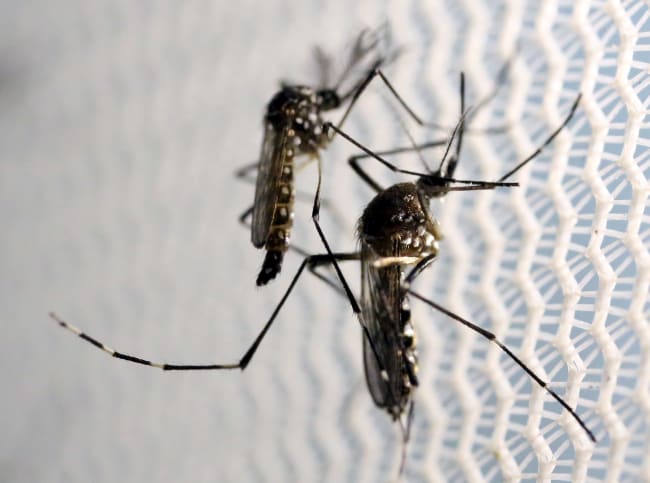
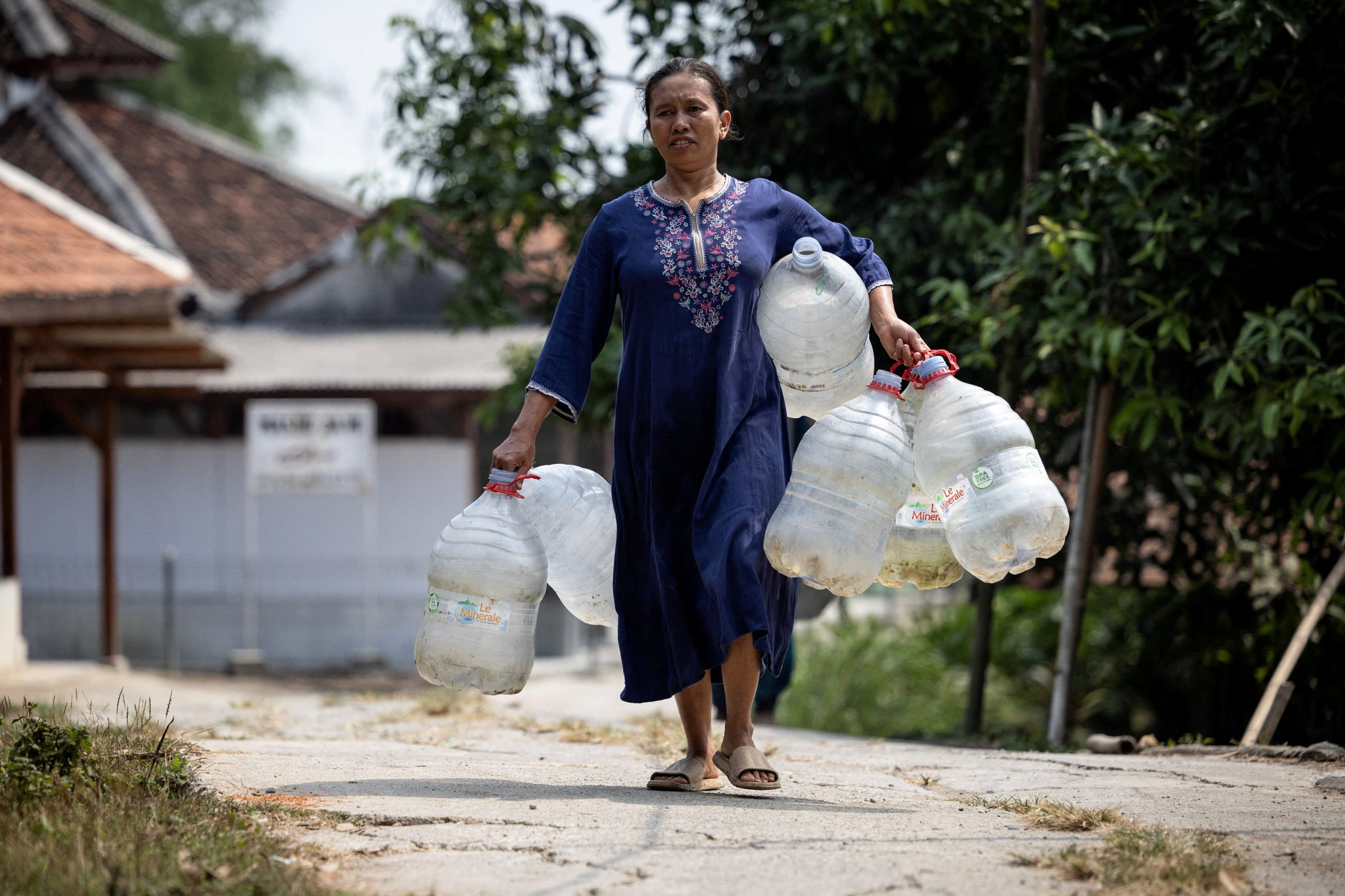
El Niño is a global health threat. An early analysis suggests that nearly half a million deaths will result from extreme heat alone, to say nothing of epidemics of dengue fever, cholera, and other infectious diseases that could also occur in tandem. The World Health Organization (WHO) has already assessed these risks to be significant. Now, the organization has an obligation to act under international law—and in doing so, it can take a meaningful step toward solving one of the thorniest problems in global health governance. By recognizing El Niño as a public health emergency of international concern (PHEIC), WHO can answer calls to escalate its response to climate change, without redefining what constitutes an "emergency" under international law.
Given the threat to health, climate change may meet the legal criteria for a public health emergency of international concern
When WHO was created, its architects understood infectious diseases as the greatest obstacle to its mission of achieving the highest attainable standard of health for all people. As a result, most of the important instruments negotiated under WHO—namely, the International Health Regulations (IHR), the Pandemic Influenza Preparedness (PIP) Framework, and the Pandemic Agreement—have been designed to reduce the risk and impact of epidemics and pandemics. But in the twenty-first century, WHO is facing an onslaught of new threats, such as antimicrobial resistance, mis- and disinformation, and malicious use of artificial intelligence. Unlike epidemics, these threats move slower, last longer, and have no clear beginning or end—and as such, they pose an unexpected problem for a system built around acute emergencies.
Among these long-term threats, climate change could be the first to force WHO to reframe its approach to governance. In 2021, a (perhaps unintentionally) widely quoted WHO report prepared for COP26 referred to climate change as "the single biggest health threat facing humanity." In the half-decade since, WHO's work program on climate change and health has continued to grow—but it still has not sounded its highest alarm about the climate crisis.
Climate Change as a Public Health Emergency
Given the threat to health, climate change may meet the legal criteria for a public health emergency of international concern, defined in the IHR as "an extraordinary event which is determined… to constitute a public health risk to other States through the international spread of disease, and to potentially require a coordinated international response." Since the 2005 revision of the IHR, emergency committees have been assembled to assess and monitor a dozen events (traditionally the first step in a PHEIC declaration), and in nine of these cases, the director general has declared a PHEIC. To date, all 12 of these events have been infectious disease outbreaks, including three Ebola epidemics and the COVID-19 pandemic, but the definition of "event" is generally understood to be broader, and it can include other kinds of health emergencies, such as poisonings. In 2019, the first (known) legal analysis concluded that climate change met the legal criteria for a PHEIC, and since 2020, there have been calls by doctors, lawyers, scientists, and even journal editors for an emergency declaration every few years.
Climate change is certainly comparable in health impacts to other PHEICs: there is substantial scientific uncertainty about its present and future contribution to the global burden of disease, but at a minimum, climate change has probably been responsible for several million deaths, making it deadlier than the median flu pandemic. But is climate change really an "event"? In terms of historical precedent, the closest analog is the emergency declaration made for "the international spread of poliovirus" in 2014; that PHEIC is still active, and it will probably continue to be until wild-type poliovirus is successfully eradicated. This was only the second time a PHEIC was declared, and since then, there has been a consistent understanding that PHEICs are usually acute because "events" are usually acute. The same cannot reasonably be said of climate change.
Because the world failed to act decisively in the late twentieth and early twenty-first centuries, climate change will be the backdrop to WHO's work for longer than WHO has even existed to this point. The planet has been at least one degree warmer since 2015, and even in a current best-case scenario, it will continue to be until at least 2150—or, in political terms, more than a dozen average WHO director general terms into the future. For the current director general at the end of his term—or the next one, at the very beginning of theirs—there is little incentive to open an unclosable ticket, either in terms of climate action or the political weight that declaration carries.
The same cannot be said of the 2026–27 El Niño, which is—both climatologically and epidemiologically—an extraordinary event with a clear beginning and certain end. The precise contribution of climate change to the intensity of this event is surprisingly uncertain, but there is mounting evidence that global warming is making El Niño events more intense. However, these issues may ultimately be beside the point: it is likely that more people will die in the next year than in the 2009 influenza A / H1N1 pandemic and several other PHEIC-level events since, making El Niño an emergency in its own right. This has already been recognized by academics and African health ministers, and WHO has escalated El Niño to a "Grade 3" emergency—its highest internal designation for response operations, but not a recognition of the crisis under international law.
How WHO Can Approach New Emergencies
WHO has had the information and opportunity to act for several months, but a coordinated international response is still warranted, and it could still substantially reduce El Niño's public health impact. For example, following the 2024 IHR amendments, a PHEIC declaration could be the trigger for the director general to coordinate access and financing for dengue and cholera vaccines, mosquito vector control, and heat-health adaptation tools.
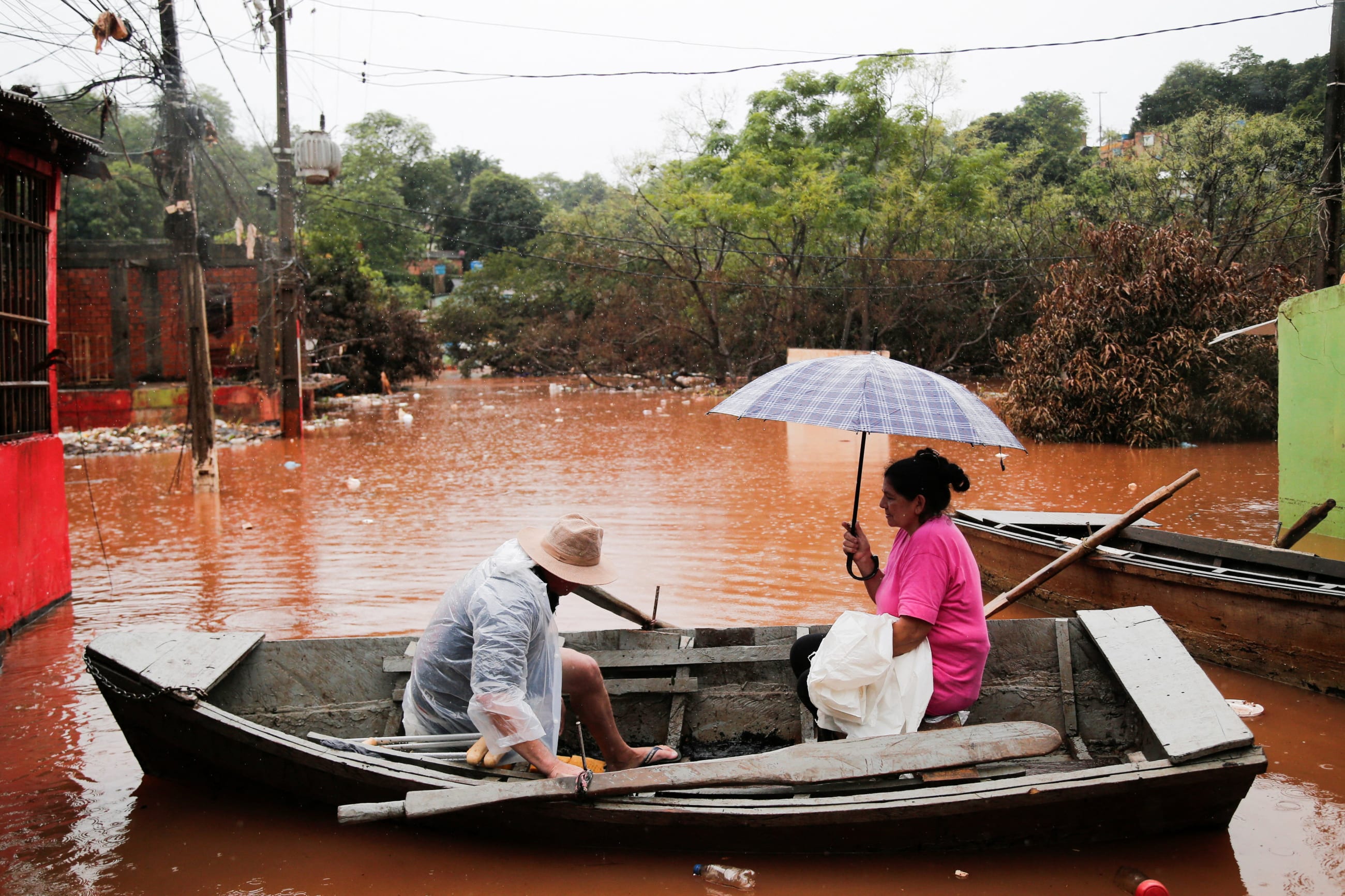
Perhaps just as important, assembling an emergency committee to assess whether El Niño constitutes a PHEIC could be a concrete step toward solving the short- and long-timescale problem for climate-health governance. Climate change is an emergency, but like a matryoshka doll, it also contains other smaller emergencies that require different kinds of response: summers of unthinkable mass mortality from heat, unprecedented storms and floods, epidemics of climate-sensitive infectious diseases, and countless other crises.
Indeed, El Niño occupies a unique position in the Earth system, integrating a wide range of physical process like shifts in the trade winds, extreme precipitation, and drought into a single coherent event over less than a year, instead of the decades-long shifts expected from climate change. Recognizing that the PHEIC mechanism could apply to truly exceptional shorter-timescale weather events, including those related to or caused by climate change, would allow WHO to act on climate change without forcing a more substantial normative shift around a just-renegotiated treaty.
An unprecedented El Niño could therefore be the perfect testing ground for how WHO can respond to climate-related threats that do not fit neatly into traditional concepts of public health emergencies. Just as the 2009 flu pandemic was followed by the PIP Framework in 2011, a climate-related PHEIC could also spark discussion about a dedicated instrument on climate change and health, more akin to the Framework Convention on Tobacco Control. Like tobacco, climate change is a long-term problem, and it deserves a long-term commitment: although it will take several generations, the goal should be to move slowly but permanently toward a world where the health impacts of climate change are eventually reduced to zero.