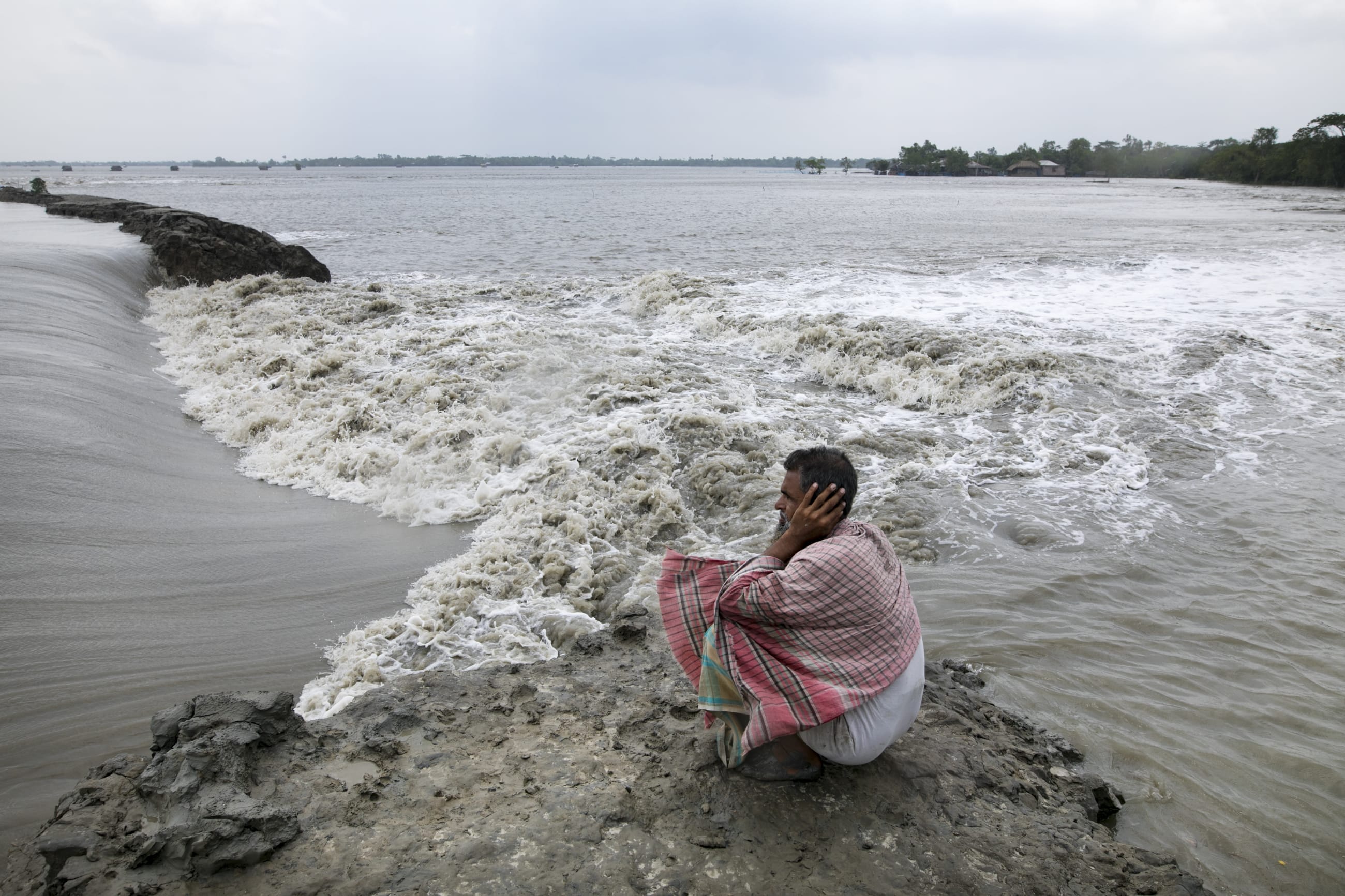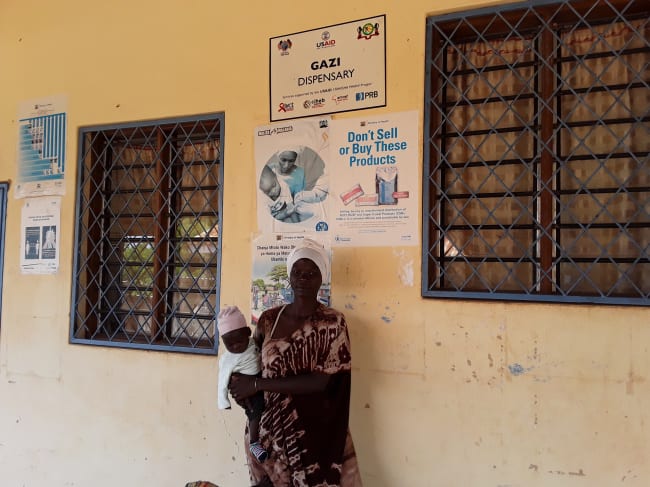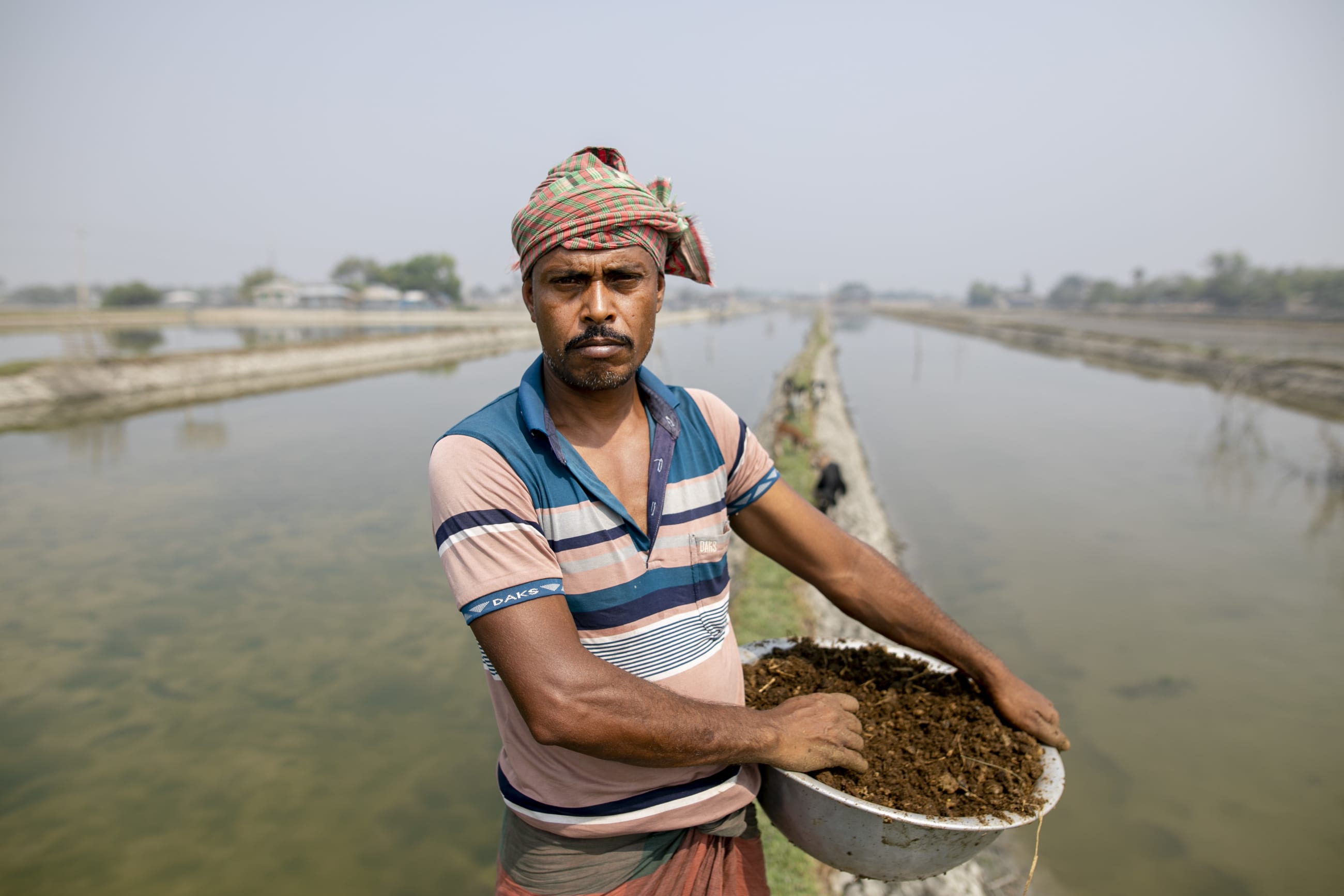
In Bangladesh's coastal districts of Khulna and Satkhira, where the air smells of brine and the earth has turned chalky white, water is an enemy. The salty tides ruin the rice crops, the fruit trees, and the fresh wells. Deeper inside the microscopic world of the village ponds, the water is doing something sinister: training bacteria to kill.
On a bright sunny morning in early March, 2026, 60-year-old Sobhan Mia pushed his boat through the shifting tides of a coastal belt river he had been navigating for three decades. During the rainy summer season, the water becomes saltier. "Ten years ago, saltwater entered the river around two months later, but nowadays it comes earlier," he said. Bangladesh's salinity rises steadily from October (postmonsoon) to late May (premonsoon). "Now water is salty everywhere—ponds, tubewells, and cropland are all salty. We now have to buy drinking water."
Bangladesh's coastal zone is one of the world's fastest-salinizing landscapes, as tidal flooding, cyclones, and sea-level rise move saltwater farther inland, affecting millions of people and farms. The coming El Niño weather event, which could be the strongest on record, could force salty water even farther inland following reduced freshwater flows.
The salinity along the Bay of Bengal raises a global concern: antimicrobial resistance
The salinity along the Bay of Bengal raises a global concern: antimicrobial resistance (AMR). The link between salt and antibiotic resistance lies in how bacteria handle stress. When waterborne microbes such as E. coli or Vibrio are exposed to high salinity, they don't always die. Instead, they adapt. This environmental pressure can trigger stress responses that share genetic pathways with antibiotic resistance. Bacteria that learn to survive in saltier water may also become better at surviving a dose of ciprofloxacin, which farmers use to manage bacterial infections in fish and shrimp.
The World Health Organization (WHO) lists AMR among the top-10 public health threats worldwide, and by 2050, drug-resistant infections could claim 10 million lives annually. South Asia is singled out as one of the most vulnerable regions.
"If current environmental and aquaculture practices continue, coastal Bangladesh is likely to experience a significant increase in antibiotic-resistant infections over the next 10 to 20 years," said M. Sohidullah, assistant professor in the Department of Microbiology and Public Health at Khulna Agricultural University, "leading to reduced effectiveness of commonly used antibiotics, increased reliance on last-resort drugs, and greater difficulty in treating even routine infections."
Bangladesh serves as an early warning, but similar salinity‑driven microbial shifts are occurring in Vietnam's Mekong Delta and along the low‑lying coasts of Florida.

An Epidemic in the Ponds
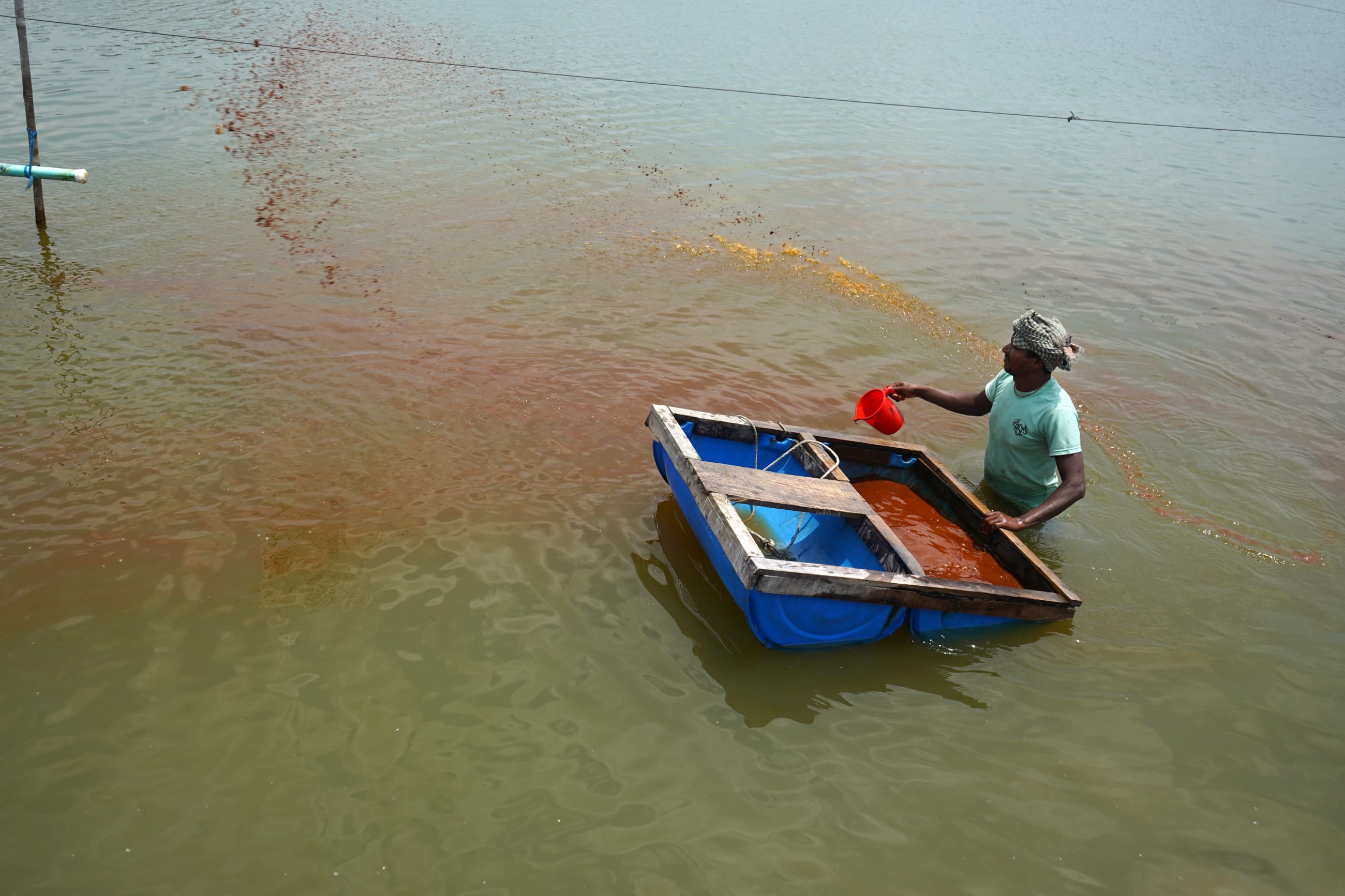
In the mud of Bangladesh's shrimp ponds, a 2025 study published in the Journal of Food Protection found something alarming: bacteria are changing. The authors tested sediment from 27 ponds in southern Bangladesh and found that more than half the bacterial samples were multidrug-resistant, meaning they carry mutations that defeat common antibiotics such as tetracycline. A 2023 study confirmed that pond sediment is a major reservoir for these resistant genes.
This adaptation against some of the strongest medicines is fueled by human practices, according to Md. Faisal, dean of the Faculty of Fisheries, and professor and head at Chattogram Veterinary and Animal Sciences University.
"In fisheries, there are no trained doctors—farmers rely on shopkeepers who guess at antibiotic doses. Instead of 2 milligrams, they may apply 20, and the excess settles in pond sediments where bacteria adapt and become resistant."
"Floods and natural calamities wash antibiotic residues straight into rivers, where they settle in coastal sediments. The bacteria exposed there gradually adapt, and over the next decade or two they may become resistant," he added.
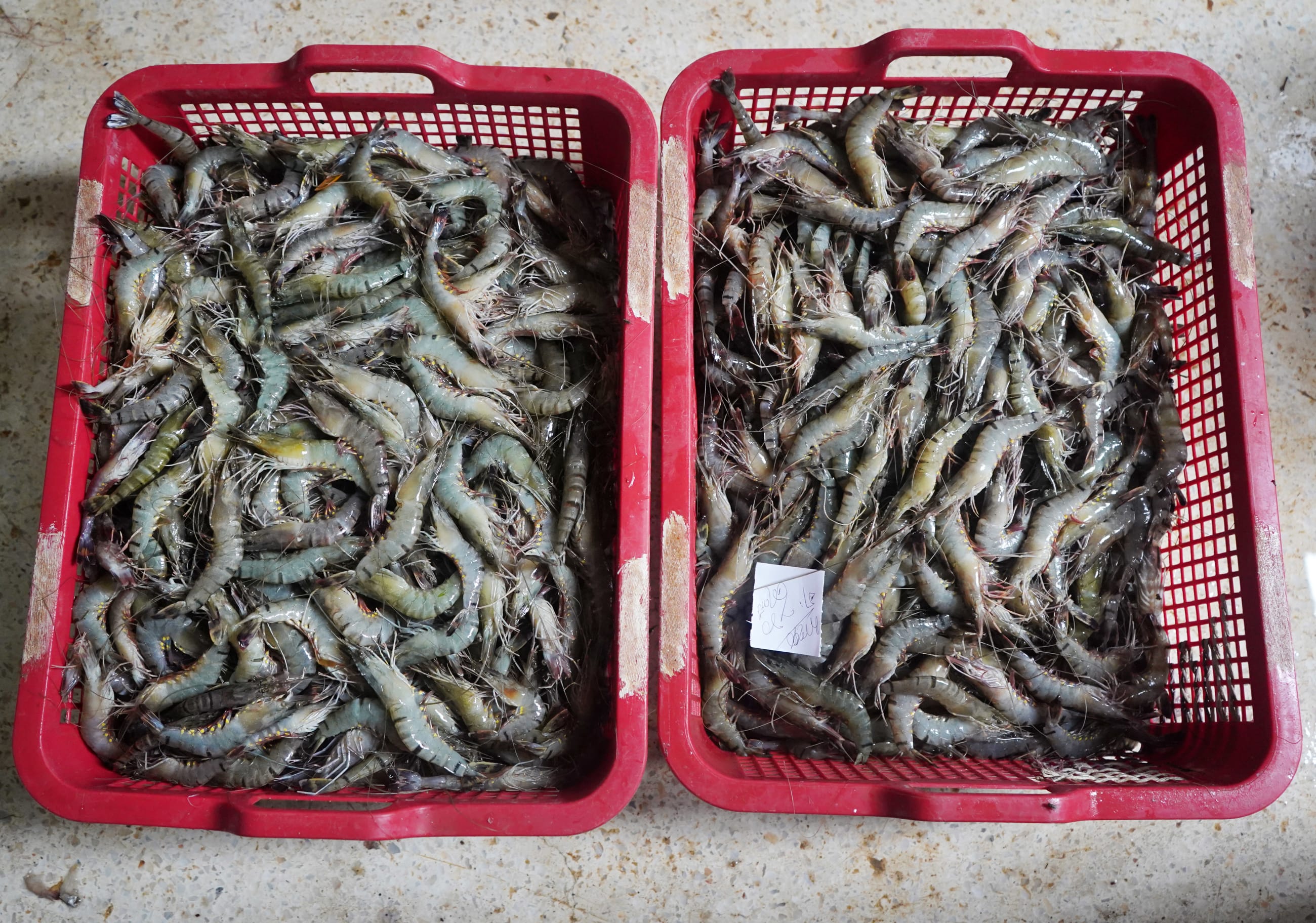

Bangladesh's shrimp industry earned more than $200 million in fiscal year 2024–25 from Khulna, the country's third-largest city. But antibiotic resistance is a hidden cost, made worse by climate change.
As temperatures rise and saltwater pushes farther inland, coastal waters are turning warmer and more saline, perfect conditions for aquatic pathogens to multiply. This shift allows microbes to spread beyond ponds into shared drinking water and food supplies.
Md. Jannat Hossain, a PhD researcher at Gifu University, Japan, said, "Climate change is creating conditions where bacteria like Vibrio cholerae can survive and spread more easily through water, food, and the wider environment."
The Cost of Adaptation
This transformation did not happen overnight. Since the 1980s, the saline‑affected area in Bangladesh has expanded dramatically, now covering more than 1 million hectares of land. What was once a seasonal nuisance has become a permanent feature of the coastal landscape.
In Khulna and Satkhira, the shift from rice agriculture to aquaculture was promoted as a climate adaptation strategy—if rice fails in salty soils, shrimp might thrive instead. Farmers converted paddies into ponds, encouraged by export demand and adaptation narratives.
Ponds are part of a massive, interconnected network of canals and rivers that crisscross the southwest delta. During monsoon floods, or when embankments collapse caused by stronger and wetter cyclones, salty water mixed with antibiotic residues from aquaculture spills into surrounding water systems.
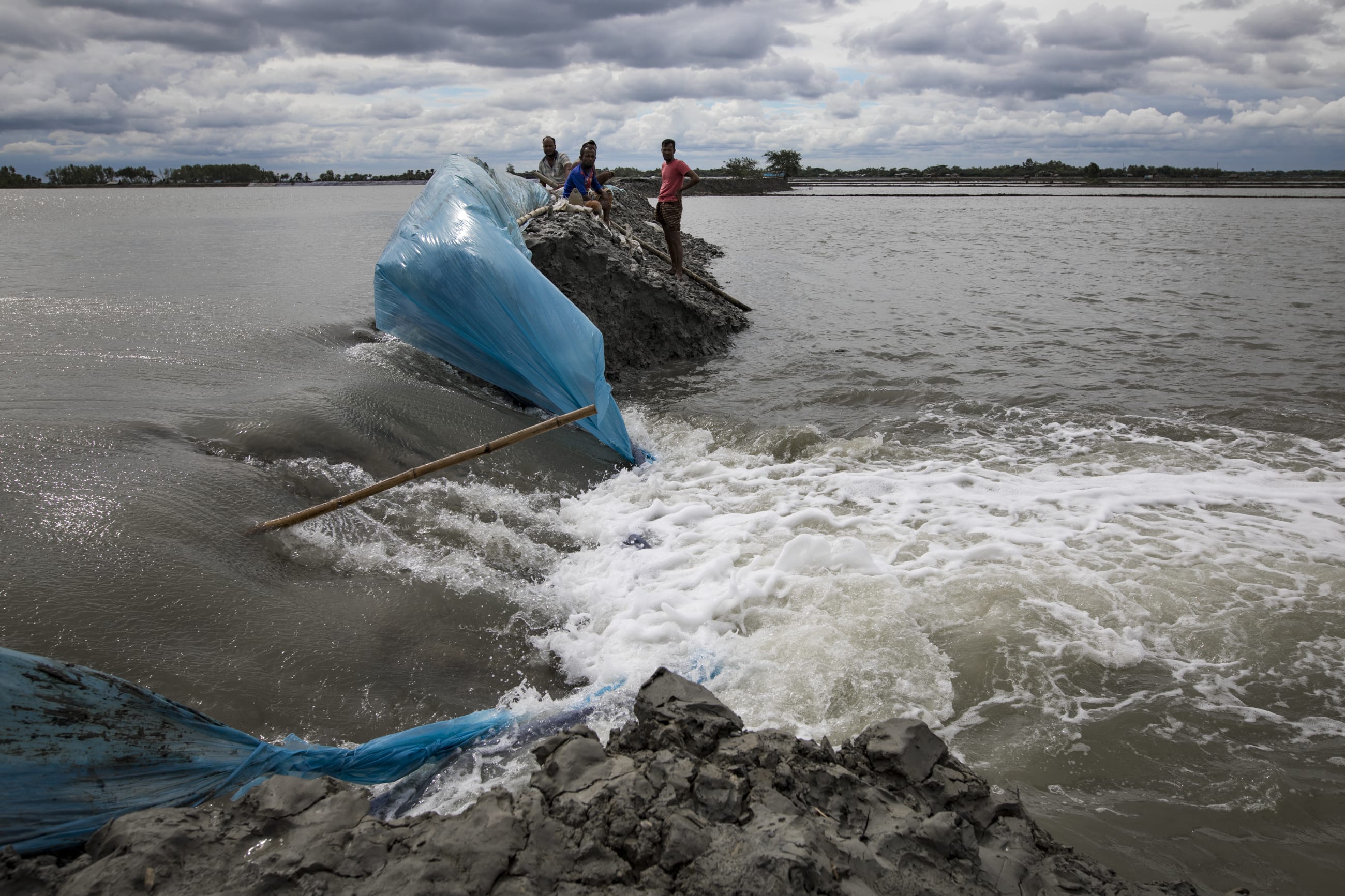
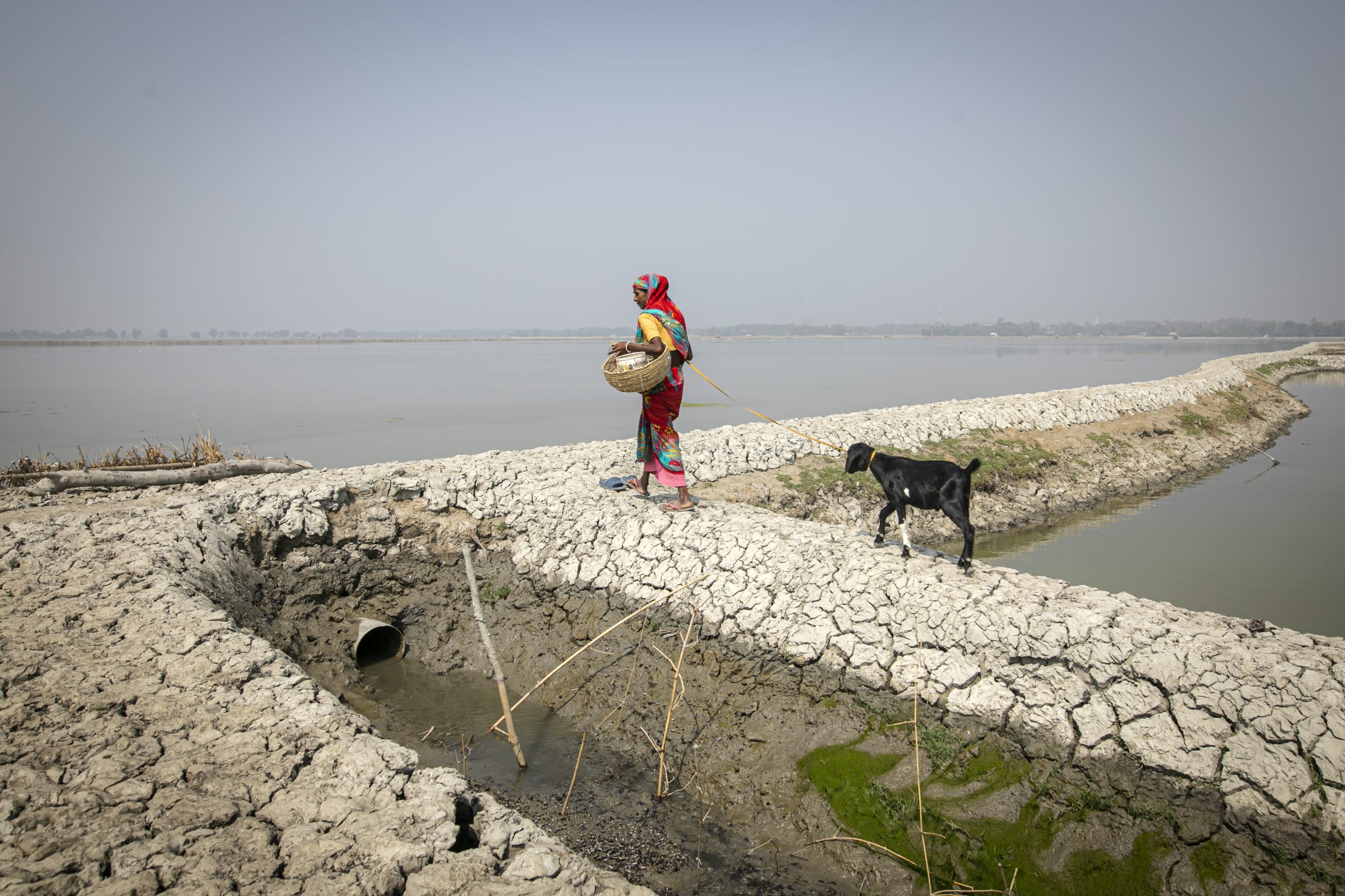
Hasanul Islam, a researcher and professor in geography and environmental science at Nasirabad University College in Mymensingh, said, "Our findings suggest that rising salinity levels in Khulna and Satkhira create conditions where antibiotic-resistant genes can spread more easily, posing a serious public health risk."
This scientific concern is already filtering into the everyday lives of 35 million people living in Bangladesh's coastal zone. Doctors at Koyra Upazila Health Complex in Khulna are reporting a rise in drug-resistant infections. Sudeep Paul, a government-appointed physician, said, "We see patients who have cycled through three different types of antibiotics for a simple respiratory or skin infection, and none have worked."
Patients often buy one or two tablets from local village doctors or medicine sellers without a full prescription. When patients buy only a few antibiotic tablets instead of completing the full course, the drug lingers in their body at low levels. That weak exposure gives bacteria the chance to adapt and become resistant. Those resistant bacteria are then passed out in human waste, which enters the sewage system and spreads into the wider environment.
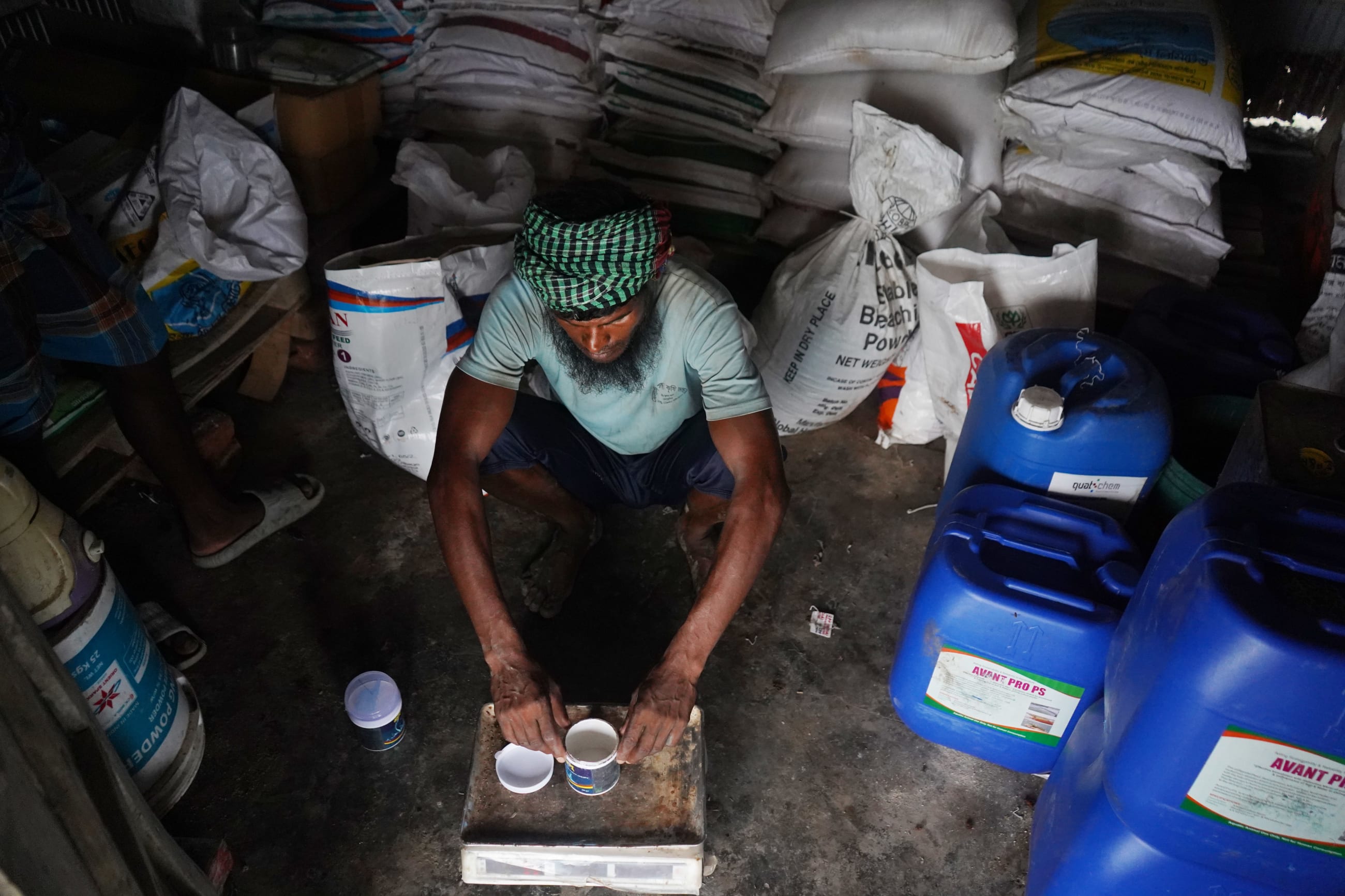
This widespread misuse was also reported by a 2023 study finding that unqualified village practitioners and pharmacy shopkeepers frequently dispense antibiotics without proper guidance; combined with an environment saturated with resistant genes, this creates a dangerous feedback loop in which misuse fuels resistance, and contaminated water spreads it farther.
A 2025 study shows that waterborne Vibrio cholerae in Khulna's food sources had high resistance to two antibiotics commonly taken by humans. The germs were 73% resistant to ampicillin and 69% to tetracycline.
For families along the coast, the harms manifest as rising medical bills and infections that refuse to heal. The trends suggest that climate stress and antibiotic misuse are converging.
Women in coastal Bangladesh face higher exposure to this environmental stress because they are responsible for water collection and spend hours wading through saline water. The gender disparity affects their health, including reproductive complications and menstrual problems linked to brackish water exposure.
Suvodra Shena, a 28-year-old mother from Khulna, explains: "I walk two hours to collect drinking water. The nearby pond's water tastes salty; drinking this salty water made my children sick. I am the one caring for them. The medicine costs drown us."
The Need for Regulation
Bangladesh's shrimp sector, weakened by debt, has also been battered by repeated disease outbreaks, including white spot disease, a viral infection that can wipe out entire ponds in days. These diseases have left farmers struggling to survive. Regulators and stakeholders are now aiming to grow to $5 billion in exports by 2030 through a shift to Vannamei shrimp.
Vannamei farming is highly intensive, and its dense stocking in ponds heightens bacterial risks. Historically, antibiotics have been widely used to control outbreaks in aquaculture practice, and studies confirm critical control points where rains carry resistant genes into surrounding waters. At the same time, probiotics—live, beneficial microbes added to feed or water—are increasingly promoted as alternatives to antibiotics, showing promise in reducing antibiotic dependence by boosting shrimp health and survival. Studies show that probiotics can cut disease losses and reduce the need for antibiotics, but uptake among farmers is uneven: some adopt them quickly, others stick to old habits. Smallholder farmers in Bangladesh and Southeast Asia have limited access to reliable probiotic products, and probiotics are sometimes more expensive than antibiotics.
A.M. Shahabuddin, an aquaculture scientist and professor at Sher-e-Bangla Agricultural University in Dhaka, said, "In Vannamei shrimp farming, probiotics are used to enrich the culture, creating natural food and boosting production. This shrimp yields high output in small areas, meets strong market demand, and can help Bangladesh reach its export targets."
Bangladesh's shrimp industry faces two conflicting pressures: efforts to expand exports through intensive shrimp farming, and the growing risk of stricter restrictions from European regulators due to antibiotic residues.
This dual reality raises the risk of antibiotic residues in export products—a problem that has triggered European Union bans on Bangladeshi shrimp. If European regulators tighten residue standards further, Bangladesh could face severe trade restrictions. Recent warnings from the European Union about drug residues in seafood indicate that regulators are watching the issue closely, so if Bangladesh does not address antibiotic resistance, tougher bans may come.