In recent months, the Food and Drug Administration (FDA) has taken a number of notable actions related to e-cigarettes: in September, the agency announced plans to change the framework for how e-cigarettes are evaluated; in May and August it authorized new products, including the first nontobacco and nonmenthol-flavored e-cigarettes, and it issued an enforcement policy that effectively allows for the continued sale of thousands of illegal products.
These developments have brought intense scrutiny and renewed debate on the critical role the agency plays in improving public health. How the FDA regulates e-cigarettes will define the future of the nicotine marketplace. The agency should tackle the leading cause of preventable disease and death—smoking—while protecting youth from becoming addicted to these newer products.
The Rise of Flavored E-Cigarettes
To understand the current moment, it's important to examine how the e-cigarette market took shape.
When the Tobacco Control Act passed in 2009, e-cigarettes were in their infancy. Because they were not explicitly included in the law, the FDA did not gain authority over them until 2016. In the intervening years, the e-cigarette marketplace exploded.
How the FDA regulates e-cigarettes will define the future of the nicotine marketplace
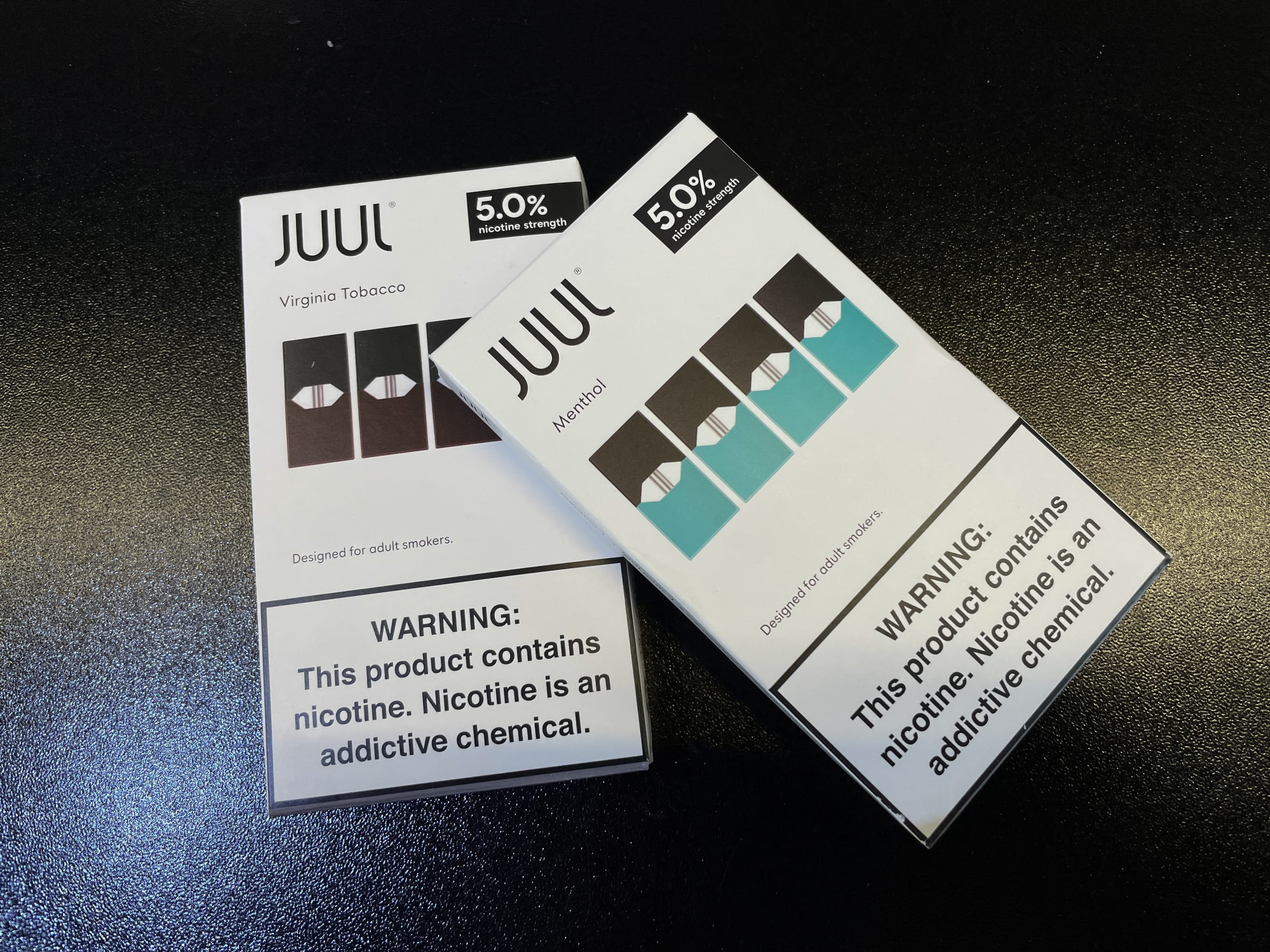
What started as a handful of small companies, making rudimentary gadgets that vaporized liquid containing nicotine, transformed into a multibillion-dollar industry selling a variety of products, including sleek devices like Juul.
That meteoric rise, which was sparked by edgy marketing tactics and largely youth uptake, coupled with policies that allowed products to continue to be sold for a time while working to submit applications to the FDA for review, introduced the challenge that public health officials continue to tackle today—youth use and addiction.
Nicotine can harm developing brains, and nicotine addiction can also amplify feelings of anxiety, depression, and stress—a particular concern for young people already struggling with mental health issues. Use of nicotine—often one of the first substances used by young people—may also put youth at higher risk for addiction to other substances and could open them up to riskier behaviors in the future.
Surging youth use of products like Juul prompted action from the FDA and public health groups like Truth Initiative to invest heavily in efforts aimed to drive youth e-cigarette use down. These have been largely successful; the number of middle and high school students who used these products decreased from more than 5 million in 2019 [PDF] to 1.44 million in 2025—the lowest levels recorded in federal surveys in nearly a decade.
However, the damage had already been done. Millions of young people became addicted to nicotine during that time. Now dubbed the Juul Generation, nearly 1 in 5 young adults are using a tobacco product, and many are now looking to quit as they've gotten older. Others have gone on to use multiple tobacco or nicotine products at the same time, adding cigarettes or newly marketed oral nicotine pouches to their e-cigarette use.
Understandably, this left public health groups particularly concerned about both those who became addicted to nicotine during that time and a potential resurgence of use among those who are underage. Research is now being conducted by organizations like Truth Initiative that focus on generating independent science on the products, youth use patterns, as well as their sales, marketing, and health risks to best understand their potential public health impact.
Nearly 7,000 illegal e-cigarette products with untested ingredients have also flooded the market—dwarfing federal enforcement and skirting intended FDA oversight. Many of the companies behind these products are not participating meaningfully in the regulatory system while continuing to market highly addictive and appealing products to consumers. These include flavored, disposable products popular with young people that are cheaper, more potent, and more accessible than ever, and that mimic everyday items or feature screens that play games like Pac-Man and Tetris.
These products were never supposed to be sold without the FDA's review and determination of their appropriateness for the protection of public health. They weren't supposed to get into the hands of nicotine-naïve young people. These actions have left the United States in a much different place than if no (primarily) flavored e-cigarette products were on the market as the FDA's authority went into effect.
Moving Forward
As a result of the current reality, the FDA's evaluation of any e-cigarette heavily weighs the known risks of youth use (especially of flavors) in the largely unregulated marketplace that has persisted against a high evidentiary bar for potential public health benefits of an individual product.
Out of millions of products that have submitted applications, the FDA has determined thus far that only 48 have met the public health standard following rigorous scientific reviews. That means that the majority of the products on the market today are illegal. The result is a two-tiered marketplace: products that undergo extensive scientific review and products that simply ignore the rules. That dynamic disadvantages companies attempting to comply with the law while rewarding those willing to operate outside it.
The path forward is not as simple as many on either side of the debate want it to be.
Given that more than 25 million U.S. adults still smoke, there's a clear need to provide an off-ramp from combustible cigarettes. Although complete cessation should always be the goal, not everyone is willing and able to quit. For those people, the United States should provide access to FDA-authorized alternatives—
However, preventing uptake among nicotine-naïve individuals, and young people in particular, is nonnegotiable. New products cannot become an on-ramp for addiction among young people.
Against this backdrop, the FDA issued guidance on considerations related to the evaluation of flavored e-cigarette products. Although certain flavored products may offer a public health benefit in leading adult smokers to completely switch or to significantly reduce their cigarette use, adult preference alone is insufficient to demonstrate a population-level public health benefit given the major role that flavors play in youth use.
That guidance preceded the FDA's authorization of the first flavored (nontobacco and nonmenthol) e-cigarette products with technological features intended to prevent underage use. It's important to understand the basis for the agency's decision, but with the products now authorized, it will be a key test case in whether availability of such products coupled with marketing restrictions can limit youth use. Because the agency can rescind an authorization if it determines the product no longer meets the public health standard, the FDA should closely monitor how these products are marketed and used, and it should take swift action if warranted.
The agency also issued guidance regarding its enforcement priorities related to the thousands of illegal e-cigarette and nicotine pouch products on the market. While the agency's resources are limited, the practical effect of this guidance is that many products that have never been determined to be appropriate for the protection of public health may remain on the market for a long time.
Although the FDA does say that it will prioritize enforcing against products with underage-appealing elements—such as depicting a cartoonlike fictional character, disguising its nature as a vaping product, or resembling a children's toy, phone, or gaming platform—it fails to include flavors or disposable products that are popular with young people in that list. With the clear appeal of many of the illegal products, this guidance gives many a free pass in a marketplace that already benefits from lackluster federal enforcement. The biggest beneficiaries are manufacturers, distributors, and retailers that continue to profit from products that have not met the legal standard required for sale in the United States.
There is a profound mismatch between the scale, sophistication, and profitability of the illegal nicotine marketplace and the federal agencies intending to regulate it. More should be done to protect the public and young people from illegal products that haven't undergone the appropriate regulatory review. The burden of closing this enforcement gap should not fall on states like New Mexico and Utah that have stepped up their efforts. This is a national problem that requires a coordinated federal response, backed by the full weight of federal regulatory and enforcement authority.
The FDA should accelerate its rigorous scientific review to determine which products can be sold and which ones cannot. Lawful products should receive timely decisions, and unlawful products should face timely consequences. And in the interim, it should strengthen its enforcement against illegal products—especially those that appeal to youth.
A regulatory framework is only as effective as its enforcement. When illegal products are allowed to flourish, they undermine youth protections, distort the marketplace, mislead consumers, and make it harder to assess the public health impact of products that have been granted marketing authorization. Preventing youth uptake and tackling illegal products are critical to making space for FDA-authorized products and maintaining their appropriateness in the marketplace for adults.
Coupled with other measures to address the addictiveness and appeal of combustible products like cigarettes as well as increased access to cessation service and tools, a properly regulated marketplace of e-cigarettes and other products is essential to reducing the death and disease caused by tobacco use. The United States should have a marketplace that reflects this promise—not one that perpetuates the harms this regulatory system was designed to prevent.