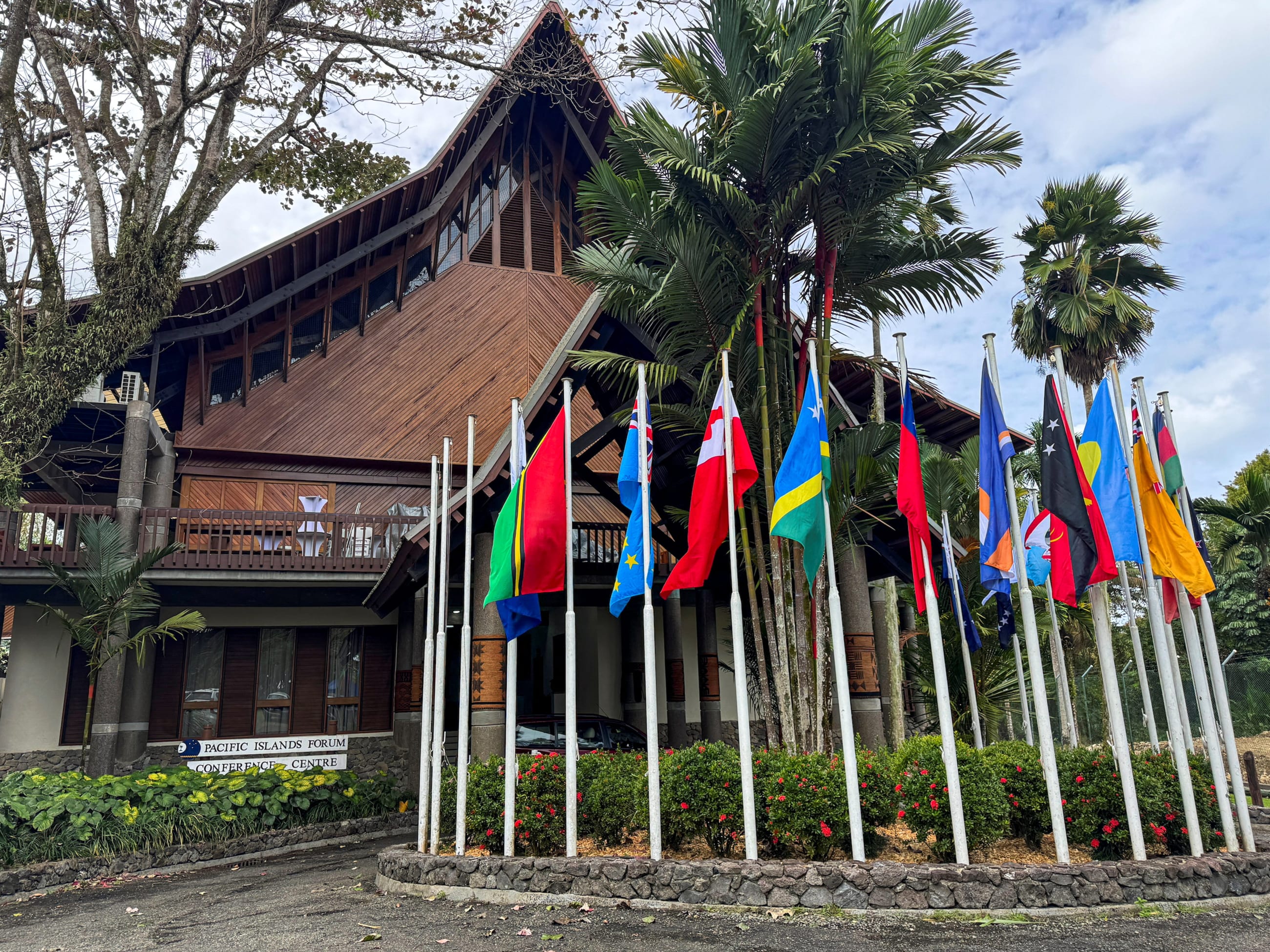
Debates on reforming the global health architecture tend to focus on which parties should make decisions about global health programming and who should fund it. A Pacific practice—talanoa—can help address another question that matters just as much: how organizations like the World Health Organization (WHO) can allow a diverse set of members to participate equally in the dialogues that shape decision-making.
At a 2024 meeting at the WHO Western Pacific Regional Office in Manila, a sobering signal emerged. A colleague hesitatingly told the room how hard it was to speak up about workplace harassment—for fear of retaliation, and of what it could do to a career. No compliance report or management dashboard would have told us that. There was no agenda: we sat in a large circle, facing each other, and actively listened. Nobody was there to judge. That conversation was our first talanoa, a traditional Pacific concept and practice of inclusive, participatory, transparent dialogue.
Pacific health leaders have been drawing on talanoa to confront emerging challenges such as climate change and noncommunicable diseases
Since 2024, following a painful period of unprecedented workplace challenge, and after the arrival of one of the authors—Saia Ma'u Piukala, the first WHO regional director from the Pacific—the Western Pacific Regional Office has made talanoa part of how it operates.
Talanoa is a markedly different way to bring colleagues together regularly at all levels. Within this space, the office acknowledges colleagues' concerns, appreciates their views, and encourages them to cocreate solutions.
After the initial talanoa sessions, some people asked for smaller groups, a less formal setting, and discussions without senior staff present. This feedback has informed the design of future sessions. Together, the members of the regional office have been building a respectful workplace where staff feel safe and heard.
A Pacific Gift to the World
For generations, Pacific communities have come together, sitting in circles on mats dedicated by the community to talanoa. Stemming from this, Pacific health leaders have been drawing on talanoa to confront emerging challenges such as climate change and noncommunicable diseases.
For instance, Piukala, who grew up in Tonga, regularly meets senior counterparts for informal talanoa on the margins of the UN General Assembly and other high-level international forums. Interpersonal relationships are highly valued in a region connected by massive oceans and shared vulnerabilities.
Global health confronts similar challenges today. Implementing the WHO Pandemic Agreement, governing artificial intelligence in health, and responding to increasingly complex health threats in an inextricably connected world requires more than technical expertise. It requires trust and the capacity to listen across differences. Talanoa can build that trust.
In Tonga, Piukala learned that talanoa is far more than just talking. In a talanoa, personal stories matter more than titles. People listen attentively—trying to control their reflexes to respond with immediate counterarguments—focusing on understanding each other, strengthening their relationships, and finding a way forward together. Piukala has carried that lesson through his career in medicine, public service, and global health.
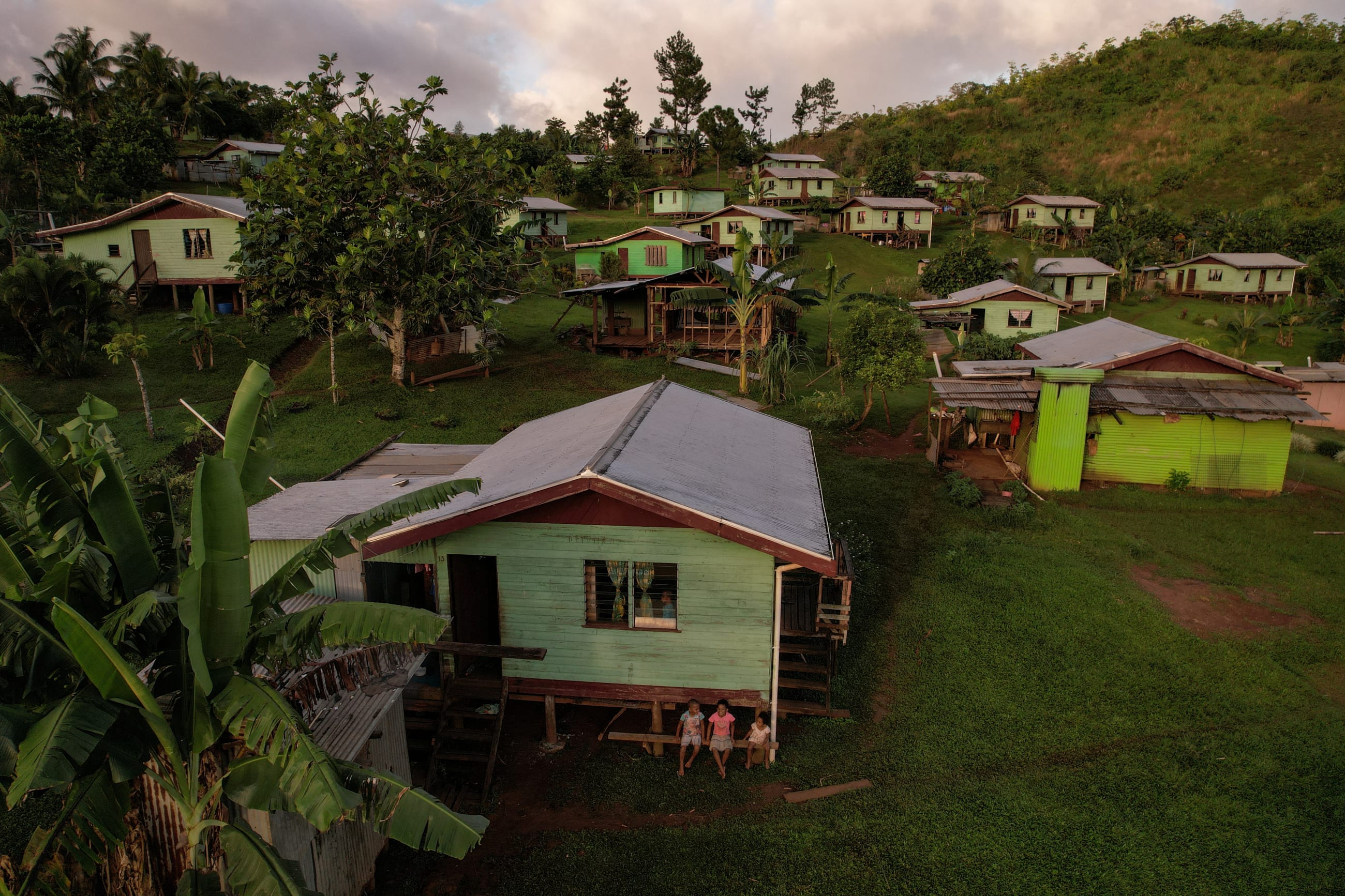
During a visit to the Solomon Islands, Piukala reserved an afternoon for talanoa with the WHO country team instead of conducting a formal briefing. Colleagues raised challenges in small groups, appreciating the undivided attention of the regional director. Some solutions emerged immediately, such as connecting a colleague directly with the right regional focal point to unblock a long-pending administrative request, while more complex issues, like career progression in a small office, remained unresolved. Piukala was honest about which concerns could and couldn't be easily addressed. Colleagues shared their reflections after the session, visibly appreciating the candor of the conversation, and knowing that their voices could influence decisions. That demonstrated the immense value of listening first and acting on what was heard.
From Pacific Wisdom to Organizational Practice
At WHO, talanoa does not replace formal governance or established decision-making processes but complements them. It creates a safe space for colleagues at all levels to speak up, raise concerns early—no matter how small—and share their perspectives that otherwise might not be heard.
As a result, hidden issues surface sooner, difficult conversations get easier, relationships are strengthened, and colleagues raise concerns before problems turn into crises. Researchers call this psychological safety. Harvard's Amy Edmondson, for instance, has shown that teams tend to perform better when people feel safe asking questions and voicing their concerns without fear. Talanoa builds that culture in practice without policy prescription.
Talanoa requires time to be embedded into an organization's culture. It is not a substitute for formal grievance channels. When serious concerns arise, they need to be taken to official channels and followed through on.
WHO's organizational culture team is interested in learning from our talanoa experience in the Western Pacific, feeding into WHO's global culture-change implementation framework.
Why Global Health Needs Talanoa Now
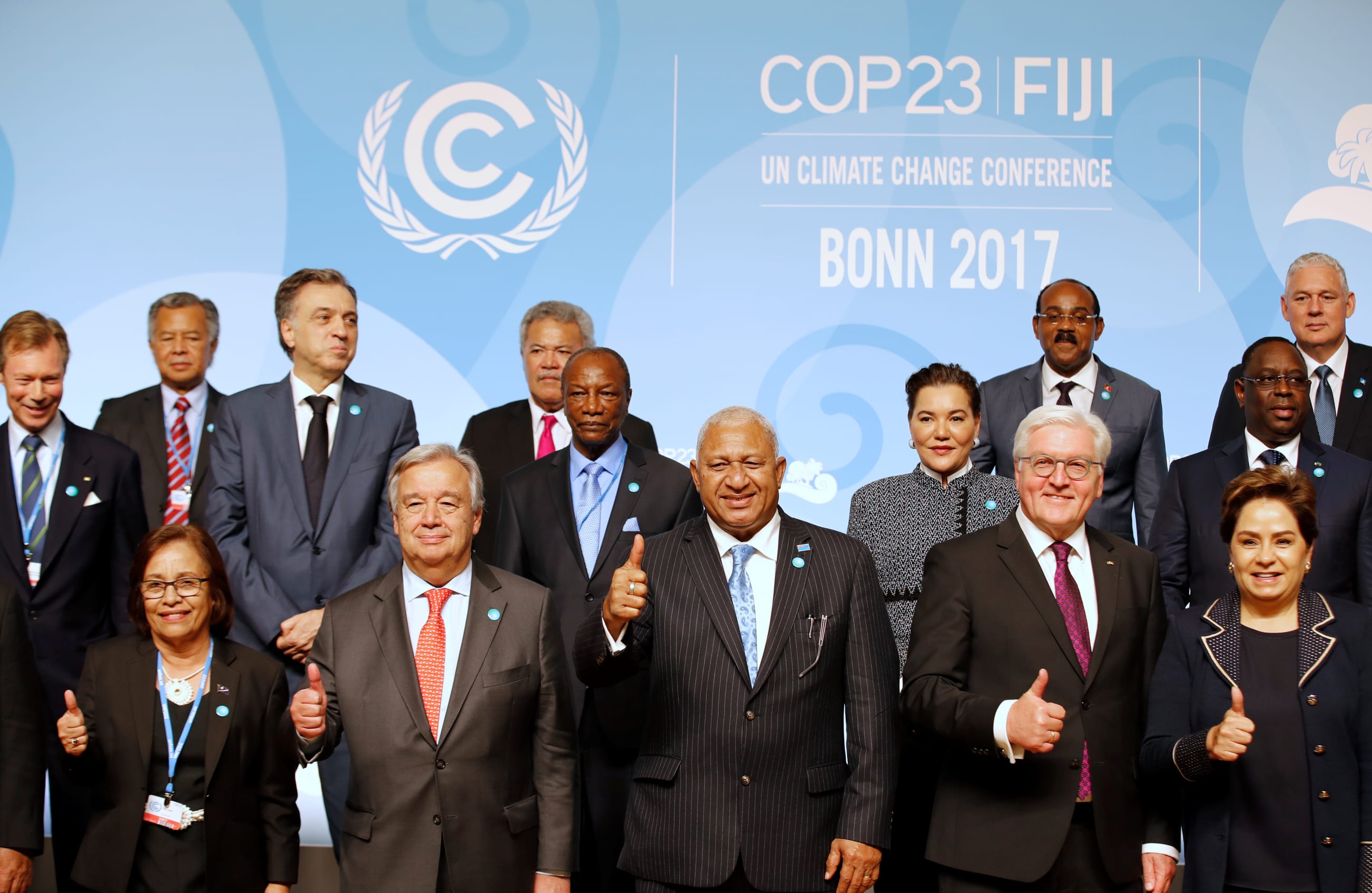
Fiji's Talanoa Dialogue, under its presidency of the Bonn climate summit (COP23) in 2017, is a practical example of how trust-based conversations can help navigate complex climate negotiations. Initially established under the Paris Agreement as a "facilitative dialogue," Fiji renamed and structured it as a talanoa dialogue. The approach changed climate talks by moving them away from rigid negotiations and toward more open, inclusive, trustful conversations. Its influence can still be seen at later climate summits to this very day.
But trust is not a given; it needs time to be earned. If people speak up and nothing changes, trust might erode further. Like a muscle, trust needs constant attention to remain strong and evolve. In difficult times, institutions tend to focus on structures and policies. These remain important. But outcomes are often shaped in informal conversations, before formal decisions are made.
Talanoa shows that when people come together, share their stories, and listen to each other, better decisions emerge. Any team can try it by allocating 90 minutes with no agenda, placing chairs in a circle, letting the most junior person speak first, and the most senior last.
As global health explores new ways to address increasingly complex challenges, a piece of wisdom from the Pacific passed down through generations deserves consideration beyond the region.
Progress begins by listening better, not by speaking louder.