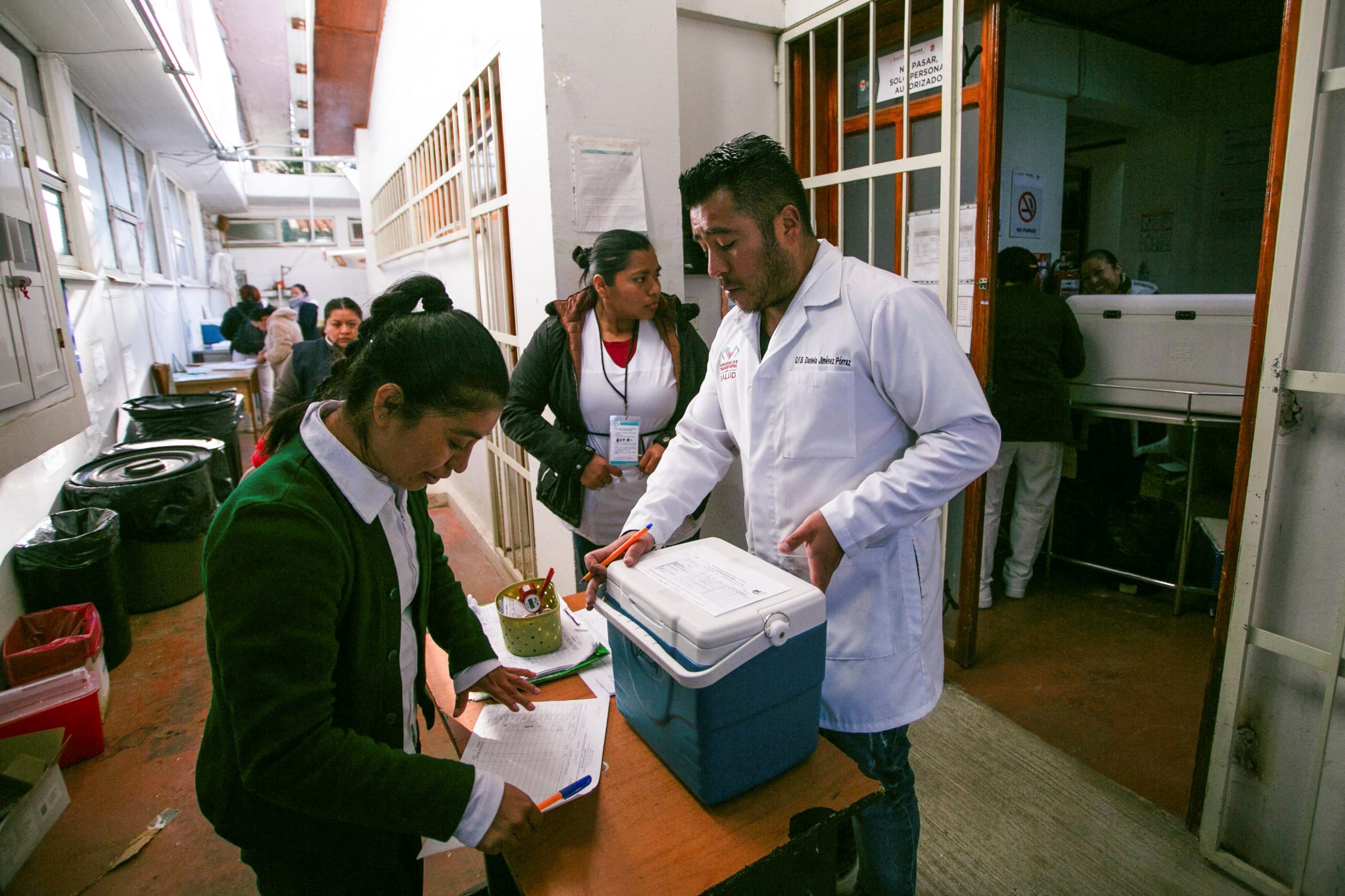
At a moment of shrinking resources, geopolitical uncertainty, and growing demands for efficiency, the call to reduce fragmentation and better align global health initiatives resonates widely.
Few would dispute that today's ecosystem is complex, costly to navigate, opaque in places, and often difficult for countries to engage with. This issue, though, is deeper than what's described in Think Global Health's article from January 7, "Transforming the Global Health Ecosystem for a Healthier World in 2026."
It is not only the language of reform that is technocratic, but the approach itself as well. Too often, discussions remain confined to institutional architecture, coordination mechanisms, and financing instruments, as if reform were primarily an organizational puzzle to be solved. This framing risks sidelining what is at stake.
The challenge facing global health today is not only organizational; it is also political, social, and deeply human. The crisis is not just about structures or budgets. It is about people, those whose lives are directly affected by funding cuts and reform proposals yet who have little say in how those reforms are designed. Ultimately, it is about the very soul of global health.
Consolidation Is Not a Synonym for Transformation
A dominant assumption underlying many reform proposals, including those advanced here, is that a greater institutional consolidation will naturally and virtuously lead to efficiencies and improved impact. Although this could sometimes be true, it is far from guaranteed. What often remains unexamined is who gets to define inefficiency and who ultimately decides what should be preserved, merged, or discarded in the name of reform.
In a context of funding cuts and heightened scrutiny, consolidation risks becoming less a carefully assessed strategy
In a context of funding cuts and heightened scrutiny, consolidation risks becoming less a carefully assessed strategy and more a convenient response to crisis, one shaped as much by power asymmetries as by evidence. Without transparent criteria and clarity on where the new architecture is negotiated, and who is invited to shape it, efforts to streamline the global health ecosystem risk reinforcing existing hierarchies rather than improving outcomes, especially if patients, communities, and frontline health workers remain largely excluded from these conversations.
The Think Global Health article of January 7 suggests reducing the number of international health organizations through mergers or institutional integration, for example, by consolidating certain global health initiatives or integrating partnership mechanisms into larger multilateral structures. In practice, however, larger organizations often entail higher coordination costs and more complex governance arrangements, absorbing political and managerial energy that can come at the expense of agility and innovation. Scale, in itself, does not automatically produce effectiveness.
By contrast, smaller or more specialized organizations have often been better positioned to experiment, adapt quickly, and respond to emerging challenges. Much of global health progress has been driven by small teams and community-based organizations inspired by what might be called realistic utopias, pragmatic yet ambitious efforts to overcome intellectual property barriers, expand access to treatment, or design services tailored to populations systematically left behind. For example, for more than two decades, the relatively small team behind Doctors Without Borders' Access Campaign has played a major role in challenging intellectual property barriers and accelerating access to essential medicines in resource-limited countries. Treating consolidation as a technical fix rather than a political and organizational gamble risks overlooking these trade-offs.
Reform should therefore be judged not by how streamlined institutions appear on paper, but by how well they preserve the conditions that allow innovation and responsiveness to thrive where they matter most.
Reforming Supply While Ignoring Demand and Rights
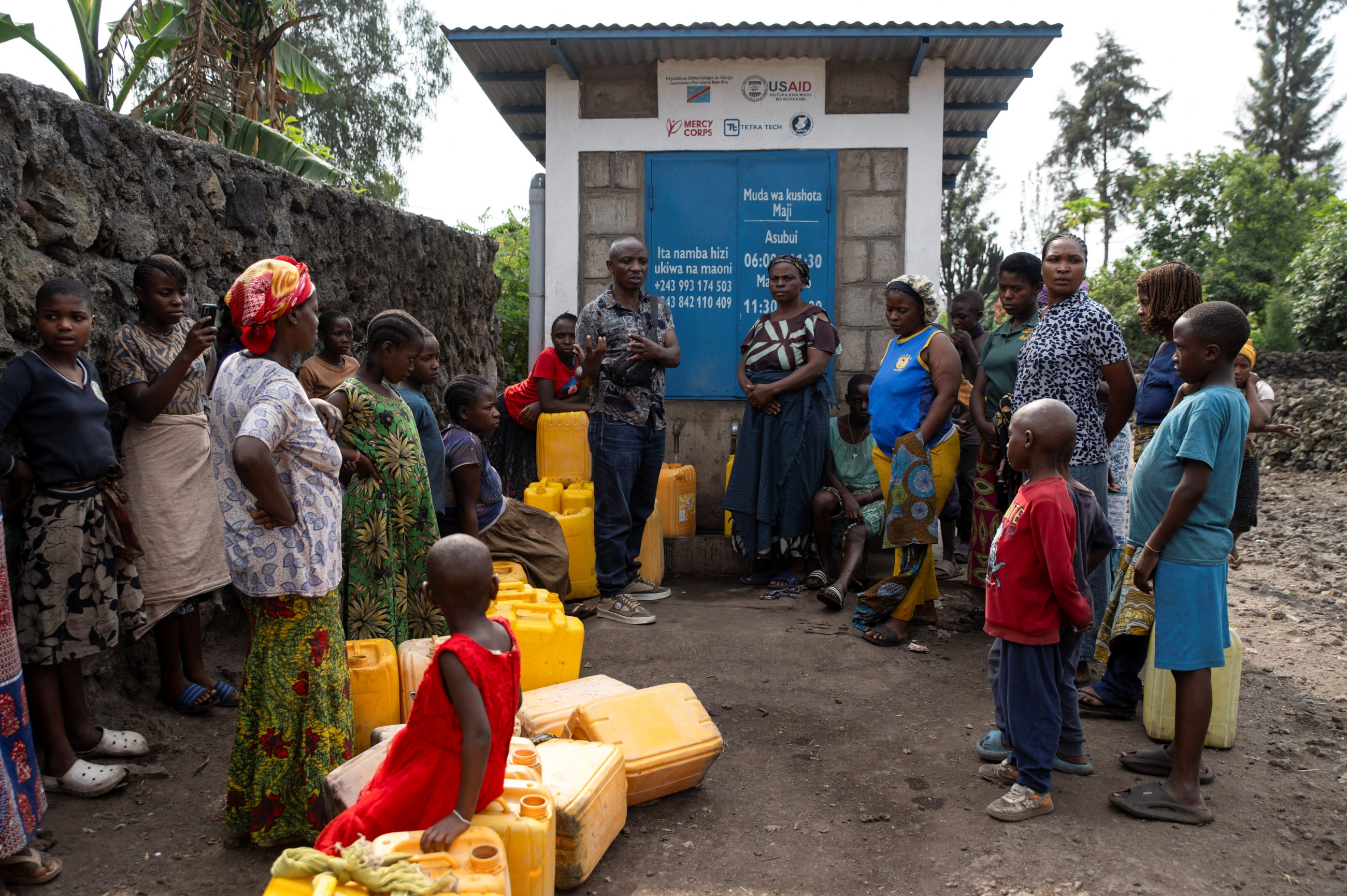
Another striking omission in many discussions on global health reform, including the noted Think Global Health article, is the near absence of demand-side perspectives. Proposals tend to focus on how health services and products are financed, delivered, and coordinated but to pay little attention to how populations experience health systems or what they expect from them.
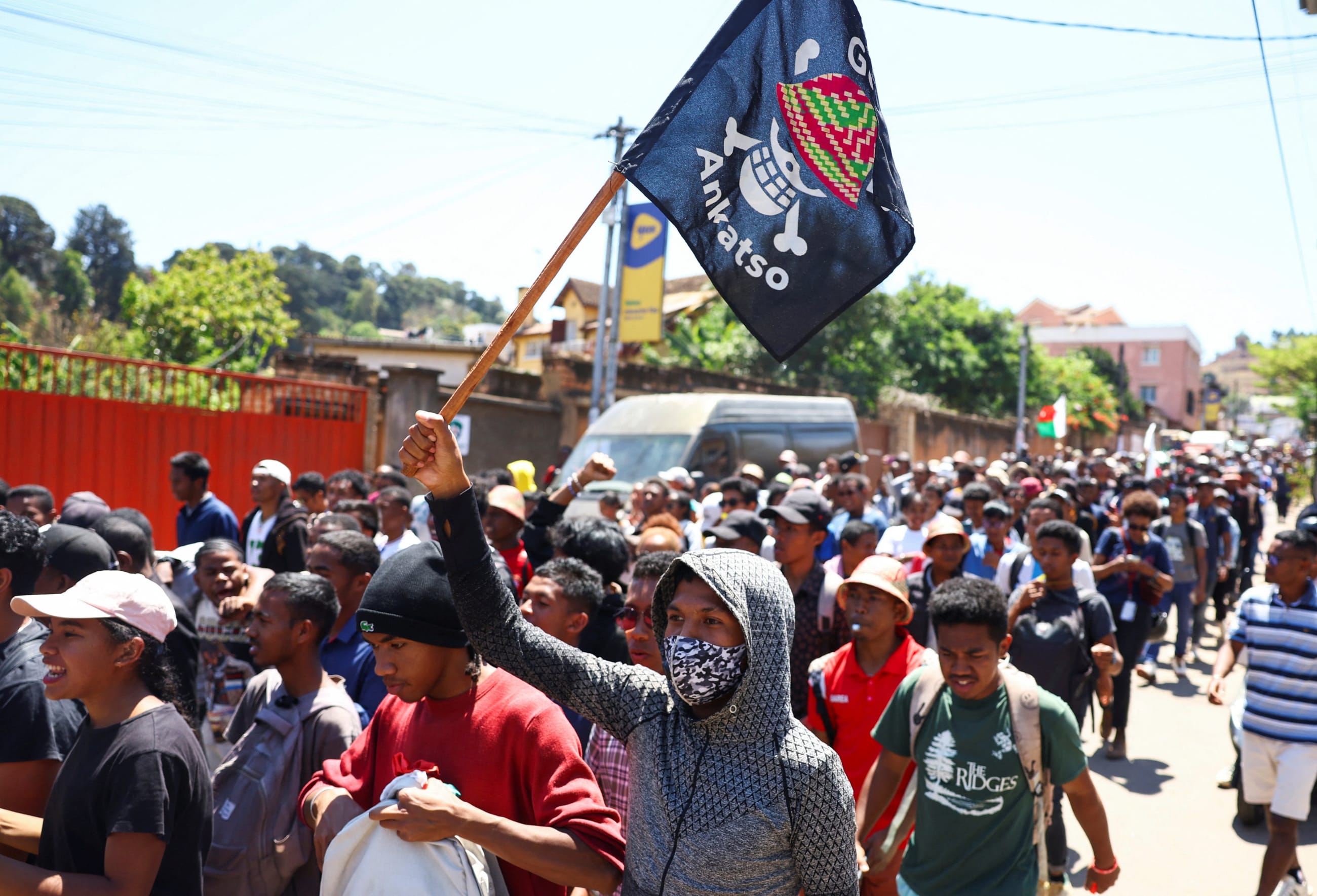
Failure to address this is increasingly difficult to justify. In many countries, particularly among younger generations, access to quality health services has become a visible social and political demand. This is evident in the discourse surrounding the Gen Z uprisings in several countries, among them Morocco, Nepal, or Madagascar. For them, as for others, health is no longer viewed merely as a technical sector, but also as a reflection of whether institutions respond to people's needs, respect their dignity, and are accountable to the communities they serve.
Closely linked to this trend is the limited attention paid to human rights. For decades, global health actors have acknowledged that legal, social, and political barriers—such as criminalization, stigma, discrimination, and exclusion—directly undermine access to prevention and care. Yet these structural barriers, including practices that deny access to evidence-based services such as safe abortion care or appropriate support for people who use drugs, remain marginal in reform discussions focused primarily on efficiency and alignment.
Notably, the article refers to nongovernmental organizations primarily in the context of "circumventing national priorities" or privileging short-term gains. Alignment with national strategies is essential, but this framing risks overlooking the historic and ongoing role of civil society and community-based organizations in advancing access to treatment, overcoming legal and intellectual property barriers, and reaching populations systematically excluded from formal systems. Ignoring rights, and the actors who have often defended them, does not make health systems more effective; it makes them less equitable.
Any serious attempt to transform the global health ecosystem needs to address the conditions that prevent people from using existing services and to embed meaningful community participation in the design and monitoring of health policies from the outset, particularly at a time when rights-based approaches are increasingly challenged or rolled back in several political contexts.
The Missing Foundation: Human Resources for Health
Perhaps the most puzzling gap in current reform narratives concerns human resources for health. Although frequently acknowledged in principle, the health workforce remains largely absent from concrete reform proposals and strategic priorities. This marginalization is striking, given that health workers are not simply another system component but the foundation on which service delivery, integration, and system resilience depend.
Across nearly every region of the world, shortages, uneven distribution, migration, burnout, and declining morale constrain health systems far more than institutional fragmentation alone. No amount of coordination between global initiatives can compensate for the absence of trained, supported, and adequately remunerated health workers, particularly in public and not-for-profit systems.
The contrast is striking when compared with the growing emphasis on health products and technologies. Supply chains and manufacturing capacity are undeniably important, but they cannot substitute for the qualified people required to prescribe, administer, monitor, and support the appropriate use of those products. Reform efforts that prioritize commodities while sidelining the workforce risk addressing symptoms rather than structural constraints, and excluding health workers from the very tables where reform decisions are made.
A Top-Down Vision That Avoids Uncomfortable Realities
Finally, despite the diversity of voices involved, many reform proposals retain a predominantly top-down perspective. Certain politically sensitive but structurally important issues remain largely unaddressed.
Corruption—whether linked to procurement, regulation, or political interference—continues to undermine health systems at multiple levels, albeit through different mechanisms in high-income and resource-constrained settings. Power asymmetries between donors, international institutions, pharmaceutical actors, and recipient countries continue to shape priorities in ways that are rarely neutral yet often acknowledged only indirectly, if at all.
Similarly, loan-based financing for health is frequently presented as a positive and scalable solution, and discussion of its constraints is limited. For countries facing severe debt burdens, borrowing is no longer a viable option, and the long-term implications of loans for health spending remain inadequately examined. Treating financial instruments as apolitical tools obscures their real consequences.
Toward a More Complete Global Health Reform Agenda
The question, then, is not whether the global health ecosystem should be reformed—on that point the January 7 article is right—but how. Institutional alignment and coordination matter, particularly in times of constrained resources, but they are not substitutes for addressing demand, rights, workforce realities, and political economy. Experience across countries and regions has shown that reforms grounded solely in architecture rarely deliver lasting change if they fail to engage the people and systems meant to carry them forward.
A meaningful reform agenda would place people, not institutions, at its center. Where communities have been meaningfully involved in shaping health services, where health workers have been supported as agents of change rather than treated as delivery inputs, and where accountability mechanisms have been taken seriously, reforms have proven more resilient and more legitimate.
At a moment when global health is under unprecedented pressure, from funding cuts to rising social expectations, reform should aim not only to simplify structures, but also to strengthen relevance, legitimacy, and trust at country and community levels. This is critical in contexts where political and ideological pressures increasingly shape what can be funded, delivered, or even named in health policy and programming. Broadening the debate is not a distraction from reform; it is a condition for ensuring that reform responds to lived realities and delivers lasting, lifesaving returns.