This past August, highly pathogenic avian influenza (H5N1)—a form of bird flu with a historically high human case-fatality rate—was detected on an American mink farm for the first time.
A newly released tranche of communications [PDF] obtained through a public records request reveals that authorities hadn't planned for this scenario, nor did they take swift action to stop the spread. One state official noted, "our only options at this point are to watch them die or get emergency vaccine approval." By all indications, vaccines have not been provided by the U.S. Department of Agriculture (USDA), and at least 80% of the farm's mink are expected to perish.
Scientists have spent years sounding the alarm about the danger that mink farming poses to humans
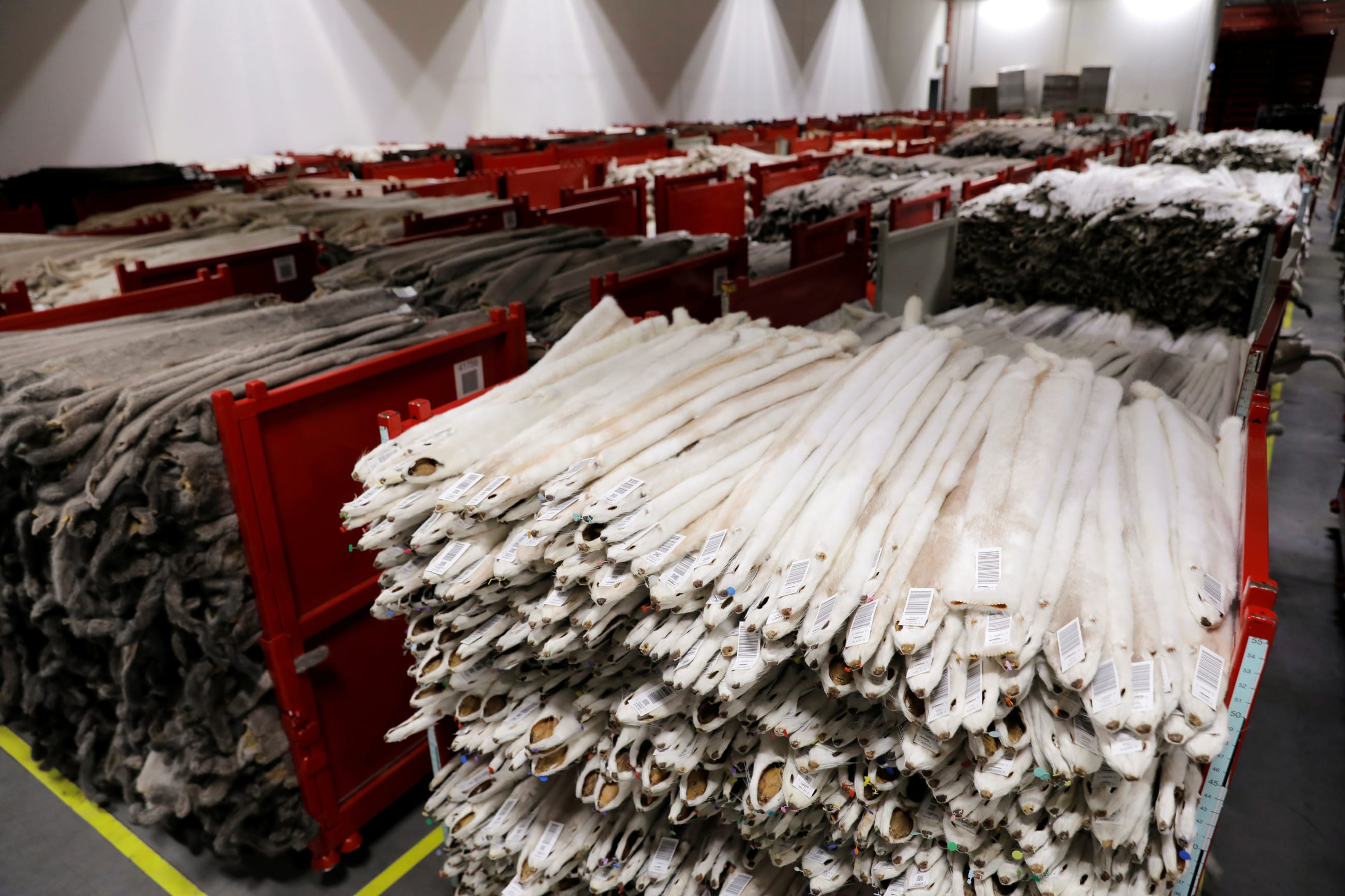
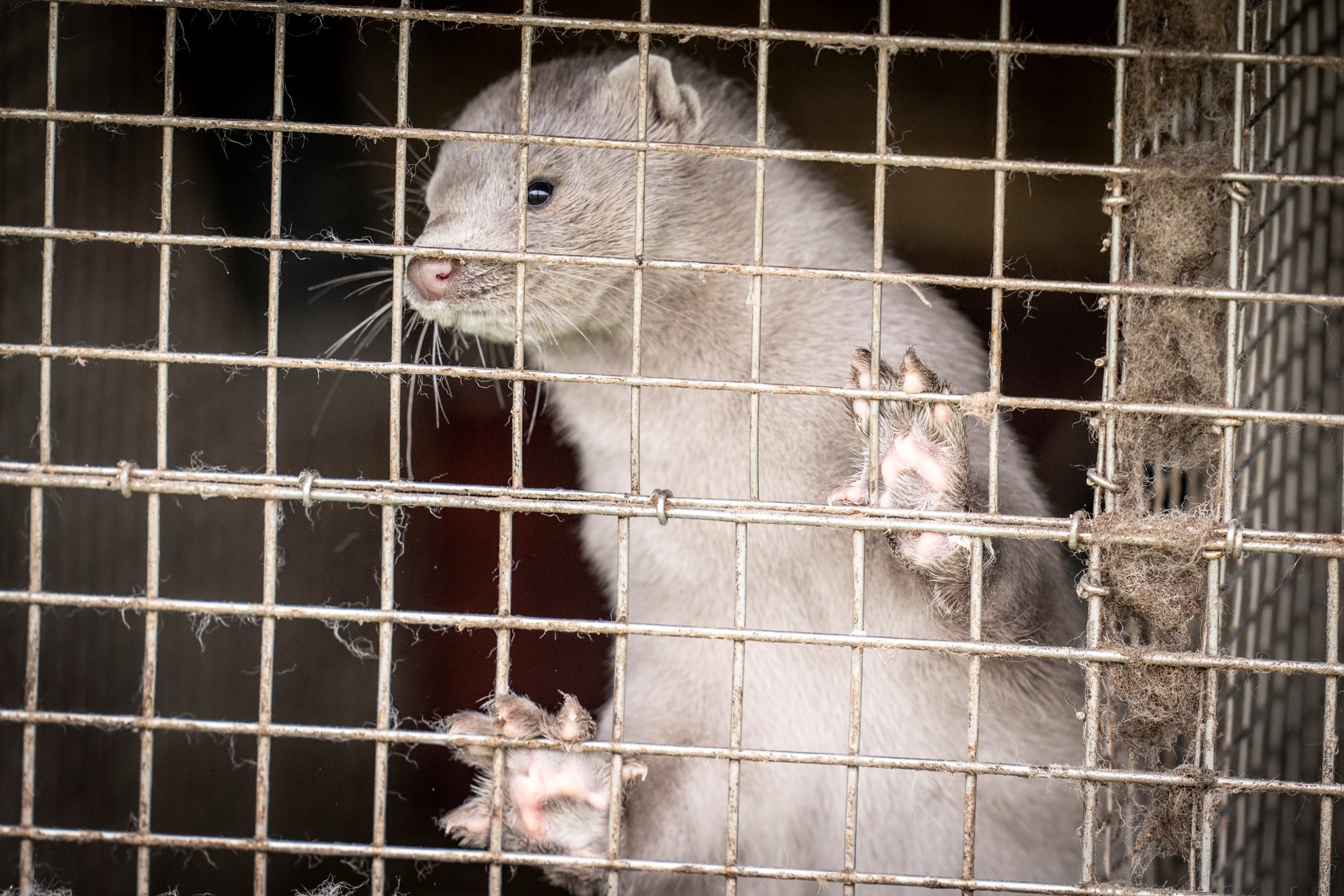
Scientists have spent years sounding the alarm about the danger that mink farming poses to humans. Mink farms—unsanitary and often cruel facilities that exist only to produce fur for fashion products—are industrial-scale petri dishes. Mink are susceptible to a wide range of pathogens carried by humans, other mammals, and birds alike. When thousands of genetically similar and stressed mink are packed into a small space, viruses replicate and spread quickly, increasing the chances that a more dangerous strain could infect farmworkers, migratory birds, or other animals.
Now, some federal legislators are looking to expand mink farming in the United States. The federal Farm Bill, a multiyear, large-scale legislative package that sets food and agriculture policy, is currently winding its way through Congress. One surprising clause can be found in both the House and Senate versions: lawmakers want to repeal a nearly 30-year ban on using federal funds—the hard-earned money of the American public—to expand and promote mink fur exports. This would be a big mistake.
Many American policymakers have spent the past six years arguing that gain-of-function experiments, whereby researchers intentionally enhance viral abilities, are too dangerous to fund; concern is also growing that new bioweapons could be designed using artificial intelligence. Meanwhile, lobbyists have convinced lawmakers to turn a blind eye to the unregulated "natural" experiments happening inside mink farms across the country, and to fund even more of them.
Fur Farming and Disease Spread
Disease spread in mink farms has put humans at risk before. In 2020, two people in Michigan fell ill with a mutated strain of the virus that causes COVID-19 that likely circulated on a mink farm. Even more concerning were the hundreds of people in Denmark—then the largest producer of fur in Europe—who fell ill with mink-related strains of the COVID-19 virus. One health official even warned that continued mutation in mink could jeopardize vaccine development, rendering them ineffective against new strains. Danish authorities pursued the most aggressive course of action: temporarily banning mink farming and slaughtering some 17 million mink. In a frightening twist, mink carcasses soon began emerging from their graves, as gas from their decomposing bodies pushed them out of the shallow pits where they had been buried.
H5N1, likewise, has spread in captive mink, foxes, and raccoon dogs on dozens of fur farms in Europe. During an October 2022 outbreak in Spain, the virus appears to have gained at least one mutation that favors mammal-to-mammal spread, allowing it to spread from one mink to the next. One scientist called this event "a warning bell." The response, again, was decisive: 50,000 mink were killed and their carcasses destroyed, and exposed farm workers were quarantined.
These outbreaks, coupled with concerns about animal welfare, have hastened the decline of fur farming around the globe. The European Union, for example, was once a fur-farming powerhouse. However, as of 2024, EU fur farms generated only about €180 million ($201 million) in sales—on par with the European video rental sector—representing a 92% decline from the previous decade. Twenty-four of 27 EU member states have since enacted bans or restrictions on the industry, and the European Commission is currently considering an EU-wide ban.
Mink farming in the United States is decidedly less regulated, and has limited disease surveillance. This is especially concerning for public health officials because mink are susceptible to influenza virus infections from both birds and humans—meaning they can serve as a mixing vessel from which a new pandemic flu virus emerges.
Meanwhile, the American mink farming industry is on the decline. Production has plummeted 80% since 2015 [PDF], and there are less than 70 mink farms remaining within our borders; most are in Wisconsin, and Utah comes in second. With prices declining steeply over the past decade and leading fashion brands rallying around fur-free fashion, the industry is currently on life support.
The Effort to Revive U.S. Mink Farms
Congress is now trying to resuscitate the industry using American tax dollars. Although there are plenty of differences to be hammered out between the House and the Senate versions of the Farm Bill currently under consideration, both propose that U.S. mink farms be subsidized.
It's wasteful to use public money to prop up a dying industry that supports few jobs. To make matters worse, this financial support would bolster a dangerous industry that incubates diseases with pandemic risk. There is still time to strip the mink provision before consideration of a final version of the Farm Bill, which needs to pass before the end of the year, when the current session of Congress concludes.
That should be the bare minimum: the responsible course of action would be to join many European counterparts and ban fur farming in the United States altogether. Half-measures, such as increasing the size of cages, cannot mitigate welfare concerns on fur farms, and they certainly can't remove their inherent health risks.
States need not wait for Congress to do the right thing, either. They can enact policies now that phase out fur farming while financially supporting farmers as they exit an unprofitable industry. Doing so would prevent the spread of pandemic potential pathogens on additional fur farms.
There is not one coat in the world worth a human life—or our tax dollars.