When the U.S. government adopted the America First Global Health Strategy more than a year ago, it upended the global health governance architecture it had led and shaped since World War II.
This U.S.-led governance has long faced criticism—including for imposing donor-driven priorities and treating recipient countries as sites of interventions rather than real partners—but it has also achieved remarkable success, including eradicating smallpox, beating back polio, and establishing a global response to the HIV pandemic. U.S.-funded research has also generated new technologies and interventions such as community health worker models, oral rehydration therapy, and skin-to-skin contact for infants and mothers that have benefited both Americans and people abroad. These collaborations have reinforced that the conditions that drive poor health—such as limited access to health care and poverty—are found in countries of every income level. When researchers work to find and adapt solutions that can improve health across borders, they engage in a process of reciprocal innovation.
U.S.-based global health researchers can thus look to reciprocal innovation to make the case that global health research can be part of an America First strategy
Arguing that one should support health research in other countries to benefit nationalist goals remains a moral challenge, but if global health research is to continue to be funded by the United States and other governments, researchers will need to answer for how their work is benefiting the taxpayers who are funding it. Linking global health research to universal determinants of health, showing how reciprocal innovation leads to health improvements at home and abroad, is one way to respond to the ongoing political challenges in financing global health research.
U.S.-based global health researchers can thus look to reciprocal innovation to make the case that global health research can be part of an America First strategy when it focuses on solutions to the universal causes of health disparities that can benefit Americans as much as those across borders.
Lessons from Ghana
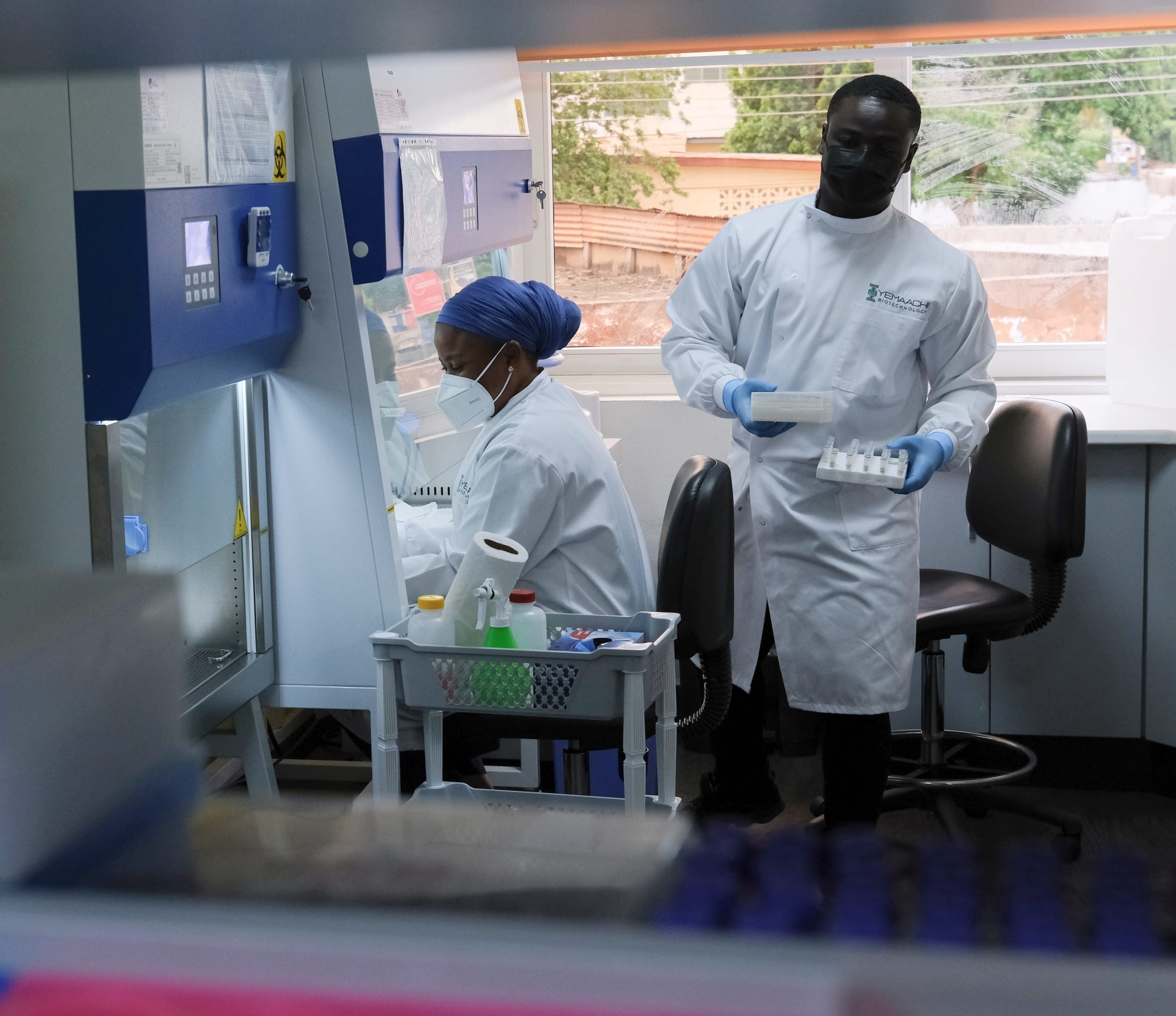
A clear example of reciprocal innovation comes from research on a task-shifting strategy for hypertension control (TASSH) in Ghana as part of the Global Alliance for Chronic Diseases, which took place from 2012 to 2016. The TASSH trial found that a nurse-led task-shifting strategy—in which trained community health nurses conducted cardiovascular risk assessments, provided lifestyle counseling, and initiated antihypertensive medications—yielded greater reductions in systolic blood pressure. In a country with a shortage of trained health-care workers, this strategy offered a scalable solution for hypertension control. Another study, known as the ALTA trial (Advancing Medication Adherence for Latinx with Hypertension through a Team-based Care Approach), looked at how a similar strategy could be scaled in the United States.
People served by the community health centers in the TASSH trial and those in the federally qualified health centers in the ALTA trial face the same barriers of physician shortages, dependence on public insurance, transportation instability, low income, high rates of uncontrolled hypertension, and other social needs. Recognizing those shared challenges, the United States adopted the intervention's core architecture: Hypertension management shifted from physicians to nurses under a standardized protocol of cardiovascular risk assessment, lifestyle counseling, and antihypertensive medication management.
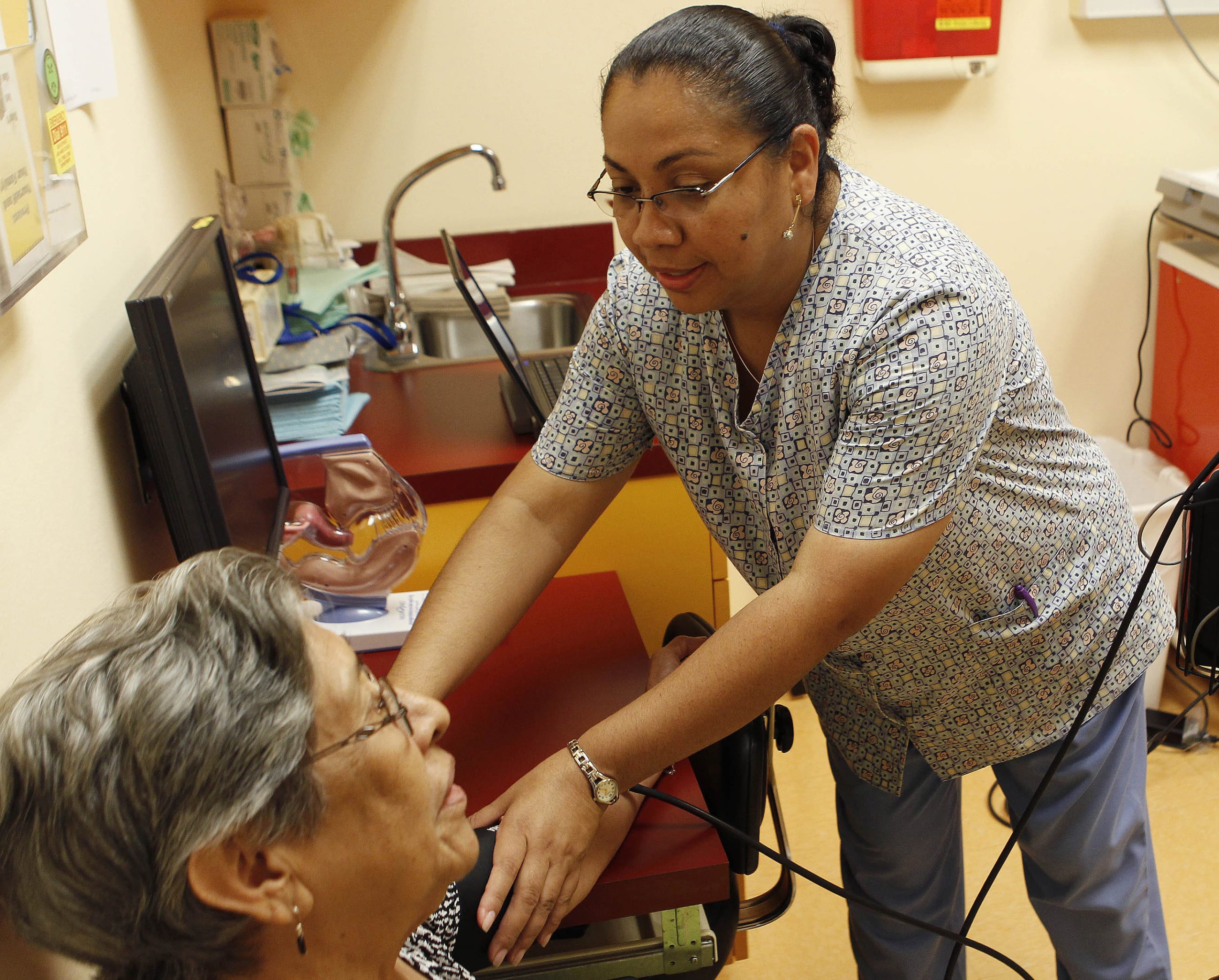
By building on a lesson learned from Ghana—that counseling alone cannot overcome the health-related social needs to improve hypertension control—the corresponding ALTA study strengthened counseling services by adding practice facilitation to integrate community resources into routine clinical workflows. Some of the ALTA study interventions—including nurse-led virtual clinics, free Bluetooth blood pressure cuffs, and the clinical decision support tool that flags eligible patients—have become part of routine care at the Family Health Centers in Brooklyn. The intervention was not simply transported across borders, but also reengineered in response to the empirical lessons of the original trial. That is the defining feature of reciprocal innovation.
Setting the Global Health Research Agenda
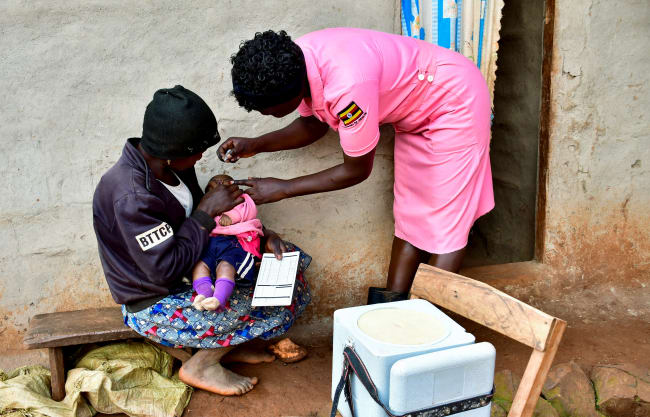
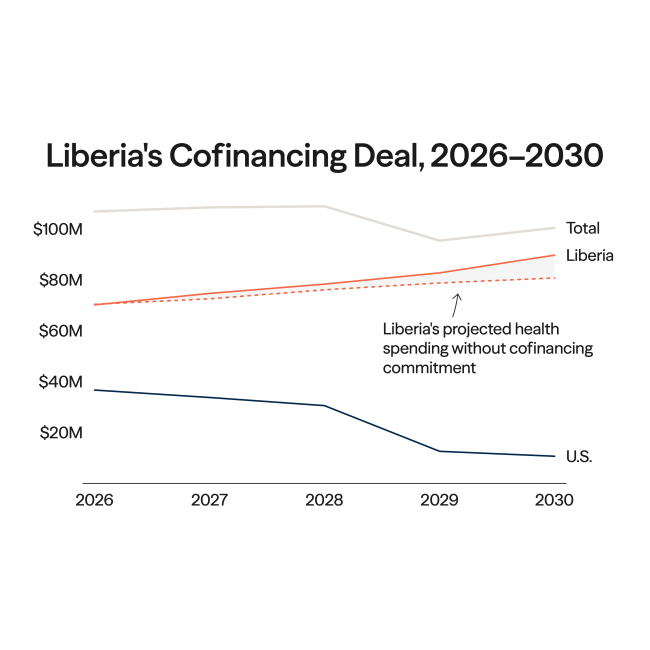
Under the America First Global Health Strategy, the United States has relinquished its leadership role in global governance and diminished its capacity to collaborate. This new strategy has narrowed health assistance to initiatives that directly advance U.S. priorities, shifted engagement toward short-term bilateral agreements, and proposed further reductions in U.S. health assistance in the years to come. The sudden freeze and cancellation of U.S. grants and international research projects have unraveled public health programs that had been supporting child and maternal health, vaccination campaigns, and HIV prevention, among others, harming communities across the world.
As the United States and other large donors scale back their support of this long-standing cooperative architecture under the United Nations, future outbreaks could become bigger and harder to control. The world faces a new era of public health emergencies without U.S. global health leadership, posing a greater threat to everyone, including Americans.
Amid rising international divisions in global health, global health professionals need to advance a research agenda focused on the universal determinants of health that affect people everywhere. Research should address the health disparities caused by differences in income, education, the built environment, and access to and affordability of health care. These inequalities are found in wealthy and poor countries alike, and progress toward reducing them is uneven, indicating that more work remains everywhere.
Examples such as task-shifting interventions for hypertension in Ghana show that global health research that investigates solutions to universal determinants of health can give communities abroad—and in the United States—the tools to adapt the most promising solutions to improve health, no matter where they were discovered.
In reframing these global health policy debates for a healthier future, researchers at universities have an additional responsibility to train the future global health workforce and leaders to engage in political debates, recognizing the political nature of public health and preparing students to confront political challenges. Future global health leaders need to make the case for global health investments, explaining to the public and to policymakers, in donor and recipient countries alike, how global health programs and research offer health benefits to their constituencies, including through reciprocal innovation. Global health researchers need to present their evidence in the ways that affect policymaking. That evidence should be more than just numbers, because political advocacy is most effective when evidence goes beyond statistics and includes individual stories of health impact and the moral arguments that inspire and resonate with national values.
Engaging in today's political conversation requires emphasizing one side of reciprocal innovation's benefits depending on the audience—appealing to the national interest in place of health equity—yet the work to address universal determinants of health is still moving us toward realizing a human right to health. Focusing on universal determinants of health and a vision for translating research outcomes across borders, global health researchers and professionals can build the political case for more global health research funding and more health investment globally.

AUTHORS' NOTE: Gbenga Ogedegbe receives funding from the NIH, AstraZeneca, and Mineralys. Salma Abdalla's research has been funded by Bloomberg Philanthropies, NIH, the Rockefeller Foundation, the Robert Wood Johnson Foundation, and the World Health Organization.