Millions of Americans are likely to lose Medicaid [PDF] as new federal work requirements are scheduled to go into effect on January 1, 2027, part of the One Big Beautiful Bill Act (OBBBA).
Like many other Americans, residents of American Samoa—a U.S. territory made up of five inhabited islands and two uninhabited coral atolls located south of Hawaii—are facing steep funding cuts in their territory's Medicaid program, threatening health services in the territory and its burgeoning efforts to prevent chronic disease. However, American Samoa's looming Medicaid reductions are not due to the OBBBA, because the territory's Medicaid program is exempt from work requirements. Instead, American Samoa's residents may lose access to essential health care because the territory's legislature slashed its budget, decreasing local funding for Medicaid by 50%.
Less money available for Medicaid means fewer services could be offered in the U.S. Pacific territory
American Samoa has a unique provision where everyone who meets citizenship, residency, and age requirements is considered eligible for Medicaid and the federal Children's Health Insurance Program (CHIP). For the 2021 fiscal year, roughly 3 out of 4 people were eligible for Medicaid and CHIP among American Samoa's nearly 49,000 residents. American Samoa has high rates of certain chronic diseases, including diabetes and heart disease. With a median household income of $28,352 per year, residents often rely on Medicaid to access medical care, which can be prohibitively expensive if they have to pay out of pocket.
Limited Local Health Care Means Residents Often Fly Elsewhere to Obtain Essential Health Services
For the 2027 fiscal year, American Samoa's legislature passed a budget that reduced local funding for Medicaid from $6 million to $3 million. Medicaid funding from the federal government is contingent on states' and territories' contributions—also known as local match funding. American Samoa's budget cuts threaten access to the territory's full federal Medicaid funding of nearly $90 million.
Less money available for Medicaid means fewer services could be offered in the U.S. Pacific territory. Payments to providers could be delayed. General programs and screenings could end. Newly added initiatives might have a hard time getting started, including 2026 state plan amendments that approved licensed practitioners for behavioral health, including clinical psychologists, social workers, and therapists, as well as adult care and in-home personal care services.
Many residents have to fly outside the territory to obtain the medical care they need. For example, people have to travel elsewhere to access care for heart disease, as American Samoa has no cardiologists.
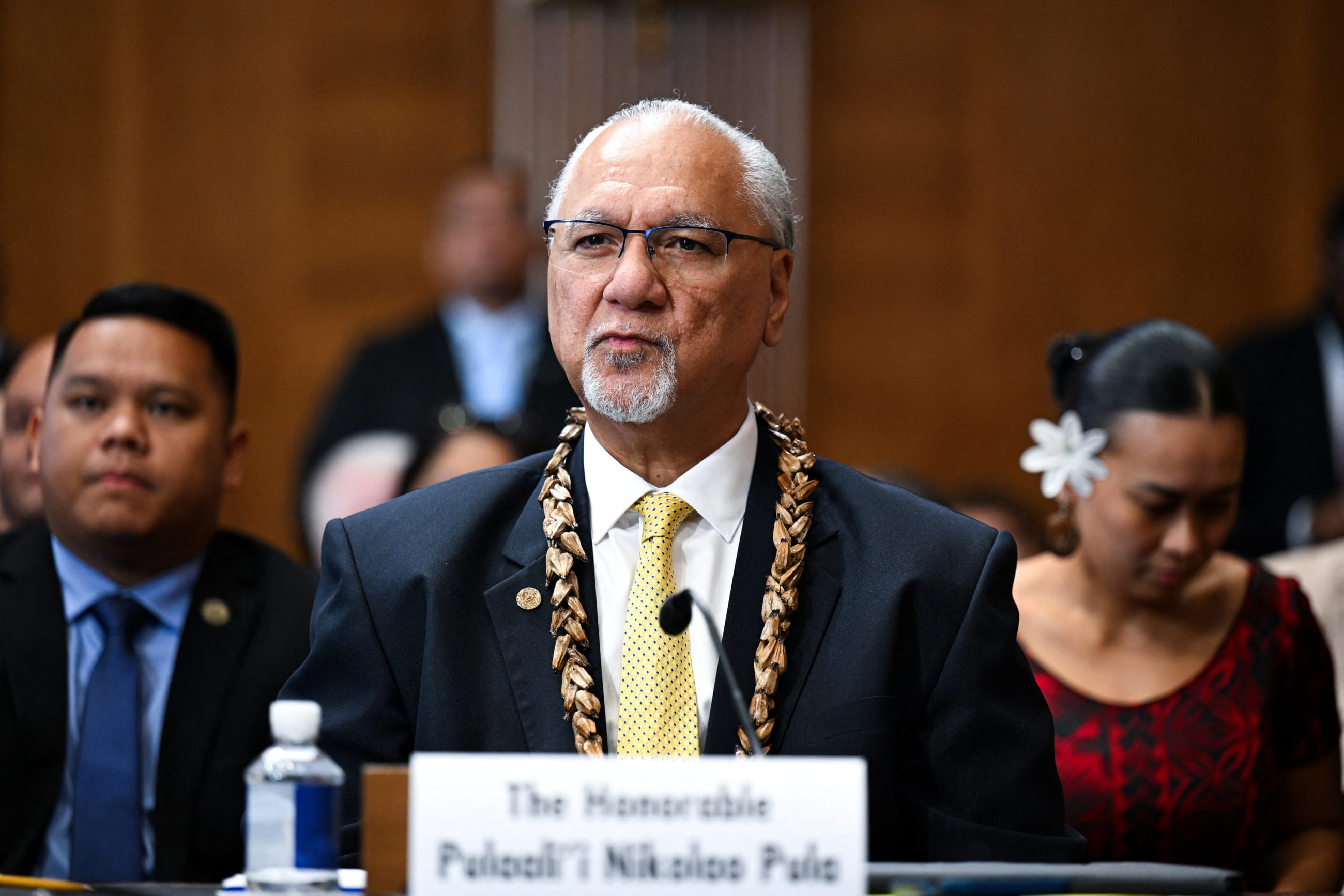
"Geographically, we are very isolated," said Fa'asaviliga Austin Asiata, deputy director of the American Samoa Medicaid State Agency. "Because we only have one hospital, we are very limited with what we can do here on-island, and that's why we have the off-island medical referral program."
Through this off-island referral program, Medicaid works with the Lyndon B. Johnson (LBJ) Tropical Medical Center hospital to cover costs that include airfare, lodging, ground transportation, and medical bills for patients who travel to either Hawaii or New Zealand to see providers who are not available on the island.
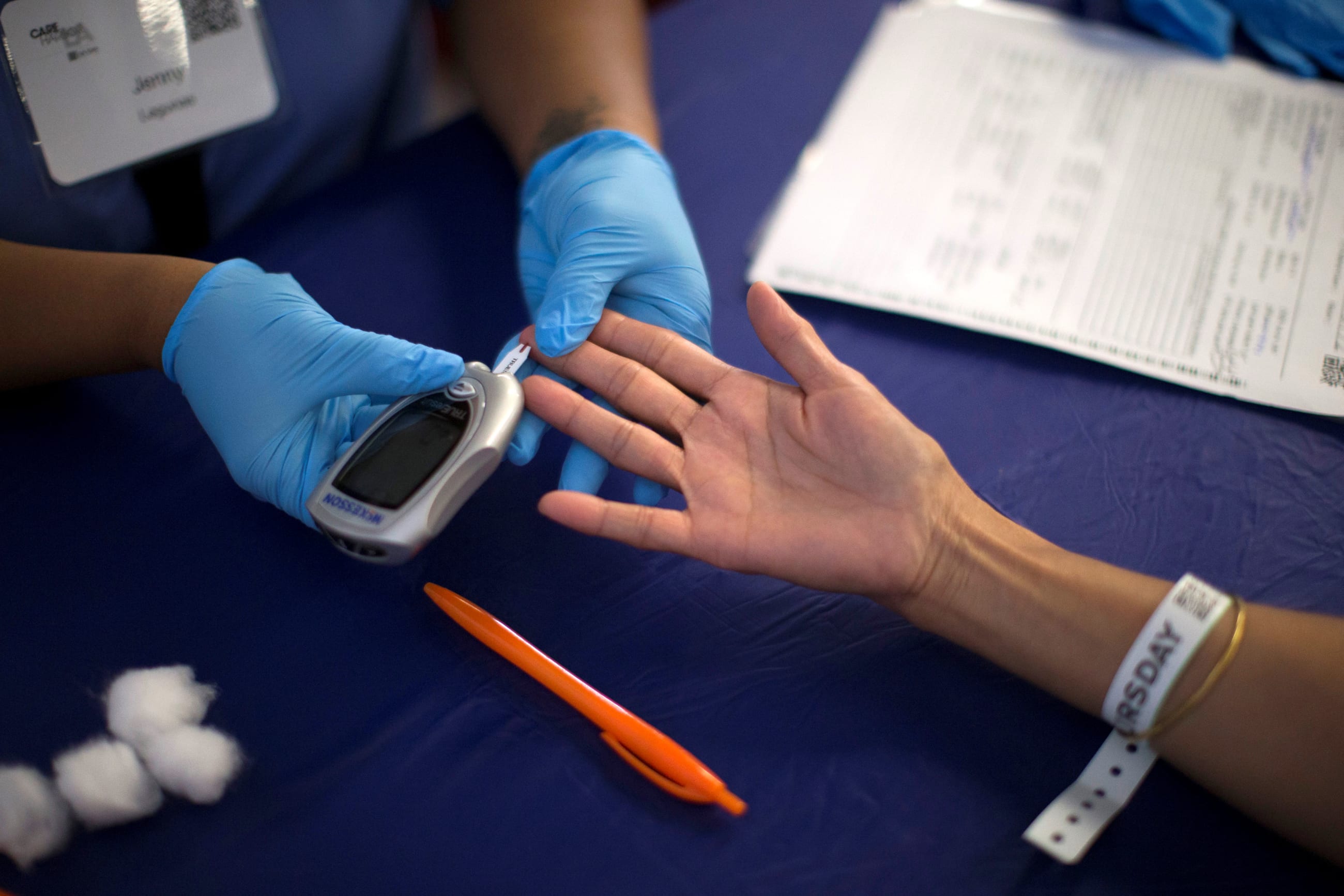
Residents of American Samoa have experienced Medicaid disruptions in the past. Medicaid ran out of local match funding in March 2024, which ended the off-island referral program for the rest of that fiscal year. Paying for care outside of American Samoa can be expensive. An October 2026 press release from the American Samoa U.S. congresswomen's office said covering costs for a prostate procedure off-island amounted to nearly $10,000 per person, which represents more than a third of the territory's median household income.
Medicaid Has Funded Expansion of Local Health Services in American Samoa
To provide more health-care access in American Samoa, the Medicaid agency has added providers in recent years. The territory's Medicaid program began in 1983 with the LBJ hospital as the only provider, and it's still the island's only hospital.
Now Medicaid also works with the American Samoa Department of Health, and with private providers for medical supplies, prosthetics, vision care, dental and orthodontic treatment, dialysis, and a care home for aging populations.
Medicaid funding supporting more local services could lead to improved health outcomes, as happened in another U.S. Pacific territory, the Northern Mariana Islands. With increased Medicaid funding, the Northern Mariana Islands opened an oncology center in 2020. According to a Commonwealth Healthcare Corporation report, the number of patients [PDF] sent overseas for oncology services dropped from 291 in 2019 to 17 by 2020.
Alex Wheatley is the senior director on the island support team at the Association of State and Territorial Health Officials. The team supports policy and specific needs for U.S. territories, which covers territorial Medicaid. Wheatley said island health systems can support prevention, but they need consistent and sufficient funding to do so.
"If you run out of funding, you can't effectively plan or offer prevention," Wheatley said. She added that focusing on prevention could help island health systems address chronic diseases.
Medicaid Cuts Threaten to Halt Chronic Disease Prevention Programs
American Samoa has some of the highest levels in the world of certain chronic diseases. For example, World Obesity's latest survey from 2024 ranked American Samoa number one in adult obesity for both men and women. To address noncommunicable diseases, American Samoa's Medicaid agency is focusing more on prevention, funding more preventive care providers, and raising awareness about their services. But given the recent local budget cut, funding could run out, ending Medicaid's ability to cover these services just after they began.
According to the Pacific Regional Comprehensive Cancer Control Strategic Plan for 2022–2027 [PDF], among adults ages 25 to 64, American Samoa's obesity rate was 80%, the diabetes rate was 34%, and the hypertension rate was 40%. Approximately one-quarter of adults reported not participating in physical activity or exercise in the past month. (Research has shown that genetics plays a part in the body mass index for many from American Samoa and Samoa, and the standards used to determine obesity in European populations do not necessarily apply in the same way to Polynesian populations.)
In June, Medicaid added another approved preventive-care provider: women's clinic Tasi Le Ola, which means "one life" in Samoan. Services provided include screening for cervical cancer, offering telehealth visits, and providing GLP-1s for weight loss and diabetes management.
Audrey Tarr is a gynecologist and the physician director for Tasi Le Ola. Based in Oregon, she originally came to American Samoa as a medical missionary with the LBJ hospital from 2022 to 2023. The American Samoa Community Cancer Coalition established the Tasi Le Ola clinic, which Tarr supports remotely and in person. Tarr estimated that Medicaid covers about 98% of the clinic's patients, and 200 women were seen from September 18 to October 1 of this year.
Tasi Le Ola and other Medicaid-approved providers all access the same funds from American Samoa's Medicaid budget. Tarr said that having Medicaid approval makes it easier for providers to work together, which the clinic does in collaborating with the Department of Health's cervical and breast cancer prevention programs.
"We can share patients better without there being the cost-access issue," she said.
American Samoans traditionally ate many plant-based and local foods, including taro and its leaves, coconuts, and fresh fruit, as well as fish and some other meats. With Western influence, the diet has changed over time to include more imported, highly processed foods.
Leiema Hunt is a public health professional who presented at the second annual American Samoa Medicaid Summit in March, which the Medicaid agency hosted and centered on prevention. Hunt said that with more imported food, many of the healthy options are expensive, whereas less-healthy, imported foods are cheaper. She added that people do not always have time to cook and prioritize their health. "The culture of convenience is taking over," she said.
Given a more Westernized diet and some high chronic-disease rates, the Medicaid agency is raising awareness about how prevention can help. The agency began hosting biweekly wellness segments on the radio in June. In the segments, the radio host interviews Medicaid staff and partners about healthy habits and changes people can make. Segments have also discussed the services Medicaid covers and agency updates, like the recent budget cut. Now, the agency is launching bimonthly town halls in villages throughout American Samoa to share more information about their services. Starting November 30, the six planned town halls are open to everyone, and people can register for Medicaid services and speak with providers onsite.
On top of personal lifestyle and health changes, prevention still includes health-care access, and people need a way to pay for it.
"Every health insurance system has to cover preventive care," said Tarr, who was also the keynote speaker at this year's Medicaid summit. "Medicaid included."