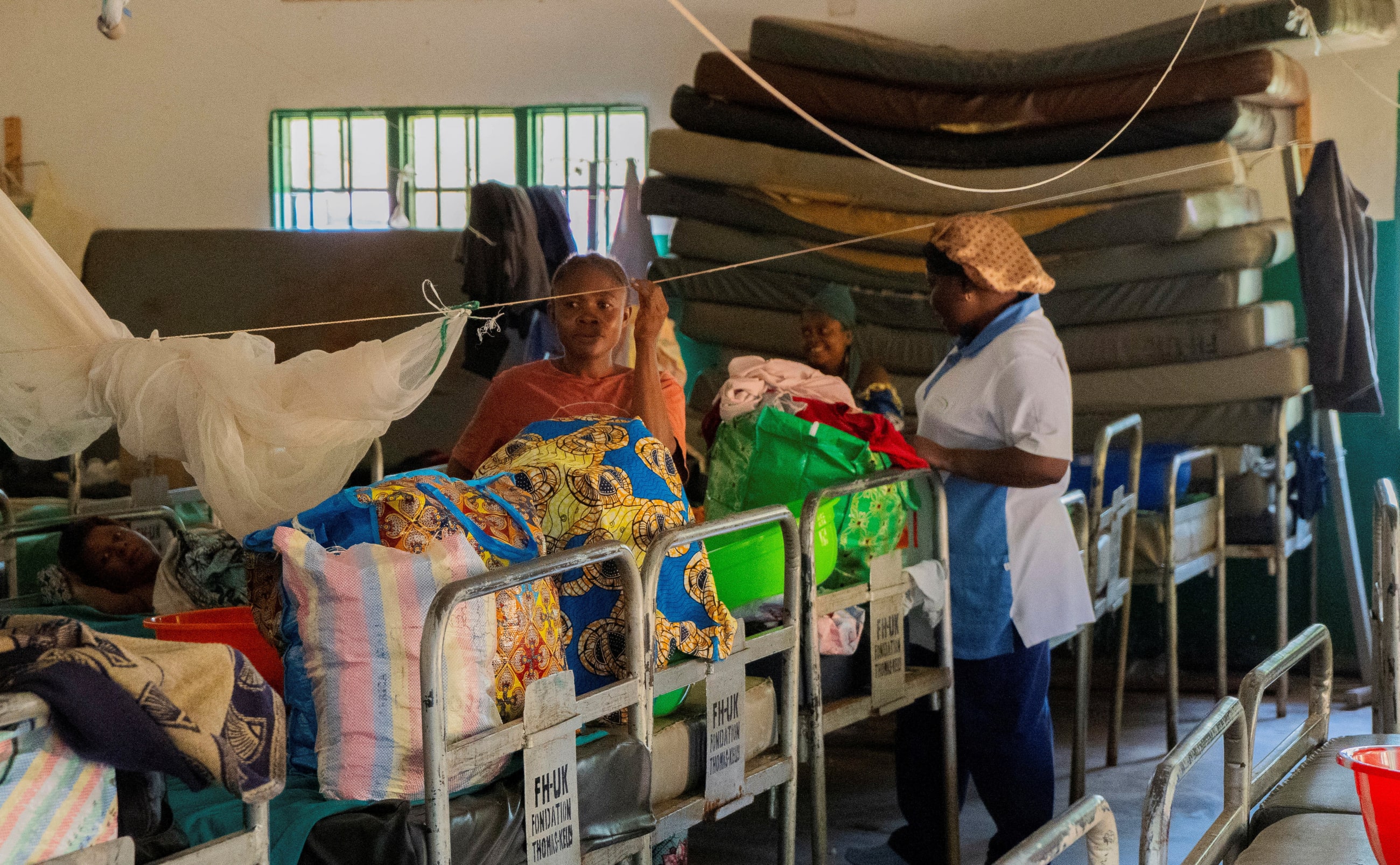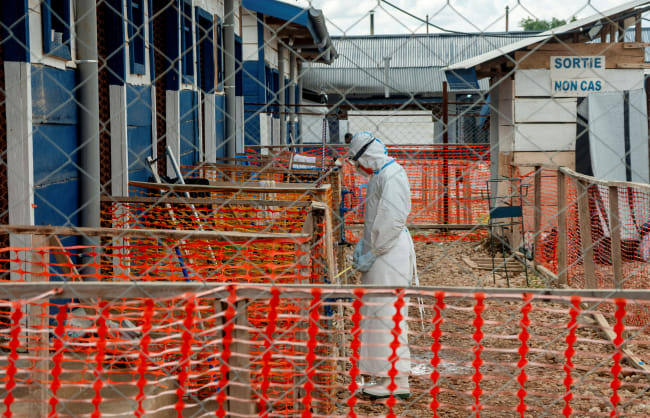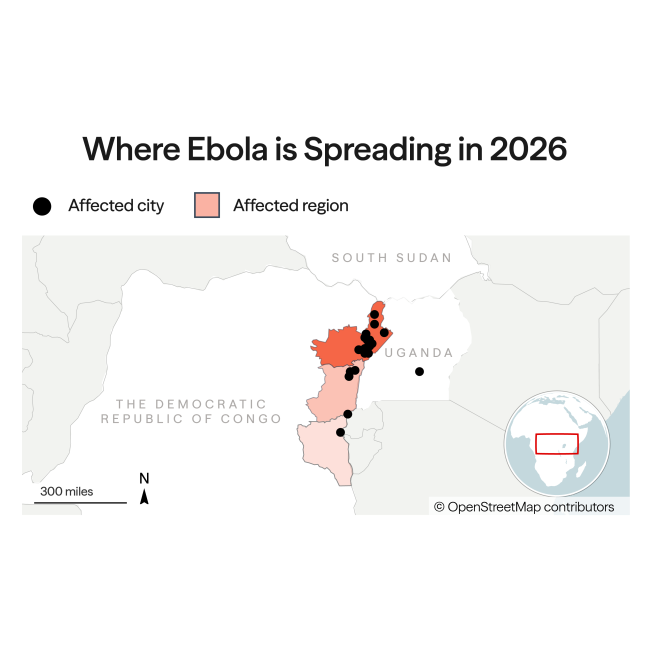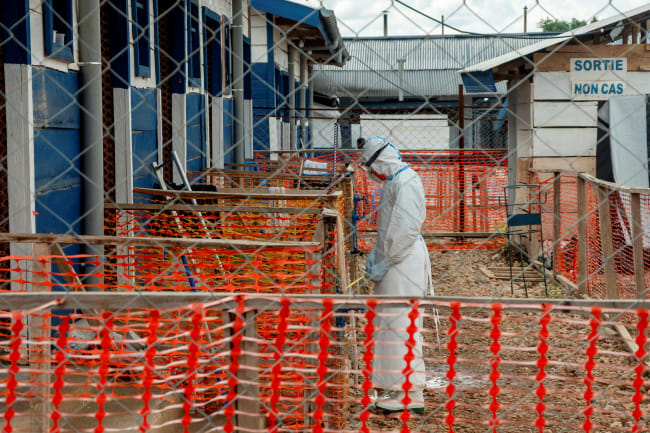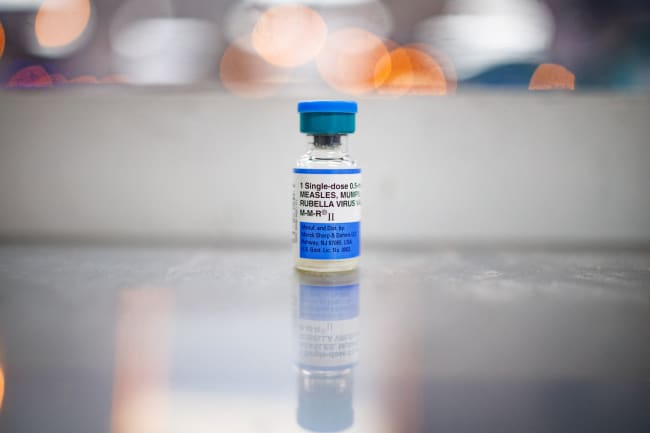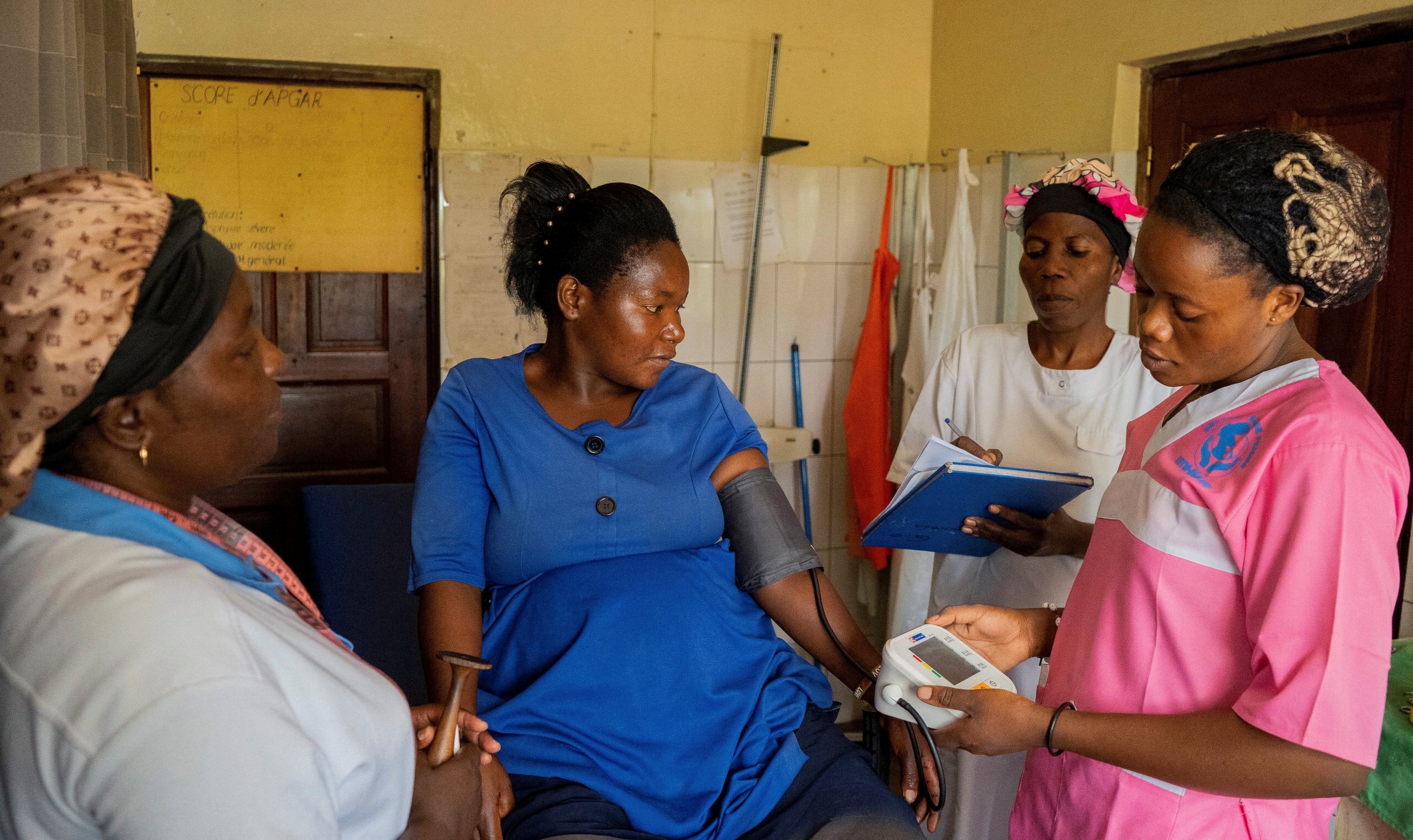
The Ebola Bundibugyo outbreak is still the fastest-growing Ebola outbreak on record. Although cases have declined slightly in some areas, the virus continues to spread rapidly across the Democratic Republic of Congo (DRC). As the crisis enters its seventh month, so does a secondary silent emergency: the impact of the deadly disease on maternal and fetal death rates.
Contracting the Ebola virus while pregnant is catastrophic
Contracting the Ebola virus while pregnant is catastrophic. In Ituri, DRC, the outbreak's epicenter, data from Ebola treatment centers collected from May to August 2026 paints a sobering picture. According to DRC government data reported to the United Nations Population Fund (UNFPA), during this period, 56% of pregnant women admitted for treatment died, and maternal mortality rates ranged from 42 to 100% across facilities. Preliminary fetal loss statistics provided by the government are also stunningly high and mirror the near-total fetal loss among pregnant women who contracted the virus amid the 2014–16 Ebola outbreak. Among fetal deaths reported so far in the current Bundibugyo outbreak, 50% occurred before 20 weeks of gestation, and 20% occurred past 20 weeks. Tragically, the final 30% of perinatal deaths were driven by preterm births and infant death immediately following delivery. However, the fetal and perinatal death datasets gathered are incomplete, underscoring the need to strengthen maternal and perinatal death surveillance and response.
Although the challenges of responding to rising maternal and fetal death rates amid the Ebola Bundibugyo outbreak are daunting, protecting maternal and newborn health also offers an effective path toward containing Ebola as vaccines and other treatments are developed. Drawing on years of experience responding to Ebola outbreaks alongside governments and community-based organizations, UNFPA and partners are applying the following three lessons central to saving women's lives and to a more effective Ebola response.
Building Trust Within Communities
Widespread fear and misinformation kept women from accessing reproductive and maternal health care in hospitals and other health facilities during the West African Ebola epidemic of 2014–16. Maternal death rates rose an estimated 75% as a result. To avoid a repeat of that outcome, UNFPA is closely tracking drops in facility-based care, and, once gaps are identified, bolstering community care. For example, between May and October 2026, UNFPA recorded a 71% decrease in first antenatal care visits and a 92% reduction in facility-based skilled deliveries. During the same period, contraceptive use dropped by more than half in the province of Ituri, the epicenter of the ongoing outbreak. This is particularly concerning in an area with more than 360,000 women of childbearing age, where access to contraception plays a critical role in enabling women to avoid unintended pregnancies at a time when pregnancy carries heightened risks. Since Ebola can persist in bodily fluids after a patient has clinically recovered, access to contraceptives, including condoms, is a key preventive measure for halting secondary transmission of Ebola and protecting public health during and after an outbreak.
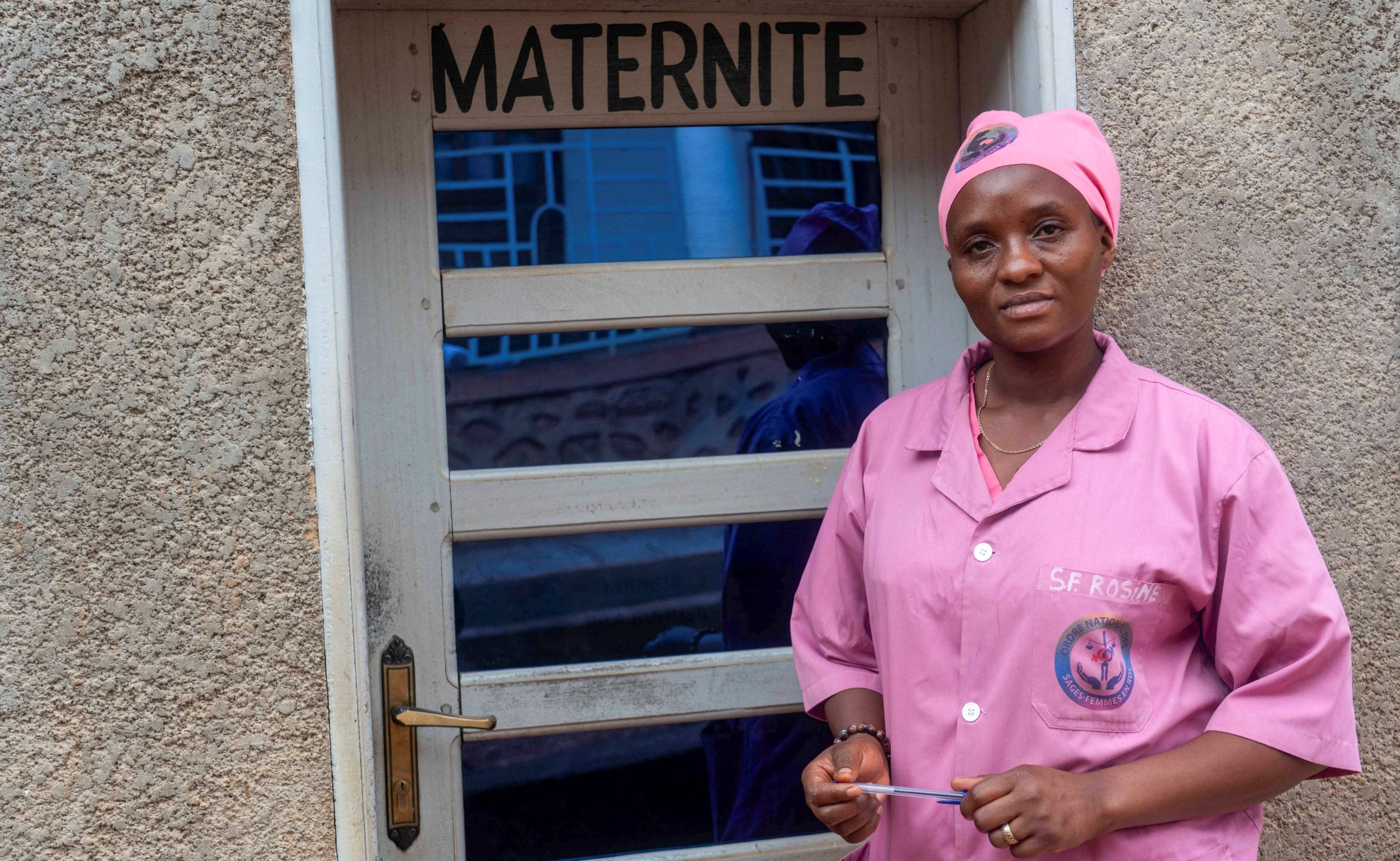
UNFPA has adapted and expanded midwifery services in communities in eastern DRC in collaboration with partners to bring essential reproductive and maternal health care directly to women outside hospital settings. Working alongside national and provincial health authorities and local organizations, UNFPA teaches people how Ebola can be transmitted through sexual contact, from mother to fetus during pregnancy, and through breastfeeding after a baby is born. Providing women with timely, accurate information from trusted sources is an essential first step in prevention. Midwives can then deliver mobile services, including antenatal care and assistance during childbirth. Midwives can also provide postnatal care to ensure that women can protect themselves and their babies from infection. Once sensitized to Ebola and treated with compassion, women act as effective messengers in their families and communities, creating another layer of prevention.
Bolstering Infection Prevention and Control in Maternal Health Facilities
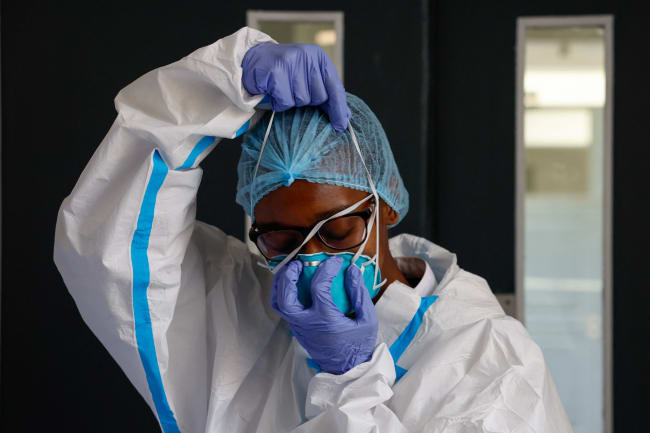
Women—including pregnant women—face a heightened risk of exposure to the Ebola virus because they are usually the primary caregivers for sick family members. Women also make up the majority of frontline health workers, including midwives and nurses. Both are under severe strain as they try to maintain maternal health services amid shortages of medicines and supplies, including personal protective equipment. In addition to increasing the supply of antihemorrhage medicines and personal protection equipment designed specifically for delivery rooms, UNFPA and partners are training and equipping midwives in infection prevention and control protocols and installing more handwashing stations and secure waste management systems in maternal health facilities.
Keeping Essential Health Services Running Amid Conflict and Ebola
Ensuring that maternal health care continues amid the Ebola outbreak, and that women can—and choose to—safely access reproductive health services, is a particular challenge in eastern DRC, which is beset by ongoing conflict, displacement, and weakened infrastructure. UNFPA continues to deliver gender-based violence prevention services and post-rape care, which remain essential during an Ebola outbreak, particularly given the risks of sexual transmission.
The data on Ebola's impact on maternal and fetal health is alarming. But poor outcomes for women—as patients and as frontline health-care workers—are not inevitable if we ensure that the response to Ebola includes these lifesaving measures.