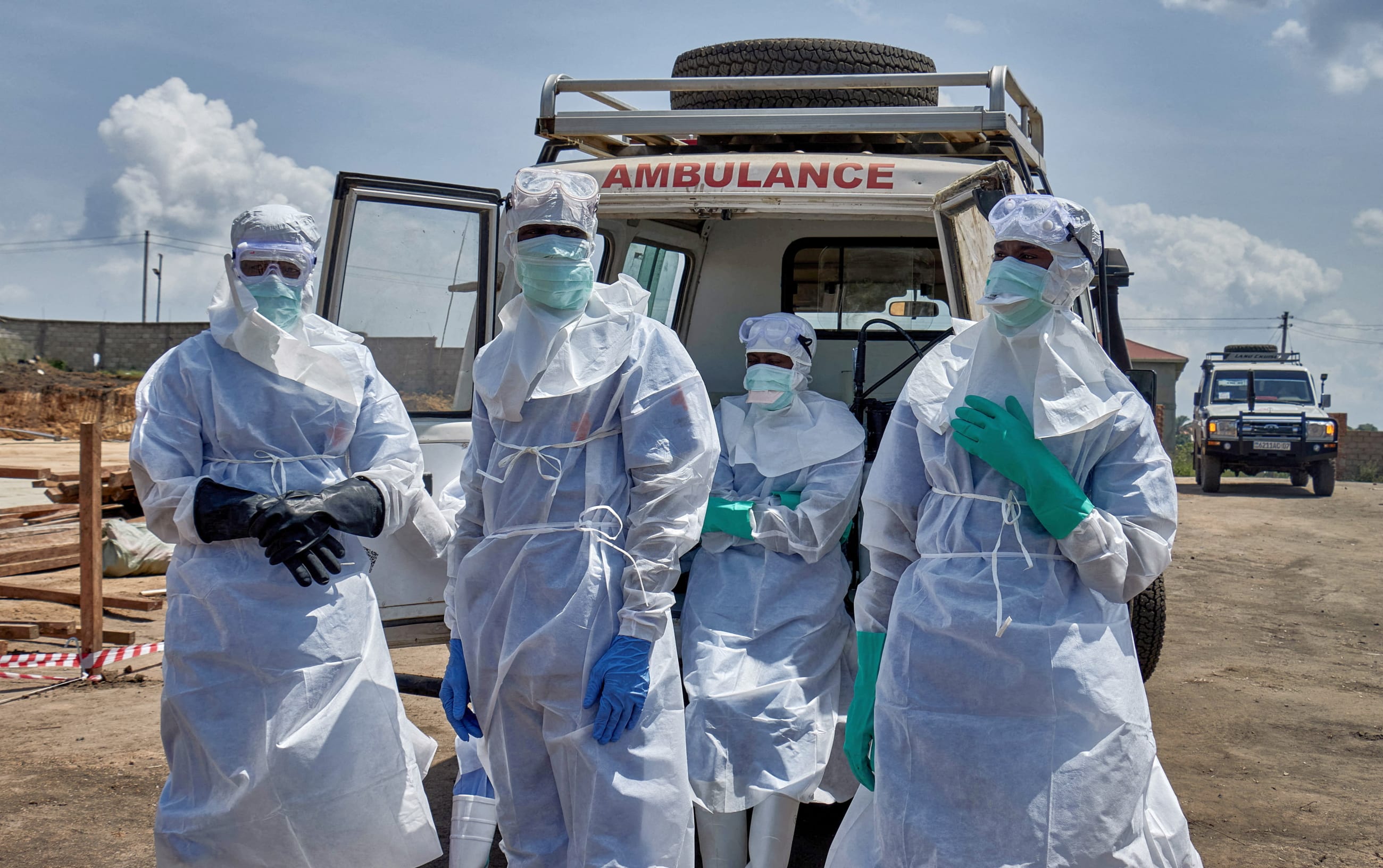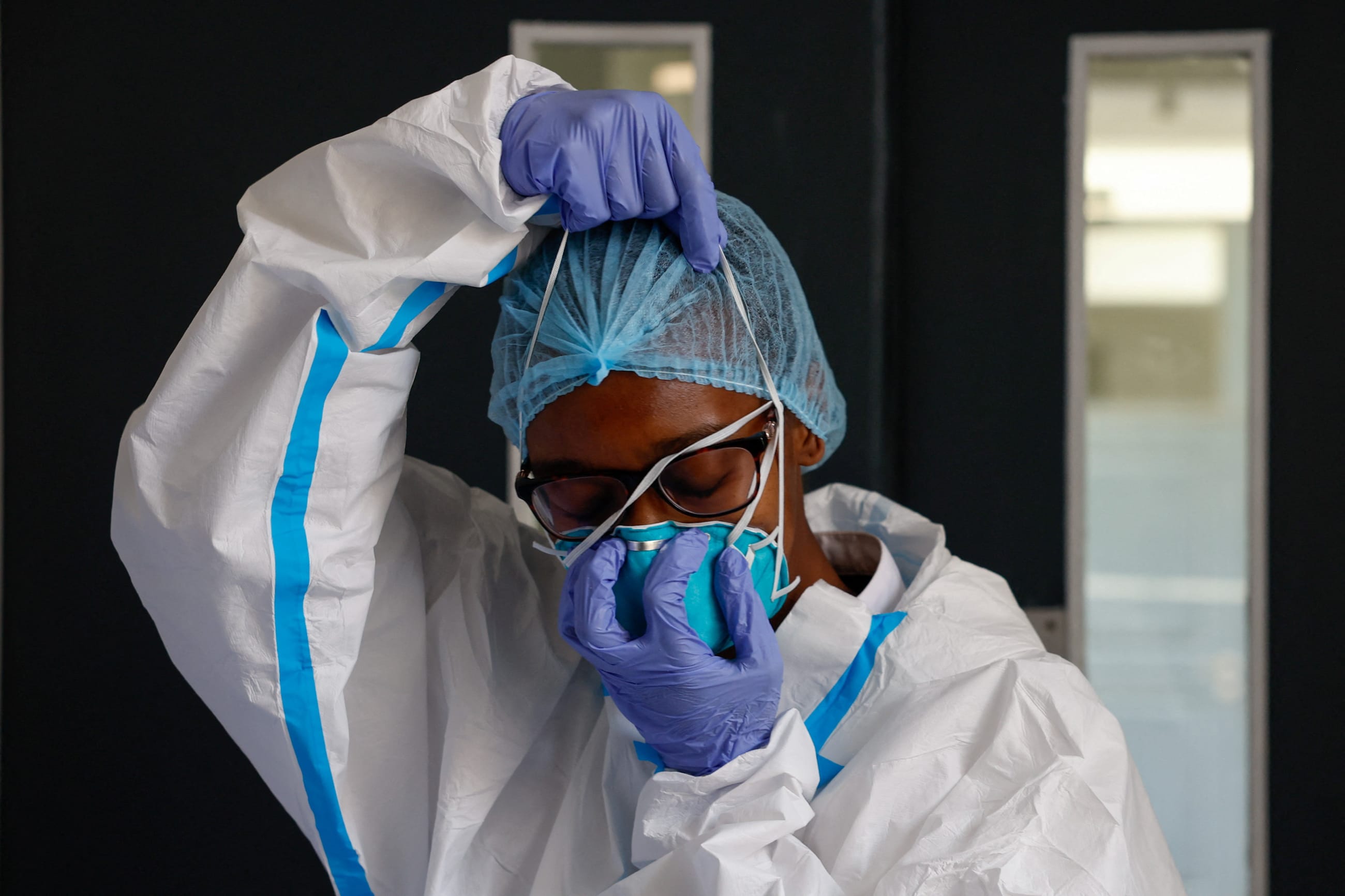
The success of Nigeria and Kenya in containing the recent spread of the Bundibugyo strain of the Ebola virus from Democratic Republic of Congo (DRC) shows that many African countries have the capacity to effectively respond to such outbreaks. Yet the chaos surrounding those events reflect several hard realities facing emergency responders, including conflict and distrust, as well as disruptions in global networks for preventing, detecting, and responding to the most dangerous epidemics. Shifting policies and decreasing commitments from donors mean that the outbreak in DRC is likely to persist and inevitably continue to cause secondary epidemics that will require attention and resources from a global health system already in turmoil.
Every outbreak of Ebola starts when the virus jumps from its natural reservoir, usually bats, to humans. An Ebola outbreak, however, is much more than a chance encounter of animals and people. The course of an outbreak is determined by the nature of the virus as well as the social and political context in which it spreads. For this current outbreak, the context suggests a long road ahead before containment.
For this current outbreak, the context suggests a long road ahead before containment
The first challenge of the current outbreak is the virus itself. Several strains of the Ebola virus can cause epidemics. Almost all the outbreaks recorded in DRC were caused by the Zaire strain. The current outbreak is only the second in the country to be caused by the Bundibugyo strain. After the 2014 West Africa outbreak, the largest Ebola outbreak ever, a vaccine was developed against the Zaire strain, but it is uncertain whether it provides any protection against Bundibugyo. A clinical trial of a new vaccine targeting the Bundibugyo strain is under way, but data on its effectiveness is not expected until at least March 2027.
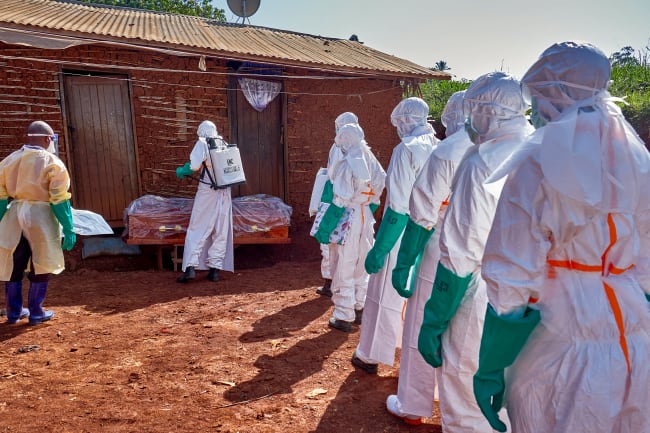
Even without vaccines or other medical countermeasures, the virus can be contained by a well-coordinated data-driven response, provided it is led by people who are trusted in the community and have the needed resources. This approach has worked recently in Kenya, Nigeria, and Uganda but is unlikely to succeed in eastern DRC, where decades of strife and mistrust have led to attacks on health workers and Ebola treatment centers.
Further, the international collaborations that support training and equipping national outbreak response teams have been strained by a shifting global landscape. The epidemiologic and political realities make it probable that the outbreak in DRC will continue to seed cases into surrounding countries for the foreseeable future; all governments should maintain vigilance and readiness to activate their own epidemic response teams.
The Value of a Rapid and Collaborative Outbreak Response
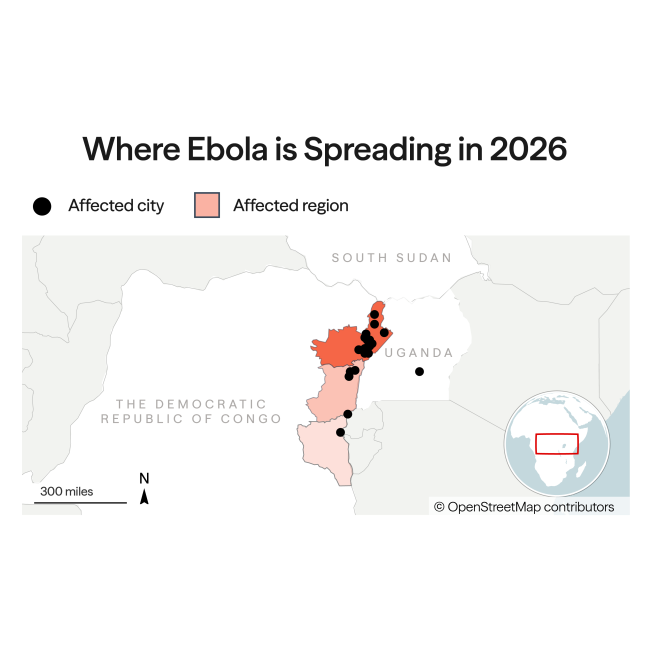
DRC knows Ebola. Its first recorded Ebola outbreak occurred exactly fifty years ago, and the current one, which was announced on May 15, 2026, is the seventeenth in the country. As of October 28, 10,193 cases and 4,960 deaths have been recorded, making it the second largest Ebola outbreak ever, and it is on pace to surpass the 2014 outbreak, which spanned several countries in West Africa. No two outbreaks are the same, and most experts realized from the outset that a few factors make the current epidemic exceptionally difficult to manage.
Another major challenge is the location. The outbreak began in DRC's Ituri province—a remote part of the country that has, for three decades, faced cycles of violence rooted in ethnic grievances and resource disputes. In this area, the virus spread for months before being definitively diagnosed. DRC announced its outbreak the same day its neighbor Uganda announced that it had diagnosed Ebola among travelers arriving from the DRC. The Uganda outbreak lasted only two months, and of the 20 Ugandan cases, 15 were people who had crossed from DRC, likely seeking health care. Residents of eastern DRC regularly cross the porous borders with neighboring countries and, as of October 27, every spillover of this virus into other African countries seems to have begun with people transiting the DRC/Uganda border.
For example, on October 3, five months into the DRC outbreak, an ill traveler arrived in Nairobi, Kenya, and immediately tested positive for Ebola. He had driven from DRC to Uganda and then flown to Kenya to seek medical care. As of October 24, he had infected eight other people in Kenya, four family members and four health-care workers. The initial patient and one relative died; the others are currently undergoing treatment.
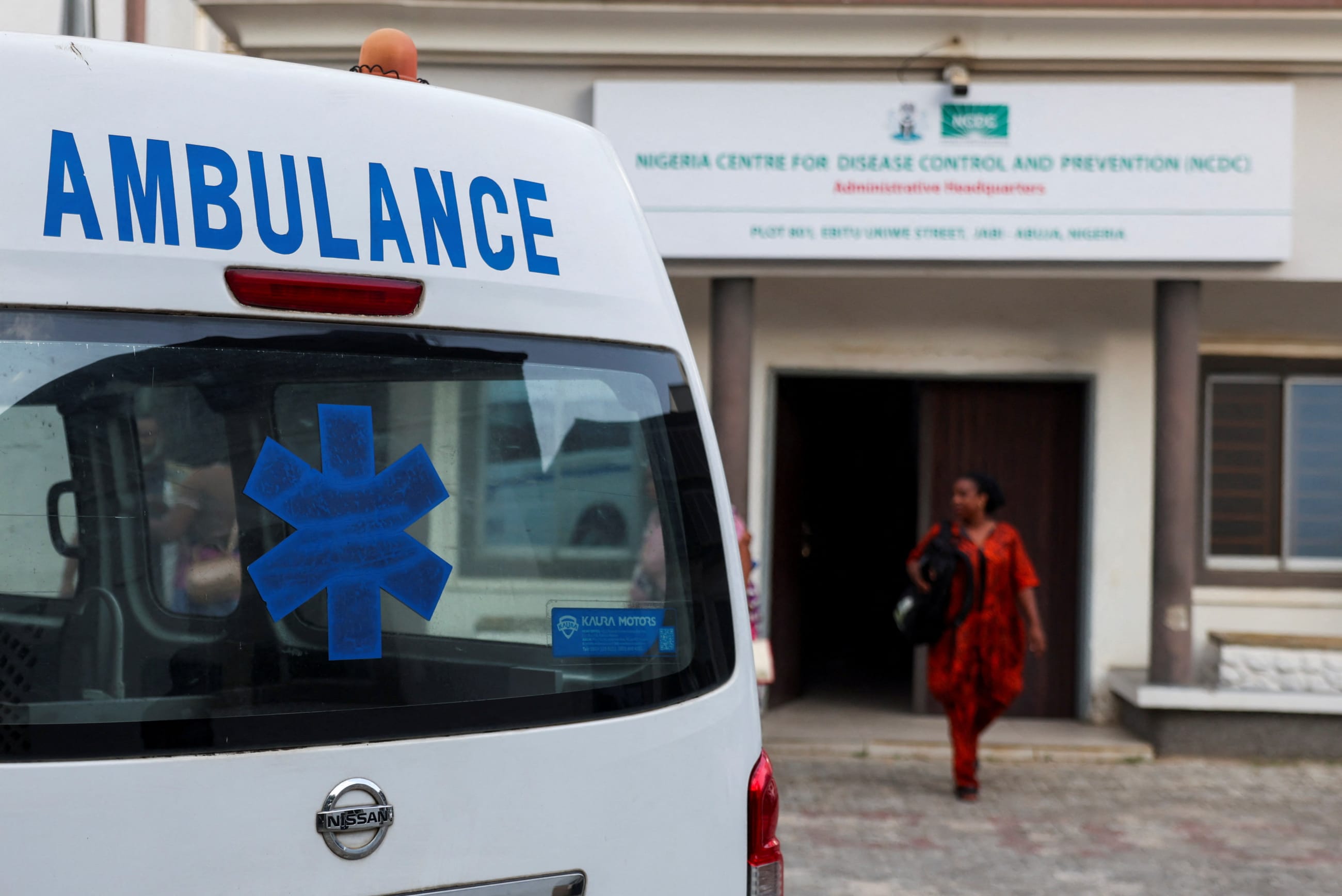
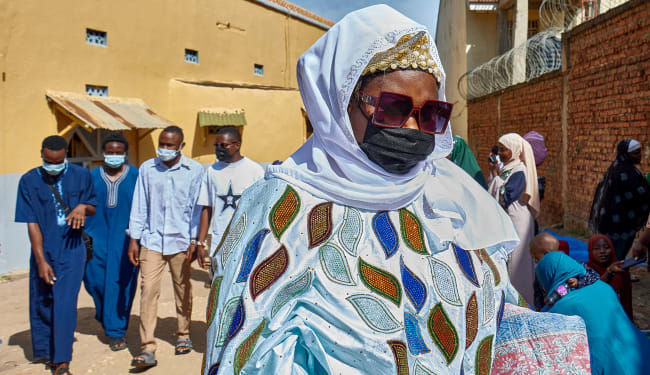
Two days after the Kenyan patient died, a 42-year-old woman fell ill in Abuja, the capital of Nigeria. She had arrived four days earlier from a trip across multiple countries in Africa, including Uganda and possibly DRC. Any Ebola in Nigeria is concerning because Nigeria is sub-Saharan Africa's most populous country and a hub for travelers crossing the continent into other regions. Kenya, Nigeria, and Uganda all have experience with viral hemorrhagic fevers. They all have benefited from collaborations with the U.S. Centers for Disease Control and Prevention (CDC), which trained local disease detectives as part of the Field Epidemiology and Laboratory Training Program, which was modeled on the agency's Epidemic Intelligence Service. The ability of these countries to quickly identify and contain small outbreaks prevents them from becoming secondary sources of even wider dissemination of the virus.
Nigeria's capacity to quickly contain outbreaks was dramatically shown in July 2014, when a man with Ebola traveled from Liberia to Lagos, Nigeria. Nigeria's government took rapid action by activating its Emergency Operations Center, establishing a response under its Incident Management System and deploying response teams originally created to investigate polio cases. The incident managers worked collaboratively with the World Health Organization (WHO), UNICEF, and the CDC to share information and direct resources. Ultimately, the outbreak was controlled in three months; a recorded 20 people were infected (mostly in health facilities) and eight died. During the response, 894 contacts of cases were identified, and more than 18,500 monitoring visits were completed to ensure that no additional cases were missed. When the first case was identified, public health experts feared a catastrophe. Lagos is a dense, sprawling port city of 20 million people (50% more populous than New York City) and at the time no vaccines or treatments for Ebola were available. Despite these challenges, the quick and coordinated efforts of the government and its international partners contained the disease.
Emergency Responses Amid Changing Priorities
The current Ebola response is unfolding against the backdrop of a shifting global health landscape. The WHO has long asserted that it should lead international outbreak responses, but its ability to rapidly mobilize in an emergency is impeded by the paralyzing bureaucracy and politics that affect many UN organizations. The WHO's response capabilities are now further hindered by the loss of financial and technical assistance from the United States, given that prior to its withdrawal from the organization in 2026, the United States had contributed between 15% and 20% of the WHO's budget and worked closely with the organization to coordinate outbreak responses.
As the traditional venues for international coordination lose support, the need for leadership in outbreak response has led to the rise of nongovernmental and multilateral health organizations such as the Africa CDC and the Coalition for Epidemic Preparedness Innovations (CEPI). These types of organizations, which rely on philanthropic donations and governmental funding, play an increasingly important role in supporting countries facing epidemics that exceed their national response capacity.
CEPI, which was established in 2017 in the aftermath of the West Africa outbreak, has become the leader in organizing rapid design, testing, and regulatory approval of medical countermeasures for epidemics, and is now coordinating the current trials of Ebola vaccines in DRC. If a new vaccine becomes available next year, it will be a huge asset to the international response, provided that donors ensure the vaccine is available to the DRC and that the government and NGOs are able to convince those at highest risk to be vaccinated.
Years of investment by the United States and other international partners have built outbreak response capacity across the world, including in Africa. That capacity has allowed several countries to quickly identify and contain recent introductions of the Bundibugyo virus. The primary outbreak, however, continues to expand, fostered by distrust, violence, political unrest, funding cuts, and a lack of medical countermeasures.