The current Ebola outbreak continues to devastate the eastern Democratic Republic of Congo (DRC), reaching over 1,000 deaths and 2,500 cases since tracking began in May 2026. Although the DRC has faced Ebola outbreaks in the past, the current strain of the virus—Bundibugyo—presents new challenges because there are no currently available vaccines.
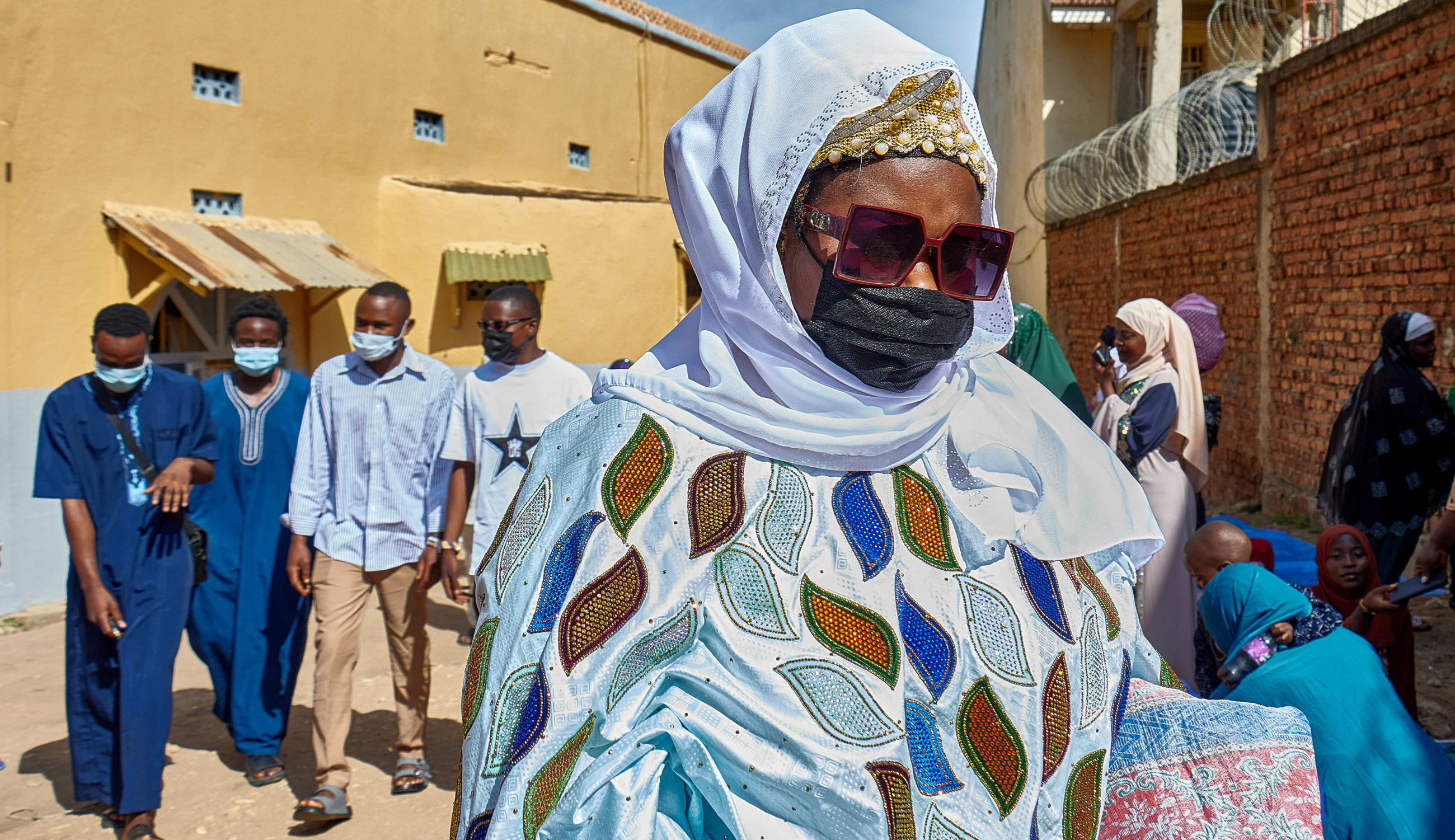
Communities are deeply disrupted by the outbreak, which has given rise to fear and profound mistrust of public officials, both domestic and international. To better serve these communities, local, national, and international groups leading the Ebola response could aim to engage religious actors and community leaders, as they are widely present, have deep local knowledge, and many have built reservoirs of trust among the people they serve.
Religious leaders and communities have been a focal point of the present crisis. An early superspreader event was linked to the February funeral of Pastor Paluku Makundi Denis. The death of Catholic preacher Sylvestre Atama at Mongbwalu General Hospital was followed by attacks on medical facilities when doctors refused to release his body to limit infection risks, leading to the use of military escorts to allow a safe burial.
1,000
The DRC's Ebola outbreak has exceeded 1,000 cases
Apart from these incidents, local and international religious communities have also mobilized rapidly to address the outbreak. These initiatives demonstrate the will and capacity to deliver care effectively, and to share information and coordinate response efforts. Religious actors build on local knowledge and have a history of confronting the distinctive dangers of Ebola, whose high mortality and mechanisms of transmission contribute to community fears that can accelerate the spread of infection. To achieve the integrated approach needed to contain the outbreak, response efforts of public health bodies need to draw more systematically on their experience and build more respectful and sustainable partnerships.
Religious Responses Come Through Different Channels
There are two main ways to consider religious roles in an Ebola response: direct delivery of health care and community engagement.
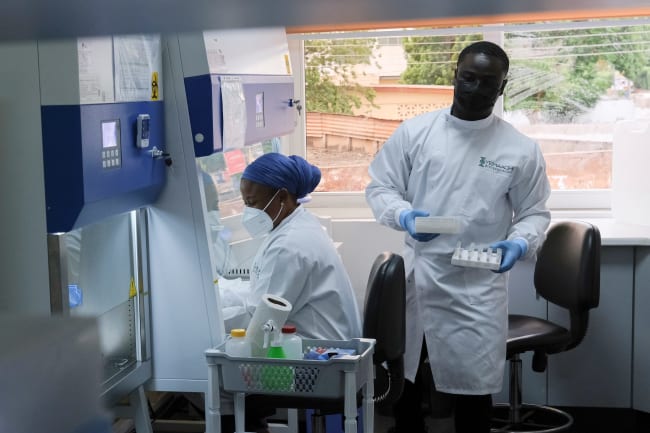
A wide range of health-care facilities owned and operated by religious communities or faith-based organizations (FBOs) deliver health-care services directly. Their services include prevention, testing, and treatment measures, and many can reach more remote locations.
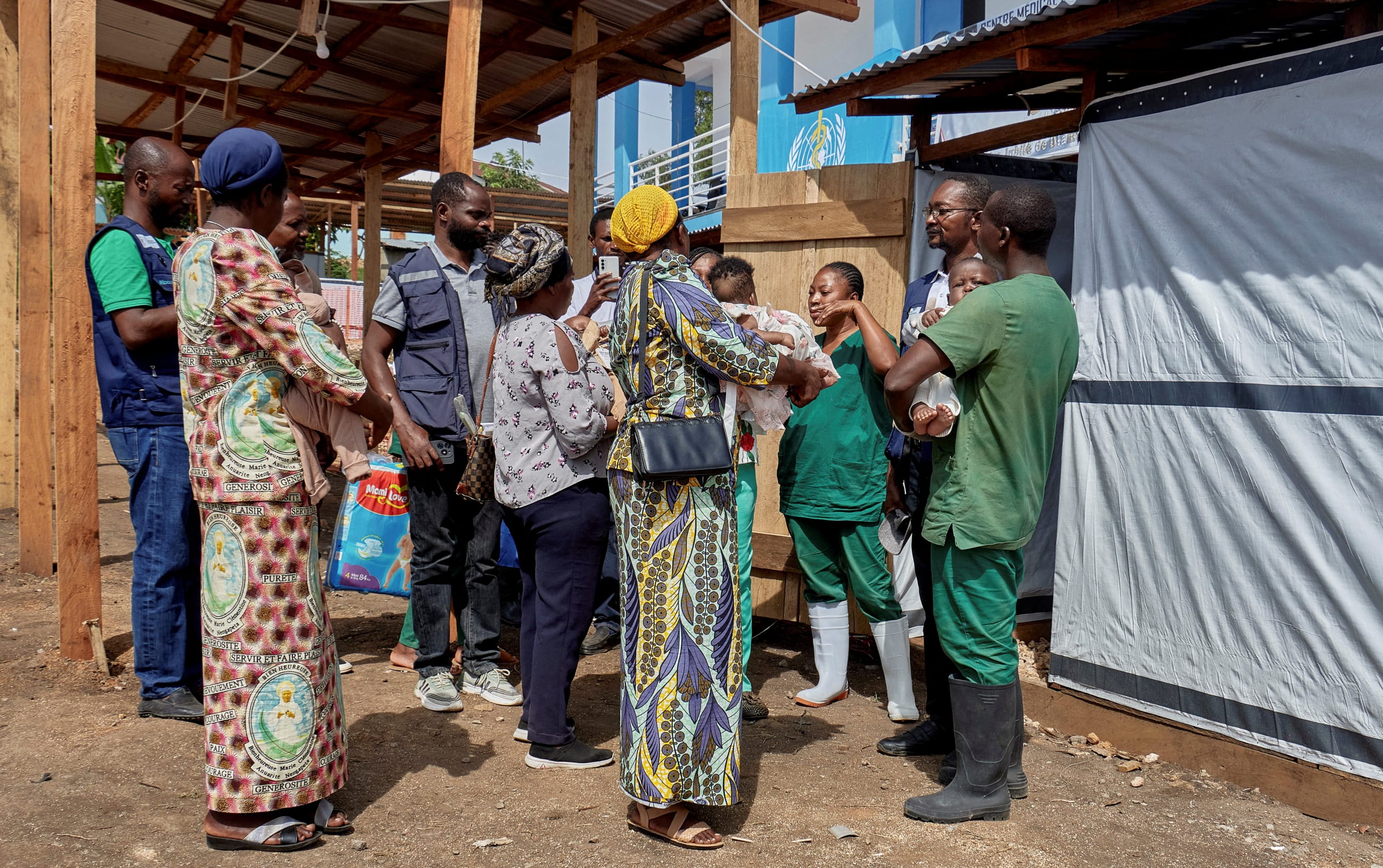
Prominent religious actors are involved in direct delivery of assistance in the areas affected by the DRC Ebola outbreak. Tedros Adhanom Ghebreyesus, World Health Organization (WHO) director general, opened an Ebola treatment center, a building repurposed by le Centre Médical Évangélique (CME), in early June. Samaritan's Purse opened two Ebola treatment centers in mid-June in Nyankunde. Others work with existing facilities. For example, World Relief, working with a Ministry of Health facility in North Kivu, supports triage, screening, staff training, water, safety, and hygiene (WASH) improvements, provision of essential equipment and personal protective equipment (PPE), and hygiene supplies.
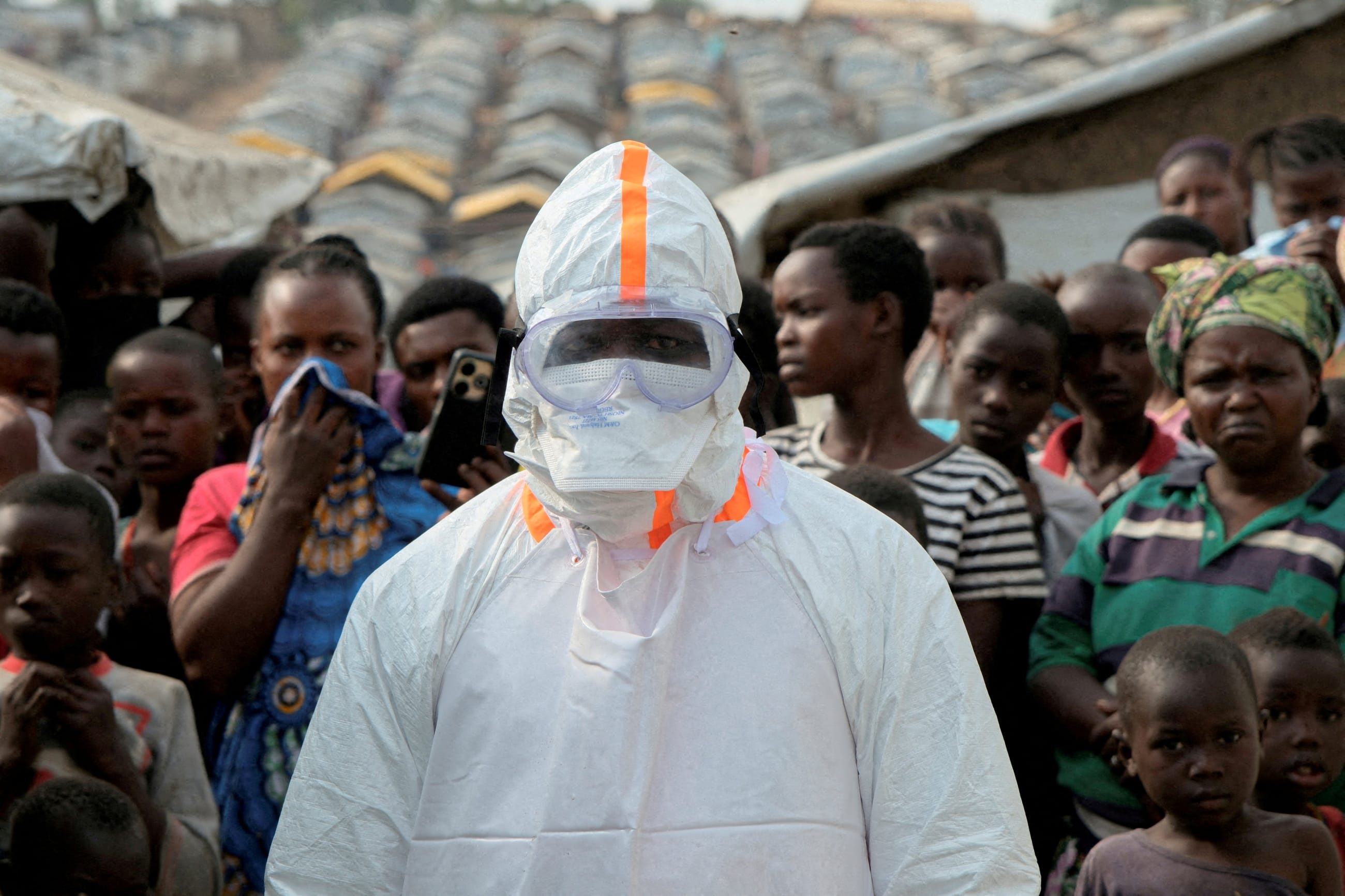
The other avenue, community engagement, goes well beyond health facilities. Many religious groups are amplifying risk communication and community engagement (RCCE) efforts that focus on raising awareness about Ebola among the general population. These strategies can enhance prevention measures, counter misinformation, reduce fear and mistrust, and help communities understand the response. An aid worker quoted in a report on previous Ebola responses called the involvement of religious leaders a "game changer."
Religious communities are social networks where trust is often strong and information can spread easily. Working with different forms of leadership in religious communities, health workers can effectively share advice about Ebola prevention. One study suggests that such efforts can produce a nearly twofold increase [PDF] in the acceptance of safe burial practices. Religious and traditional leaders take on distinctive roles, especially around the rites of passage associated with death and disease, from washing bodies to performing ceremonies. In 2014, these roles were recognized in updated guidance [PDF] on safe and dignified burials from WHO. This protocol has been effective; reports said that it averted more than 10,000 Ebola cases in the 2014–15 West Africa outbreak. In the current outbreak, Corus International reported that they are working with indigenous leaders and those responsible for burials to promote safe burial practices in communities surrounding Virunga National Park.
Local faith actors in the DRC are also actively engaged in RCCE efforts. Leaders from the Anglican Church of Congo recently released a declaration affirming their commitment to RCCE efforts, for example. Elsewhere, the Action Plan for the Development of Congo Program (PADCO) works with traditional chiefs, religious leaders, and community health workers through a multistakeholder and participatory approach to improve "acceptance of health interventions and strengthened trust between communities and response teams," as Gulain Nganya Kikwire of PADCO explained in a statement.
An aid worker quoted in a report on previous Ebola responses called the involvement of religious leaders a "game changer"
Community engagement relies on appropriate resources to train religious actors in response efforts. Several FBOs have experience with Ebola responses because they have been directly involved with prior outbreaks. For example, World Vision's Channels of Hope model for social and behavior change with religious leaders has been tested on health- and child-protection topics worldwide. A version of the Channels of Hope model previously created for Ebola has been put to use immediately in the DRC, informing religious leaders about protective behaviors, addressing rumors, and fostering support for the public health response, while also engaging in a process of spiritual discernment and transformation, aligned with their religious teachings. Ngenda Chiza Philippe of World Vision DRC explained to the authors via email that implementing this model has been "a priority."
Religious communities can also support surveillance efforts. The African Christian Health Associations Platform (ACHAP) is training 250 religious leaders as surveillance focal points in their churches to identify and report suspected cases, support contract tracing, and make referrals to health facilities. They will also track and respond to rumors. Ruth Gemi of ACHAP described them to the authors via email as "trusted bridges between communities and the formal health system, contributing to a faster and more effective outbreak response." Trust is critical in this regard. Archbishop Martin Gordon, of the Anglican Diocese of Goma, observed in a recent video that "we are one of the few institutions in Congo still trusted to tell the truth."
The current Ebola outbreak presents extraordinary challenges in communicating with affected populations. Religious actors are working actively with others to overcome the barriers. One creative effort, from Chocolate Moose Media and distributed by Harper Hill Global, among others, involves animated short videos that highlight the need to seek medical care and to follow prescribed procedures for burials. These can be disseminated through cell phones and radio. Four multimedia prevention videos, translated into local languages, aim to break through the enormous communications barriers.
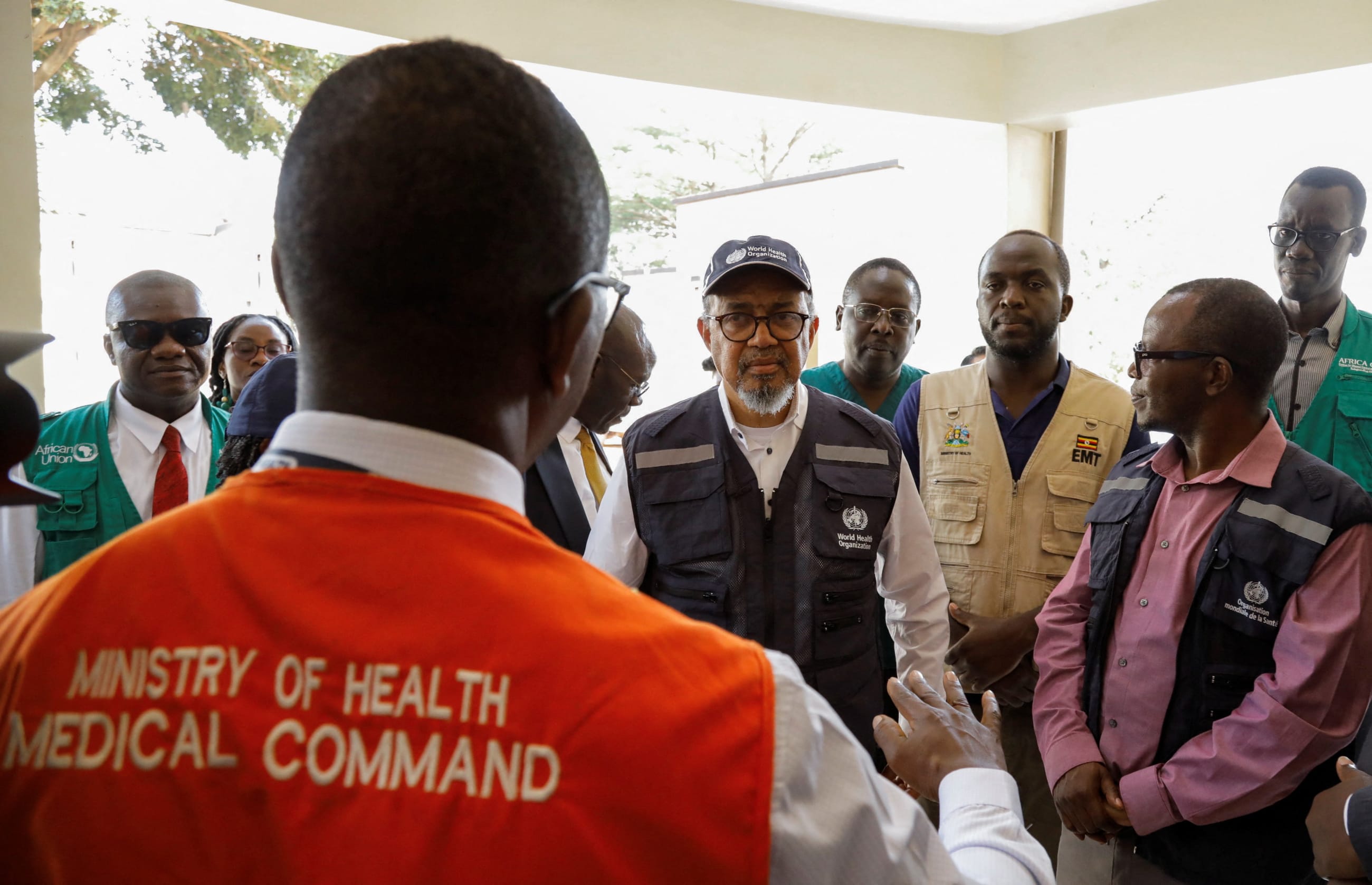
Local FBOs are also working to overcome the challenges. Joseph Baraka Rubalira of the Department of Medical Works of the Church of Christ in Congo shared in a statement work with church leaders and community mobilizers to hold small training sessions and to share accurate infection control information through community radio stations and communication groups. Together for Health and Holistic Development in Rural and Peri-Urban Environments, a local FBO, runs a radio station in North Kivu, Umoja FM, which is helping listeners understand more about Ebola. In Uganda, Emma Welikhe of the Uganda Protestant Medical Bureau reported in a webinar that they are working through member WhatsApp groups to share risk communication materials and to promote links between member health facilities and church leaders on community engagement.
Partnerships and active collaborations with health workers are also vital. The Interreligious Councils in Uganda, the DRC, and Zambia are actively participating in RCCE coordination mechanisms. The African Council of Religious Leaders–Religions for Peace has worked with WHO, the Africa Centres for Disease Control and Prevention, the United Nations International Children's Emergency Fund, ACHAP, and the International Federation of Red Cross and Red Crescent Societies to create a Faith Engagement RCCE Guide disseminated to religious leaders not only in Uganda and the DRC but also in neighboring South Sudan, Burundi, and Rwanda.
Religious Engagement Is Localization in Practice
Essential and creative responses to Ebola take place at the community level, where people live the crisis in real time. The roles that religious actors play are important everywhere, but in the eastern DRC and neighboring countries their roles are critical.
The prior success of involving religious actors in safe burials and the remarkable mobilization of religious community to respond to Ebola make the case for systematic engagement with the wide variety of religious communities in the region by those guiding the overall response. Even in a moment of crisis, it is essential to reach out to the different religious actors involved to avoid duplication and to learn what works and what does not from their experience.
It is also important, as these resources are mobilized, that the perils of appearing to simply "use" the religious community, rather than engaging them as partners, are appreciated and avoided. Where mutual understanding among partners is weak, resentments are likely and, sadly, can have lasting consequences. In the current crisis, this calls for concerted efforts by all parties to respect the assets that different partners bring and to learn lessons from past experiences, which makes clear that failing to engage religious communities in meaningful ways damages the overall response. Leaders across sectors need to keep their eyes, minds, and hearts both on coping with immediate challenges and on building sustainable partnerships for the future.
EDITOR'S NOTE: A previous version of this story identified the creator of educational videos as Harper Hill Global. The article has been updated to clarify that the videos were created by Chocolate Moose Media and distributed by Harper Hill Global, among others.