As opposition to the data centers that power artificial intelligence (AI) mounts in communities across the United States, President Donald J. Trump urged data center developers to "make deals" with communities by paying people dividends to secure their support.
However, receiving regular checks may still not be enough to assuage people's concerns about massive data centers being constructed in their backyards, and the possible negative health effects of breathing dirty air that the facilities may emit. Around the United States, more evidence is emerging about their potential health effects. From town halls to the ballot box, people who oppose data centers are finding ways to fight back, with the issue a likely flashpoint in the November 3, 2026, midterms.
Social benefits should not come at the cost of residential communities
Patti Smith, a resident of Conshohocken, Pennsylvania
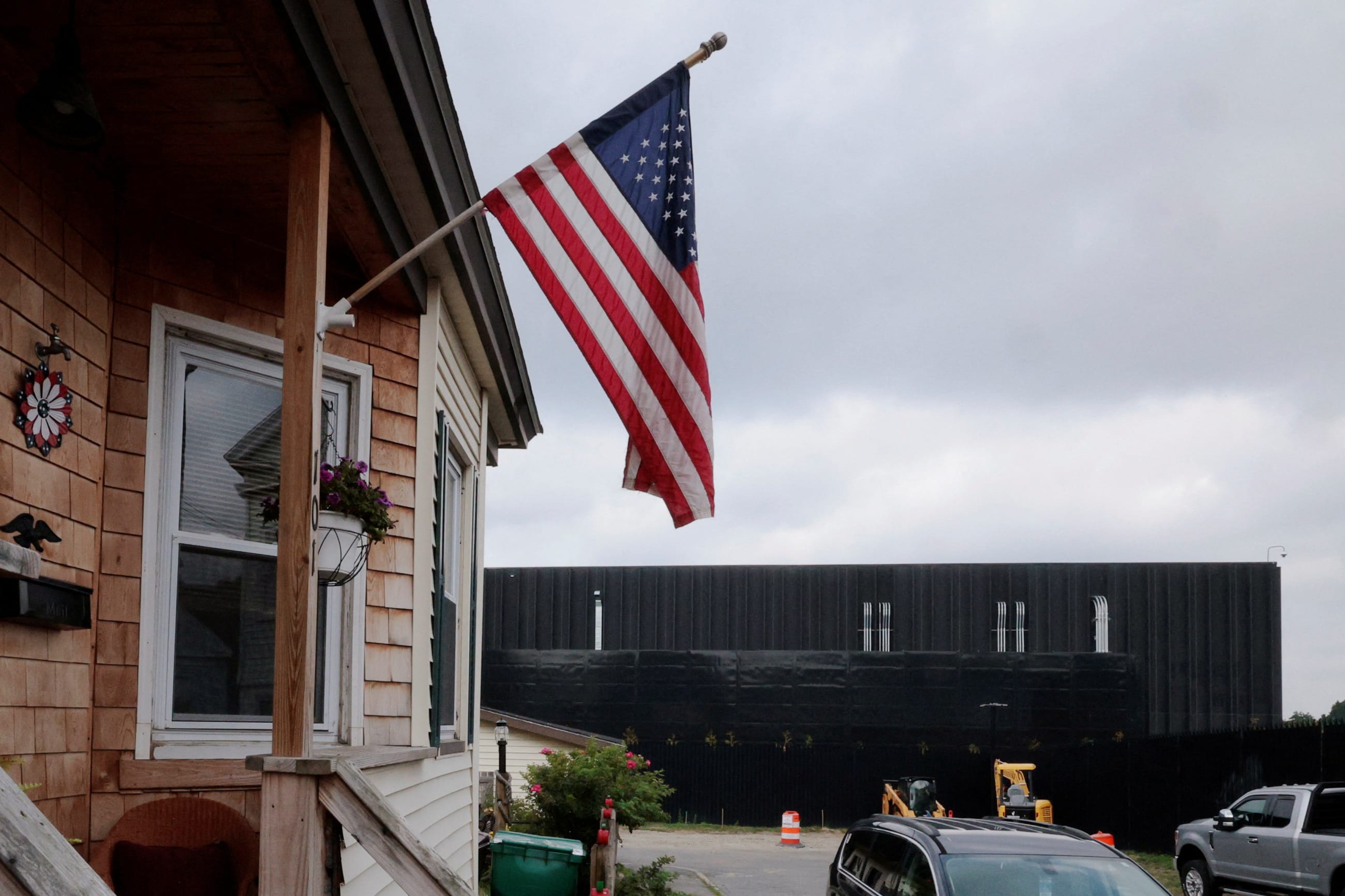
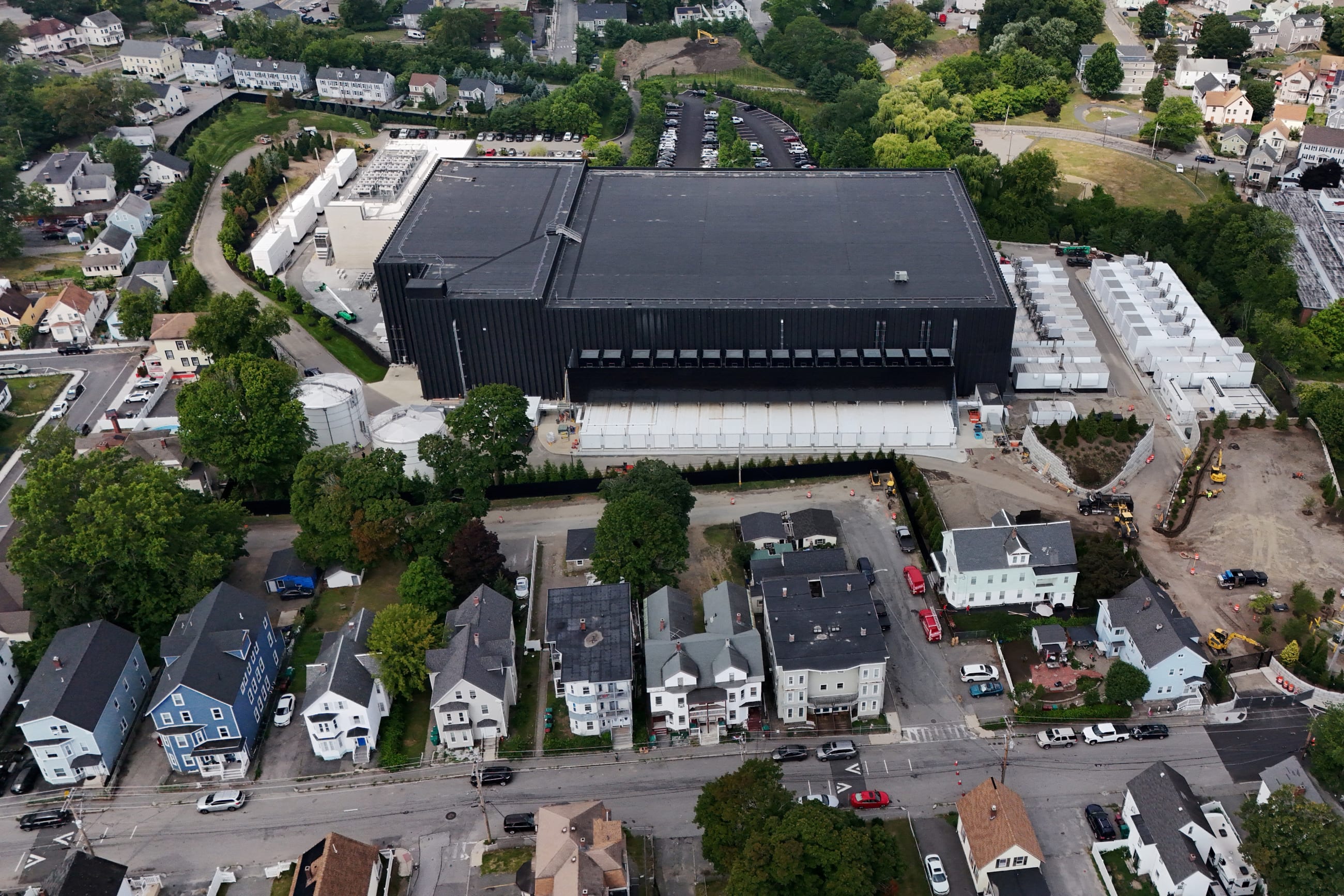
For Patti Smith, a resident of Conshohocken, Pennsylvania, just outside Philadelphia, a developer's proposal to build a massive new data center in her neighborhood has sparked alarm. Although the company behind the data center argued that the project would enable cutting-edge biomedical research, such as developing new cancer therapies and curing blindness, the issue for Smith was that her community was being asked to shoulder a disproportionate amount of the burden. If developers were truly serious about mitigating the impacts of their facilities, they wouldn't locate them next to residential neighborhoods and heavily used athletic fields, Smith noted.
"Social benefits should not come at the cost of residential communities, where we are offloading externalities onto those residents who have neither the knowledge nor recourse to get compensation from any health harms the data centers may bring," she says.
To Smith, one of the most alarming aspects of the project wasn't just the data center but the hundreds of natural-gas-burning engines and backup diesel generators that would be situated just 250 yards from housing developments and fields used for sporting events. Developers might call the project a data center, Smith says, "but it's, like, don't pay attention to the power plant behind the curtain."
Data Centers and Health
It's why Smith has teamed up with local community members to form a grassroots organization called No Conshy Data Centers.
Michael Helbing, executive director of Penn State's Center for Energy Law and Policy, says communities have a number of options to mitigate the possible health impacts of data centers, ranging from updating zoning laws and mandating setbacks from schools and residential areas to negotiating a community benefit agreement.
"There are some types of provisions that municipalities can negotiate for and incorporate into their agreement," even ones that go above and beyond zoning law stipulations, Helbing says.
Although the likely benefits of data centers to society could be vast, as AI-enabled systems are already being used to develop new drugs and analyze massive datasets, the negative consequences are largely borne by the people living near them.
Electrical and computer engineer Shaolei Ren of the University of California, Riverside, studies the health effects of data centers. Immediate, on-site effects include a constant, low-pitched humming noise from fans, cooling equipment, and backup generators, as well as the production of nitrogen oxides and particulate matter from the latter. Particulate matter pollution is linked to early death and poor health from conditions such as cardiovascular diseases, Alzheimer's disease, and diabetes.
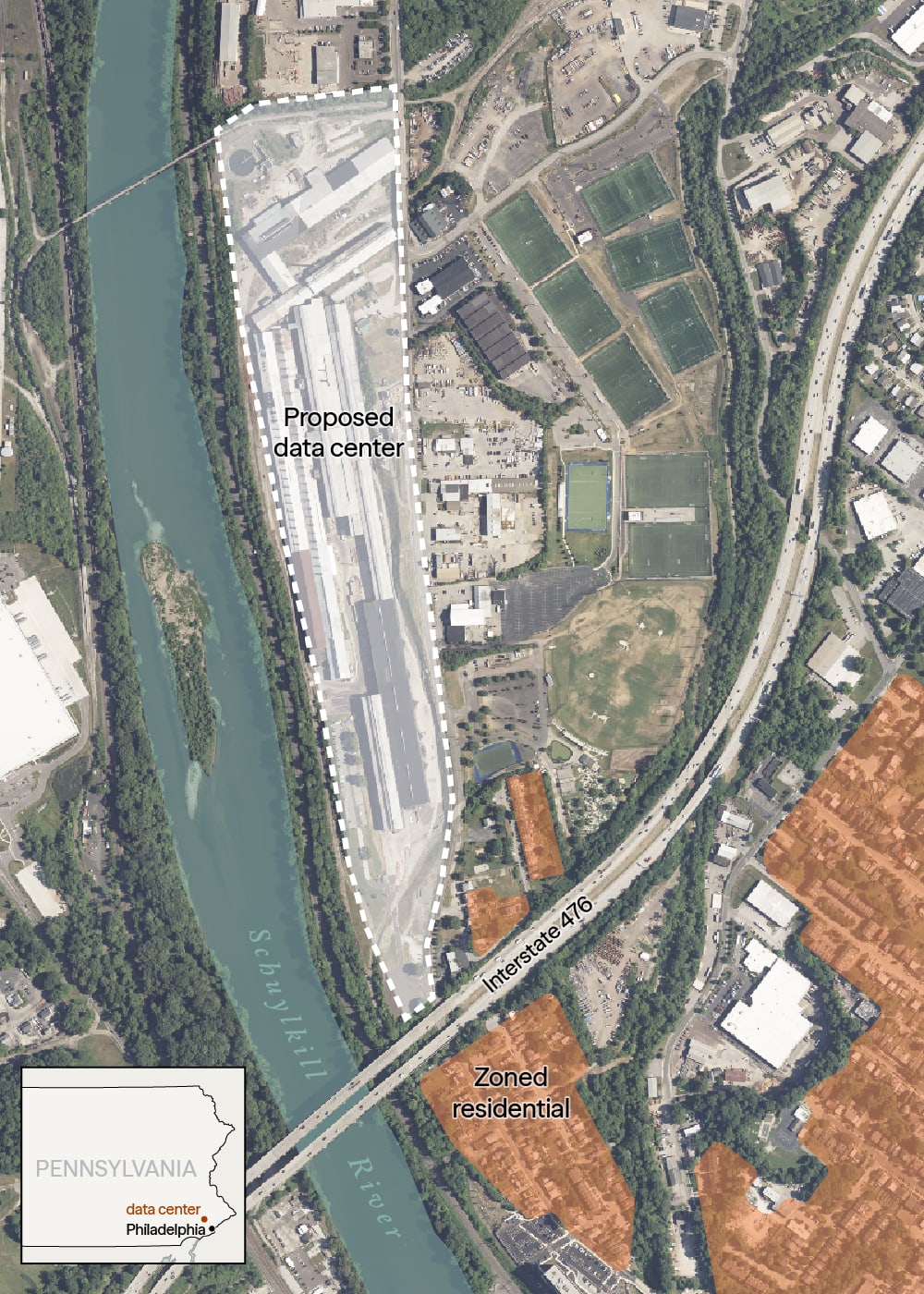
Exactly how many pollutants are produced and how far they spread depends on the duration the backup generators are operated, what pollution controls have been installed, the proximity of residents, and even local weather patterns. Few data centers release detailed information about the frequency of their diesel generator use, which means scientists like Ren can't measure the direct health impacts. Instead, they have to create detailed computer models to simulate various scenarios.
When it comes to evaluating the health effects of data centers, Ren says, details matter. Take backup diesel generators. Per hour of use, these generators typically produce more noise and pollutants than burning natural gas. However, because natural gas is burned continuously, this "normal," ostensibly more eco-friendly approach may wind up creating more pollution overall than diesel, he points out. And because many Pennsylvania data center proposals contain provisions for the installation of natural-gas-burning turbines for energy production, Ren says that Smith's concern about the power plant behind the curtain is well founded.
"For a new data center with behind-the-meter natural gas generation, we need to view the data center not only as a computing facility but also as a power plant," says Ren.
Mitigating Health Harms
Some alternatives exist, however. Data centers can potentially obtain their power through lower-emission sources, use batteries in place of diesel generators, and locate centers away from highly populated areas. TELUS, a Canadian telecommunications company, says that its new British Columbia facilities will rely on electricity produced by renewable sources and use closed-loop cooling approaches that will reduce energy needed and recycle waste heat. In Nevada, Ormat Technologies, a renewable energy company, has signed contracts to power Google's data centers using geothermal energy.
Ren points out that developers can go even further with what he terms "health-informed computing." Operators can shift certain computing tasks to times when cleaner electricity is available and/or fewer people would be exposed to the pollution. He cautions, however, that reducing carbon emissions doesn't automatically mean reducing other health impacts, such as noise, generator pollution, and water usage.
But the communities like Conshohocken where proposed data centers are to be built often have to make decisions with incomplete information, says Helbing. Developers may not know, for example, their final water and energy needs when they first file for zoning approval. Increasing strain on the electrical grid may also force data centers to rely more on backup diesel generators than initially forecast. Helbing says some developers may also have incentives to conceal commercially sensitive information. This, he says, can mean that local communities are "operating in a little bit of a deficit."
Still, municipalities have tools to mitigate some of the risks. Helbing says that communities can require developers to disclose details about energy and water usage, limit hours of backup generator operation, require setbacks and physical buffers, and adopt new noise rules that would account for the low-frequency hum. Many conventional noise ordinances don't account for low-frequency sound, Helbing says, which makes it important to have rules specifically tailored to data centers. Community benefit agreements can ensure the hiring of locals and provide for contributions to emergency services, local parks, and more. He also stresses the importance of seeking information from neutral sources, such as universities, government agencies, and communities that have experience with data centers, instead of relying on industry-provided guidance.
Pennsylvania zoning laws, however, don't account for the complexities of hyperscale data centers. The proposed data center site in Conshohocken is currently zoned for heavy industry, and Smith says the developer is seeking a special exception by asserting that a data center is similar to a laboratory or warehouse. The problem, Smith says, is that this doesn't account for the de facto power plant being built on the site, which is very different from what a standard warehouse or laboratory would require.
The fight over the Conshohocken data center is bigger than just a single municipality's debate about development. Across Pennsylvania in this election season, the results of the midterm elections could very well impact whether the state legislature adopts stronger regulatory standards for data centers or continues to leave most decisions to municipalities, according to Helbing.
Smith says that such a move is necessary because many local governments are unprepared in the face of sophisticated developers seeking rapid approvals for projects. As a result, residents have to shoulder the burden of gathering evidence, seeking out experts, and demanding information.
The benefits of any resulting biomedical discoveries could be shared widely, Smith argues, whereas the noise, pollution, and potential health effects would be concentrated in the surrounding neighborhood. "I'm sure there could be social benefits. But these developers are using social benefits as a con," Smith says. "If they were serious about bringing social benefits to fruition, they would select appropriate sites for their data centers and power plants, sites that are not next to residential homes."