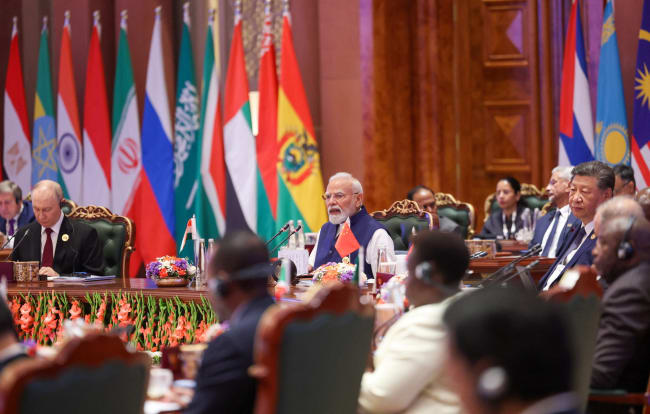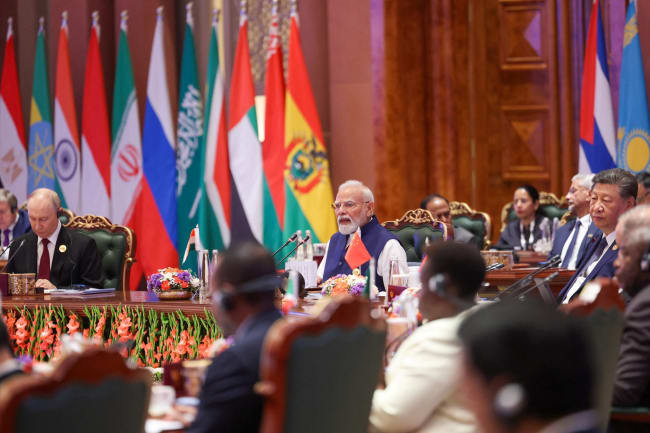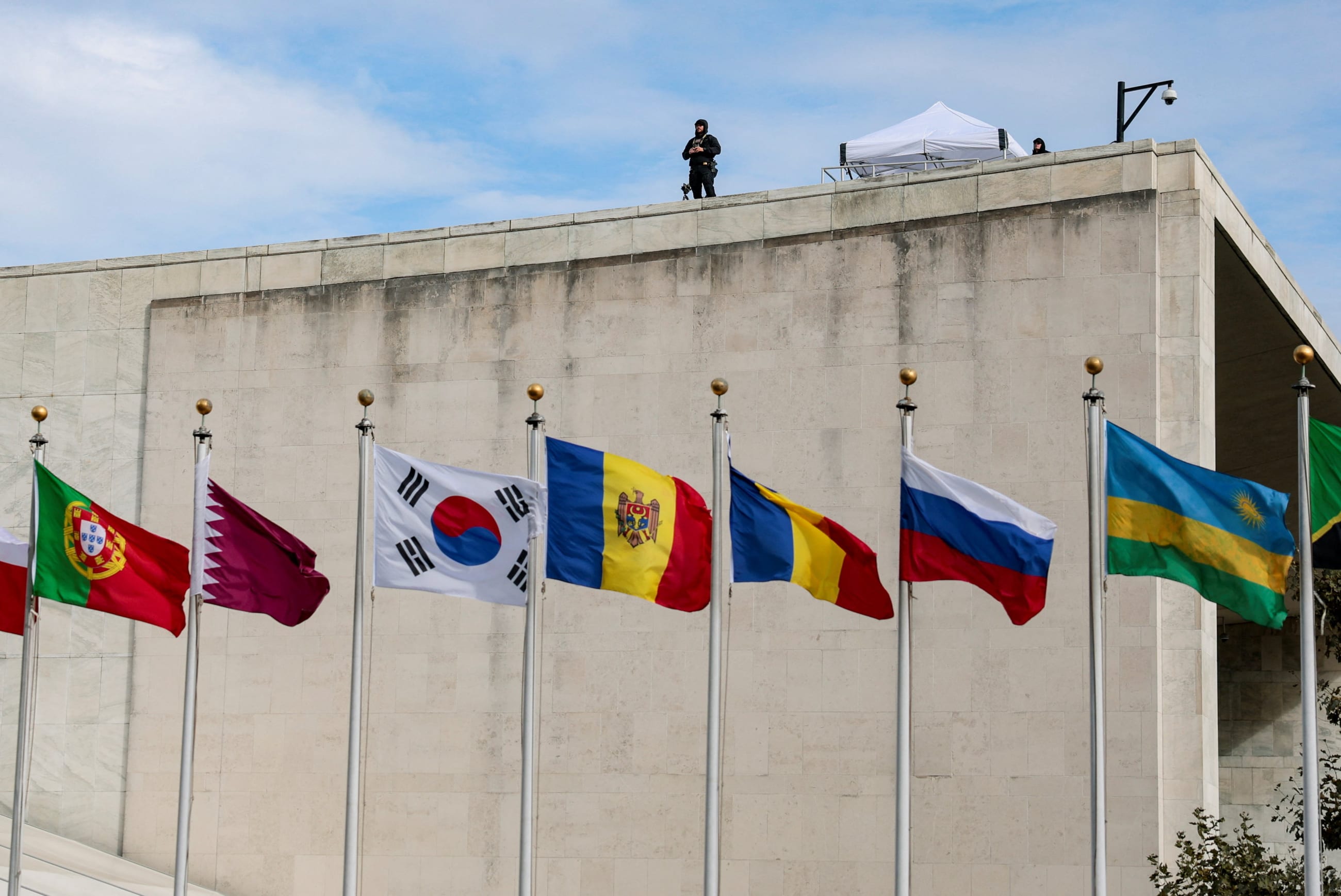
On September 25, heads of state meet in New York City for the second UN High-Level Meeting on Pandemic Prevention, Preparedness and Response, under the theme of equity and solidarity. The meeting's political declaration was negotiated in advance; leaders will adopt it, not debate it. The first such meeting, in 2023, committed to little beyond meeting again. Whether this meeting succeeds in guaranteeing countries timely access to vaccines in an emergency depends on what leaders commit to alongside the text, and the clearest test is Ebola.
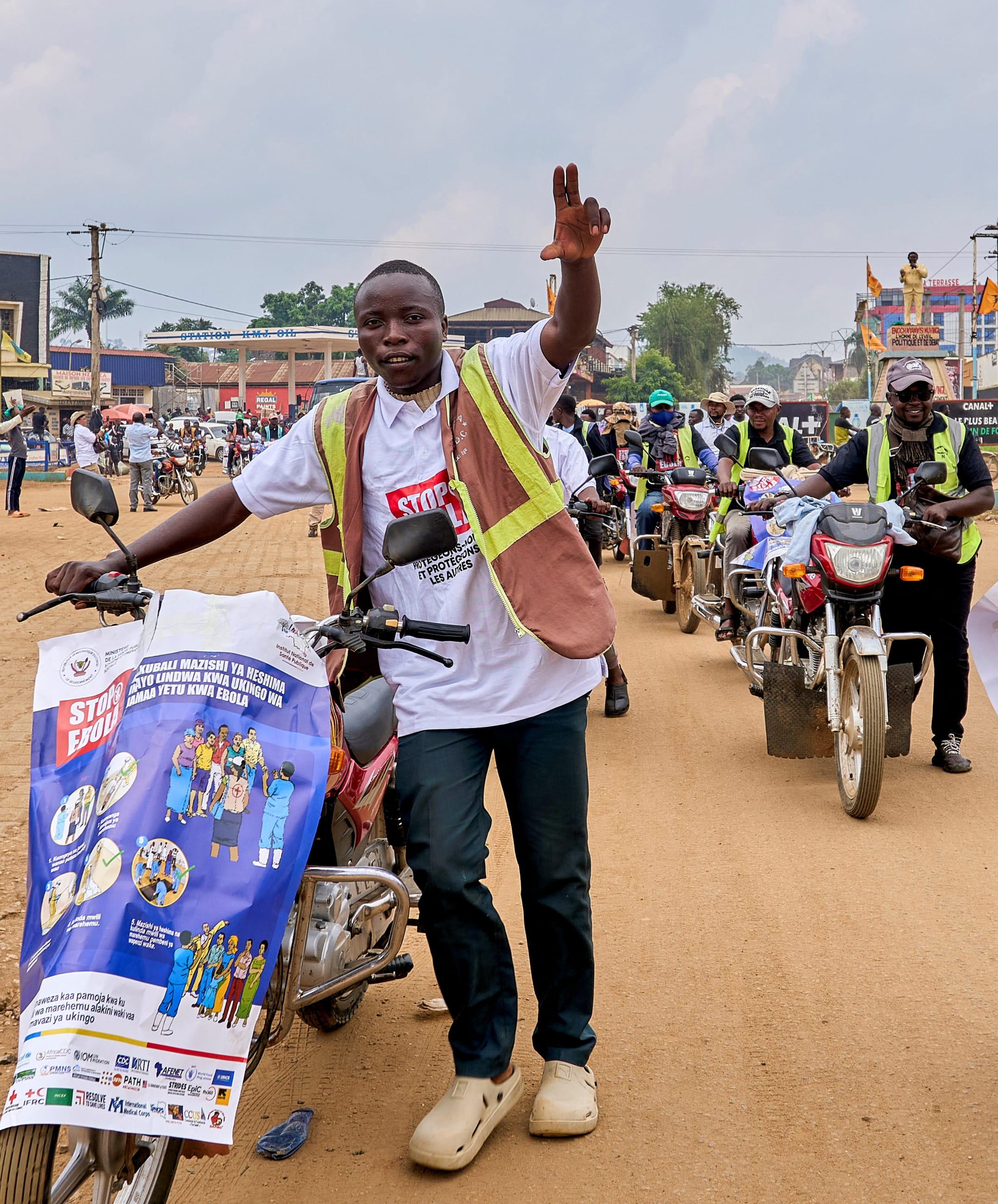
Since May 2026, the Democratic Republic of Congo (DRC) has been fighting an Ebola outbreak caused by the Bundibugyo virus, a species for which there is no licensed vaccine or treatment. Centered in the DRC's eastern province of Ituri, the current Ebola outbreak has become the fastest-growing and second-largest on record, and there have been more than 7,800 confirmed cases and nearly 3,800 deaths as of mid-September. The DRC has shared the samples and genetic sequences that vaccine developers need. The leading vaccine candidates, from Oxford and the Serum Institute of India and Moderna, entered first-in-human trials only this summer. The one led by an African manufacturer, Egypt's Minapharm, secured funding in late August.
Even if any of the trials succeed, access is set by the funder instead of the DRC. Under their agreement with the Coalition for Epidemic Preparedness Innovations (CEPI), Moderna has committed to at least 500,000 doses for low- and middle-income countries at access pricing if its vaccine is licensed. What remains unclear is what exactly the country that shared the samples receives: how many of those doses go to the DRC, when, at what price, what happens in the months before licensure, and when products move through trials and emergency-use pathways instead of sales.
A Treaty with a Gap at Its Center
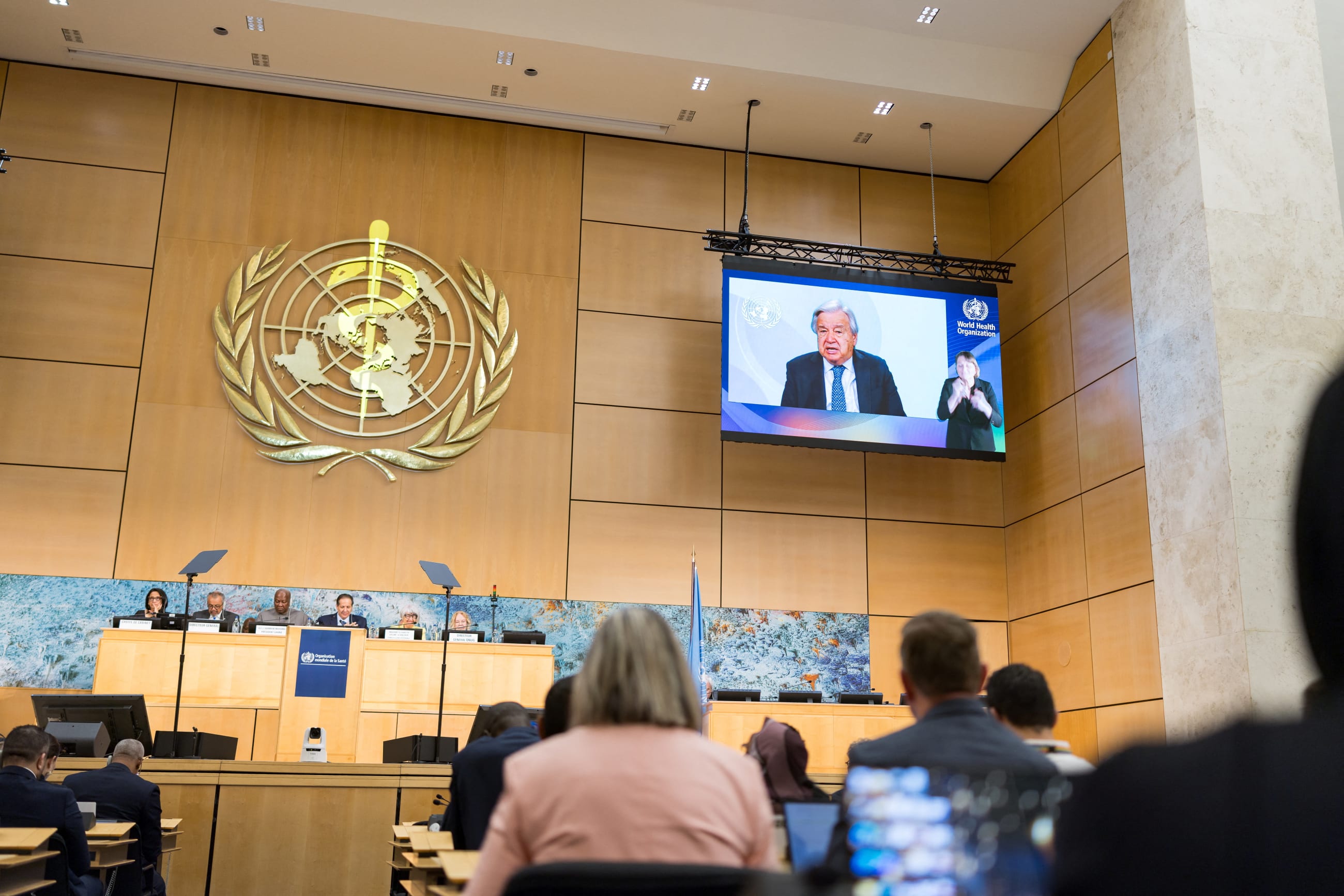
Trading samples for vaccines is exactly what the Pandemic Agreement of the World Health Organization (WHO), adopted in 2025, was designed to govern. But its rulebook for that exchange, an annex on pathogen access and benefit-sharing, is still under negotiation, and the agreement cannot open for signature until the annex is adopted. The draft declaration, as circulated in July, mentions a timely conclusion but sets no date.
Even a finished annex would not have helped the DRC prior to its Ebola outbreak. The agreement's firmest promise—that manufacturers make 20% of real-time production available to WHO with at least half donated—applies only [PDF] in a "pandemic emergency," a new, higher alert level created by the amended International Health Regulations, which entered into force a year ago. WHO has twice declared the Bundibugyo outbreak a public health emergency of international concern (PHEIC), its standard global alarm, and twice concluded that it is not a pandemic emergency. For these "lesser" emergencies, the agreement asks only that the annex include "options" for access to vaccines, treatments, and diagnostics. Options guarantee nothing, and they would be bargained over in the middle of a crisis.
The result is a system built for a COVID-scale event, not for the outbreaks that strike most often: regional, deadly, and too small of a market to draw manufacturers on their own. Africa imports about 99% of its vaccines, according to the Africa Centres for Disease Control and Prevention (Africa CDC). Its governments can run an outbreak response but cannot secure the countermeasures. Without agreed-upon terms, access will be decided the way it has been since Indonesia withheld its bird flu samples in 2007 [PDF]: case by case, midcrisis, by whoever controls supply.
A Bilateral Shortcut
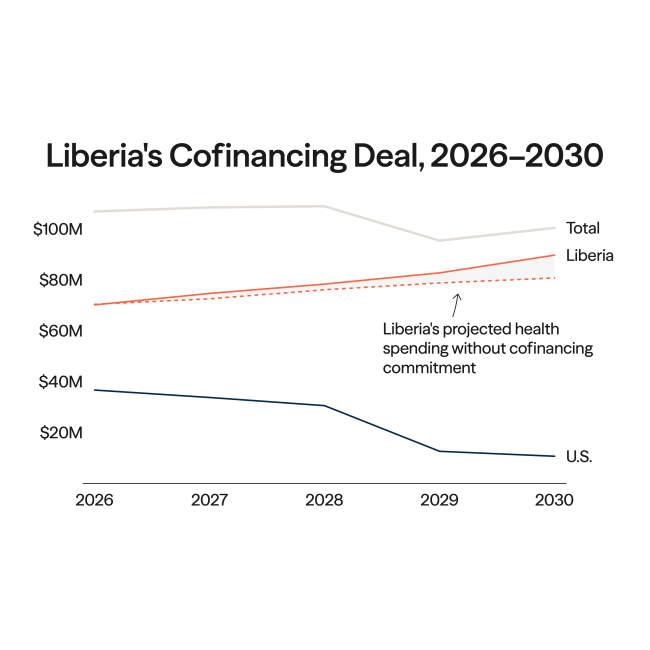
A different model is now filling the pandemic emergency gap. Since December, the United States, which formally left WHO in January, has signed bilateral health agreements with 35 countries, many of them in Africa, under its America First Global Health Strategy. The agreements restore part of the funding lost when the U.S. Agency for International Development (USAID) was dismantled. In return, governments commit to cofinancing and, reportedly, to sharing specimens and sequence data within five days of detection, with no comparable obligation to share benefits. Kenya's high court has suspended the data-sharing provisions of its agreement, and Zimbabwe declined to sign.
The DRC signed its own $1.2 billion agreement in February, three months before the outbreak was confirmed. The country at the center of this epidemic is therefore negotiating a multilateral benefit-sharing system in Geneva while bound to a partner that has rejected the Pandemic Agreement. This is not a criticism of Kinshasa, which took the funding available to it; it is the choice every country faces while the multilateral system is unfinished. Each bilateral deal gives wealthy states cheaper access to pathogens and less reason to concede on benefit-sharing in Geneva.
A Lever Countries Already Hold
The Geneva talks are stuck on politics. Countries with large pharmaceutical industries resist binding obligations on manufacturers, and the Africa Plus Group—the WHO Africa region plus Egypt, Somalia, and Sudan—and its allies refuse to guarantee pathogen access without them.
Nonprofit organization Knowledge Ecology International has proposed one way forward: move the obligation from the manufacturers to the market. Governments would require companies to hold a standard, binding WHO contract as a condition of registering and selling pandemic-related products, instead of as a condition of accessing samples. A company can sidestep a sample-sharing system by using freely published genetic sequences, but it cannot avoid the regulators and buyers it needs to sell its products.
This approach has limits. The DRC on its own is not a market that any manufacturer needs, and during an outbreak, products usually arrive through trials and emergency-use pathways instead of commercial sales. The lever works only if countries use it together: through the African Medicines Agency, pooled regional procurement, and, above all, WHO's quality approvals and Gavi and UN Children's Fund (UNICEF) purchasing, the channels through which most doses reach low- and middle-income countries. For Bundibugyo, CEPI aims to bring at least two vaccines to emergency-use authorization and WHO prequalification. That is where the condition should apply.
What Leaders Should Commit to on Friday
Leaders' leverage lies less in the declaration than in national statements, bloc announcements, and the design of the review that follows it. Four commitments from leaders would ensure a productive high-level meeting.
First, leaders should commit to adopting the annex at a special World Health Assembly session in 2026, which the current mandate allows. The annex should turn "options" into firm terms for all public health emergencies of international concern, not just pandemics: priority allocation of early supply, access to trial-stage products, and licensing commitments.
Second, African governments and like-minded partners should announce that their pooled-procurement bodies will make a standard WHO contract a condition of purchase, and ask Gavi and UNICEF, through which most doses reach low- and middle-income countries, to do the same. Regulators should apply it where they have discretion, in expedited and emergency pathways, without making it a barrier to standard registration.
Third, governments that have signed bilateral pathogen-sharing agreements should publish the terms. At renewal, they should insist on benefit-sharing no weaker than the multilateral standard. They should negotiate from a common African Union position, which the Sovereign Negotiators Network of the Accra Reset, an initiative of Ghana's president John Mahama, was built to support.
Fourth, the follow-up review, which will take place in three years according to the latest draft declaration, should formally draw on the recommendations of the Accra Reset's high-level panel on global health reform, which reported this week, and on WHO's parallel reform process. It should measure delivery with three indicators: days from an emergency declaration to countermeasures arriving in affected countries, the share of regional vaccine demand met by regional production, and the gap between emergency financing pledged and emergency financing delivered.
The Pandemic Agreement promises, in Article 12 [PDF], that sharing pathogen samples and sequences will be matched, "on an equal footing," by sharing the benefits. If health leaders leave New York City with a declaration and nothing more this September, the next country in the DRC's position will negotiate its terms from scratch, in the middle of its own outbreak. When leaders next take stock, they should be judged by one question: if another PHEIC occurred in the DRC tomorrow, would the DRC know in advance what it will receive for sharing its samples with the world?