This week, leaders will convene in New York to discuss progress and shortfalls in preparing for the next pandemic. The UN High-Level Meeting on Pandemic Prevention, Preparedness and Response on Friday, September 25 follows last week's eighth session of the Intergovernmental Working Group (IGWG) on the WHO Pandemic Agreement in Geneva to negotiate its Pathogen Access and Benefit Sharing (PABS) Annex.
On the surface, both meetings would suggest momentum toward a shared vision of global preparedness. Countries, however, still need to fill many of the gaps that delayed access to vaccines during the COVID-19 pandemic and more recently delayed detection of and response to one of the largest Ebola outbreaks in history. Rather than more negotiations, governments need a clear-eyed assessment of the persistent shortcomings and an actionable plan to address them. Although the agreement can establish norms and legal obligations and create mechanisms for coordination and accountability among parties, their impact will depend on how effectively parties implement them in domestic law, policy, and institutions, and on the existence of complementary efforts that lie beyond the scope of these agreements.
We propose five actions that countries, regions, and multilateral institutions can take to ensure more timely access to medical countermeasures during an emergency, regardless of what happens in New York or Geneva.
Gaps in the System
The objective of pandemic preparedness is straightforward: prevent outbreaks where possible, contain them early, and reduce their health, economic, and societal consequences when containment fails.
The objective of pandemic preparedness is straightforward: prevent outbreaks where possible, contain them early, and reduce their health, economic, and societal consequences when containment fails.
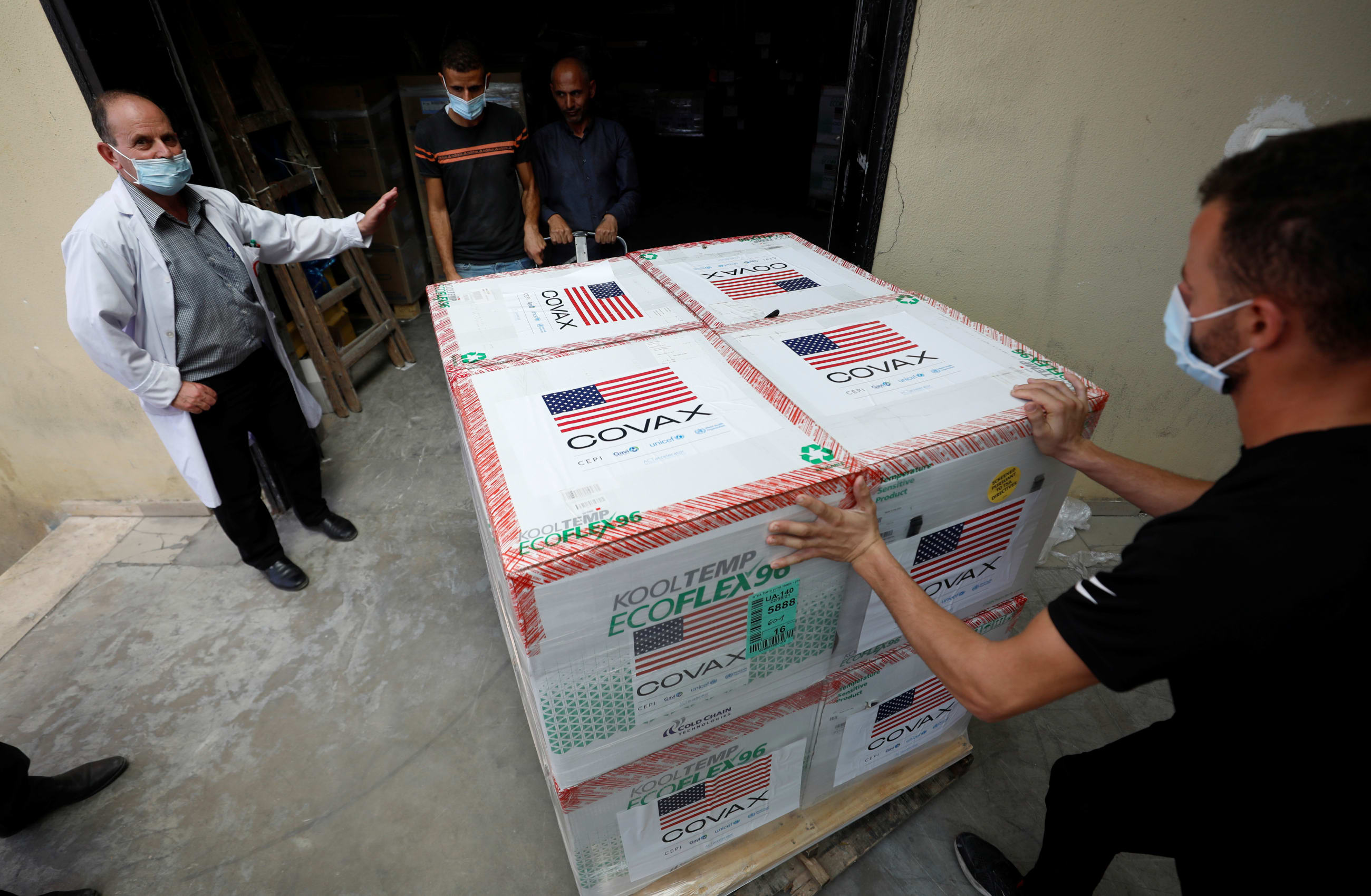
Achieving that objective depends in part on a comprehensive system capable of developing, manufacturing, and equitably allocating medical countermeasures, as well as on countries putting in place the regulatory, legal, and operational conditions needed to deploy them quickly. Recent health emergencies have exposed weaknesses at different points in this global system. The COVID-19 pandemic exposed how concentrated manufacturing capacity, supply chain constraints, unequal purchasing power, export restrictions, gaps in financing, and regulatory, legal, and operational barriers can delay access. Earlier and more equitable vaccination in low- and middle-income countries (LMICs) could have not only averted more than a million deaths, but also curbed the emergence of new variants that spread globally and affected both high- and lower-income countries.
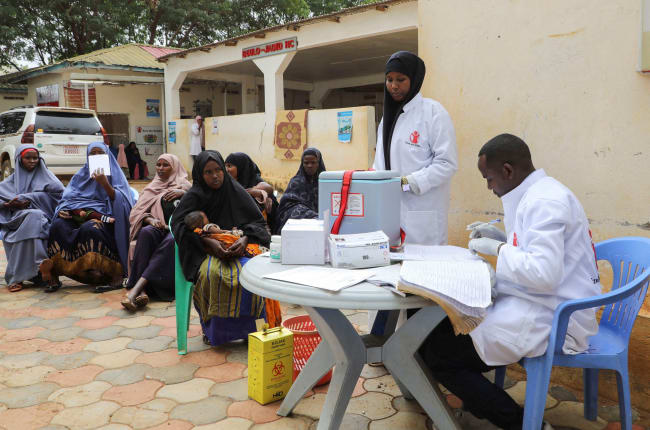
Recent mpox outbreaks illustrate some of the same issues. Although an effective vaccine was available for donation, some low-income countries could not accept or use it quickly because the necessary regulatory, liability, and delivery systems were not in place.
The ongoing Bundibugyo ebolavirus outbreak in Democratic Republic of the Congo (DRC) illustrates a different limitation. No licensed vaccine or specific therapeutic is currently available for this species, although candidate products are under development. This lack of availability reflects both market realities and the practical need to target limited public preparedness funding toward priority candidates—such as the vaccine for the Ebola Zaire strain, which has caused more outbreaks in the past—rather than develop medical countermeasures for every possible scenario.
Those failures have led many to question the fairness and effectiveness of the global health system and weakened confidence in health institutions. In response, governments have pursued several global health architecture reforms, including one to amend the International Health Regulations and adopt a new Pandemic Agreement in 2025. Those reforms are significant achievements; however, they will not on their own resolve the many constraints that enable timely access to medical countermeasures—one of the central promises of the Pandemic Agreement.
The Pandemic Agreement's Reach and Its Limits
The legal strength and specificity of Pandemic Agreement provisions vary, and many leave parties with considerable discretion over how they are implemented domestically. This flexibility was a result of political choices necessary to reach agreement. Despite its weak provisions, when in force, the agreement would provide an ongoing framework for cooperation, implementation, and accountability through reporting requirements and mechanisms that will be developed over time.
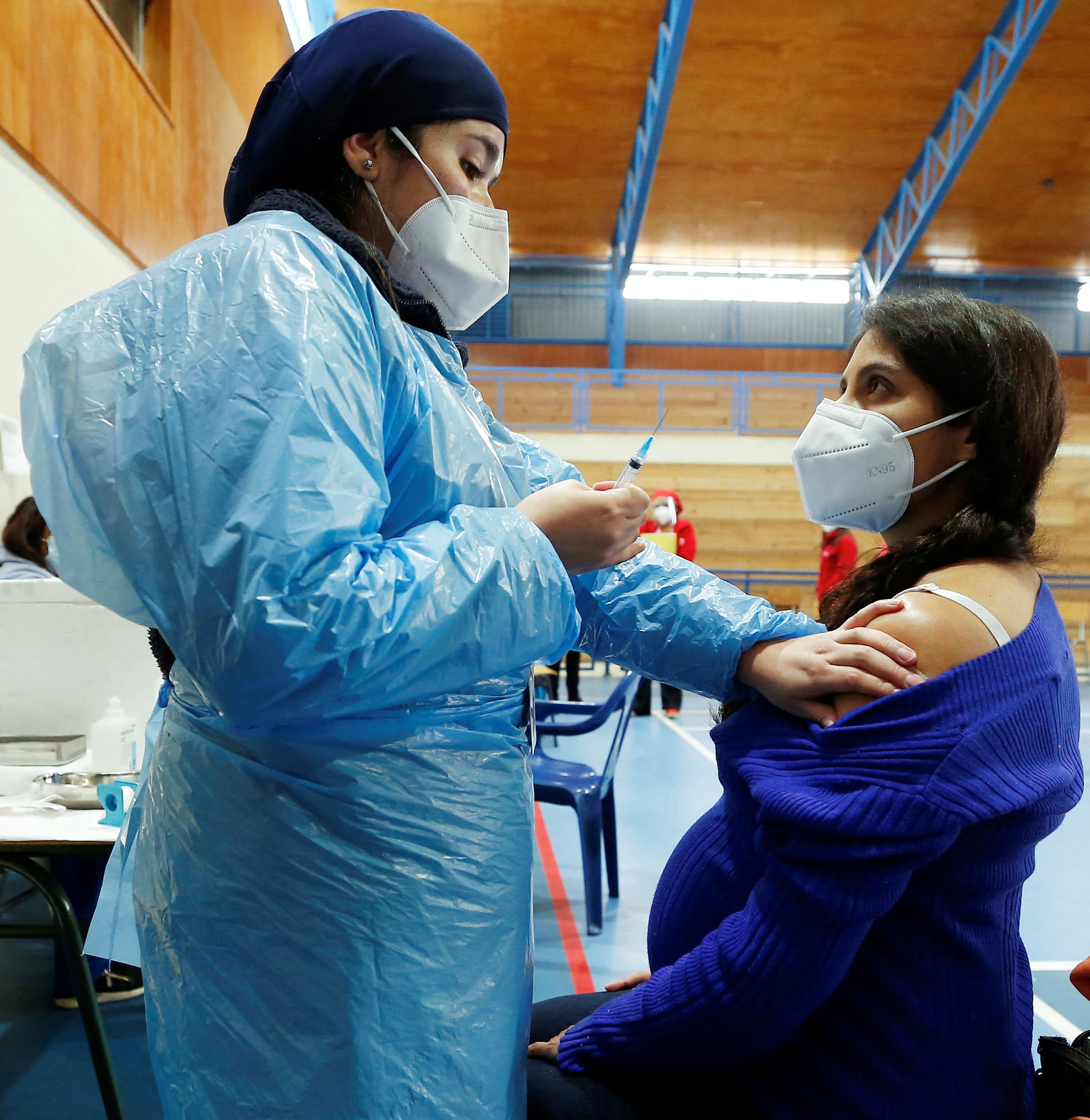
In addition to commitments to cooperate on research and development (R&D) and to strengthen regulatory systems, the agreement establishes the basis for the PABS system, which seeks to facilitate the rapid and timely sharing of pathogen materials and sequence information and the fair and equitable sharing of benefits arising from their use. During a pandemic emergency, the core benefit expected is rapid access to 20% of participating manufacturers' real-time production of vaccines, therapeutics, and diagnostics. The PABS system's legal and operational details, however, will depend on negotiation of its related annex as well as the legally binding manufacturer contracts and terms and conditions developed to support its provisions.
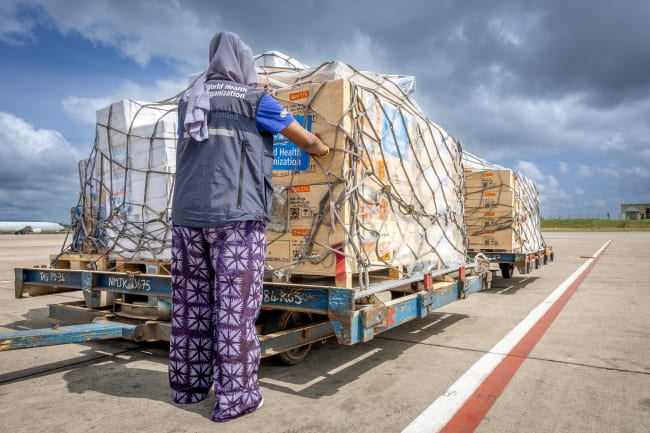
The agreement's practical effect on timely and equitable access to medical countermeasures requires structures outside the WHO's scope, and success will depend on whether and how capabilities are built around the agreement to support access. The final PABS system needs to create meaningful benefit-sharing obligations, including securing manufacturer contracts without slowing access to samples and sequence information. The agreement also either fails to address several important legal and policy barriers to access, or depends on governments doing so them to use other mechanisms. These include agreed frameworks for liability, indemnification, and no-fault compensation; access-friendly procurement arrangements during a pandemic emergency; and trade-related export restrictions. Many of the institutions and policy levers that govern financing, manufacturing, procurement, and trade also lie outside the WHO's authority.
Building Around the Agreement
Considering the timeline of the treaty process, the market realities of many high-consequence pathogens, and the policy levers beyond the WHO's mandate, five priorities on which countries could work alongside the Pandemic Agreement to improve timely and equitable access in the next health emergency stand out.
First, countries should strengthen domestic legal and operational readiness to receive and deploy medical countermeasures. As revealed during the COVID-19 pandemic, the availability of a vaccine does not mean that a country can use it. Inequitable access was the result of failures described in global allocation and domestic legal and operational barriers. Governments need emergency legal authorities and corresponding governance processes that enable streamlined procurement or acceptance of donations as well as emergency regulatory pathways or reliance on trusted external authorities. To manage associated risks, governments need liability, indemnity, and compensation arrangements, whether those rely on national, regional, or global mechanisms. Laws, regulations, and policies governing importation, national distribution, and administration of medical countermeasures to patients are also necessary.
Legal systems and institutional responsibilities differ by country, meaning that before products are needed this work must be nationally or locally led, coordinated across relevant ministries and institutions, and reviewed periodically between emergencies. Financing mechanisms such as the Pandemic Fund, multilateral development banks, regional institutions, and global health funds can support this work by funding legal assessments, model framework development, implementation plans, and simulation exercises to test the effectiveness of domestic authorities and frameworks.
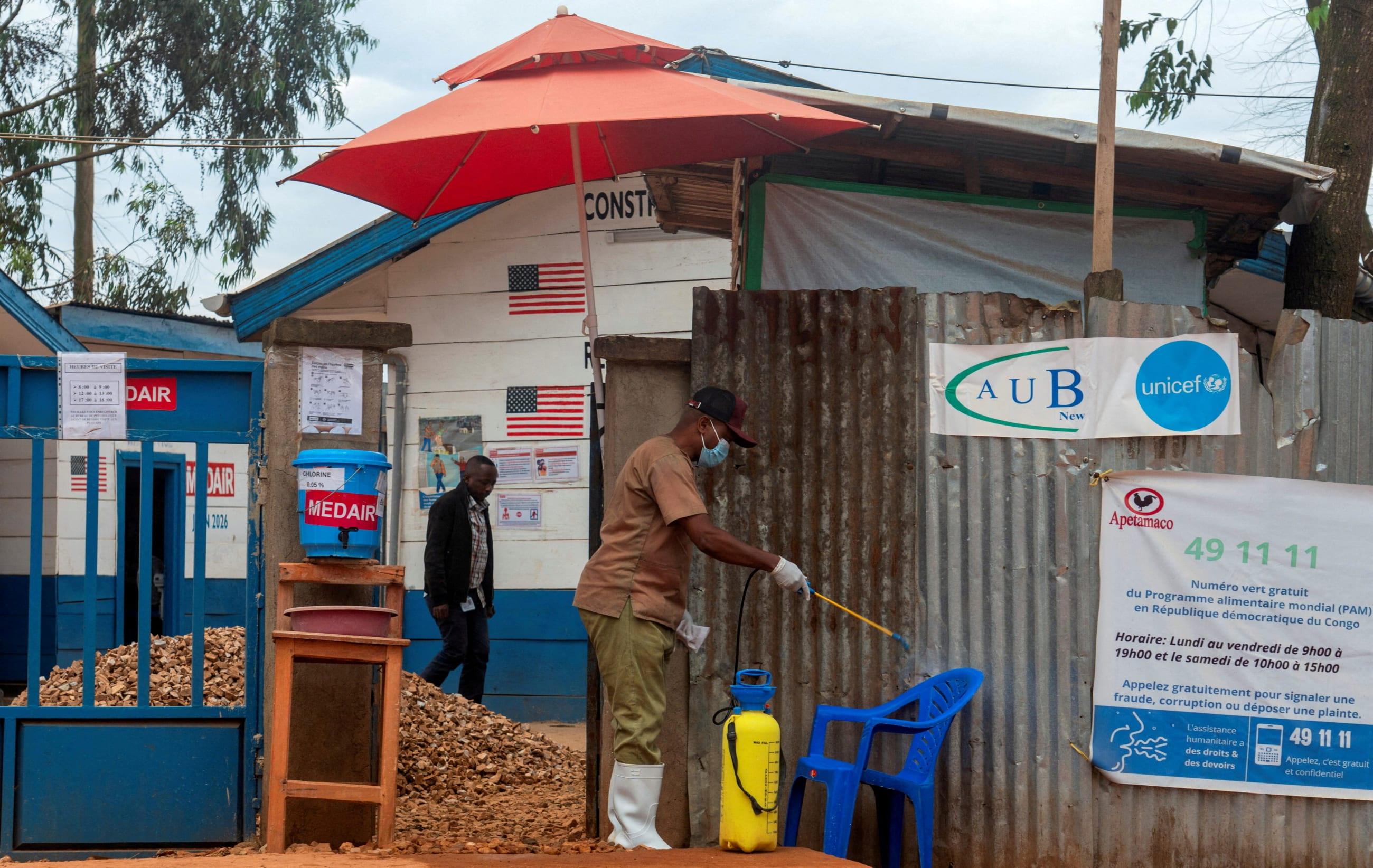
Second, countries should ensure adequate financing for the development of medical countermeasures that have weak or uncertain commercial markets. For many high-consequence pathogens that cause sporadic outbreaks—including Ebola, Marburg, and Nipah—the commercial demand is too low and variable to expect the private sector to sustain the development of medical countermeasures or the manufacturing capacity needed to produce them. As a result, their development has depended heavily on public and philanthropic financing. Existing Ebola virus countermeasures, for example, are the result of sustained investment by the United States, Canada, European country partners, multilateral initiatives, and affected countries. Without that sustained public financing and coordination, those products would likely not exist. Channeling these investments into R&D platforms, especially those that are sustained by stronger market forces and that can be relatively easily adapted, provides a more durable foundation for these efforts.
Despite important work under way to support this priority, current efforts focus on vaccines, leaving therapeutics comparatively neglected; at the same time, financing remains concentrated among a small group of governments and philanthropic organizations, is too driven by outbreak cycles, and is vulnerable to shifting national budgets and priorities. These efforts should be treated as standing preparedness infrastructure and receive predictable and sustained financing to achieve clearly defined objectives. Distributing costs across more governments, philanthropies, development banks, and global health institutions would make product development more predictable and resilient.
In addition, countries that fund robust research and product development portfolios could leverage that public funding to shape both access and innovation. CEPI's equitable-access policy provides a useful model. Funding agreements can balance domestic priorities with clear expectations for transparency, pricing, licensing, and global access planning.
Third, bilateral advance purchase agreements should support both national protection and broader access. Countries that have significant purchasing power will continue to use traditional advance purchase agreements or rely on advanced domestic R&D authorities that include hybrid development-procurement models to secure early supply during a health emergency or to maintain strategic stockpiles. These arrangements contribute to global access indirectly by incentivizing the private sector to maintain scalable manufacturing capacity and invest in platform technologies.
As noted, the Pandemic Agreement encourages parties to include provisions in national procurement agreements that address global access and arrangements to make some purchased products available to lower-income countries. To incorporate this into practice, governments should develop model clauses, before a health emergency, that not only preserve the ability to prioritize national needs but also make broader access part of procurement design rather than an improvised act after domestic demand has been satisfied.
In practice, these model clauses could reserve a defined share of early production for regional or multilateral allocation mechanisms or establish prices and percentages of production intended for donation directly to countries with fewer resources. They could also address strategies that permit adjustments to delivery schedules as domestic epidemiological needs change or that permit the donation, resale, or transfer of purchased doses to other entities—subject to appropriate regulatory, quality, and liability safeguards. This approach has the added benefit of allowing purchasers to secure lower prices for donation and signaling stronger demand to encourage manufacturers to scale supply more quickly.

Fourth, technology transfer arrangements and manufacturing readiness should be sustained between emergencies. During a pandemic, surging manufacturing will require technology transfer arrangements, but these are difficult to improvise in the middle of a crisis. Technology transfer requires capable facilities, trained workforces, effective quality and regulatory systems, reliable access to specialized equipment and expertise, and established relationships between technology holders and manufacturers. Such capabilities need to be developed, tested, and nurtured before countries need them. For example, the WHO and the Medicines Patent Pool established the mRNA Technology Transfer Program, its hub located in South Africa, to expand LMIC production capacity. However, its long-term goals remain constrained by systemic barriers, including shifting market demand, specialized workforce shortages, infrastructure gaps, and unaligned regulatory systems.
To be sustainable, however, manufacturing investments need to reflect local market realities, including the burden of disease in each country or region and the types of products that can be manufactured in each facility. Previous efforts to expand pandemic manufacturing capacity, such as the WHO Global Action Plan for Influenza Vaccines and U.S. investments in advanced manufacturing facilities, highlight both the value and challenges of maintaining manufacturing capacity between emergencies. Lessons learned from these examples show that available facilities and production lines are not enough without sustained demand, trained personnel, validated processes, quality systems, and viable operations between pandemics.
More sustainable investments should support facilities and partnerships capable of quickly shifting to pandemic production rather than maintaining idle capacity. Depending on the market and the platform, this effort could require multiyear contracts to create predictable demand, routine manufacturing of other products, ongoing technology or platform partnerships, periodic readiness exercises, or payments linked to demonstrated surge capacity. Public and philanthropic funders will similarly need to finance much of this capacity as standing preparedness infrastructure, manufacturers being engaged as essential, long-term operational partners.
Finally, financial and trade systems should be prepared to maintain access during crises. International health agreements will have limited impact if the necessary financing cannot be mobilized quickly or if trade measures significantly disrupt the movement of medical countermeasures or essential inputs.
The Pandemic Agreement states that emergency trade measures should be targeted, proportionate, transparent, and temporary; it entails no commitment to forgo trade restrictions in an emergency. This was a political decision that many governments deemed necessary after facing intense domestic pressure to prioritize their populations' needs. Understanding that export restrictions will likely be imposed during a pandemic emergency, governments should consider measures to address the export of both critical inputs and finished products. These could include national policies regarding advance notification, consultation commitments, time limits, and periodic review of export restrictions; exemptions for public health or humanitarian crises; exceptions for critical inputs; and commitments to not restrict products already committed to regional or multilateral allocation mechanisms. Different measures may require action through the World Trade Organization, regional trade agreements, or domestic trade law.
Financing arrangements should be established before a health emergency. Health authorities should collaborate with finance and development institutions to develop governance processes that establish triggers for mobilizing surge financing, leveraging pooled procurement, exercising debt flexibility, and channeling other fiscal support needed during emergencies. Governments should also establish clear protocols for activating and coordinating emergency intellectual property waivers. Changes to trade, finance, procurement, and intellectual property arrangements should be pursued through the relevant institutions in coordination with health authorities.
Aligning National Investments with Global Agreements
The adoption of the Pandemic Agreement is a significant achievement; however, even if the PABS annex is adopted by the Eightieth World Health Assembly in May 2027, implementation could take a decade or more, which is time the world cannot afford. More important, the agreement alone will neither change the incentives that influenced behavior during the COVID-19 pandemic nor address market realities that continue to pose challenges for pandemic preparedness. The priority for the next decade is to align national incentives with global preparedness efforts. Governments around the world will continue to prioritize fulfilling domestic responsibilities, but doing so does not need to be at odds with supporting a faster and more equitable global response.
Establishing the systems needed to ensure timely and equitable access to medical countermeasures in a crisis cannot rely on a small group of donor governments or global institutions; it will require national and regional leadership, strong public-private partnerships, and a wider distribution of investment, responsibility, and accountability.