Deforestation is in the spotlight as Brazil recently invested $75 million in paving the BR-319 highway running through the Amazon—all while positioning itself as a global climate leader at the upcoming thirty-first Conference of the Parties (COP31) and Climate Week NYC. The highway's development is raising concerns about threats to one of the world's most biodiverse regions and disruptions to a major global carbon sink.
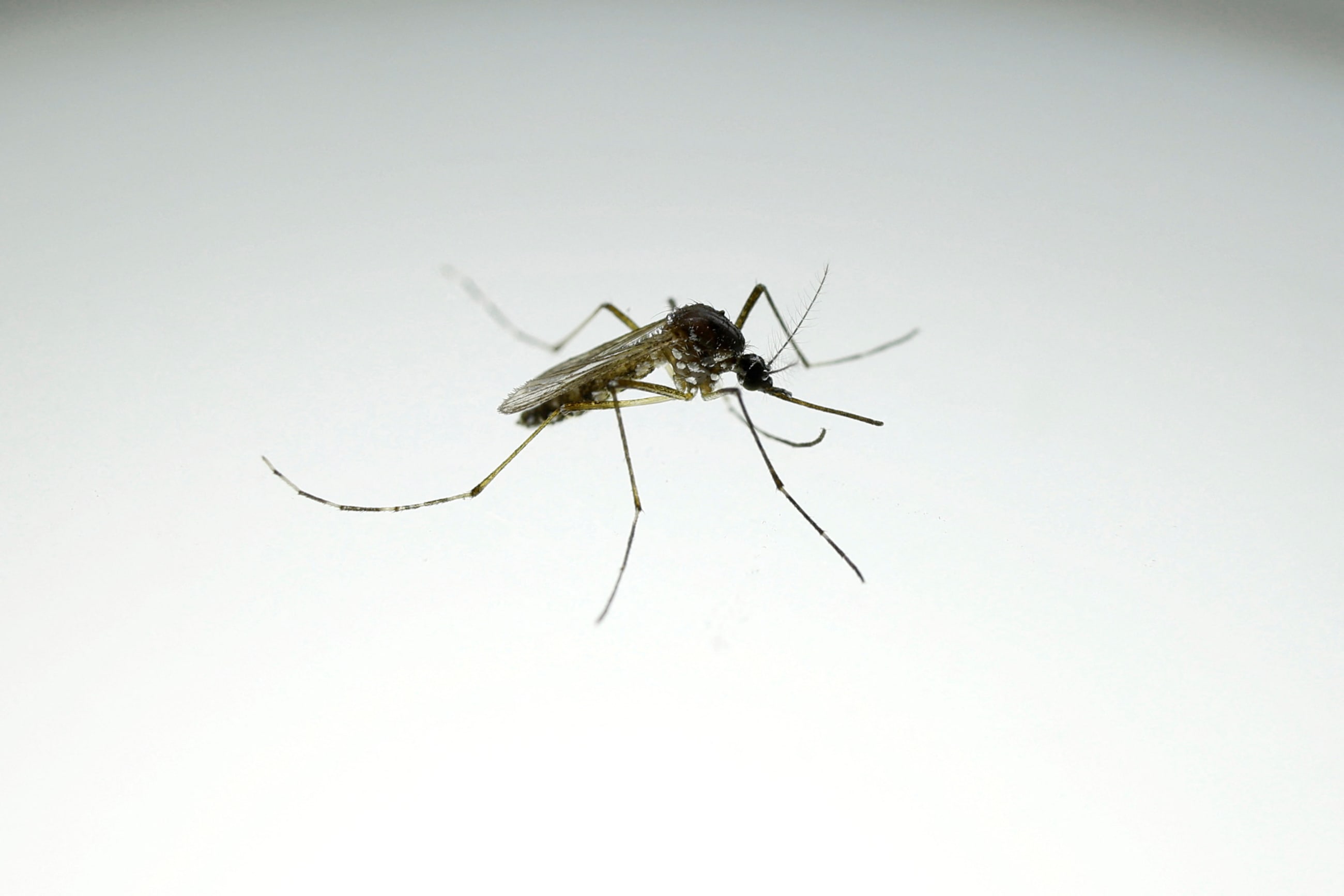
A recent Stanford study that links highway development to the spread of dengue emphasizes the need to also study potential health consequences before beginning construction. Dengue, a viral disease transmitted by the bite of an infected mosquito, is the fastest-growing mosquito-borne disease in the world. It causes high fever and flulike symptoms and, in severe cases, can cause serious bleeding, a sudden drop in blood pressure, and death. As construction continues across the Amazon basin, governments and developers need to assess and account for health effects in advance, balancing progress with both human and planetary health.
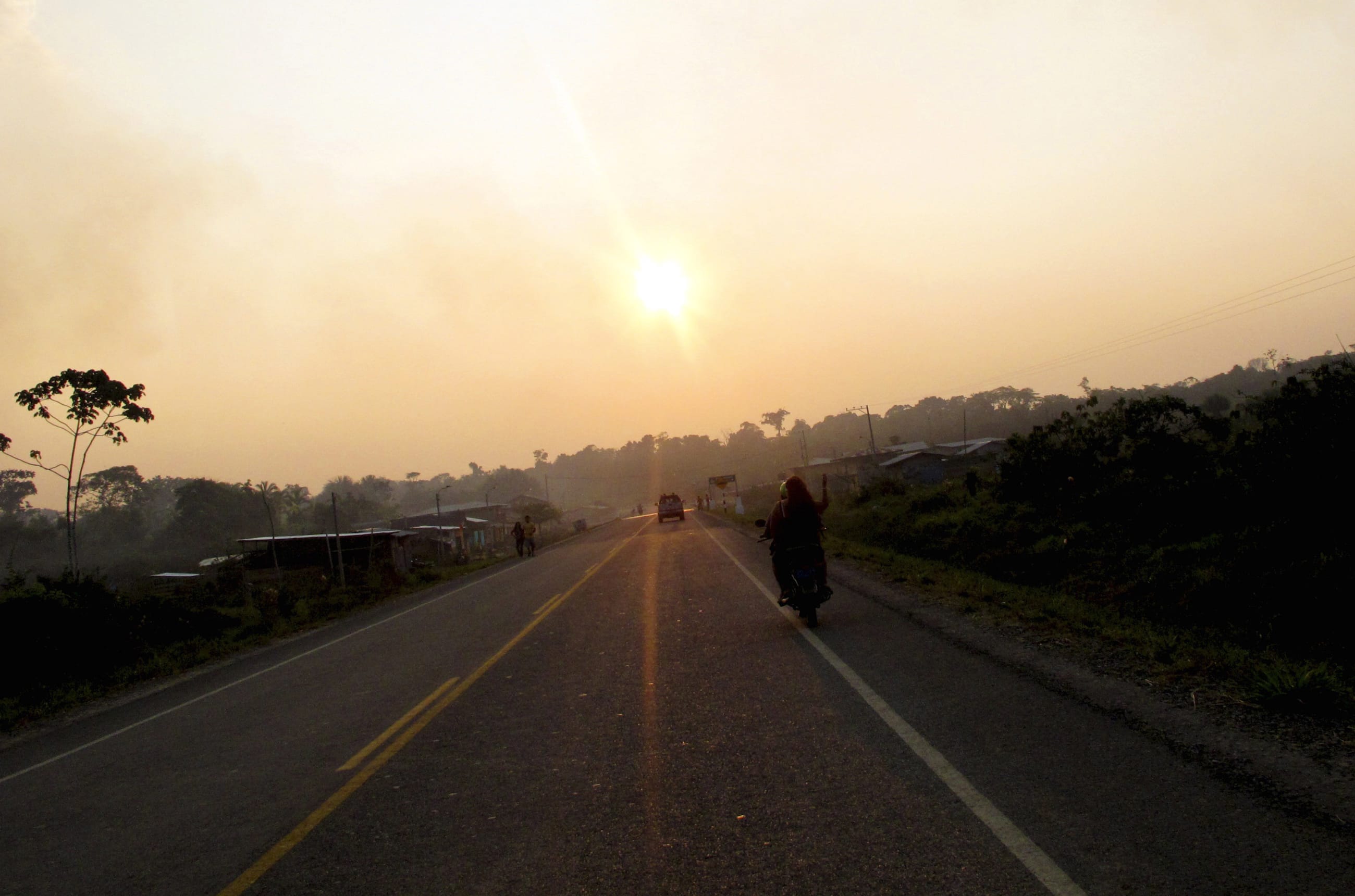
The study focuses on the Interoceanic Highway, a feat of engineering constructed from 2006 to 2011. The highway connects Bolivia, Brazil, and Peru and is the only highway to span South America from coast to coast. The Initiative for the Integration of Regional Infrastructure in South America—a development plan launched in 2000 with the intent of expanding trade and facilitating more seamless connection between South American nations—drove the project. But in connecting distant markets, the highway also created an expressway for disease.
The Cost of Connectivity
Led by Stanford University in collaboration with Universidad Peruana Cayetano Heredia (UPCH) in Lima, and the Peruvian Center for Disease Control, the study found that paving the Interoceanic Highway through Peru's Madre de Dios region in 2009 led to more than 10,000 additional cases of dengue over the following 14 years. Researchers applied rigorous statistical tools that ruled out other explanations such as population growth, climate change, or shifts in public policy.
"That's over half of all dengue cases recorded in the region of 200,000 people since the road was paved," emphasizes Alyson Singleton, Stanford Environment and Resources PhD candidate and lead author. Her idea for this research came from a visit to Madre de Dios with collaborators from UPCH. "Everyone there was talking about dengue, and after checking other reports, I learned that many residents thought that dengue had become more common since the highway was paved," says Singleton.
Researchers acknowledge that increased connectivity from road construction in the Amazon has complex economic, environmental, and health tradeoffs. Willy Lescano, a coauthor of the study and an epidemiologist at UPCH, recounts how the goal of connecting the Pacific and Atlantic via the Interoceanic Highway was to generate a pathway for Peruvian products to reach Brazil and European countries. Despite the anticipated decline of forested areas and protected lands, he recognizes that there were many expected benefits from expanded economic activity, such as increased trade and tourism.
Yet, as is often the case with development, there were unintended consequences, and enhanced connectivity has led to increased transmission of dengue.
Everyone there was talking about dengue, and after checking other reports, I learned that many residents thought that dengue had become more common since the highway was paved
Alyson Singleton, Stanford Environment and Resources PhD candidate and lead author
The Madre de Dios region was relatively secluded before the paving of the Interoceanic Highway, which created an international connection with Bolivia and Brazil. The highway's completion through forested areas has created more human mobility than the region had ever seen. Peruvian Ministry of Transport records showed that passenger traffic through Madre de Dios—including tourists, migrants, traders, and gold miners (both legal and illegal)—more than tripled by 2018 compared to rates prepaving. Researchers hypothesize that increased movement along the highway corridor introduced dengue virus into new locations through infected travelers, who may carry the virus in their blood without showing symptoms. Evidence also suggests that Aedes aegypti mosquitoes could have been unknowingly transported in vehicles traveling along the corridor.
In addition, many Indigenous communities live in voluntary isolation in the more remote areas of the region and have therefore been especially harmed by the road's construction; they remain vulnerable to the influx of diseases like dengue, primarily because of a lack of preexisting immunity.
Accounting for Human Health
Governments and companies currently use impact assessments to ensure that development is sustainable and does not harm local communities. By evaluating the benefits and drawbacks of a proposal before building infrastructure, decision-makers can fully understand the ramifications of a project before pursuing it, adjust plans to prevent and mitigate risks, and be held accountable by the public for their rationale.
Infrastructure Development Framework
But these tools are not always used in practice. According to a report published by the Inter-American Development Bank, the environmental and social risks of the Interoceanic Highway in the Peruvian Amazon were inadequately assessed [PDF] and largely circumvented meaningful public review. On top of that, none of the currently required assessments evaluate whether infrastructure projects could contribute to infectious disease transmission, as seen in Madre de Dios.
Lescano says that going forward, it is important to integrate public health into these assessments and enforce their use. "They shouldn't solely focus on economic or environmental outcomes, but also on how infrastructure can shape disease dynamics and community health." Although impact assessments within Peru currently prioritize contingency plans for responding to health emergencies after they happen, there is also a global push to mandate specialized health impact assessments (HIAs) that proactively evaluate potential health effects before development. HIAs emphasize community perspectives—such as the community reports of increased dengue transmission that sparked Singleton's interest in the region—and have been shown to address the health risks [PDF] of infrastructure development across sectors, including transportation. Embracing such approaches is especially pressing given the more than 12,000 km (7,456 miles) of road construction planned in the Amazon alone. Without new policies, roads may continue to spread disease.
Globalization is a dominant force, and it comes with a harsh reality: development brings opportunity but also health risks to people and the planet. Although these particular findings focus on one region of Peru, principal investigator Erin Mordecai, a Stanford associate professor of biology, notes that they have broader regional implications. "This study emphasizes the need to account for the health toll of development projects before undertaking them," she says, "and the moral imperative for plans to protect the most vulnerable."
EDITOR'S NOTE: Lead researcher Alyson Singleton collaborated with Kunal Arora on the writing of this article.