In June, the UN World Drug Report painted a stark picture: Drug-related deaths rose by 29% between 2013 and 2023, reaching nearly half a million [PDF], fueled in part by a synthetic drug supply that is more potent, unpredictable, and often moving faster than governments can respond. In 2024, just one in 12 people [PDF] globally received treatment or care for substance use disorders. But, as national governments and international institutions continue to debate drug policy, city governments are leading on lifesaving interventions to combat drug-related harms.
The city-first approach isn't new. During the HIV epidemic, leaders in cities such as New York pioneered harm reduction programs, community-based care, and partnerships with communities before many national governments adopted similar approaches. Programs such as needle and syringe exchanges and other locally led harm reduction initiatives were first developed and expanded in cities that were confronting the epidemic most directly. Local policies have been instrumental in reducing tobacco use, and cities were drivers of the COVID-19 response. Now, as illicit drug markets create new risks and challenge health systems' capacity to respond, cities have once again been the first to act.
Now, as illicit drug markets create new risks and challenge health systems' capacity to respond, cities have once again been the first to act
City leaders operate many of the systems that directly shape health, including emergency services, health clinics, social housing, and street outreach. Access to these systems has allowed a growing number of city governments to advance a public health approach to drug use: strengthening emergency services, monitoring changes in the drug supply, and improving systems to connect people to care.
More than half the world's population lives in cities, and urban areas are often where shifts in the illicit drug supply become evident first: on ambulance calls and emergency department admissions, in nightlife venues, and public spaces. The most successful cities have demonstrated that responding to drug-related harms requires connecting systems that have too often operated separately. City governments have a particular advantage in connecting services around the needs of specific neighborhoods, bringing together local providers and community organizations that understand who is being missed and where support and services are needed.
Athens (Greece), Baltimore (United States), and Rio de Janeiro (Brazil) are three examples of city-led policy that meaningfully reduced drug harms and improved the lives of people using drugs.
Local Evidence
Athens demonstrates how cities can use local evidence to shape national policy. In Athens, city leaders and public health experts documented that people who inject drugs were experiencing disproportionately high mortality, driven by overdose and hepatitis C. That data revealed a major obstacle to saving lives: Naloxone, the medication that reverses opioid overdoses, was only available for health-care provider use.
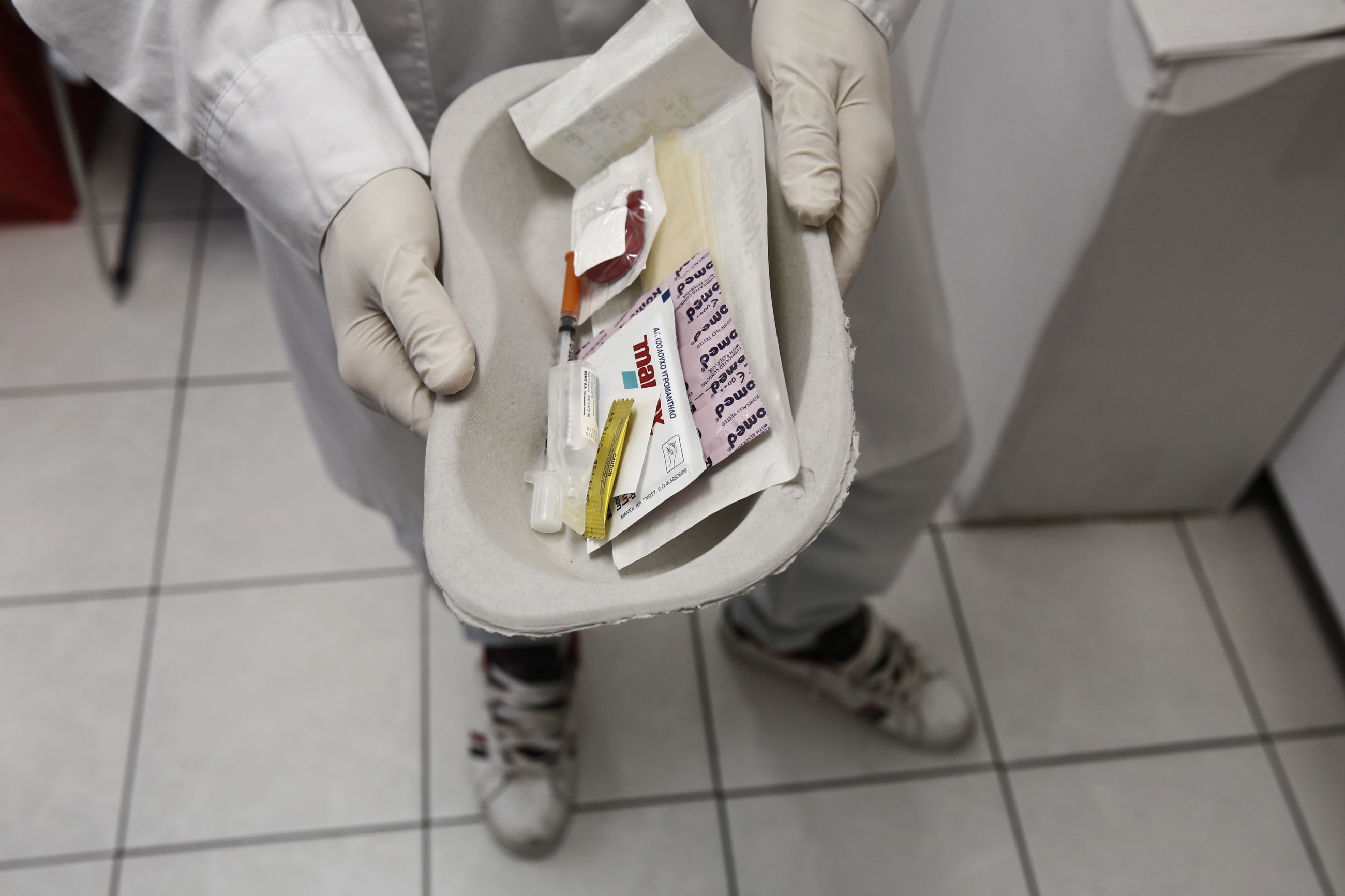
Athens city leaders and partner organizations such as the Hellenic Scientific Society for the Study of AIDS, STDs, and Emerging Diseases and Promitheas used this evidence to advocate for national reform. Their efforts helped build momentum to catalyze a change in Greek law, which now allows take-home naloxone to be prescribed and distributed more widely. Doctors can prescribe take-home naloxone to people who use drugs and to relatives, friends, and caregivers who may witness an overdose. Previously, naloxone access in Greece was restricted to emergency and hospital medical personnel. Now, the national agency for addiction treatment can train and dispense take-home naloxone directly to all participants in its programs across the street. Today, Athens is building on this policy change by training municipal health clinics and street outreach teams in overdose prevention and harm reduction.
Social Determinants of Health
The U.S. city of Baltimore, Maryland's approach showed how overdose prevention cannot be separated from other social challenges. Baltimore's new citywide overdose response strategy understands that people experiencing homelessness face higher risks of fatal overdose. Rather than treating homelessness and overdose as separate policy issues, the city's health and homeless services departments are working together to identify, design, and integrate harm reduction strategies into shelters, and to evaluate how these changes affect residents' health. The city is also expanding access to naloxone, drug checking, and syringe services. The strategy reflects an often-overlooked reality: People cannot benefit from services that are designed in isolation from the circumstances in which they live.
This coordination is important because one policy can undermine another. For example, health and street teams may distribute naloxone and other resources for safer drug use even as shelter rules may prevent people who use drugs from storing these supplies in their residence. Baltimore is working to identify and address those kinds of barriers rather than leaving its health and homelessness systems to operate separately.
Cross-Sectoral Collaboration
Rio de Janeiro, Brazil, offers a third lesson—that responding to drug-related harms requires governments to work across sectors, not just within health departments. Through the city's Seguir em Frente ("Moving Forward") program, established in 2023, three municipal departments—Municipal Health Secretariat, the Municipal Secretariat for Social Assistance, and the Municipal Secretariat for Labor and Income—coordinate health care, housing, social assistance, and employment support for people experiencing homelessness with complex needs. To date, according to the Rio de Janeiro Municipal Health Secretariat, more than 6,200 people have participated in the program.
Outreach begins with community health teams who connect vulnerable people with low-barrier therapeutic services offering care, counseling, skills training for income generation, and pathways to permanent housing. The model recognizes that reducing drug-related harms requires more than emergency response. It depends on health, housing, and social inclusion working together.
These city responses differ in design and context, but they share an important central tenet: each starts with a specific local problem and uses the systems and partnerships already in place to address it.
Through the Partnership for Healthy Cities—a global network of more than 70 cities working collaboratively on high-impact public policies and interventions that can save lives—city leaders from dozens of countries are strengthening efforts to prevent overdoses and support people who use drugs to survive. Together, these efforts are building the practical knowledge that cities can draw on to address similar challenges.
National governments can help cities by removing legal barriers—as Greece did when evidence and advocacy from Athens helped expand access to naloxone. National governments can also provide funding and incorporate local city-led approaches into national policy and guidance, like naloxone distribution or early warning systems.
Cities are demonstrating what an effective public health response looks like in practice. Community organizations bring trusted relationships and direct knowledge of what people need. City governments bring the services and public systems that can turn that knowledge into action. Fundamentally, city-led coordinated public health responses will address drug harms more effectively than political delays, disconnected policies, or reliance on arrest and punishment.