On May 6, during the public address for the latest National Drug Control Strategy, drug czar Sara Carter said that in order for the United States to better respond to fatal overdoses, a change of course was needed.
Rather than rely on harm reduction strategies that, as Carter claimed, "promote continued use without treatment," the focus on substance use disorders would now be long-term sobriety. "For those already suffering from addiction, our goal is to make treatment easier to access than continued drug use," she said during her speech.
To help accomplish that vision, the United States would attempt something new, Carter said: invite faith-based organizations into its drug control strategy, including those providing addiction treatment. "Faith has also proven profoundly effective for so many recovering from drug addiction," she said.
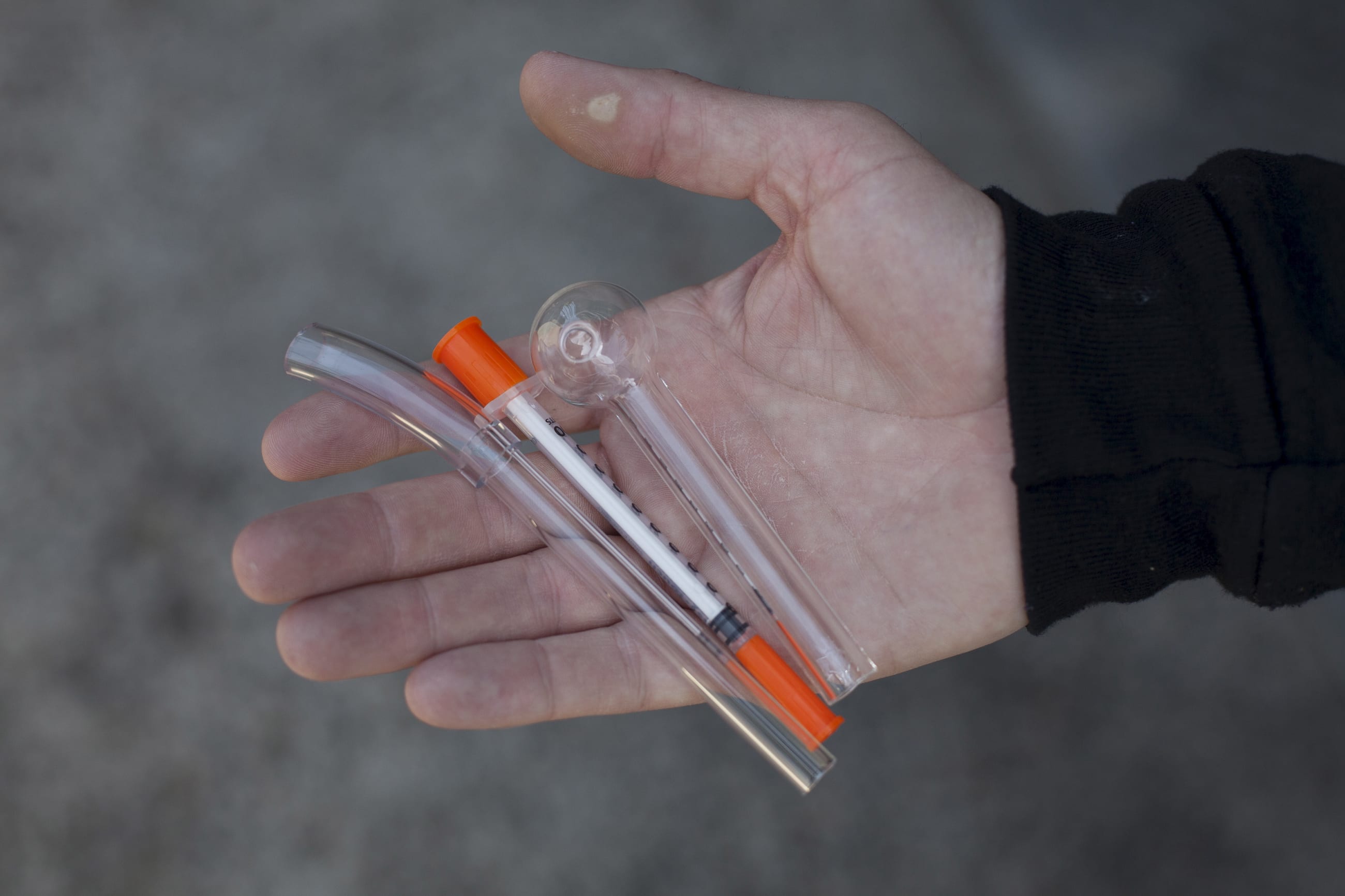
Faith-based drug treatment is a broad spectrum of addiction programs centering on religion or spirituality, and many champion abstinence. One of the most widely known examples is the 12-step program. Harm reduction, meanwhile, is a school of treatment focused on minimizing the risks from substance misuse backed by academic research to increase treatment uptake and reduce health harms. These include needle exchanges, drug checking services, and opioid prevention centers, otherwise known as safe injection sites.
There is absolutely no focus on evidence
Erica Poellot, executive director of Faith in Harm Reduction
The 2026 National Drug Control Strategy [PDF] suggests that faith-based services will be required to follow evidence-based care. But the administration's support of these treatments and its dismissal of harm reduction is not informed by the science, said Reverend Erica Poellot, the executive director of the nonprofit Faith in Harm Reduction. "There is absolutely no focus on evidence," she said. While it's been suggested that faith is associated with less drug misuse, a paper published in March concluded that spirituality does not conclusively alleviate cravings. And although faith-based treatments like the 12-step program boast anecdotal success, Poellot said there's "very little to no evidence that they actually work."
Think Global Health contacted the Department of Health and Human Services and the Office of National Drug Control Policy for comment, but neither replied before publication.
Blind Faith
This grounding of faith within the National Drug Control Strategy isn't unexpected. The Trump administration has, in recent months, repeatedly signposted its support of faith within addiction treatment.
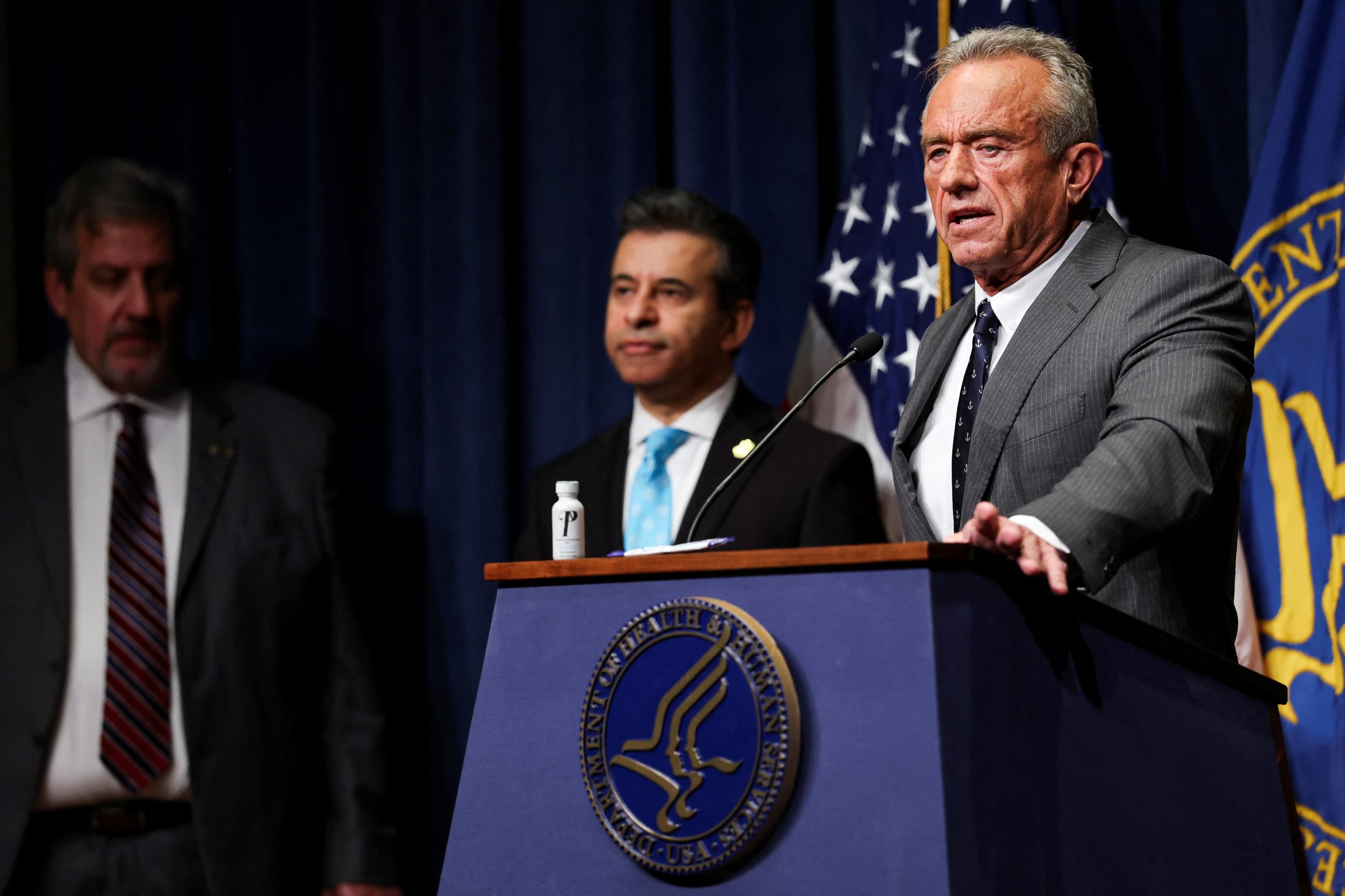
In February, Health Secretary Robert F. Kennedy Jr. claimed that addiction is a "spiritual disease," and that faith-based drug treatments are "scientifically proven to work." In March, the United States launched the Center for Faith, an online resource assisting religious organizations access federal grants. Substance use disorder recovery is listed as a priority.
RFK Jr. has long credited one 12-step program with ending a 14-year heroin addiction in his youth, but there are countless anecdotes of people across the world citing faith's role in their recovery. Services following the 12-step model, such as Alcoholics Anonymous, are widespread within the United States, offering clients free access to community support outside of professional care. Some Christian rehabilitation services, many embracing the 12-step model, also self-report high rates of patients remaining sober after treatment.
Yet the administration's decision to embrace faith in addiction treatment has raised alarm among experts, including Poellet.
"We know that things like syringe service programs, naloxone, and these myriad other strategies are extraordinarily effective," said Alexandria Macmadu, a substance use epidemiologist and assistant professor at Brown University. "To reallocate funds to strategies that aren't evidence-based—that don't have the wealth of science and literature behind them—feels deeply worrisome and short-sighted."
Laura Guzman, the executive director of the nonprofit National Harm Reduction Coalition, also said this direction is concerning and part of the administration's larger shift away from evidence-backed drug treatments.
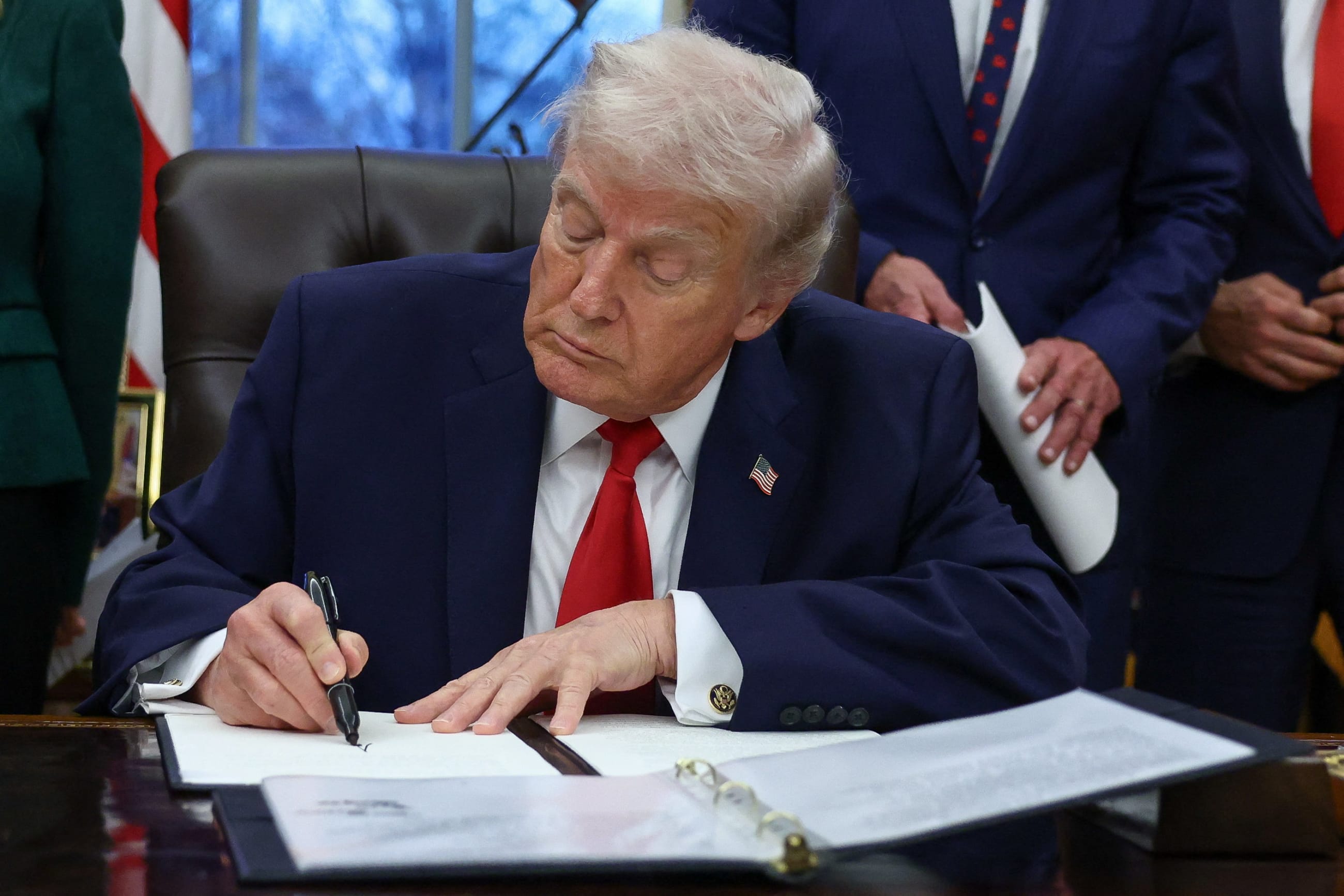
Last July, Donald Trump signed the executive order Ending Crime and Disorder on America's Streets, which banned federal funding for services associated with harm reduction. Broader harm reduction initiatives—specifically medications for opioid use disorder like buprenorphine and methadone—have received federal support under the Trump administration to expand access. However, in a letter sent in late April [PDF], Christopher Carroll, principal deputy assistant secretary of the Substance Abuse and Mental Health Services Administration (SAMHSA), encouraged practitioners to consider tapering patients off these medicines, despite clinical research suggesting the benefits of their long-term use.
"The paradox is [that] the very things that are evidence-based are not actually supported by this administration," said Guzman. "The very things that we know work."
A 2019 systematic review of the 12-step program suggested that it was more effective than standard, nonpharmacological treatments like motivational and cognitive behavioral therapies. But the authors found that 85% of the papers cited had a high risk of bias because they relied on self-reporting. The following year, a Cochrane review concluded that 12-step programs were more effective than nonpharmacological therapies for treating alcohol use disorder—albeit with a success rate of less than 50%. However, the majority of studies included in the review were again considered to use low-quality evidence. It's also been suggested that the 12-step program can harm those following its practices, ranging from being ineffective to leaving them vulnerable to sexual assault.
Diana DiNitto, a professor of alcohol studies at the University of Texas at Austin and coauthor of the 2019 study, said quantifying the effectiveness of 12-step programs is difficult because of how ambiguous the gains can be. "Is it the spiritual part? Is it the support that they feel being with other people who have shared the experience that they have?" DiNitto said. "Even in controlled studies, what is the mechanism that's really making the change for people?"
DiNitto said she sees positives in these programs, but to say that they're scientifically proven is incorrect: "It can be certainly helpful for many people, but I wouldn't set it up as the pinnacle of help."
Jennifer Grant Weinandy, an assistant professor of psychology at Ohio University who has researched how religious communities view addiction and addiction treatment, agreed that faith-based treatment can be effective—but only as long as programs are also following evidence-based systems, such as cognitive behavioral therapy or harm reduction. "This is maybe one good option for some people, but it's not the only option, and nor should it be," Grant Weinandy added.
Although the ability to access any addiction treatment—religious, spiritual, or otherwise—is crucial, some faith-based organizations have historically rejected evidence-backed care. In an extreme case, residents of an Australian faith-based, women's-only service were exposed to a range of traumatic events [PDF]. Some were sexually assaulted; others received exorcisms rather than health care.
This is an outlier, but many faith-based rehabilitation facilities do avoid well-established addiction practices. Methadone and buprenorphine are first-line responses to opioid use disorder in the United States and overseas, including Australia, Canada [PDF], and Ukraine, and the treatments are recommended by the World Health Organization, suggested to cut overdose risks by half. However, a class-action lawsuit is currently underway against the Salvation Army, after the Christian charity, which operates faith-based treatment programs nationwide, barred patients who were prescribed these medicines.
In 2024, a survey of 66 programs in North Carolina found that faith-based services were seven times less likely to provide these medications than secular programs. Some of the faith-based facilities incorrectly suggested to the paper's authors that these medications were harmful, and that the best treatment for addiction was embracing Christianity.
Although not every patient desires these medications, discouraging pharmaceutical interventions wholesale can have consequences, said Jennifer Carroll, an associate professor of medical anthropology at the University of North Carolina and the 2024 study's lead author. Research has suggested that fatal overdoses are more common when opioid use disorder is treated without medications.
There's "really no excuse," Carroll said, for programs to not offer efficacious medical treatments for addiction. Although multiple avenues for treatment are important, any national addiction policy should be informed entirely by science, she added.
"We as a country need to be putting our money behind evidence-based practices that are proven to save lives," Carroll said. "It doesn't matter whether it's faith-based or not."