Recent funding cuts for international aid and biomedical research have jeopardized a crucial piece of the global health ecosystem: the development of new therapeutics for so-called diseases of poverty, such as malaria, tuberculosis, and neglected tropical diseases.
In response, global health advocates have focused on crafting policy solutions or funding interventions to encourage prevention and treatment development, including Gavi's First Response Fund, which incentivizes vaccine manufacturers to respond quickly to the Bundibugyo Ebola outbreak. But these prescriptions often neglect the role that scientists themselves can play in filling this gap.
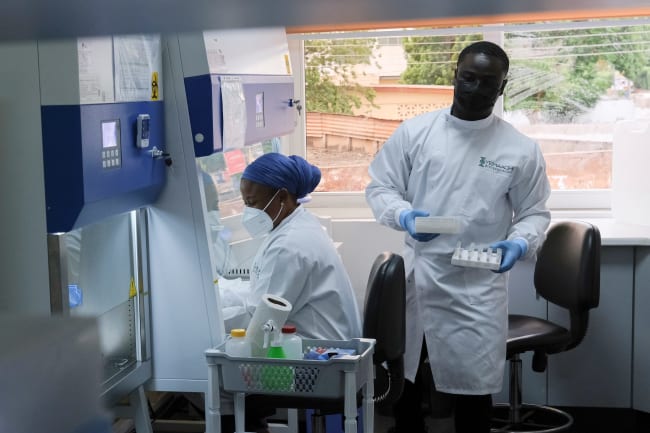
In South Africa, biomedical researchers are demonstrating how to take matters into their own hands through the creation of new technologies that catalyze drug discovery and manufacturing. In producing technologies that bolster each step of the global health drug-development pipeline, South Africa shows how local innovation can reduce reliance on companies and research institutes in high-income countries. Local drug development could ultimately provide a more reliable and cost-effective option for global health.
An Imperfect but Functional Past Paradigm
African sleeping sickness is a terrifying disease that most people around the globe have never heard of, thanks to pharmaceutical innovation. In 1999, roughly 28,000 people were afflicted with chronic sleeping sickness, but by 2025 the global prevalence dropped to a mere 430 cases. This decline exemplifies one of the most functional aspects of a previous paradigm in global health drug development, one that reigned before many high-income countries and pharmaceutical firms discontinued research on infectious diseases for underserved global populations.
Local drug development could ultimately provide a more reliable and cost-effective option for global health
African sleeping sickness occurs after a person is bitten by an infected tsetse fly. The Trypanosoma brucei parasite invades the body and the central nervous system, causing hallucinations, convulsions, aggression, and sometimes death. Those in resource-poor and rural areas were most vulnerable to the parasite, but because many of those patients would be unable to afford an expensive treatment, pharmaceutical companies declined to develop one at all.
However, the collaborative development of fexinidazole, a highly effective oral treatment, altered the fates of sleeping sickness patients. The project, led by the Drugs for Neglected Initiative, began in 2005 by searching a database of abandoned pharmaceutical molecules—in a process called compound mining—for their efficacy against neglected parasites. Fexinidazole, the eventual cure for sleeping sickness, was discovered in the compound library of Sanofi. Researchers at the University of Glasgow recognized that the molecule held potential as a cure for sleeping sickness after it controlled infections in mice; subsequent studies attributed fexinidazole's efficacy to its damaging of the Trypanosoma parasite's DNA.
Then in 2009, Sanofi agreed to join forces with the Drugs for Neglected Diseases Initiative (DNDi) to escalate from successful animal trials to sleeping sickness patients. Once fexinidazole was proved efficacious in humans and was approved for treatment in 2018, Sanofi donated the drug to governments of nations including Angola, Central African Republic, the Democratic Republic of Congo, Guinea, and South Sudan. Fexinidazole is now recommended by the World Health Organization as the first-line treatment for all cases of African sleeping sickness, except advanced disease.
Fexinidazole's development cost more than $64 million and required collaboration from governments, private donors, and researchers across academia and pharma. But the payoff was worth the cost: African sleeping sickness is now almost completely eliminated globally.
The near-eradication of African sleeping sickness shows that pharmaceutical innovations are an indispensable tool in global health, especially when they are produced to scale. The development of fexinidazole followed the old global health drug-development paradigm, in which academia identified new molecules before they advanced to pharmaceutical companies for testing and manufacturing. If the target population was unable to pay for the resultant drugs, high-income governments or firms assisted in distributing therapeutics.
In short, markets alone fail to incentivize pharmaceutical companies to independently develop drugs for resource-poor populations. Collaborations across the public and private sectors, like Sanofi's and DNDi's, have been more successful in producing effective treatments for neglected diseases—at least, until recently.
A Fragile System Falls Apart
Within the last few years, the pathway that worked previously—albeit imperfectly—began to crumble. Funding cuts and pauses to biomedical research at the U.S. National Institutes of Health and National Science Foundation have amounted to nearly $32 billion as of January 2026. This trend is strongest in the United States but not exclusive to it. In February 2026, United Kingdom Research and Innovation "paused" funding opportunities including immunity and infection, which disrupted critical investigations into novel treatments.
This belt-tightening has accelerated the exit of pharmaceutical companies from the infectious disease space. At one point, 15 global pharmaceuticals partnered with DNDi, but now only seven remain. Even existing medicines may no longer make it to patients because of global divestment from international aid. For fiscal year 2026, 9 out of 10 donor nations reduced their funding pledges to the Global Fund to Fight AIDS, Tuberculosis and Malaria.
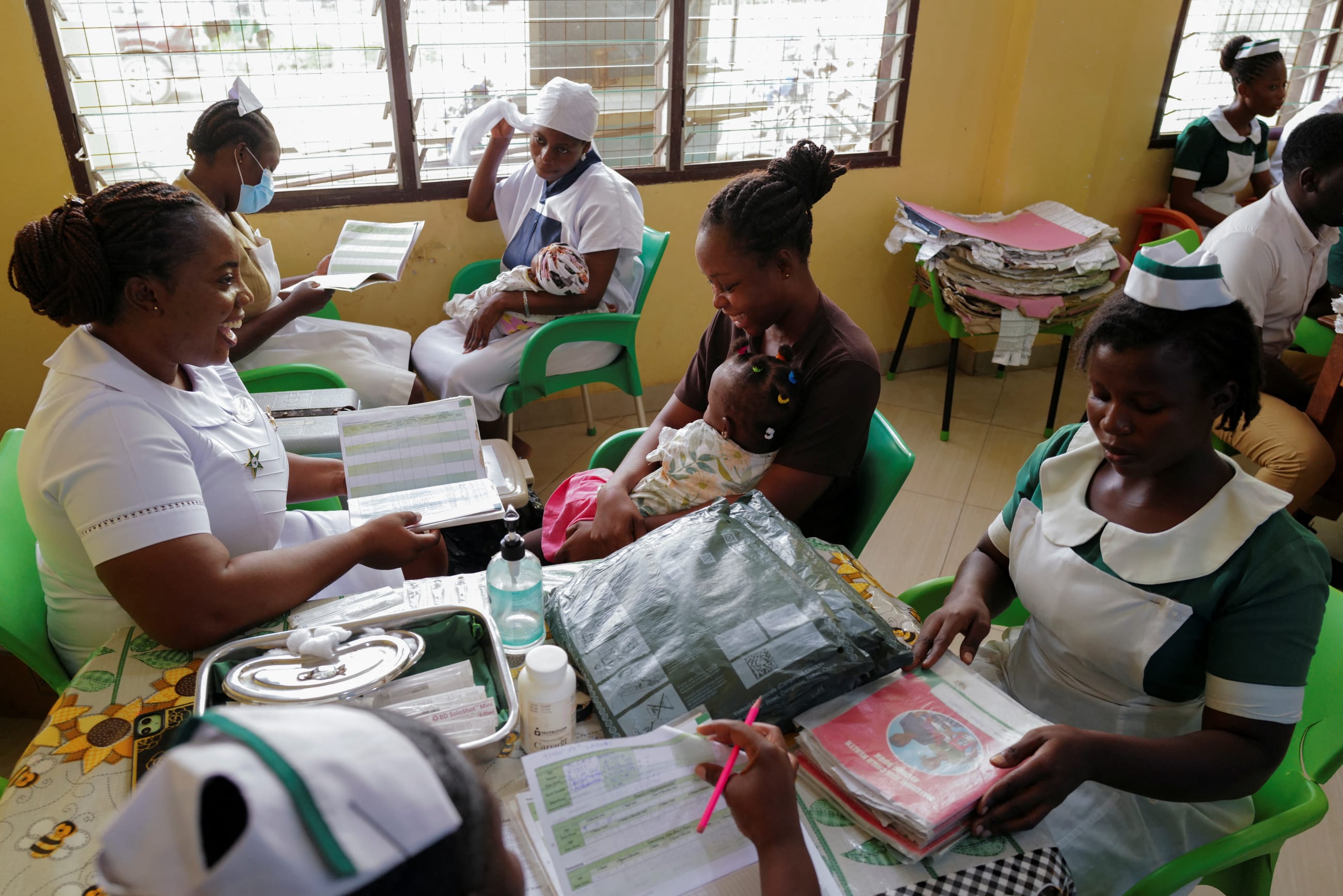
A once-thriving ecosystem of global health actors is now greatly diminished, and the effects will be felt for years to come. Reductions in research could mean few to no new treatments for diseases of poverty within the next few decades.
The alarm bells are ringing for global health, as many advocates stress the dire consequences of decreased funding and implore governments to change course. Some have suggested public funding schemes or other creative financing interventions to encourage pharmaceutical companies to continue studying infectious disease. An example is the U.S. priority review voucher for neglected tropical diseases (NTDs), which encourages companies to pursue an NTD drug project in exchange for faster drug approval. Such policy solutions provide an incentive for U.S. pharma to study NTDs, but the focus on policy and funding interventions overlooks a critical tool for filling the present vacuum in global health: scientific innovation in and for low-resource settings.
South African Innovation to Rescue Global Health Drug Development
Scientists in South Africa showcase how innovation can enable local drug discovery for local diseases at every stage of the drug development pipeline, instead of relying on high-income nations and firms.
In the first stage of the pipeline, a candidate treatment needs to pass a rigorous gauntlet of tests before continuing to human trials. If its performance is suboptimal at any point, it is adjusted, and trials begin anew. Because the prospects of success are so low, scientists send many molecules through the process simultaneously. Depending on preliminary results, they then decide which to prioritize.
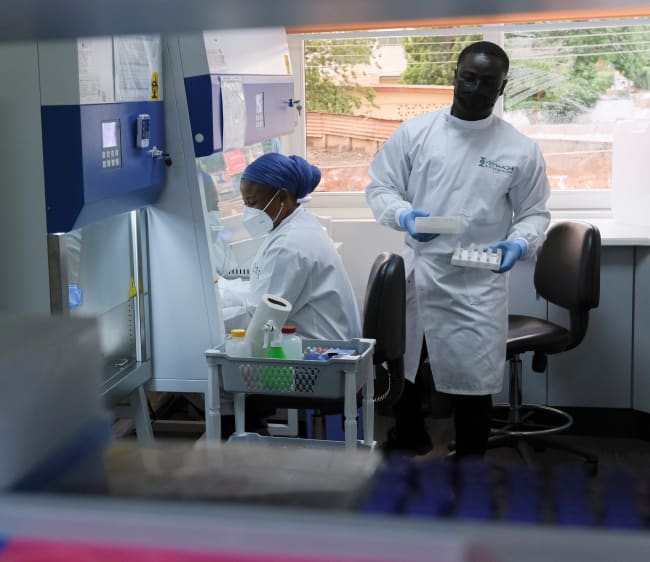
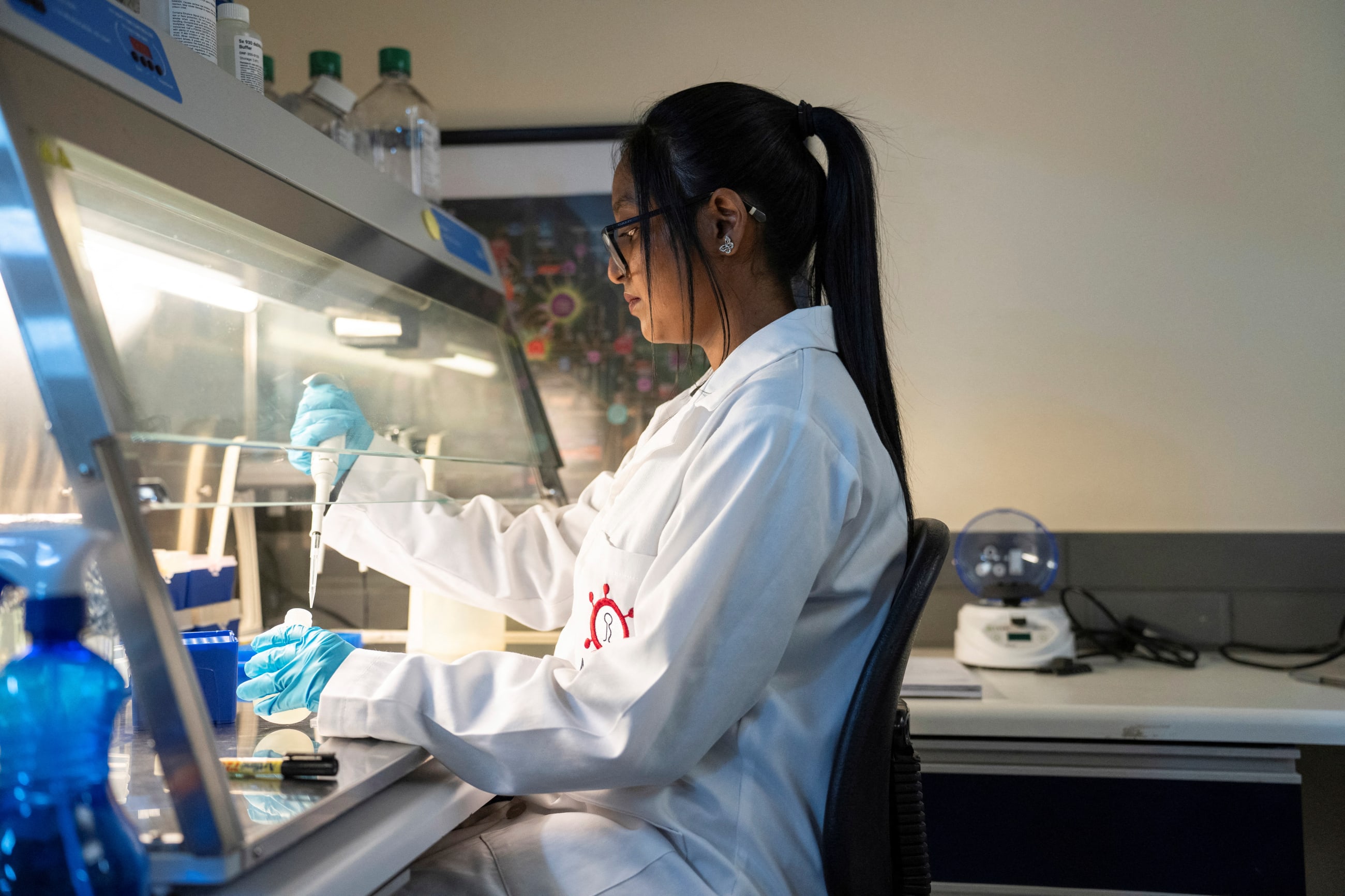
At the University of Cape Town's Holistic Drug Discovery and Development Centre (H3D), computer scientists have designed ZairaChem, a new artificial intelligence (AI) model, in partnership with the Ersilia Open Source Initiative, to facilitate tuberculosis and malaria drug discovery. The model ranks candidate molecules based on their probability of success, as predicted by prior molecules' results. This allows scientists to more wisely allocate time and money across candidates when resources are scarce.
Once a drug candidate is produced, it needs to be tested in animal subjects and then in human patients. These studies can be costly, but new research tools are bringing them within reach. Consider, for example, the problem of drug manufacturing for clinical trials, which requires collaborations with pharmaceutical firms that produce active ingredients. Few of these facilities currently exist on the African continent, and importing the molecules can be extremely expensive.
South Africa's FuturePHARMA facility provides an innovative alternative. Instead of simply mimicking the mass production technologies from established manufacturing sectors, they have engineered a more scalable process that uses continuous flow chemistry to create a constant stream of drug production, lowering overall costs and emissions. Continuous flow chemistry is more precise than traditional batch chemistry because it better controls heat and mass transfer. Reactions are therefore of higher yield and require fewer energy and resource inputs.
FuturePHARMA's efforts demonstrate that locally based drug development benefits from new research tools that have unique strengths, such as precision, modularity, and sustainability. These also enable increased local drug discovery, which could result in greater attention to tropical diseases that were long neglected.
After a potential drug candidate has been developed, pharmaceutical companies coordinate manufacturing and distribution. Nascent biotechnology companies in South Africa benefit from a platform approach in which technologies are applied to multiple diseases. For instance, Afrigen Biologics initially developed the capacity to produce mRNA vaccines in response to COVID-19, but they then repurposed their facilities to advance vaccines for tuberculosis, mpox, gonorrhea, and Rift Valley fever, for which Afrigen now has a vaccine in Phase I clinical trials.
Although Afrigen focuses on vaccine production as opposed to drug development, their success is still relevant to therapeutic discovery in the budding African biotech ecosystem. Platform-based approaches do not rely on the success of any single entity, which makes them more sustainable. If the drug-development project for one disease fails, researchers with a platform can more easily repurpose their expertise and equipment to another disease. They also maximize the return on investment of developing new technologies in low- and middle-income countries because the technologies created with the investment can be applied to multiple different diseases.
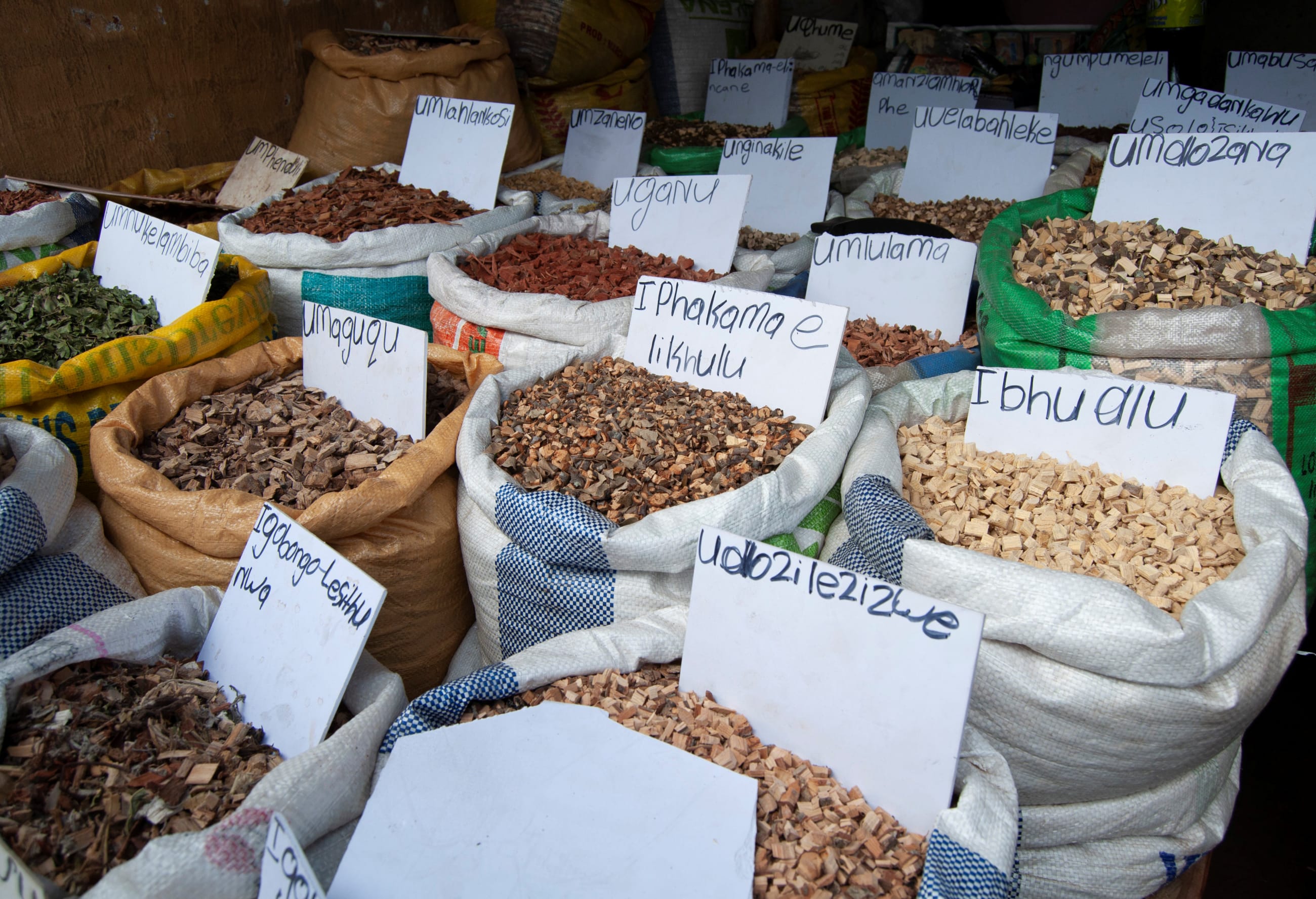
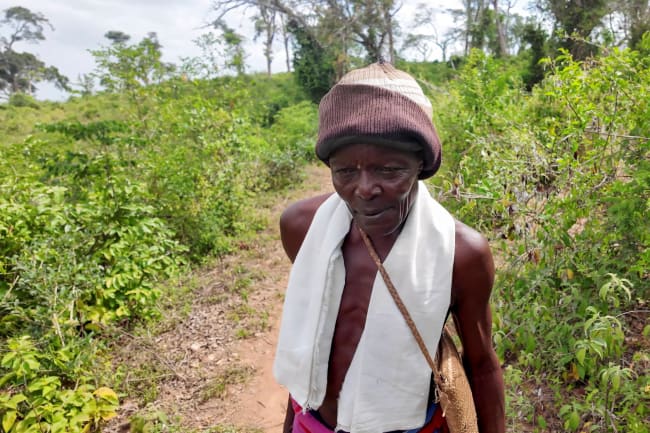
Increasing local research capacity also enables community engagement, which has historically been fruitful for global health interventions. For example, artemisinin, an antimalarial agent, was identified from traditional medical knowledge about sweet wormwood plants, which have in turn been identified as a treatment for malaria in texts as far back as 300 to 400 AD. Today, the South Africa Natural Compound Database solicits community contributions to build a collection of natural products for drug discovery. At later stages of drug development, community engagement can also enable representative participation in clinical trials and shape decisions about how drugs are packaged and delivered in accordance with community acceptability standards.
Spreading the Science
Although South Africa's funding availability and capacity for research is unique on the continent, this model of innovation is replicable and spreading to countries with fewer resources. Through capacity-building efforts like the Grand Challenges Africa Drug Discovery Accelerator, South Africa's expertise is catalyzing new drug-development projects in Cameroon, Ghana, and Zimbabwe. In Cameroon, artificial intelligence, new research tools, and a platform approach are being harnessed to glean new SARS-COV-2 antivirals from African medicinal plants. These treatments would act as proof-of-concept for the researchers' new AI model, and they could prove far more accessible for local populations than past therapeutics like Paxlovid, which was denied to African researchers by Pfizer in 2022.
Science alone will not bring about an equitable, sustainable future for global health drug discovery, but it has a part to play. In the future, policy interventions built on this scientific scaffolding can underpin local drug-development efforts. But in the meantime, it is imperative that scientists all over the world take after South Africa's model. Innovation that enables local drug discovery can hasten a future in which neglected diseases are a relic of the past.