On July 7, attacks resumed on ships in the Strait of Hormuz and throughout Iran, ending the Iran War's ceasefire less than one month after a peace agreement was signed by the United States and Iran. In addition to prolonging fuel and shipping disruptions, the re-escalation of U.S.-Iran tensions renews concerns about long-term ramifications of the conflict-driven economic disruptions on the pharmaceutical supply chain. The war reveals that little research has been done on the way supply-chain shocks to upstream inputs—like petrochemicals, which are used in every stage of the drug manufacturing and distribution process—impact essential drug costs and availability.
A March analysis in Think Global Health (TGH) explored the pharmaceutical supply-chain weaknesses exposed by the Iran War, including regional dependencies and transportation vulnerabilities. This new analysis builds on that prior work to better understand how the Iran War's upstream supply-chain shocks affected petrochemical and transport inputs, and how those volatilities translate into changes in the wholesale cost for 10 commonly used essential medicines.
Through drug-price breakdown modeling, TGH estimates that during the Iran War, rising prices of petrochemicals involved in drug manufacturing—propylene, benzene, and ammonia—and ocean and airfreight transportation drove up the costs of wholesale drugs by 16% to 141%. Across all drugs and types of transportation, the model estimates that wholesale drug prices increased 75% since the war's outset, with most of that increase taking place between May and July, largely driven by ocean shipping costs. Methotrexate—a benzene- and ammonia-derived drug with clinical use in cancer treatment—saw the largest increase, and metformin—an ammonia-derived drug with clinical use in type 2 diabetes—saw the smallest.
Economic shocks and supply disruptions can be a revealing stress test for pharmaceutical supply chains, and the Iran War is a sobering reminder of the industry's vulnerabilities. Although inventory buffers have cushioned the blow of oil disruptions for consumers, this analysis suggests that generic medicines are highly sensitive to oil shocks. Pharmaceutical supply chains need enhanced leadership, technical capacity, and tools across high-, middle-, and low-income countries that are more capable of seeing—and acting on—upstream risks before patients experience them.
Given resumed strikes and a reimposed blockade of the Strait of Hormuz, the effect of transportation disruptions on drug prices will likely continue because of impacted crude oil and jet fuel prices, as well as shipment routes. While yet to return to prewar levels, petrochemical prices showed initial signs of course-correcting in June, indicating the impact of U.S.-Iran peace talks.
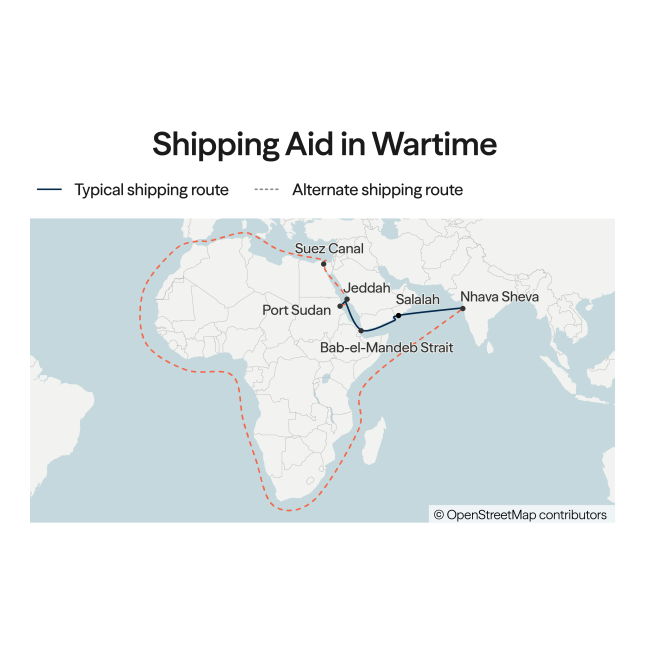
However, even in the event of a long-term peace agreement, the extended disruptions to petrochemical prices during the Strait of Hormuz closure may continue to detrimentally impact the pharmaceutical supply chain for weeks or months because of the pharmaceutical industry's long manufacturing and distribution lead time, raising alarm about potential extended effects of the Iran War on essential medicines. As the conflict persists and the future of the Strait of Hormuz's transit routes remain uncertain, shipping and logistics companies are establishing more permanent—but less efficient and more costly—route alternatives, a response that indicates the long-term cost of building more resilient supply chains.
The Omnipresence of Oil and Gas in the Drug Synthesis Route
Drugs rely on oil markets at each step in their manufacturing and distribution processes. The synthesis route for a simple generic tablet dispensed in pharmacies begins with crude oil. That crude oil is refined into transportation fuel for drug distribution, and into naphtha, a key oil intermediate that is fed into "crackers" to produce petrochemical feedstock for active pharmaceutical ingredient (API) and key starting material (KSM) manufacturing. Ammonia—another chemical precursor—is also used for formulation in API manufacturing for certain products. Petrochemicals are instrumental in all remaining steps of the drug synthesis route, including packaging, manufacturing of medical devices like syringes, and oil freight forwarders, ports, and public procurement systems.

The Two Main Ways Oil Impacts Pharmaceutical Prices
Since the outset of the Iran War, TGH found that the crude oil and gas markets became much more volatile because of a combination of transit route restrictions, more than 50 direct tanker and oil infrastructure attacks, and higher risk premiums. As crude oil and gas markets have become more volatile, petrochemical inputs across regions have as well, resulting in tangible production cuts and price increases for common health-care products, despite built-in inventory buffers held by manufacturers and distributors that have largely prevented the consequences from reaching consumers.
In March, an India-based company that produces methylamine, an ammonia-derived chemical intermediate for many APIs, announced that one of its plants was nonoperational because of shortages from ammonia suppliers. Malaysia, the world's leading nitrile glove exporter that supplies 45% of the global demand for rubber gloves, has suffered from butadiene price increases, with WRP Asia Pacific, a major manufacturer, shutting down operations in April. Top Glove, the world's biggest contributor to nitrile glove manufacturing, shared that its raw material costs have increased by 50%, forcing it to raise its glove prices by 40%. Plastic manufacturing companies across Europe reported increasing consumer prices for plastic products like packaging due to propylene price hikes.
The four petrochemicals TGH analyzed show an uptick in their cross-regional median prices compared to their prewar levels through May and began to decline after the ceasefire was announced in June. Benzene experienced the sharpest uptick in median price since the outset of the war, increasing 48% through the end of May. The rate of change for propylene has been more gradual than benzene's but has also grown steadily, increasing 38% over that duration. Butadiene has experienced a gradual median price increase globally, but in Northeast Asia, prices have jumped 36% through May, likely due to the region's dependence on naphtha cracker imports. Ammonia's price rates in that period were more volatile: its median price decreased slightly in March and May, resulting in a median price increase of just 11%. On average, the four petrochemicals' median prices decreased in June by 8%, alongside the temporary ceasefire and reopening of the Strait of Hormuz.
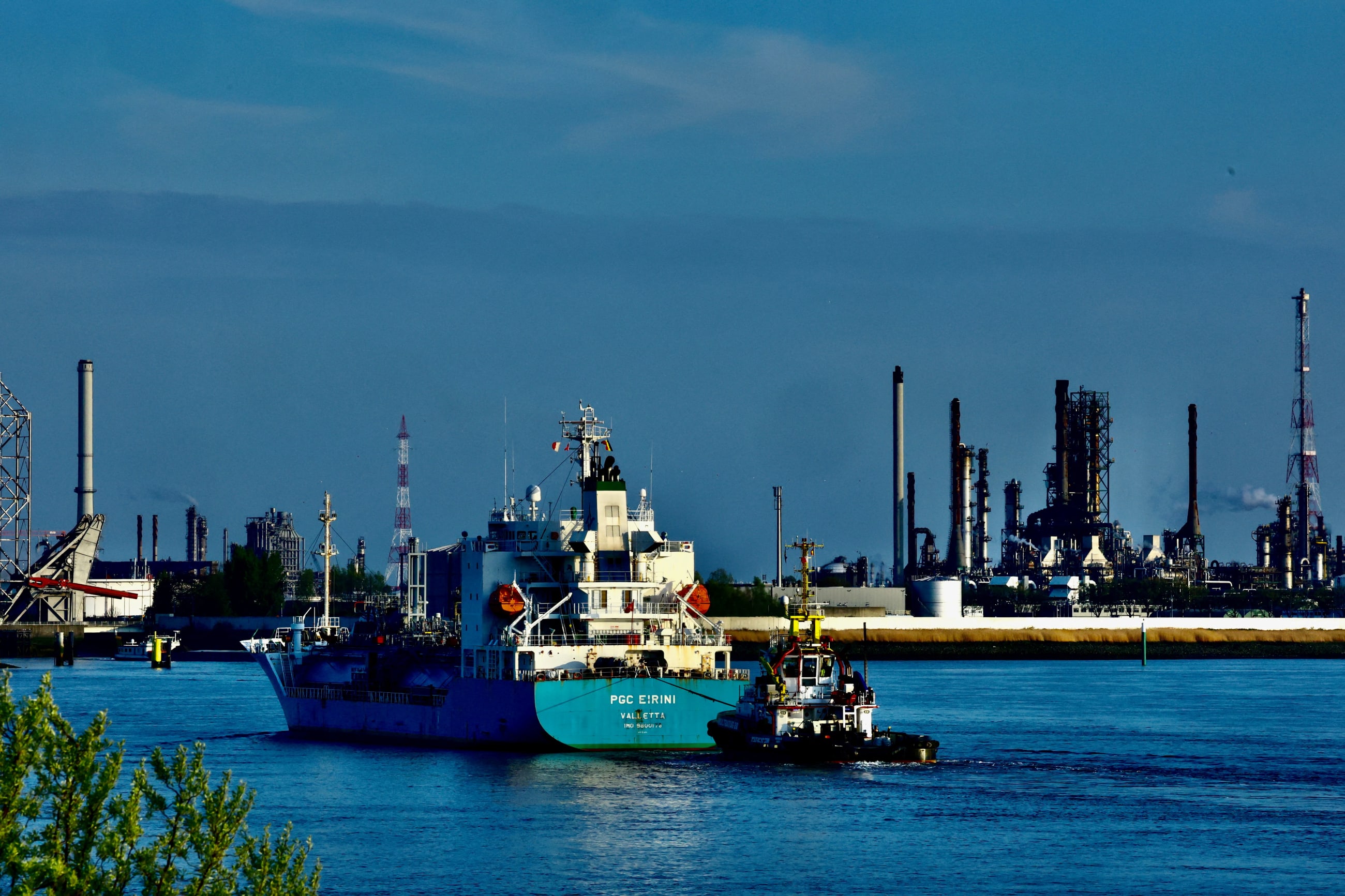
The cost of transportation—the second pathway through which oil price volatility impacts pharmaceutical prices—also increased during the Iran War through a combination of restrictions in key shipping lanes and associated rerouting costs, as well as elevated insurance premiums and fuel costs. These disruptions were accompanied by an 144% increase in global container shipment rates since the beginning of the war. That rate has accelerated as the war progresses, increasing 109% between May and July and reaching a two-year high on July 9, likely due to rising import demand amid an uncertain future fuel pricing environment and costly alternative routes. Airfreight prices also increased 28% since the beginning of the war because of rising jet fuel costs alongside conflict-driven disruptions to the airspace in the Gulf regions. The steepest price increase occurred in early March, when Gulf region airspaces and Middle East transit hubs were shut down.
Modeling Drug Prices Using Impacted Inputs
TGH tracked the impact of those two main pathways by estimating the wholesale costs of select World Health Organization (WHO) essential medicines. The formula uses standard estimates from past literature, procurement data, and industry reporting to approximate how conflict-driven petrochemical and transportation price changes may impact wholesale drug prices. The output is not a "true" cost per pill; instead, it is an estimate illustrating the sensitivity of medicines to wartime volatility in petrochemical, shipping, and air-cargo costs.
TGH found that wholesale medicine costs are sensitive to upstream oil-based inputs across all selected WHO essential medicines, although the degree of change varies by medicine. The gap between the cost estimates for ocean versus air transportation across all drugs is unsurprisingly wide given significant maritime disruptions from the closure of the Strait of Hormuz. The rates of increase for the models of benzene- and propylene-derived drugs were similar given the comparable cost trajectories of the two petrochemicals.
The model estimates that wholesale drug prices continued to rise during the temporary ceasefire despite June's petrochemical price drops because of continuously rising transportation costs. A permanent strait reopening may not immediately mitigate transportation's impact on drug prices: experts indicate that high insurance rates and cascading delays from suddenly increased traffic may take three to four months to normalize.
Across both forms of transportation, methotrexate's wholesale drug price was most impacted by the Iran War's supply-chain shock, followed closely by bisoprolol—a propylene-derived beta-blocker used to treat hypertension—and fluoxetine—a benzene-derived selective serotonin reuptake inhibitor (SSRI) commonly known by its brand name Prozac—whereas metformin was least effected overall, especially following an air-cargo shipment route.
Who Is Most Affected and What We Can Learn
In the face of uncertain future prices, wealthier and more risk-tolerant buyers can afford to pay higher freight costs and secure alternative routes, which can create shortages or price spikes even before physical supply is fully interrupted. This affects import-dependent and resource-constrained regions like Asia and Africa, as well as smaller procurement agencies.
Alongside continued efforts to geographically diversify supply chains, governments and procurement agencies should have greater visibility into manufacturing and distribution information. The location and flows of KSMs, APIs, excipients, packaging inputs, and finished doses are not public, meaning purchasers cannot accurately anticipate shortages or design effective mitigation measures during supply shocks. Given the close relationship between petrochemical and pharmaceutical prices, governments, manufacturers, and distributors should ensure this visibility extends upstream, all the way to petrochemical precursors.