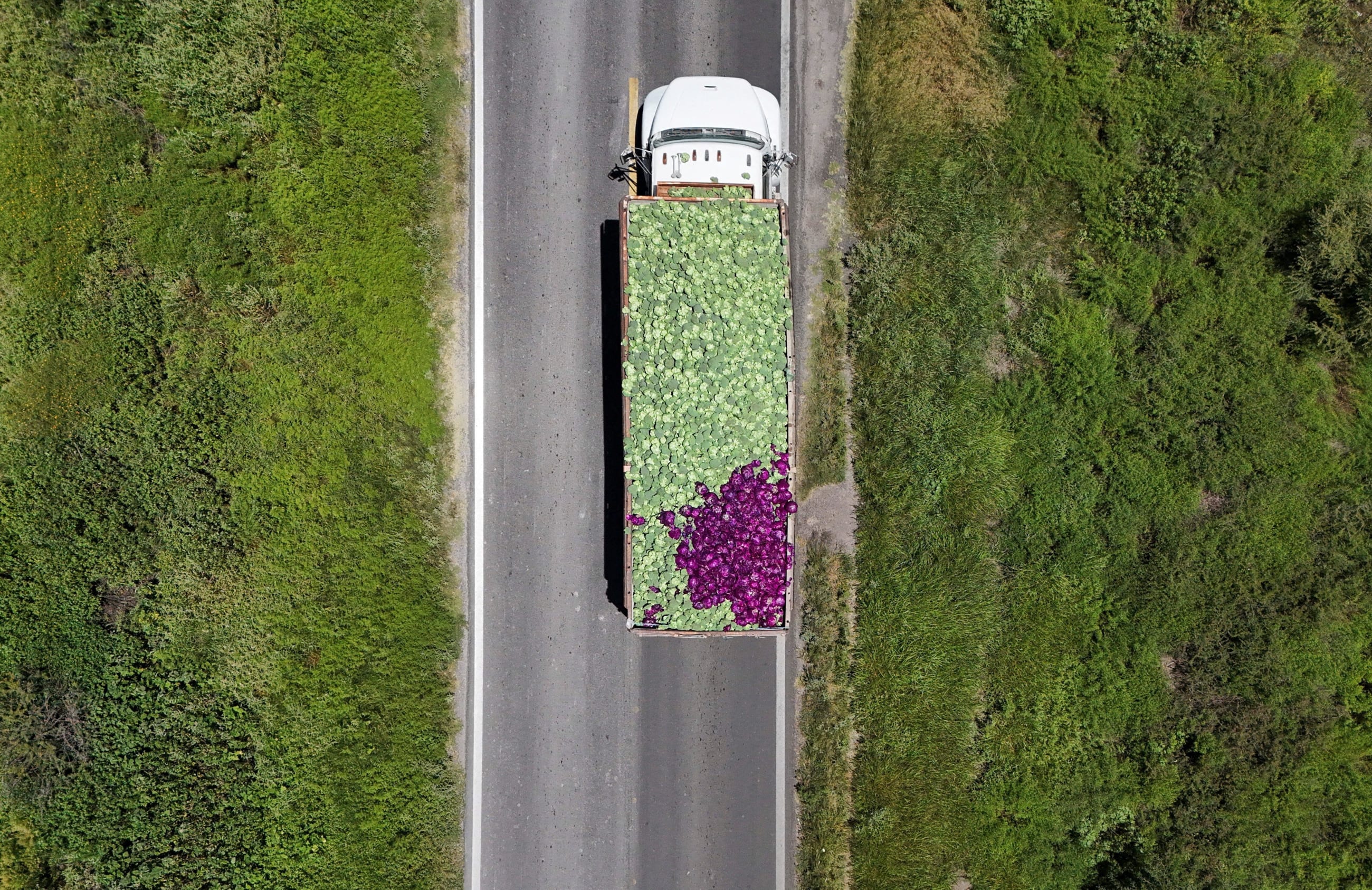
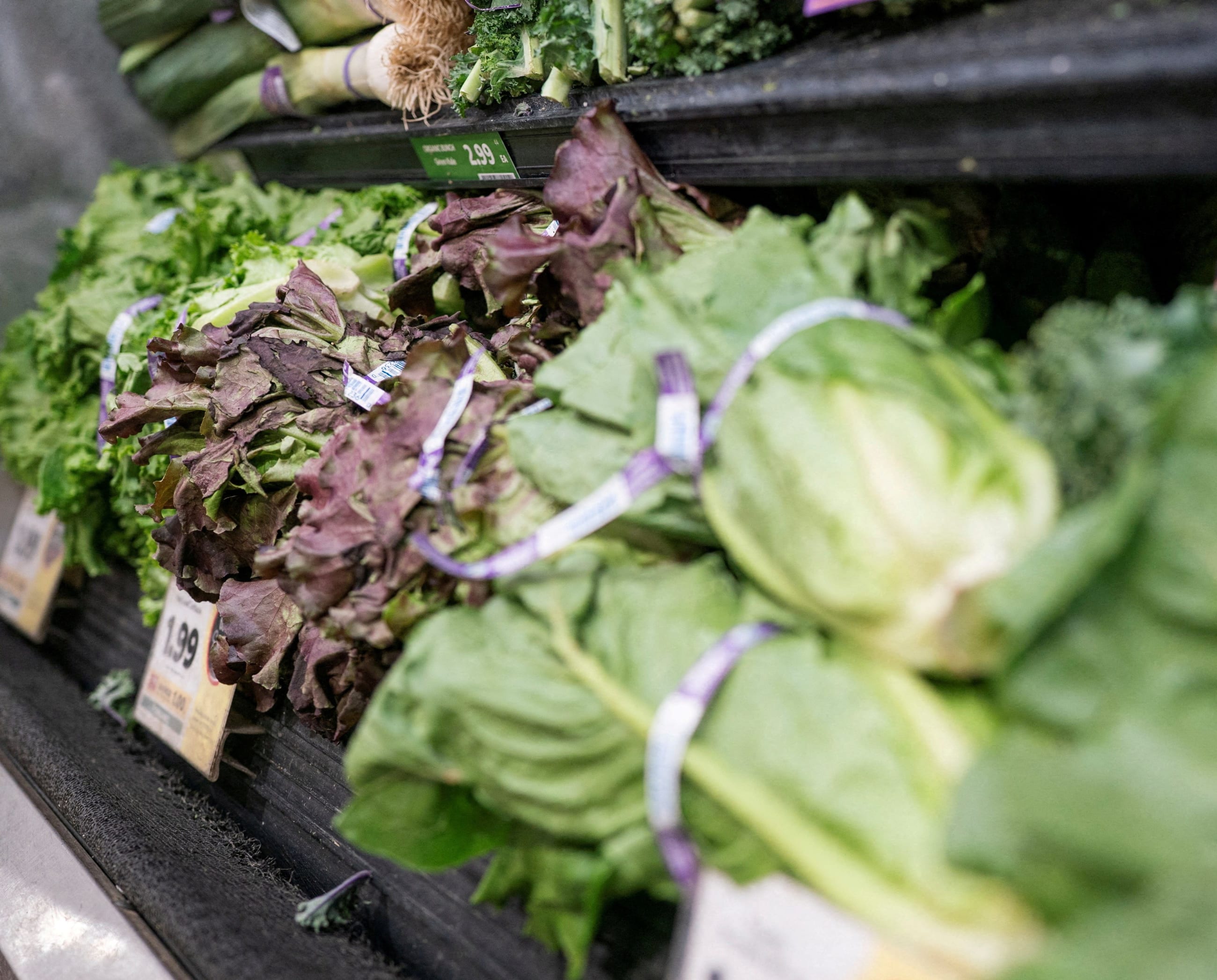
Over the past two months, an outbreak of cyclosporiasis, a foodborne illness caused by the Cyclospora parasite, has surged across the country to 45 U.S. states. Between May 1 and July 27, 2026, the Centers for Disease Control and Prevention (CDC) has confirmed almost 7,000 infections, and more than 11,000 additional cases remain under review. The cause for many of them is believed to be contaminated lettuce imported from Mexico. The source—or sources—for the other clusters, however, isn't known yet.
Foodborne illnesses are not uncommon in the United States. The Food and Drug Administration (FDA) has this year alone issued public health advisories for another eight, albeit much smaller, outbreaks, including salmonella in eggs and Listeria in a range of soft cheeses. But this wave of cyclosporiasis has now reached historic proportions, says Lee-Ann Jaykus, who researches food microbiology and safety at North Carolina State University. It's rare for any foodborne outbreak, she said, to result in thousands of infections. "The number of cases here is kind of astounding," she told Think Global Health. "It's blowing people away because we're still getting cases and we're still getting reports."
One of the reasons Jaykus suspects for how this outbreak managed to become so widespread, outside of contaminated foods, is the U.S. government's response. Last year, the Trump administration made a series of budget cuts that directly, and indirectly, hindered food monitoring programs. Those measures have, consequently, slowed the investigations into what's driving this wave of illness, she says.
This wave of cyclosporiasis has now reached historic proportions
Lee-Ann Jaykus, William Neal Reynolds Distinguished Professor of Emerita, North Carolina State University
But this outbreak also comes at a time when foodborne illnesses are becoming more common across the country. Listeria and salmonella, for example, according to the World Health Organization, have gradually risen over the past two decades. Exactly why isn't clear, but there are theories, including a warming planet creating conditions ideal for these diseases to spread.
Think Global Health spoke to Jaykus about the current Cyclospora outbreak, the current state of the U.S. food surveillance system, and what this means within the context of a potentially expanding risk of foodborne disease.
□ □ □ □ □ □ □ □ □ □ □ □ □ □ □ □□ □ □ □ □ □ □ □ □ □ □ □ □ □
Think Global Health: Your research is centered around microorganisms that cause foodborne illness. How exactly does an outbreak like cyclosporiasis happen?
Lee-Ann Jaykus: Foodborne illness comes from the consumption of contaminated foods. It's usually caused by something that should not be there. In the group of microorganisms, there are three general categories: viruses, bacteria, and what we call parasitic protozoa. There are a bunch of different ways these bugs get into food: in production, in processing, in retail environments, and also in preparation. It's different for different microorganisms.
To prevent this, we rely on different approaches: good agricultural practices to prevent the contaminant from getting into the product, and food processing and sanitation to kill microorganisms. That's the responsibility of the food company and the retailer, and it's regulated by several agencies, but mostly by the FDA and U.S. Department of Agriculture (USDA) Food Safety and Inspection Service.
TGH: How are these illnesses then monitored?
Lee-Ann Jaykus: The cornerstone for monitoring illnesses is national programs, specifically FoodNet and PulseNet. FoodNet collects data to get a feel for the burden of disease, or how much you have in the population, and then to track whether it's increasing annually. PulseNet is used to identify potential outbreak situations.
In this case, state health departments send clinical data and specimens to the CDC for analysis. Identification of a cluster of illness by the identical microorganism at the same time suggests an outbreak. The data and the real-time identification for the source of the outbreak are largely done by the state and federal public health folks, as well as FDA.
TGH: Does the United States have an effective monitoring system?
Lee-Ann Jaykus: Prior to 2025, we had a really good program, but federal resources, in terms of funding and personnel, were cut dramatically in the middle of 2025. The number of FoodNet organisms for required surveillance, for instance, was cut. We're not looking as thoroughly for many of these microorganisms anymore.
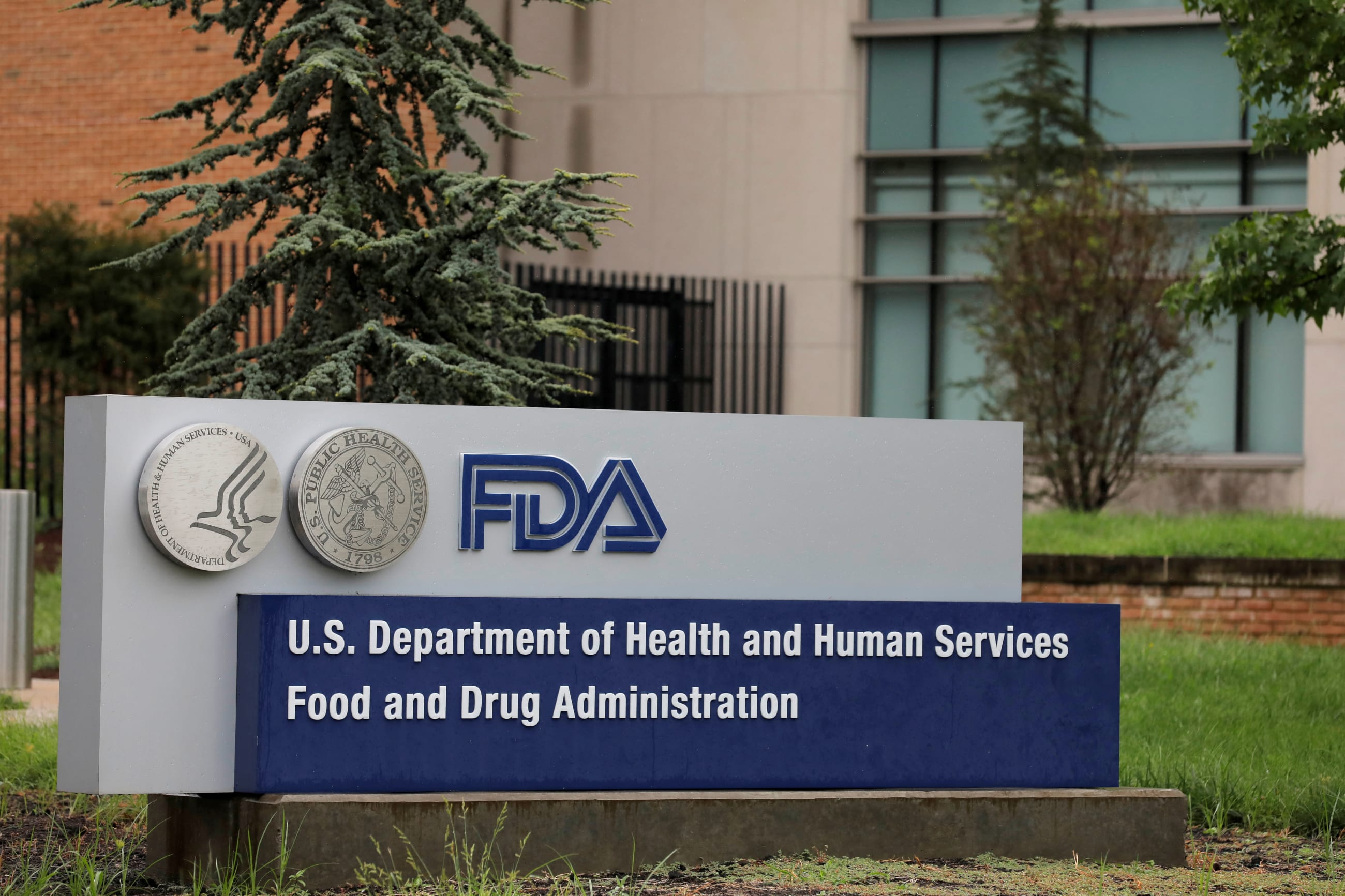
A lot of funding that goes to the states to collect this data was also cut. You've got a drop in surveillance going on in the states and at the CDC, and an enormous loss of institutional capacity because people have lost their jobs. Even if you did have the data, it might be hard to analyze it in real time because there just aren't enough people.
Given the amount of food that we consume in this country, foodborne disease is still a somewhat rare event. But Cyclospora may be the first example of where we're failing now, because we got rid of these programs and reduced the resources.
TGH: Do you think the funding cuts are behind this outbreak?
Lee-Ann Jaykus: It's an important factor in that the cuts probably delayed us finding it. We had more cases because we allowed the product to stay on the market longer.
Do I think that's the only driver? No, not at all. It's important, but at the same time, I don't want to get away from the fact that there probably are other drivers behind such a big outbreak.
TGH: What were some of those other drivers?
I would say, as somebody who's interested in climate change, that there is a significant possibility that this outbreak is perhaps due to some of the climate change issues. Extreme weather events, higher temperatures in water and in the environment, and longer seasons—all of those things may be important drivers.
TGH: Can you expand on what the research—including the paper you've coauthored—says exactly on how climate change could increase outbreaks of foodborne illness?
Lee-Ann Jaykus: If you have massive flooding, let's say due to a hurricane, it will frequently overwhelm the capacity of sewage treatment plants. The plant will end up dumping sewage into either the oceans or water systems because it just overflows. Now untreated fecal material has entered the water system. That's great for cholera, hepatitis A, and norovirus. When Hurricane Helene hit North Carolina almost two years ago, certain parts of Asheville were on boil-water alerts for months because local authorities couldn't get the infrastructure in place to prevent a potential failure in sewage and water treatment. Water and food are intimately tied together. What happens to water will invariably trickle down and affect the food supply.
There's also evidence that the warmer seasons of the year are increasing in length, and this means that disease-causing pathogens that are usually at their highest prevalence in the summer are sticking around even longer.
Also, microorganisms are genetically adapting to changing environmental conditions all the time. Scientists simply don't know what adaptation might occur as a consequence of something like global warming. I am not a doomsdayer, but I can't take that one off the table because I don't know what a bug is going to do relative to adapting to an environment that's foreign.
TGH: Does this mean that the risk of foodborne illness outbreaks is increasing?
Lee-Ann Jaykus: You have to have a really robust surveillance system to be able to track whether they're increasing. Our food supply is also so global, so there needs to be an international system. We cannot definitively say that this is increasing because we don't have a way of proving that.
I personally believe we're driving blind into the iceberg. The potential reasons to suspect an increase in outbreaks are hypothetically driven by science, but they are not yet supported by clear surveillance and epidemiology.
TGH: If foodborne outbreaks do become more common, what does it mean for the United States?
Lee-Ann Jaykus: Cutting funding for surveillance, and basically tearing down the public health surveillance infrastructure—not just for foodborne disease but for a lot of diseases—is very concerning because if we don't know about it, we don't know we have a problem.
These systems are in place for a reason, and they are the fastest, best way we can identify something that might be, or be becoming, a big problem. I think a really important message is: don't tear down your public health infrastructure.
AUTHOR'S NOTE: This interview has been edited for length and clarity.
The previous version of this article stated that the outbreak was not currently lethal. That phrase was removed as publication coincided with the news of two deaths in people who contracted cyclosporiasis in Michigan. Officials stated that both people had underlying health conditions.