Shocks from COVID-19, El Niño–linked drought, climate-related floods, and wars have reinforced the need for food supply-chain security in Indonesia. By May 2020, the World Bank found that 37.7% of households in the country reported eating less than usual because of lack of money or resources relative to 22% in 2019. In that same timeframe, reported food shortages rose from 19% to 31.2%.
Those trends expose how quickly healthy diets can become unaffordable when supply-chain disruptions reverberate across household incomes, schools, health services, and food supply chains. Now, disruptions in the Strait of Hormuz caused by the Iran war are raising fuel, freight, and fertilizer prices, which can feed into farm production costs, food prices, and household purchasing power, further limiting Indonesia's ability to adapt to shocks and achieve food system resilience.
In Jakarta, food resilience is often measured as rice availability, price stability, and reduced dependence on imports. Rice is central to Indonesian diets, and official statistics track rice and glutinous rice as a major consumption category. Rice availability ensures calories but does not necessarily protect a food system's contributions to micronutrient intake, dietary diversity, or long-term health. In a healthy diet, rice should accompany vegetables, fruit, and protein sources such as legumes, fish, eggs, tofu, and tempeh.
From 2018 to 2023 Indonesia's adult obesity rate increased by 1.6%, a trend that underscores that food systems can protect calories while still leaving people exposed to unhealthy diets, commercial food pressures, and long-term disease risks.
1.6%
From 2018 to 2023 Indonesia's adult obesity rate increased by 1.6%
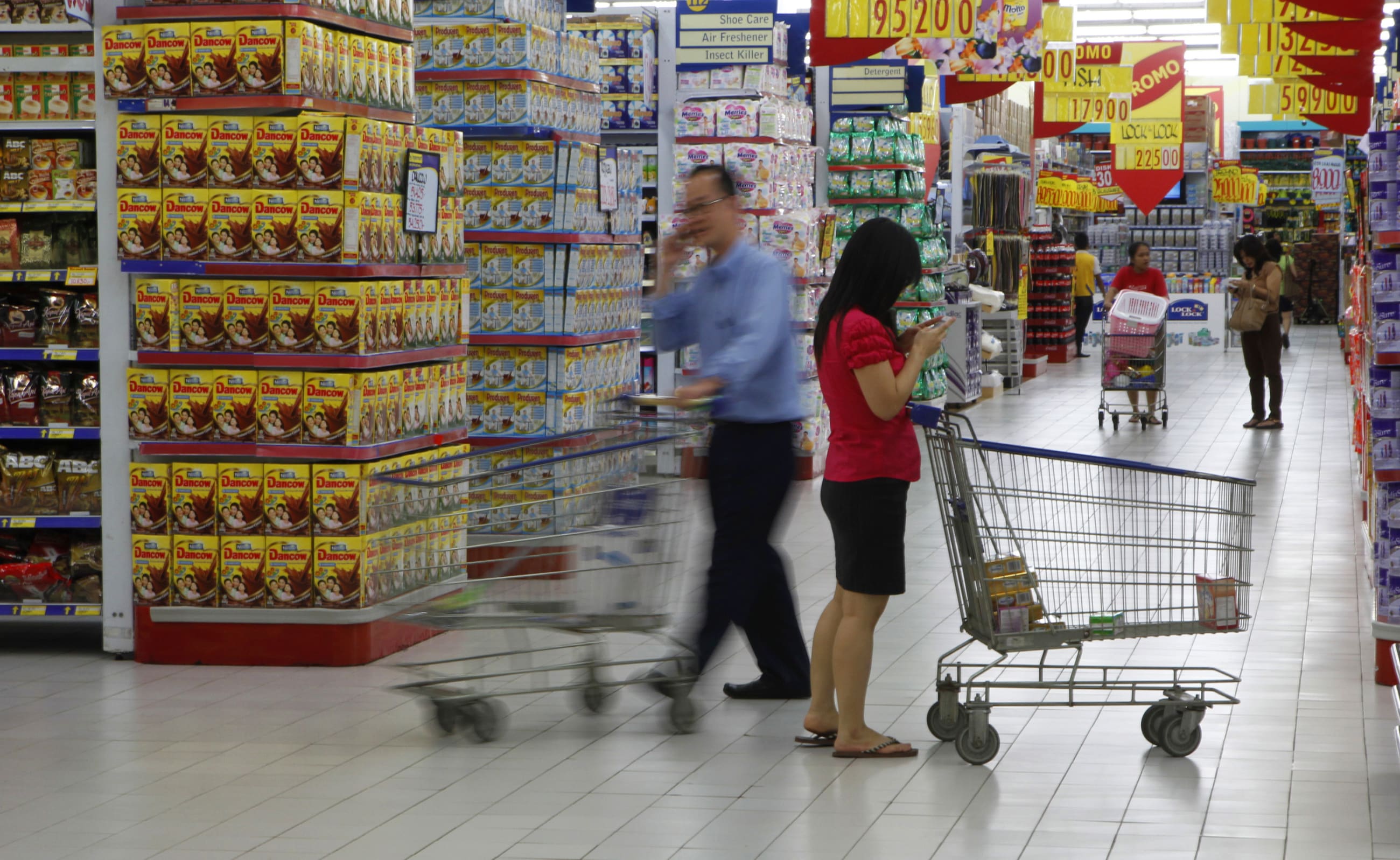
As Indonesia looks to build a resilient food system, it should promote diverse, healthy diets that are affordable and protected from commercial pressures that force unhealthy choices. In 2025, the UN Food and Agriculture Organization estimated that a healthy diet in Indonesia costs $4.75 per person daily and was unaffordable for 43.5% of the population, roughly 123 million people. Further, the Access to Nutrition Index's 2025 Indonesia Retail Assessment [PDF] found that healthier food baskets cost 10.8% more than unhealthier baskets at Indomaret and 28.8% more than unhealthier baskets at Alfamart, Indonesia's two largest grocers.
This situation has made highly processed foods a preferred option for most of the population. WHO Indonesia has warned that highly processed foods rich in saturated fats, trans fats, sugar, and salt now dominate much of the country's food supply because they are cheap, widely available, and heavily marketed. The WHO reports that dietary risk factors are the third-largest contributor to death and disability in Indonesia, and that only 3.3% of people older than 5 years consume the minimum recommended five portions of fruit and vegetables each day. These are not marginal issues for health ministries. They are central to food systems producing resilience.
To limit sugar, salt, and fat in processed and ready-to-eat foods, Indonesia introduced food regulations in 2024 that include front-of-pack labeling, menu labeling, product reformulation, marketing restrictions, healthy food zones, and the potential to tax unhealthy foods. These instruments are necessary for a successful public health approach to food resilience. When a country cannot regulate its dietary requirements, prohibit harmful marketing, improve food labeling, shape public procurement, or use fiscal measures to make healthier choices easier, it risks its population's health.
Indonesia's Perspective: Shifting from Rice Supply to Healthy Diet
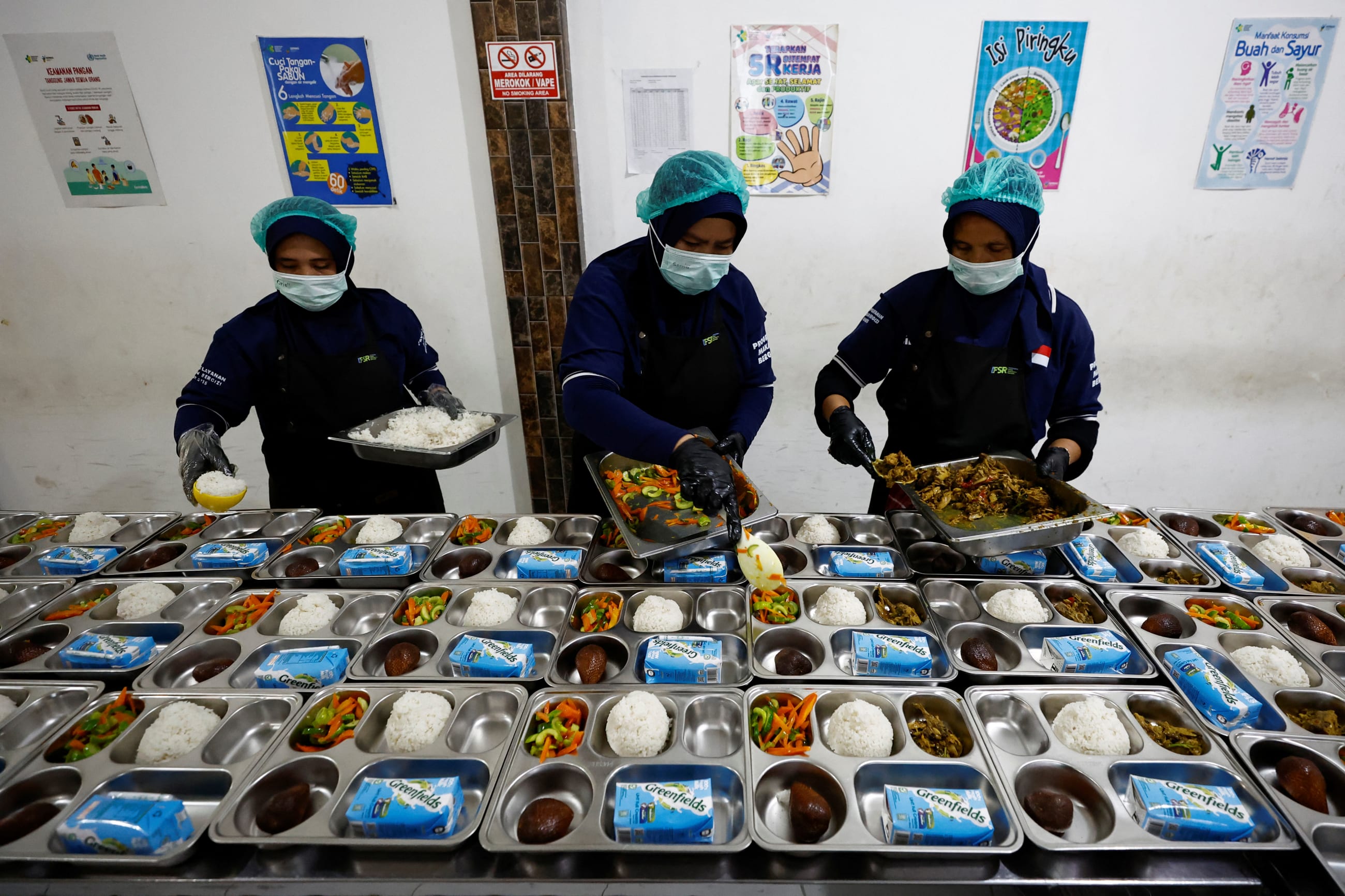
Indonesia's Free Nutritious Meals program, launched in January 2025 to improve nutritional status and promote balanced diets among schoolchildren, pregnant women, breastfeeding women, toddlers, and vulnerable groups, could become a test of that regulation. In its first year, the program established a national system with 29,991 operational nutrition service units.
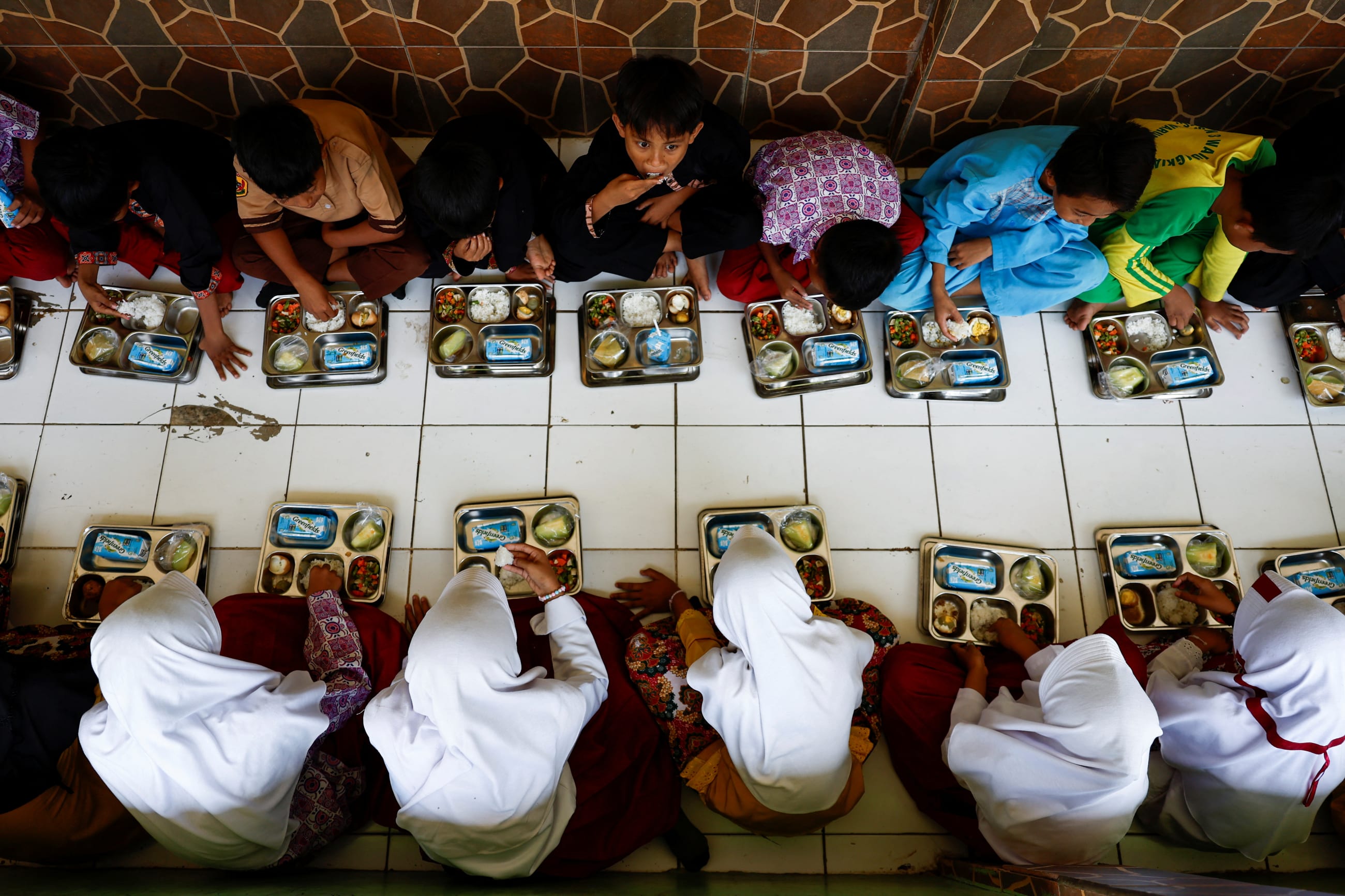
Its implementation hinges on whether Indonesia can translate global health commitments into a public food system grounded on nutrition standards, food safety, accountable procurement, support for local producers, and routine nutrition education. If successful, the program could show how food system resilience can be measured not only by supply continuity, but also by healthier diets and stronger public health outcomes. Recent governance and food-safety concerns reinforce the need for improvements, but the program still has the opportunity to improve Indonesians' diets.
To accomplish that, the program will need to increase the availability, purchase, and consumption of healthy foods and beverages and reduce the presence and consumption of unhealthy options, consistent with the WHO's new guideline on healthy school food environments.
Other countries' experiences could help inform Indonesia's strategy. Sweden offers a useful design example. Its universal free school meal system began in 2018 as a mission-oriented effort to make school meals healthy, tasty, and sustainable by 2030. To launch, Sweden involved students in redesigning meal spaces, used taste tests and food-related lessons to build acceptance of healthier foods, experimented with digital procurement tools to connect local farmers and suppliers with school meal purchasers, and used surplus fruit and vegetables from nearby stores to provide healthier snacks while reducing food waste. These examples show how school meals can shape children's food habits, create demand for healthier local supply, and turn the school meal into part of the curriculum.
The evidence should not be overstated. Sweden has not yet produced quantitative evidence that the program reduced childhood obesity. Its lesson is more practical. School meals work best when nutrition standards, procurement, education, student participation, food waste reduction, and evaluation are designed together from the start.
Indonesia's school meal guidelines already show an important shift from political promise to operational governance. Now, Indonesia should go further than asking only whether meals are delivered safely and at scale. It should also assess whether children develop healthier food habits at home, whether schools treat meals as part of education curriculum, whether procurement supports local producers against big corporations and whether food waste is reduced.
AUTHOR'S NOTE: Ronald Tundang authors this piece in his personal capacity.